Bisoprolol (Beta-Blocker) – Patient Information (UK)
Bisoprolol is a medicine commonly used to treat several heart-related conditions. It belongs to a group of medicines called beta-blockers. For many people, bisoprolol helps the heart work more efficiently by slowing the heart rate and reducing the heart’s workload.
This page explains how bisoprolol works, how it’s used in the UK, what to expect, and important safety information. It is written for patients and is intended to be easy to follow.
Quick Facts
- Medicine name: Bisoprolol
- Class: Beta-blocker
- How it helps: Reduces heart rate and strain; can improve symptoms and outcomes in specific conditions
- Common forms: Tablets (strengths vary by product)
- Typical dosing frequency: Often once daily
- Who it’s for: Approved for certain cardiovascular conditions in adults (and in some cases specific paediatric use depending on indication)
Basic Product Information
What it is: Bisoprolol is a selective beta-1 blocker. It targets beta-1 receptors mainly found in the heart, which is why it is often preferred over non-selective beta-blockers in people who may have certain respiratory conditions (though caution is still needed).
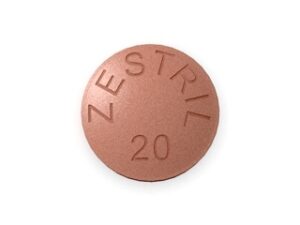
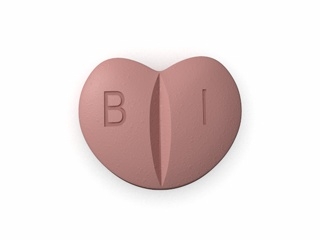
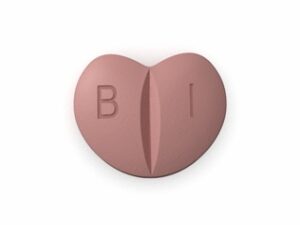
What it looks like: Bisoprolol is available as tablets of different strengths. Your tablet strength and dosing instructions depend on the specific condition being treated.
Storage: Keep tablets in their original packaging, at room temperature, away from moisture and out of sight and reach of children.
How Bisoprolol Works (Mechanism of Action)
Bisoprolol works by blocking beta-1 adrenergic receptors in the heart. This leads to:
- Lower heart rate (reduces the pace at which the heart beats)
- Reduced force of contraction (makes each beat slightly less forceful)
- Lower conduction through the heart’s electrical system (can help control rhythm issues)
- Reduced workload on the heart, which can be especially helpful in chronic heart conditions
By reducing strain on the heart and regulating heart rhythm, bisoprolol can help improve symptoms such as palpitations, breathlessness, and chest discomfort in appropriate patients.
Pharmacokinetics: How the Body Handles Bisoprolol
Pharmacokinetics describes how the body absorbs, distributes, metabolises, and excretes a medicine.
- Absorption: Bisoprolol is absorbed after taking a tablet. Food may affect the timing slightly, but not usually the overall effect significantly.
- Onset: Many people notice effects within hours, but full benefit for some conditions may take days to weeks.
- Distribution: Bisoprolol distributes into body tissues, including the cardiovascular system.
- Metabolism: It is metabolised partly by the liver and partly eliminated by the kidneys.
- Elimination: It is cleared gradually, which supports once-daily dosing for many patients.
Practical takeaway: Consistent daily use helps maintain stable heart rate control. Do not stop suddenly without medical advice, as this can worsen symptoms for some people.
Typical Use in the UK: Indications
Bisoprolol is used for several cardiovascular conditions. The exact indication determines the dose and how it should be adjusted over time.
Common indications include:
- High blood pressure (hypertension): helps lower blood pressure in suitable patients
- Angina (chest pain due to reduced blood supply to the heart): can reduce frequency/severity of attacks
- Heart rhythm problems: for some rhythm-related conditions where heart rate reduction is beneficial
- Chronic heart failure (CHF): in appropriate patients, it may help improve symptoms and reduce risk of deterioration (often as part of a broader treatment plan)
Use is based on clinical assessment, and the suitability of bisoprolol depends on your overall health, other medicines, and specific diagnosis.
When to Take Bisoprolol (Timing and How to Take)
For many patients, bisoprolol is taken once daily, usually at the same time each day to maintain steady effect.
- Morning or evening: The time is often chosen for convenience and symptom control. Choose a time that you can follow consistently.
- With or without food: Bisoprolol may be taken with or without food (see food interactions below).
- Swallowing: Swallow tablets whole with water.
- Missed dose: If you miss a dose, take it when you remember unless it is close to the next dose. Do not double up.
Important: If you are taking bisoprolol for chronic heart failure, dosing often starts low and is increased gradually under supervision.
Food Interactions and Bisoprolol
Bisoprolol can generally be taken with or without food.
- Meals: Food usually does not require special timing changes.
- Consistency is key: Taking it at the same time each day helps you remember and reduces day-to-day variation.
If you experience side effects such as dizziness, your clinician may advise changing the time of day or adjusting the dose.
Alcohol Interactions
Alcohol can affect blood pressure and heart rate. When combined with bisoprolol, alcohol may increase the chance of:
- Dizziness or lightheadedness
- Falls, especially when standing up
- Increased tiredness
Patient-friendly advice: It’s often best to keep alcohol moderate and avoid binge drinking. If you notice worsening dizziness, discuss with your pharmacist or GP.
Interactions With Other Medicines
Bisoprolol can interact with other medicines that affect heart rate, blood pressure, or electrical conduction. Always inform your healthcare team about all medicines you take, including over-the-counter products and supplements.
Medicines that may increase the risk of slow heart rate or low blood pressure
- Other beta-blockers
- Some heart rhythm medicines (antiarrhythmics) that slow heart conduction
- Calcium channel blockers (especially verapamil or diltiazem)
- Medicines for blood pressure that can further lower blood pressure
- Medicines for certain neurological conditions that may affect heart rate (varies)
Medicines that may affect the metabolism of bisoprolol
- Some medicines that alter liver enzyme activity (depending on formulation and patient factors)
- Always check specific product information with your pharmacist for your exact medicine list
Diabetes medicines and hypoglycaemia awareness
Beta-blockers can sometimes mask the warning signs of low blood sugar (such as fast heartbeat). If you take insulin or tablets for diabetes, ensure you understand how to recognise hypoglycaemia and when to seek help.
Non-steroidal anti-inflammatory drugs (NSAIDs)
Occasional use of NSAIDs for pain may affect blood pressure control in some people. This does not always mean they are unsafe, but it may reduce the effectiveness of antihypertensives.
Asthma/COPD inhalers
While bisoprolol is relatively cardio-selective, it can still affect breathing in sensitive individuals. If you have asthma or chronic obstructive pulmonary disease (COPD), discuss your inhaler plan with your clinician.
Always consult a pharmacist before starting new medicines, including herbal remedies.
Dose and Administration: What to Expect
Bisoprolol dosing varies according to the condition and your response. Doses are typically adjusted gradually, particularly for chronic heart failure, to reduce the risk of side effects.
Do not change your dose unless advised by your prescriber.
Typical dosing principles
- Hypertension/angina: dosing may start low and be titrated based on blood pressure, heart rate, and symptom control
- Chronic heart failure: start low, then increase slowly over time if tolerated
- Heart rate targets: clinicians may aim for a safe resting heart rate and symptom relief
Example schedule (illustrative only)
Dosing strength and increments must be individualised. Use the table below only to understand the concept of titration; always follow your own instructions on your medicine label.
| Condition | General approach | Important notes |
|---|---|---|
| Hypertension / angina | Start with a low dose; increase if needed | Monitor blood pressure and heart rate; watch for dizziness |
| Chronic heart failure | Start very low; titrate gradually | Monitor for worsening breathlessness, swelling, or fatigue |
| Heart rhythm issues | Adjust based on heart rate and symptoms | Electrocardiogram (ECG) may guide safety and effectiveness |
Safety Profile: Side Effects and Warnings
Like all medicines, bisoprolol can cause side effects. Many are mild and improve as your body adapts, particularly after dose adjustments.
Common or expected side effects
- Tiredness or reduced exercise tolerance
- Dizziness or feeling lightheaded
- Slow heart rate (bradycardia)
- Cold hands and feet
- Sleep disturbances in some people
- Gastrointestinal upset (nausea) in some cases
Less common but important side effects
- Breathing difficulties (especially if you have asthma/COPD)
- Worsening heart failure symptoms (e.g., sudden weight gain, increasing swelling, marked breathlessness)
- Low blood pressure symptoms (fainting, severe dizziness)
- Sexual side effects may occur in some patients
Seek urgent medical help if you have
- Fainting or severe dizziness
- Chest pain that is worsening or new severe chest pain
- Severe shortness of breath or wheezing
- Signs of a serious allergic reaction: swelling of face/lips, difficulty breathing, rash with swelling
Do not stop suddenly
Stopping bisoprolol abruptly can cause a rebound effect leading to worsening chest pain, fast heart rate, or other complications in some patients. If discontinuation is needed, it is usually done gradually.
Practical Use Tips (Patient-Friendly)
- Take it consistently: set a daily reminder on your phone or use a medication organiser.
- Check your pulse if advised: some people are asked to monitor their heart rate. Record it and share with your clinician.
- Stand up slowly: dizziness can occur, especially after dose changes.
- Track symptoms: if you have angina or heart failure, note changes in chest pain, breathlessness, swelling, or weight.
- Keep appointments: regular reviews help ensure dose is safe and effective.
- Inform healthcare professionals: tell any doctor or dentist that you take bisoprolol.
- Be careful with new over-the-counter medicines: cold/flu products and decongestants can affect heart rate and blood pressure.
Alternative Options
Depending on your condition, clinicians may consider other medicines or therapy strategies. The “best” alternative depends on your diagnosis, heart rate, blood pressure, other medical conditions (such as asthma, diabetes, or kidney disease), and your overall treatment plan.
Other beta-blockers
- Metoprolol
- Atenolol
- Carvedilol (often used in heart failure)
Other medicine classes sometimes used
- ACE inhibitors or ARBs (particularly in chronic heart failure and hypertension)
- Calcium channel blockers (such as amlodipine)
- Diuretics for fluid management in heart failure
- Anti-anginal medicines for angina symptom control
If you are asking about alternatives because of side effects, it’s important not to switch on your own. Your clinician can decide whether bisoprolol dose adjustment, a change in medicine, or additional monitoring is most appropriate.
Market and Legal Context in the United Kingdom
In the UK, bisoprolol is a widely used medicine for cardiovascular conditions and is part of standard prescribing practice for suitable patients. Medicines are regulated by the Medicines and Healthcare products Regulatory Agency (MHRA) and are supplied through licensed channels.
Use of bisoprolol should follow the product’s UK Summary of Product Characteristics (SmPC) and national clinical guidance, with dosing and monitoring tailored to the patient.
Pharmacies in the UK follow strict standards for storage, handling, and dispensing to support patient safety and medicine quality.
Recent Guidance and Clinical Considerations (UK)
Clinical approaches for cardiovascular conditions evolve based on new evidence. In recent years, consistent themes in UK practice include:
- Individualised dosing and monitoring: especially for chronic heart failure, where medicines are typically started low and increased gradually.
- Monitoring vital signs: heart rate and blood pressure are commonly monitored to maintain safety.
- Reviewing interactions: particularly with other heart medicines and medicines that affect blood pressure or rhythm.
- Optimising overall heart failure therapy: bisoprolol is usually used alongside other guideline-recommended treatments when indicated.
Your GP or cardiologist may review your medicines regularly and adjust based on your symptoms, ECG results, and blood pressure/heart rate readings.
Delivery and Availability (Online Pharmacy)
Bisoprolol tablets are commonly available from UK online pharmacies through standard supply processes. Availability can vary by strength and brand, and stock updates may occur throughout the year.
- Typical delivery: usually within the UK with standard or express options depending on the pharmacy.
- Packaging: medicines are delivered in secure packaging to protect tablets from damage.
- Cold chain: bisoprolol tablets do not usually require refrigeration.
- Delivery tracking: many online pharmacies provide tracking or delivery confirmation.
If your preferred strength or formulation is temporarily out of stock, the pharmacy may offer an alternative strength (where appropriate) or notify you when it returns. Always confirm the product you receive matches what your prescriber intended.
FAQ: Bisoprolol (Patient Questions)
1) What is bisoprolol used for?
Bisoprolol is used for cardiovascular conditions such as high blood pressure, angina, certain rhythm problems, and chronic heart failure in appropriate patients.
2) How quickly will it work?
Some effects (like heart rate reduction) can occur within hours. Symptom improvement can take days to weeks, and heart failure benefits are typically assessed over longer periods with dose titration and monitoring.
3) Can I take bisoprolol with food?
Yes. Bisoprolol can usually be taken with or without food. Taking it consistently at the same time each day is most helpful.
4) Will it lower my heart rate?
Yes. Bisoprolol is designed to slow the heart rate. Your clinician may monitor your pulse and adjust your dose if your heart rate becomes too low or if you feel unwell.
5) What if I miss a dose?
Take it when you remember unless it is close to the next scheduled dose. Do not take a double dose to make up for a missed tablet.
6) Can I drink alcohol while taking bisoprolol?
Alcohol may increase dizziness or lower blood pressure. Keep intake moderate and avoid binge drinking. If you feel faint or unusually dizzy, reduce alcohol and seek advice from a healthcare professional.
7) Is bisoprolol safe for people with asthma or COPD?
Bisoprolol is relatively selective for beta-1 receptors, but it may still affect breathing in some people. If you have asthma or COPD, discuss risks and monitoring with your clinician and ensure you have your rescue inhaler plan.
8) Can I stop bisoprolol suddenly?
No—stopping abruptly can cause worsening heart symptoms in some patients. If it needs to be stopped, it should usually be reduced gradually under medical guidance.
9) What side effects should I watch for?
Common effects include tiredness, dizziness, and cold hands/feet. Seek urgent advice for fainting, severe breathlessness, worsening heart failure symptoms, or signs of an allergic reaction.
10) What medicines should I avoid or be careful with?
Be cautious with other drugs that slow heart rate or lower blood pressure, such as certain rhythm medicines and some calcium channel blockers. Always check with a pharmacist before starting any new medicine, including cold remedies.
Summary
Bisoprolol is a beta-blocker used in the UK to treat several heart-related conditions. It works by reducing the workload on the heart and slowing heart rate. For many patients, it is taken once daily and can be taken with or without food. Like all medicines, it has possible side effects and interactions—especially with other medicines that affect heart rate or blood pressure.
If you have questions about how to take bisoprolol safely, manage side effects, or check potential drug interactions, speak to your pharmacist or healthcare professional.