Loniten (Minoxidil) — Patient Information (UK)
Loniten contains minoxidil, a medicine originally developed for hypertension and later found to have effects on hair growth and other body systems. In the UK, minoxidil is most commonly used in dermatology as a topical treatment for hair loss, but Loniten (minoxidil) is an oral medication used in specific situations under clinical supervision.
This page explains how Loniten works, what to expect, how it is typically used, and important safety information. Always follow the advice given by your healthcare professional and the instructions supplied with your medicine.
Quick facts
- Active ingredient: Minoxidil
- Brand name: Loniten
- Route: Oral tablet
- Common uses: Certain hair-loss patterns and other specialist indications
- Important safety note: Minoxidil can affect blood pressure and heart rate
What is Loniten?
Loniten is an oral medicine containing minoxidil. Minoxidil is a potent vasodilator, meaning it helps widen blood vessels, which can reduce blood pressure. When used for hair-related conditions (where appropriate), it may also stimulate hair follicles and prolong the growth phase of hair.
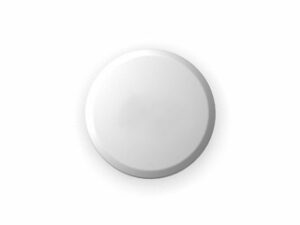
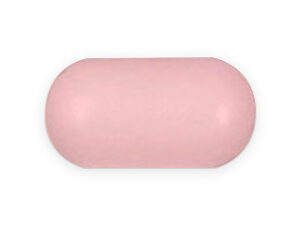
Loniten tablets are designed to deliver a consistent dose by mouth. The exact dose you may use depends on the condition being treated, your health status, and how you respond.
How Loniten works (mechanism of action)
Minoxidil is best understood as a prodrug. After being taken, it is converted in the body into an active form that works mainly by interacting with blood vessel smooth muscle and potassium channels.
Blood vessel effects
- Minoxidil’s active metabolites cause relaxation of smooth muscle in blood vessels.
- This leads to vasodilation (widening of arteries/arterioles).
- Vasodilation can lower blood pressure.
- As a reflex response, the body may react with increased heart rate and fluid retention, which is why additional medicines may be used in some settings.
Hair-related effects
- Minoxidil may increase blood flow to hair follicles.
- It can help shift hair follicles toward the anagen (growth) phase.
- It may also encourage growth of thinner hairs and improve density in some people.
Pharmacokinetics: how the medicine moves through the body
“Pharmacokinetics” describes what happens after you swallow a tablet: absorption, distribution, metabolism, and elimination.
Absorption
Minoxidil is absorbed after oral administration. The time it takes to reach peak levels in the blood can vary between individuals. Factors such as dose, individual metabolism, and overall health can influence how quickly it works.
Distribution
Minoxidil and its active metabolites distribute throughout the body. Because it affects blood vessels and can influence cardiovascular parameters, your healthcare professional may monitor relevant signs and symptoms.
Metabolism
Minoxidil is metabolised mainly in the liver to an active metabolite (often described as minoxidil sulphate). This metabolism helps determine its overall activity.
Elimination
Minoxidil and metabolites are removed from the body primarily via the kidneys (urine). People with significant kidney impairment should be assessed carefully, as medicine exposure and side effects may be more likely.
Typical use in the UK
In the UK, minoxidil can be encountered in different formulations: topical minoxidil is widely used for certain hair-loss conditions, while oral minoxidil (Loniten) may be used for specific clinical indications depending on the person and their response to other options.
Your exact treatment plan should be individualised. If Loniten has been suggested for you, it is because the potential benefits have been considered alongside the potential risks, especially regarding blood pressure and heart-related side effects.
Indications (why Loniten may be used)
Loniten contains minoxidil, and the medicine is used for conditions where a vasodilatory and hair-follicle stimulating effect may be beneficial. Your clinician will decide if it is suitable for you.
- Hair loss (specialist use): Oral minoxidil may be considered in some hair-loss situations when other measures are unsuitable or insufficient.
- Other specialist indications: Minoxidil may be used for certain cardiovascular conditions historically; however, current availability and practice vary.
If you are using Loniten for hair loss, it is important to understand that improvements take time and maintaining results usually requires continued treatment.
Dosing: general guidance
Dosing varies widely depending on the indication, tablet strength, your overall health, and how you tolerate the medicine. Always follow the dose you have been prescribed and do not adjust it without medical advice.
How dosing is often approached
- Start low and adjust: Many clinicians may begin with a lower dose to reduce the risk of side effects, then increase if needed.
- Consistency: Take it at the times advised to maintain steady exposure.
- Monitoring: Blood pressure, pulse, and symptoms may be monitored periodically.
Example schedule (illustrative only)
The exact schedule must be confirmed with your healthcare professional. The following is an example structure commonly used in practice:
- Morning dosing: If once daily is recommended for your situation.
- Twice daily dosing: If split dosing is used to improve tolerability.
Important: Do not attempt to replace topical minoxidil with oral Loniten without guidance. Oral minoxidil exposure is different and carries greater systemic risk.
When will it work? Timing and what to expect
With hair-related treatment, patience is essential. Hair growth happens in cycles, and visible changes occur only after follicles respond.
Common timeline (hair)
- First 2–8 weeks: Some people notice shedding or increased hair fall (“dread shed”). This can occur as older hairs transition.
- 3–4 months: Early signs of improvement may appear (thicker hairs, reduced shedding).
- 6–12 months: Best results often take longer; density and coverage may continue improving.
If you are using Loniten for another indication, the timing of benefit may differ. Ask your clinician what you should expect for your specific use.
Duration of use
Stopping treatment can lead to gradual loss of the improvements you gained. In many hair conditions, ongoing use is needed to maintain results, subject to risk-benefit considerations.
Food interactions and how to take Loniten
For many people, food does not cause a clinically significant interaction with minoxidil tablets. However, taking medicines consistently helps predict your response.
Practical advice
- Take your dose at the same time each day.
- You may take it with or without food unless your clinician or the medicine packaging advises otherwise.
- If stomach upset occurs, taking it with a light meal may help (discuss with your pharmacist if symptoms persist).
If you have a complex medication schedule or underlying conditions (such as liver or kidney disease), ask for personalised guidance.
Alcohol and medicine interactions
Alcohol can influence how safe and comfortable minoxidil treatment feels, primarily because minoxidil can lower blood pressure and alter heart rate. Combining the two may increase the chance of dizziness, light-headedness, or faintness.
General guidance
- Keep alcohol intake moderate and avoid binge drinking.
- If you feel dizzy after alcohol, stop and seek advice.
- Be cautious when standing up quickly, especially in the first weeks of treatment.
Medicine interactions to consider
Minoxidil can interact with medicines that affect blood pressure, fluid balance, or heart function. Tell your healthcare professional about all medicines you take, including over-the-counter products and supplements.
- Blood pressure medicines: may increase the risk of low blood pressure.
- Diuretics (“water tablets”): may be used alongside minoxidil to manage fluid retention.
- Other cardiovascular medicines: may require monitoring for heart rate and blood pressure effects.
- Medicines affecting potassium: some regimens may need electrolyte monitoring.
Some interactions are specific and depend on your exact medicines and dose. For safe use, your pharmacist can check your medication list.
Safety profile: important warnings and side effects
Like all medicines, Loniten can cause side effects. Not everyone experiences them, but it’s important to know what to watch for—especially because minoxidil has systemic effects.
Seek urgent medical help if
- You develop chest pain, severe breathlessness, or symptoms suggesting a serious heart problem.
- You faint or have persistent severe dizziness.
- You experience significant allergic reactions such as swelling of the face/lips, trouble breathing, or widespread rash.
Common side effects
- Dizziness or light-headedness (especially when standing)
- Headache
- Fluid retention (swollen ankles/feet)
- Increased heart rate or palpitations
- Changes in hair growth on other body areas (in some people)
Other possible effects
- Electrolyte changes (for example, related to fluid balance depending on the regimen)
- Skin reactions (uncommon; seek advice if rashes occur)
- Rare but serious cardiovascular complications (your clinician may monitor your response)
Risk factors to discuss with your clinician
Tell your healthcare professional if any of the following apply:
- History of heart disease, heart failure, or abnormal heart rhythms
- Low blood pressure or frequent fainting
- Kidney disease
- Uncontrolled hypertension
- Pregnancy or trying to conceive (see below)
Practical use tips for best results and safety
Using Loniten effectively often means combining correct dosing habits with attention to early side effects and follow-up monitoring.
During the first weeks
- Stand up slowly to reduce dizziness or light-headedness.
- Consider checking blood pressure and pulse if advised by your clinician.
- Track symptoms (headache, swelling, palpitations, dizziness) to discuss at follow-up.
Hair-loss expectations
- Do not judge progress too early—results usually take months.
- Plan for possible early shedding.
- Take clear photos for comparison every 4–8 weeks, if appropriate.
Missed dose
If you miss a dose, take it when you remember unless it is close to the time of the next dose. Do not take a double dose to catch up. For individual advice, consult your pharmacist.
Alternative options
Depending on the reason you are considering Loniten, there may be alternative treatments. The “best” option depends on your diagnosis, your health history, and how quickly you want results.
For hair loss
- Topical minoxidil: widely used; generally has lower systemic exposure than oral therapy.
- Other hair-loss medicines: options may include anti-androgen strategies in appropriate individuals (where clinically indicated).
- Procedures: microneedling and other follicle-stimulating approaches may be used alongside medicines in some care plans.
- Hair transplantation: an option for certain patterns of loss after medical assessment.
For cardiovascular indications
If minoxidil is considered for blood-pressure or related conditions, there may be alternative medicines with different risk profiles. Discuss the options with a clinician who can assess your individual cardiovascular status.
UK market and legal/regulatory context
In the UK, medicines are regulated by the Medicines and Healthcare products Regulatory Agency (MHRA). Availability and prescribing/dispensing practices can vary by product type, formulation, and indication. For hair-loss treatments, UK practice commonly involves topical minoxidil in certain patterns, while oral minoxidil may be used only in specific circumstances based on clinician assessment and shared decision-making.
Guidance and prescribing practice in hair loss can evolve as new evidence becomes available. If you are using oral minoxidil, ensure your clinician provides monitoring plans and safety advice tailored to you.
Recent guidance and evidence trends (UK)
In recent years, oral minoxidil has become more discussed internationally for hair disorders, leading to growing clinical experience in specialist settings. UK clinicians may consider it when topical options are not suitable, not tolerated, or have not produced enough improvement.
Because oral minoxidil affects the cardiovascular system, many practitioners emphasise:
- Careful patient selection
- Lower starting doses and gradual adjustments
- Monitoring for blood pressure, pulse, and swelling
- Clear expectations about timing and maintenance
Delivery and availability in the UK
Availability of Loniten can depend on tablet strength and supply status. When ordering from an online pharmacy, you can generally expect:
- Stock checks before dispatch
- Pack-size and strength verification so you receive the correct product
- Secure delivery to UK addresses
Delivery times vary by courier and local location. If a product is temporarily unavailable, the pharmacy may offer alternatives or notify you promptly.
What you can do to ensure smooth delivery
- Provide a correct delivery address and contact number (if requested).
- Ensure someone is available to receive the parcel if signatures are required.
- Check your order confirmation for tablet strength and quantity.
Safety checklist before you start
Before beginning Loniten, it may help to discuss the following with your clinician or pharmacist:
- Your current blood pressure and heart rate readings
- Any history of heart disease or fainting
- All medications and supplements you use
- Whether you need monitoring for fluid retention or electrolytes
- How to recognise early signs of side effects
Pregnancy, breastfeeding, and fertility
If you are pregnant, trying to become pregnant, or breastfeeding, discuss use with a healthcare professional. Minoxidil’s effects and safety profile may not be suitable for all situations, and risks must be weighed against benefits.
If you become pregnant while taking Loniten, seek prompt medical advice.
FAQ — Loniten (minoxidil)
1) Is Loniten the same as topical minoxidil?
No. Loniten is oral minoxidil. Topical minoxidil is applied to the scalp/skin. Oral treatment results in systemic exposure and has a different safety profile. Use only the formulation and plan that were discussed with your clinician.
2) How long does it take to see results for hair loss?
Many people notice changes after 3–4 months, with more meaningful improvements often taking 6–12 months. Early shedding can occur in the first weeks.
3) Can I take Loniten with food?
In many cases, it can be taken with or without food. Consistency is helpful. If you experience nausea or stomach upset, taking it with a light meal may help—confirm with your pharmacist if symptoms continue.
4) Will alcohol affect Loniten?
Alcohol may increase the risk of dizziness or low blood pressure because minoxidil can lower blood pressure. Moderate alcohol intake and caution are recommended, especially when starting treatment.
5) What side effects should I watch for?
Common effects include dizziness, headache, swelling (fluid retention), and palpitations. Seek urgent help for chest pain, severe breathlessness, fainting, or signs of a serious allergic reaction.
6) What if I miss a dose?
Take it when you remember unless it is near the next dose. Do not take a double dose. If you’re unsure, ask your pharmacist.
7) Can I stop Loniten if I don’t see results?
You should not stop abruptly without advice. With hair loss, stopping usually leads to gradual loss of benefits. If side effects occur or progress is slow, talk to your clinician so your treatment plan can be adjusted.
8) Is Loniten suitable for everyone?
No. People with certain cardiovascular conditions, low blood pressure, or significant kidney problems may be at higher risk. Your clinician will assess suitability and may suggest monitoring or alternative treatments.
9) What monitoring might be needed?
Monitoring can include blood pressure and pulse checks, symptom review, and possibly blood tests depending on your health and regimen. Follow your clinician’s plan.
10) Are there alternatives to Loniten?
For hair loss, topical minoxidil and other treatment options may be considered depending on your condition. For cardiovascular indications, alternatives exist and should be chosen based on individual risk factors.
Product information summary
| Category | Details |
|---|---|
| Medicine | Loniten (Minoxidil) |
| Active ingredient | Minoxidil |
| Form | Oral tablets |
| Main action | Vasodilator; may support hair follicle activity in suitable cases |
| Key safety concern | Effects on blood pressure/heart rate; possible fluid retention |
| Typical timeline (hair) | Early changes 3–4 months; best results often 6–12 months |
| Food | Often with or without food; take consistently |
| Alcohol | May increase dizziness/low blood pressure risk |
Remember: This information is intended as a general guide for patients in the UK. Your clinician and pharmacist can provide advice tailored to your medical history, current medicines, and the reason you are taking Loniten.