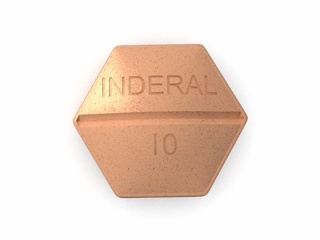


Inderal (Propranolol) — Patient-Friendly Guide (UK)
Inderal contains propranolol, a medicine that belongs to the group known as beta-blockers. It is used for a range of cardiovascular and other conditions. This guide explains what Inderal is, how it works, how it is usually taken, and important safety information for people in the UK.
Note: This information is designed to be helpful and easy to read. It does not replace advice from a healthcare professional.
Quick Facts
- Active ingredient: Propranolol
- Medicinal group: Beta-blocker
- Common forms: Usually tablets; some preparations may have different release profiles depending on product brand/strength.
- Typical uses: Heart-related conditions, certain rhythm problems, angina, tremor, and prevention of some migraine types (and other specialist uses depending on local guidance).
- Key cautions: Can lower heart rate and blood pressure; use special care in asthma/COPD, diabetes, and certain heart block conditions.
- Do not stop suddenly: Stopping abruptly can worsen angina or cause other problems.
Basic Product Information
Inderal is a brand name for propranolol. Propranolol works by blocking beta-adrenergic receptors in the body, which slows the heart and reduces the effects of stress hormones such as adrenaline.
In the UK, propranolol products may be supplied in different strengths and formulations. The exact dosing and timing depend on the condition being treated and the specific product you have been given.
| Feature | What it means for patients |
|---|---|
| Medicine name | Inderal (propranolol) |
| Type | Beta-blocker |
| How it acts | Slows heart rate, reduces force of contraction, and lowers adrenaline-related effects |
| How it’s used | Condition-specific dosing; commonly taken regularly during the day |
Mechanism of Action (How Inderal Works)
Propranolol is a non-selective beta-blocker, meaning it blocks both beta-1 and beta-2 receptors:
- Beta-1 effects (heart): Slows the heart rate, reduces the heart’s workload, and helps stabilise abnormal heart rhythms.
- Beta-2 effects (lungs and blood vessels): Can affect bronchi in the lungs and influence metabolic processes. This is why extra caution is needed in people with asthma or certain lung conditions.
- Stress response reduction: Helps reduce symptoms driven by adrenaline (e.g., tremor, palpitations, anxiety-like physical symptoms).
In many conditions, these actions translate into improved control of symptoms such as chest pain, heart palpitations, and tremor, or help prevent episodes such as migraine attacks.
Pharmacokinetics (How the Body Handles Propranolol)
Pharmacokinetics describes what the body does with a medicine—absorption, distribution, metabolism, and excretion.
- Absorption: Propranolol is absorbed from the gut, but absorption can vary between individuals.
- First-pass metabolism: A significant portion of propranolol is metabolised by the liver before it reaches the bloodstream. This contributes to variability in blood levels.
- Distribution: Propranolol spreads through the body and can cross into the brain, which may contribute to possible central side effects (for example, vivid dreams or sleep changes in some people).
- Metabolism: Primarily metabolised in the liver by enzymes that can be affected by other medicines and liver function.
- Elimination: Mainly cleared via the liver and excreted as metabolites (often in urine).
Why this matters: Because absorption and metabolism can vary, doctors choose dosing schedules carefully and may adjust treatment if side effects occur or if control is not achieved.
Typical Uses and Indications (What It Treats)
Propranolol is used for several indications. Exact suitability depends on your medical history and local prescribing guidance.
Cardiovascular indications
- Angina pectoris (to reduce frequency/severity of chest pain in many cases)
- Rate control in some rhythm disorders (where appropriate)
- After a heart attack (certain situations where beta-blockers are beneficial)
- Hypertension (less common as first choice in some modern pathways, but may still be used in selected patients)
Non-cardiovascular indications
- Essential tremor (often helps reduce tremor severity)
- Prevention of migraine in some patients (particularly where beta-blockers are recommended)
- Performance-related symptoms (e.g., physical tremor/palpitations in some situations), as advised by clinicians
Important: Indications can vary by local guidance, product formulation, and patient factors. Your prescriber or pharmacist can confirm why Inderal is being used for you.
How to Take Inderal: Timing and Dosing
Dosing is condition-specific. The safest approach is to follow the dosing instructions provided with your medicine and any instructions given by your healthcare team.
Typical dosing principles (general)
- Start low and increase gradually: Many people begin with a lower dose to reduce side effects such as dizziness or fatigue.
- Regular dosing: Propranolol is often taken multiple times per day depending on formulation and indication.
- Consistency matters: Try to take doses at similar times each day.
- Do not miss doses repeatedly: If you miss a dose, take it when you remember unless it’s nearly time for the next dose—then skip the missed dose.
Example timing patterns (for common immediate-release regimens)
Many propranolol tablet regimens are taken 2 to 3 times daily. An example schedule might be:
- Morning (e.g., 8–9am)
- Afternoon/evening (e.g., 2–4pm)
- Optional third dose if advised (e.g., early evening)
If you are taking a different formulation, the schedule may differ. Always follow your specific medicine instructions.
When to take with respect to meals
Many people can take propranolol with or without food. However, food may affect absorption and tolerance for some patients (see food interactions below).
Food Interactions (Can You Take Inderal With Food?)
In general, propranolol can be taken with or without food. Food can sometimes change the way the medicine is absorbed, and it may influence stomach comfort.
- If food upsets your stomach: Taking Inderal after food may improve tolerance.
- Choose a routine: Try to take it the same way each day (either always with meals or always without), unless advised otherwise.
- Grapefruit and similar fruit juices: Not as central as for some other drugs, but if you are taking medicines with known grapefruit interactions, it’s still wise to check with a pharmacist.
Practical tip: If you notice that symptoms worsen or side effects change around dose times, consider discussing timing with a pharmacist—sometimes spacing doses or taking with a light meal helps.
Alcohol and Medicine Interactions
Alcohol can increase certain side effects of beta-blockers, such as dizziness, drowsiness, and low blood pressure (especially when you stand up quickly).
- During treatment: Keep alcohol intake moderate and monitor how you feel.
- Avoid binge drinking: This can increase the risk of falls and fainting due to blood pressure changes.
- If you have low blood pressure or frequent dizziness: Alcohol may worsen symptoms.
Other interactions to consider:
- Medicines that lower blood pressure (e.g., some antihypertensives, nitrates): may increase dizziness.
- Medicines that slow heart rate (some rhythm medicines): may add to heart-rate slowing.
- Medicines affecting liver enzymes: can increase or decrease propranolol levels.
Your pharmacist can check a specific list of medicines you use (including inhalers, painkillers, and herbal products).
Other Medicine Interactions (Important Safety Checks)
Inderal can interact with a number of commonly used medicines and substances. Always tell your healthcare professional about all medicines you take, including:
- Other heart medicines
- Inhalers for asthma/COPD
- Diabetes medicines and blood glucose monitoring plans
- Antidepressants and anxiety medicines
- Anti-inflammatory painkillers
- Stimulants and some allergy/cold preparations
- Herbal supplements
Particular areas of concern
- Asthma/COPD: Because propranolol is non-selective, it may reduce the effect of certain asthma medicines or provoke breathing difficulties in susceptible people.
- Diabetes: Propranolol can mask some warning symptoms of hypoglycaemia (such as fast heartbeat and trembling), which can make low blood sugar harder to recognise.
- Heart conduction problems: If you have certain heart block conditions, propranolol may worsen slow heart rate.
- Withdrawal risk: Stopping suddenly can cause rebound effects—especially in people with angina or certain heart conditions.
If you’re starting, changing, or stopping any medicine, it’s a good idea to ask your pharmacist whether it affects propranolol or vice versa.
Safety Profile: Who Should Be Cautious?
Like all medicines, Inderal has potential side effects. Many people tolerate it well, but it’s important to know what to watch for.
Common side effects
- Fatigue, tiredness
- Dizziness or light-headedness (especially when standing up)
- Slow heart rate (bradycardia)
- Cold hands or feet
- Sleep disturbances or vivid dreams
- Nausea or stomach discomfort
Less common but important side effects
- Shortness of breath or wheezing (especially in people with asthma/COPD)
- Fainting (more likely if dose is too high or combined with other blood-pressure-lowering medicines)
- Worsening depression symptoms in susceptible individuals
- Sexual function changes (reported by some people)
- Unusual tiredness or weakness
Seek urgent medical help if you experience:
- Severe allergic reaction signs (e.g., swelling of face/lips, trouble breathing, widespread rash)
- Severe shortness of breath, wheezing, or difficulty breathing
- Chest pain that is new or significantly worse
- Fainting or near-fainting that does not quickly settle
- Signs of very low blood sugar in diabetes (confusion, sweating, shakiness, weakness)
Practical Use Tips (How to Get the Best Results)
- Monitor your pulse and blood pressure: If advised, check heart rate and blood pressure regularly, especially early in treatment or after dose changes.
- Stand up slowly: Dizziness can occur when changing position. Rising gradually can reduce light-headedness.
- Keep a symptom diary: Track chest pain episodes, tremor severity, migraine frequency, or episodes of palpitations—this helps clinicians adjust dosing effectively.
- Don’t stop suddenly: If you need to stop, doses should usually be reduced gradually under medical supervision.
- Be careful with driving or machinery: If you feel dizzy or unusually tired, avoid driving until you know how Inderal affects you.
- Tell dentists and surgeons: Beta-blockers can affect heart response during procedures.
- Carry information: Consider keeping a note in your wallet or phone listing that you take propranolol, particularly if you have medical conditions like diabetes or asthma.
Alternative Options (If Inderal Isn’t Suitable)
Depending on the condition being treated, there may be alternatives to propranolol. Options could include:
- Other beta-blockers (some are more beta-1 selective, which may be preferable for people with asthma—depending on clinical judgement)
- Calcium channel blockers for certain heart-rate and blood-pressure issues
- Other migraine prevention medicines (such as topiramate, amitriptyline, candesartan, or newer anti-CGRP options in appropriate cases)
- Primidone for essential tremor in some patients
- Lifestyle and non-drug measures (e.g., migraine triggers management, caffeine reduction, regular sleep patterns)
Your clinician will weigh benefits, side effects, comorbidities (like asthma or diabetes), and how well you respond to treatment.
Market and Legal Context in the UK
In the UK, Inderal (propranolol) is a licensed medicine with regulatory oversight. Medicines are supplied under the UK’s medicine regulation system and are marketed with information leaflets (patient information) approved by regulators.
Access may be affected by factors such as product availability, formulation changes, and medicine supply arrangements. Pharmacy staff can advise on substitute forms/strengths where appropriate.
Recent guidance and practice updates: UK prescribing and monitoring practices continue to emphasise:
- Individual risk assessment (asthma/COPD, diabetes, heart rhythm conditions)
- Appropriate monitoring of heart rate and blood pressure
- Gradual dose adjustments rather than abrupt changes
- Optimising overall cardiovascular risk management alongside medicines
For migraine and tremor, treatment choice may depend on updated local formularies and clinical pathways, as well as patient history and tolerability.
Delivery and Availability (UK)
Availability can vary by region and by the specific strength/formulation. Online pharmacies in the UK may:
- Hold stock for common strengths
- Source alternative strengths/forms if needed
- Provide delivery options such as tracked courier or standard delivery depending on service level
Delivery expectations: Times depend on supplier stock status, processing times, and your delivery address. If your item is temporarily unavailable, the pharmacy may contact you with options such as an alternative strength, similar formulation, or a delivery timeline.
How to prepare for delivery: Ensure your contact details are correct and you can receive the package during typical delivery hours.
FAQ
1) What is Inderal used for?
Inderal (propranolol) is used for conditions such as angina, certain heart rhythm/rate control needs, essential tremor, and prevention of migraine in selected patients. The exact reason you’re taking it depends on your diagnosis.
2) How quickly does Inderal work?
Some effects (like reduced palpitations or tremor) may be noticed relatively soon after starting, while benefits for prevention (such as migraine) may take longer to assess—often requiring several weeks.
3) Can I take Inderal if I have asthma?
Caution is needed. Because propranolol is non-selective, it may worsen breathing symptoms in some people. Discuss your asthma history with your healthcare professional before starting or continuing propranolol.
4) Will Inderal affect my pulse?
Yes. Inderal can lower heart rate. This may be expected and beneficial in certain conditions, but if you feel faint, extremely tired, or notice very slow heartbeats, seek medical advice promptly.
5) Can I stop Inderal suddenly?
No. Stopping suddenly can cause rebound symptoms, such as worsening chest pain or other problems. If discontinuation is planned, it should usually be reduced gradually under medical supervision.
6) Can I drink alcohol while taking Inderal?
Alcohol may increase dizziness or low blood pressure. If you drink, keep it moderate and pay attention to how you feel. Avoid heavy drinking, especially when you are adjusting to the medicine.
7) Can I take Inderal with food?
Often yes. Many people can take Inderal with or without food. Taking it after food may help with stomach comfort. Choose a consistent routine unless your pharmacist advises otherwise.
8) What if I miss a dose?
If you remember soon, take it. If it is nearly time for your next dose, skip the missed dose. Do not take double doses. If you are unsure, ask a pharmacist for advice based on your dosing schedule.
9) Are there interactions with common medicines?
Yes. Beta-blockers can interact with other medicines that affect the heart, blood pressure, lung function, or blood sugar awareness. Always check with a pharmacist, especially for other heart medicines, diabetes medicines, and certain cold/allergy products.
10) How can I minimise side effects?
Follow the prescribed dosing plan carefully, rise slowly from sitting/lying positions, and avoid sudden changes to other medications. If side effects persist or are severe, speak to your healthcare professional—dose adjustments may help.
References and Further Reading (For UK Patients)
For the most accurate and up-to-date information, check the patient information leaflet supplied with your product and the advice given by your pharmacist or clinician. In the UK, national guidance may also inform prescribing for heart conditions, migraine prevention, and tremor management.
If you have questions about your specific Inderal strength or formulation, contact a pharmacist who can help interpret your instructions.