

Avapro (Irbesartan) — Patient Information (UK)
Avapro is the brand name for irbesartan, a medicine used to treat high blood pressure and to help protect the kidneys in certain patients. This page explains how Avapro works, how it is usually taken, key safety information, and practical guidance to help you use your medicine confidently.
Important: This information is designed to support, not replace, advice from your healthcare professional. If you have any concerns about your treatment, speak to a doctor or pharmacist.
Quick Overview
- Active ingredient: Irbesartan
- Medicine type: Angiotensin II receptor blocker (ARB)
- Common uses in the UK: High blood pressure; kidney protection in certain people with diabetes
- Typical dosing frequency: Once daily
- How it is taken: Swallow tablets with water; with or without food
Basic Product Information
Avapro (irbesartan) belongs to a class of medicines called angiotensin II receptor blockers (ARBs). By blocking the action of angiotensin II, it helps relax blood vessels, lower blood pressure, and reduce stress on the heart and kidneys.
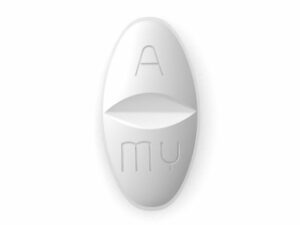
Irbesartan tablets are available in different strengths depending on local supply and prescriber preference. Your pharmacist can confirm the strength you have received.
How Avapro Works (Mechanism of Action)
In the body, the hormone angiotensin II helps control blood vessel tone and fluid balance. It can cause blood vessels to constrict and contributes to increased blood pressure.
Irbesartan blocks angiotensin II at the AT1 receptor. This leads to:
- Blood vessel relaxation (lower resistance)
- Reduced blood pressure
- Lower strain on the heart
- Kidney protection in certain patients, particularly where there is diabetic kidney disease
Because irbesartan reduces harmful effects of angiotensin II, it can also help reduce progression of kidney problems in selected groups.
Pharmacokinetics (How the Body Handles Irbesartan)
While individuals differ, understanding the general “journey” of the medicine can help you use it effectively.
| Feature | What it means for you |
|---|---|
| Absorption | Irbesartan is absorbed after you take it by mouth. Absorption is not significantly limited by food, though individual peak levels can vary. |
| Peak effect | The medicine reaches its highest concentration in the blood several hours after a dose. Blood pressure lowering builds over time rather than instantly. |
| Half-life | Irbesartan has a long duration of action, which is why it is commonly taken once daily. |
| Metabolism | It is processed in the liver. People with severe liver impairment may require additional monitoring or dose adjustment by a clinician. |
| Elimination | It leaves the body through both bile/feces and urine. The dosing approach may vary in kidney impairment. |
Practical takeaway: Many people notice lower blood pressure within the first couple of weeks, with stronger effects continuing over several weeks. Keep taking Avapro daily for best results, even if you feel well.
Typical Use in the UK
In the UK, Avapro (irbesartan) is used to:
- Treat high blood pressure (hypertension) to reduce the risk of complications such as stroke, heart disease, and kidney damage.
- Help protect the kidneys in people with diabetes who have certain types of kidney disease (for example, diabetic nephropathy with evidence of protein in the urine), especially when other treatments are not enough.
Your clinician will determine which indication applies to you based on your medical history, current kidney function, and blood test results.
Indications (When Avapro May Be Prescribed)
Avapro is indicated for:
- Essential hypertension (high blood pressure without a single identifiable cause)
- Renal protection in type 2 diabetes with kidney involvement (commonly described as diabetic nephropathy), typically where there is proteinuria and an elevated risk of kidney disease progression
How and When to Take Avapro (Timing)
Avapro is usually taken . The timing can be chosen based on what suits you, as long as you take it at roughly the same time each day.
- Choose a consistent time: Morning or evening—pick what helps you remember.
- Use with or without food: Food does not significantly affect overall absorption.
- Swallow tablets whole: Do not crush or split unless your pharmacist advises you to.
- If you miss a dose: Take it when you remember on the same day. If it is close to your next dose, skip the missed dose and resume your usual schedule. Avoid doubling up.
Blood pressure monitoring tip: If you have a home blood pressure monitor, track readings and bring results to appointments. It helps your clinician fine-tune treatment.
Food Interactions
There is generally no significant food interaction with irbesartan. You can take Avapro with or without meals.
However, the following can affect overall blood pressure control and kidney health, indirectly:
- High salt intake: may reduce the effectiveness of blood pressure medicines.
- Very high fluid balance changes: extreme dehydration (e.g., from vomiting/diarrhoea) can increase risk of kidney strain with medicines affecting the renin-angiotensin system.
Alcohol and Medicine Interactions
Alcohol can lower blood pressure and may increase dizziness, especially when you start treatment or increase the dose. If you drink alcohol, consider:
- Starting with smaller amounts and see how you feel.
- Avoiding binge drinking.
- Being cautious when standing up quickly.
Important interaction principle: The biggest interaction risks for irbesartan involve medicines that affect kidney function, potassium levels, or blood pressure—particularly when combined.
Medicine Interactions (Important Safety Notes)
Always tell your doctor or pharmacist about all medicines you use, including over-the-counter products and herbal supplements. The following categories are commonly relevant with irbesartan:
- Potassium-raising medicines or supplements
- Examples: potassium supplements, potassium-sparing diuretics (such as spironolactone or amiloride), salt substitutes containing potassium
- Risk: high potassium (hyperkalaemia), which can be dangerous.
- Non-steroidal anti-inflammatory drugs (NSAIDs)
- Examples: ibuprofen, naproxen, diclofenac
- Risk: NSAIDs can reduce kidney blood flow; combined with ARBs may increase risk of kidney problems, especially in older adults or dehydrated people.
- Other blood pressure medicines
- Combination therapy can be appropriate, but it may increase risk of low blood pressure (dizziness or fainting), particularly when starting or adjusting doses.
- Diuretics (“water tablets”)
- Especially “loop” or “thiazide” diuretics can change fluid balance. Your clinician may monitor kidney function and potassium.
- Medicines affecting the renin-angiotensin system
- Combining an ARB with an ACE inhibitor (another blood pressure medicine) or with other agents targeting this pathway is usually not routine due to higher risk of kidney issues and high potassium. Your clinician decides on any combination.
Herbal supplements: Some products may affect blood pressure or electrolytes. Ask a pharmacist if you’re unsure.
Dosing (How Much Is Usually Taken)
Dose depends on the condition being treated, your kidney function, blood pressure response, and tolerance. Typical patterns in clinical practice are described below.
| Condition | Typical approach (general information) |
|---|---|
| High blood pressure | Often started at a lower daily dose and adjusted based on blood pressure readings. Many patients are managed with once-daily dosing. |
| Kidney protection in type 2 diabetes with kidney disease | Often started and adjusted based on overall treatment plan, with regular checks of kidney function and urine markers. |
Do not change your dose yourself. Your clinician may increase or decrease your dose after reviewing blood pressure and blood test results (kidney function and potassium).
Missed dose reminder: If you miss a dose, take it when you remember unless it is near the time for your next dose. Do not take a double dose to make up for the missed tablet.
Safety Profile (Who Should Be Careful)
Most people tolerate irbesartan well, but like all medicines it can cause side effects. Some effects are predictable and can be managed by monitoring.
Common side effects
- Dizziness, especially when standing (more likely at the start of therapy or after a dose change)
- Fatigue
- Headache
Serious but less common risks
- Low blood pressure (hypotension): may cause fainting or light-headedness, particularly with dehydration or other blood pressure medicines.
- High potassium (hyperkalaemia): symptoms can be subtle, so blood tests are important; severe hyperkalaemia can affect heart rhythm.
- Kidney function changes: monitoring is important, especially if you have pre-existing kidney problems, are dehydrated, or are taking NSAIDs.
- Allergic reactions: seek urgent help if you develop swelling of the face/lips, difficulty breathing, or widespread rash.
When Avapro may not be suitable
Seek medical guidance if any of the following apply:
- Pregnancy: ARBs can harm the developing baby. Alternative treatment is required during pregnancy.
- Breastfeeding: discuss suitability with a healthcare professional.
- Severe kidney artery narrowing or severe kidney impairment: may require careful monitoring.
- History of high potassium or conditions that increase potassium (e.g., certain kidney problems, use of potassium supplements).
Urgent advice: If you develop severe dizziness, fainting, reduced urination, or signs of allergic reaction, contact urgent medical services or your local emergency provider.
Practical Use Tips (Getting the Best Results)
- Take it every day: Consistency matters more than timing.
- Stand up slowly: If dizziness occurs, rise gradually from sitting/lying positions.
- Stay hydrated appropriately: Avoid dehydration. If you have vomiting or diarrhoea, seek advice—your clinician may temporarily adjust treatment.
- Attend blood test monitoring: Kidney function and potassium may be checked after starting, changing dose, or when other medicines are added.
- Keep a blood pressure diary: Helps your team understand response over time.
- Review your painkillers: Frequent NSAID use can affect kidney health. Ask your pharmacist what to use instead if you need pain relief.
What to Expect (Effect Timeline)
When you start Avapro, it usually works gradually:
- Early changes: Some blood pressure lowering may occur within days.
- More noticeable effect: Often within 2–4 weeks.
- Full benefit: May take several weeks, particularly after dose adjustments.
If your readings remain high, do not stop the medicine—contact your clinician. Treatment may need adjustment or combination therapy.
Alternative Options (If Avapro Isn’t Right)
High blood pressure and diabetic kidney protection can be treated with several medicine types. Alternatives may include:
- ACE inhibitors (e.g., ramipril, lisinopril): another pathway to reduce angiotensin effects.
- Other ARBs (e.g., losartan, valsartan, telmisartan): similar mechanism, different dosing profiles.
- Calcium channel blockers (e.g., amlodipine): often used for blood pressure control.
- Thiazide-like diuretics (e.g., indapamide): may be used in combination.
- Beta blockers (e.g., bisoprolol): more common when there are specific heart conditions.
Your clinician will choose the alternative that best matches your overall health profile, kidney function, and the reason you’re taking the medicine.
Market and Legal Context in the United Kingdom (UK)
In the UK, medicines like Avapro are regulated under UK medicines legislation. Availability may be influenced by:
- Licensing and product format: marketing authorisation status and tablet strengths available.
- Supply considerations: manufacturing capacity, distribution routes, and pharmacy stock levels.
- Clinical guidelines: local and national recommendations for hypertension and diabetic kidney disease management.
Healthcare professionals use evidence-based guidelines from the NHS and professional bodies to guide selection and monitoring. Pharmacy supply follows the appropriate regulatory requirements for controlled distribution where applicable (this product is not classified as an opioid or similar controlled medicine).
Recent Guidance and Monitoring (General Overview)
Ongoing UK clinical practice emphasises careful monitoring for ARBs due to their effects on kidney function and potassium levels. This includes:
- Blood tests for kidney function (creatinine/eGFR) and potassium—particularly after initiating treatment or changing dose.
- Review of interacting medicines such as NSAIDs and potassium supplements.
- Extra caution during illness (e.g., vomiting/diarrhoea) where dehydration can increase risk. Some “sick day” approaches recommend temporarily pausing certain medicines, but the exact plan should be confirmed with your clinician.
If you have diabetes, chronic kidney disease, or are taking multiple medicines, your healthcare team may monitor more closely.
Delivery and Availability (UK Pharmacy Information)
Availability of Avapro (irbesartan) can vary by tablet strength and local stock. Online pharmacies may offer:
- Multiple strengths depending on supply
- Delivery options such as standard and express, depending on location and order volume
- Packaging and batch tracking to support safe distribution
Delivery times vary by carrier and area. Your online order confirmation typically includes an estimated delivery window. If an item is temporarily out of stock, the pharmacy may offer an alternative arrangement in line with UK regulations and supplier availability.
Frequently Asked Questions (FAQ)
1) What is Avapro used for?
Avapro (irbesartan) is used to treat high blood pressure. It may also be used to help protect the kidneys in people with type 2 diabetes who have signs of kidney involvement, as determined by your clinician.
2) How quickly does Avapro lower blood pressure?
Some reduction may occur within days, but the more noticeable and best effect often develops over 2–4 weeks. Full benefit can take longer, particularly after dose changes. Continue taking it daily unless advised otherwise.
3) Can I take Avapro with food?
Yes. Avapro can be taken with or without food.
4) What time of day should I take it?
Take it once daily at a time that suits you. Morning or evening are both acceptable for most people. Choose a routine time to improve adherence.
5) Will I feel side effects?
Many people have no noticeable side effects. Some may experience dizziness or tiredness, particularly at the start. If you feel faint, seek medical advice promptly.
6) Are there any interactions with painkillers?
NSAIDs (such as ibuprofen or naproxen) can affect kidney function, especially when used frequently. If you need pain relief regularly, ask your pharmacist what is safest for you.
7) Can I drink alcohol while taking Avapro?
Alcohol may increase the likelihood of dizziness or low blood pressure. If you drink, do so moderately and monitor how you feel—especially after starting treatment or increasing the dose.
8) What blood tests might I need?
Your clinician may monitor kidney function and potassium levels, especially after starting or changing dose, and if you become ill or add other medicines.
9) What should I do if I miss a dose?
Take it when you remember on the same day. If it is almost time for the next dose, skip the missed dose and continue as normal. Do not take a double dose.
10) Who should avoid Avapro or use extra caution?
Extra caution is needed if you have kidney artery narrowing, severe kidney impairment, high potassium, or if you are pregnant or planning pregnancy. Discuss suitability with your healthcare professional.
Need Help Choosing the Right Option?
If you are unsure about how to take Avapro, what side effects to watch for, or whether any of your current medicines could interact, you can speak to a qualified healthcare professional or pharmacist. They can review your medical history and help tailor advice to your situation.
Remember: Effective blood pressure control is a long-term goal—taking Avapro consistently and attending recommended monitoring appointments supports safer, more effective treatment.