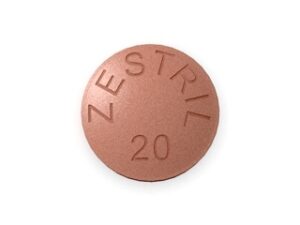


Zestoretic (Lisinopril / Hydrochlorothiazide) — Patient Information (UK)
Zestoretic is a combination medicine used to help control high blood pressure and, in some people, reduce the strain on the heart. It contains two active ingredients: lisinopril (an ACE inhibitor) and hydrochlorothiazide (a thiazide diuretic “water tablet”).
This page explains what Zestoretic does, how it works, how it’s usually taken, key safety information, and practical tips for living with treatment in the United Kingdom.
Basic product information
| Feature | Details |
|---|---|
| Brand name | Zestoretic |
| Active ingredients | Lisinopril + Hydrochlorothiazide |
| Medicine type | ACE inhibitor + thiazide diuretic combination |
| Typical uses | High blood pressure (hypertension); sometimes used in combination regimens as advised by a clinician |
| Availability in the UK | Supplied via UK medicine supply channels through authorised pharmacies |
Strengths can vary depending on the specific product presentation. Always check the strength on your medicine pack and follow the directions provided for your particular tablets.
How Zestoretic works (mechanism of action)
Zestoretic contains two medicines that work in complementary ways to lower blood pressure:
- Lisinopril (ACE inhibitor): helps relax blood vessels by reducing production of angiotensin II, a substance that narrows blood vessels. It also reduces the body’s tendency to retain salt and water and may improve the heart’s efficiency over time.
- Hydrochlorothiazide (thiazide diuretic): helps the kidneys remove excess salt and water, reducing blood volume and therefore lowering blood pressure. It can also help prevent fluid retention.
Because both components lower blood pressure through different mechanisms, the combination may be more effective than either medicine alone for some people.
Pharmacokinetics: what the body does to the medicine
“Pharmacokinetics” describes how the body absorbs, distributes, metabolises, and eliminates medicine. While individual responses vary, the main points for Zestoretic are:
- Lisinopril: is absorbed after oral dosing and is largely eliminated by the kidneys. It does not usually undergo extensive metabolism in the body.
- Hydrochlorothiazide: is also absorbed from the gut and is eliminated primarily by the kidneys. Its effect on salt and water balance contributes to its blood-pressure lowering action.
- Kidney function matters: because both ingredients rely on renal elimination, reduced kidney function can increase exposure to the medicines and may require dose adjustment or closer monitoring.
Your clinician may check blood tests (kidney function and electrolytes such as potassium and sodium) before and during treatment.
Typical use and indications
Zestoretic is used to treat:
- Hypertension (high blood pressure)—particularly when a single medicine is not sufficient.
- Ongoing blood pressure control when an ACE inhibitor and a thiazide diuretic are both appropriate parts of the treatment plan.
The exact indication and suitability depend on your health history, blood test results, and other medicines you take.
When and how to take Zestoretic (timing)
Many people take Zestoretic . The best time of day can depend on how you respond to the diuretic (hydrochlorothiazide), which may increase urination early after dosing.
- Choose a consistent time each day to maintain stable blood levels.
- If you notice frequent urination after taking the tablet, taking it in the morning can reduce disruption at night.
- If your clinician has given specific instructions, follow those first.
How to take: Swallow the tablet with water. You may take it with or without food (see “Food interactions” for more). If you miss a dose, take it when you remember unless it is close to the next dose; do not take a double dose.
Food interactions and lifestyle considerations
In general, Zestoretic can be taken with or without food. Food usually does not significantly change how the medicines act.
However, consider these lifestyle points:
- Salt (sodium) intake: Reducing excess salt in your diet may enhance blood-pressure control.
- Hydration: Drink adequate fluids unless you have been told to restrict fluids. Overly low intake during hot weather or illness can increase the risk of side effects like dizziness or kidney strain.
- Potassium intake: Because lisinopril can increase potassium and hydrochlorothiazide can decrease it, the net effect is variable. Avoid high-dose potassium supplements or salt substitutes unless specifically advised.
Alcohol and medicine interactions
Alcohol: Alcohol may increase the blood-pressure-lowering effect of Zestoretic and can worsen side effects such as dizziness, light-headedness, and faintness—especially when standing up quickly. If you choose to drink, keep to sensible amounts and consider discussing with your clinician if you feel unwell after alcohol.
Medicine interactions: Zestoretic can interact with other medicines that affect blood pressure, kidney function, potassium levels, or fluid balance. Important categories include:
- Other blood-pressure medicines (including nitrates): may increase the risk of low blood pressure.
- Non-steroidal anti-inflammatory drugs (NSAIDs) such as ibuprofen, diclofenac, and naproxen: can reduce kidney function and affect blood-pressure control, especially with ongoing use. If you need pain relief regularly, ask a pharmacist or clinician for the safest option.
- Potassium supplements or potassium-containing salt substitutes: may raise potassium too high in some people.
- Diuretics and “water tablets” (other than hydrochlorothiazide): can add to fluid/electrolyte changes.
- Lithium: ACE inhibitors can raise lithium levels and increase toxicity risk; this combination requires close monitoring or should be avoided.
- Diabetes medicines: thiazides can affect blood sugar. Dose changes may be needed depending on your readings.
- Gout medicines (e.g., allopurinol): hydrochlorothiazide can raise uric acid, potentially worsening gout in some people.
- Other medicines affecting electrolytes (e.g., some laxatives or steroids): can influence potassium or sodium levels.
- Dual ACE inhibitor/ARB combinations are generally avoided unless specifically directed, due to higher risks of kidney problems and high potassium.
Always provide a full list of your medicines (including over-the-counter products and herbal supplements) to your healthcare team.
Dosing: how much and how it’s adjusted
The dose depends on your current blood pressure, medical history, kidney function, and how you respond to treatment. Zestoretic is typically used when an ACE inhibitor and a thiazide diuretic are both needed.
- Start dose: commonly once daily, at a strength suitable for your situation.
- Titration (dose adjustment): may occur after evaluation of blood pressure response and blood test results.
- Kidney function: reduced kidney function may require adjustment and closer monitoring.
Do not change your dose without medical advice. If you feel side effects are too strong or your blood pressure is too low or too high, seek guidance rather than stopping abruptly.
Safety profile: important risks and who needs extra care
Most people tolerate Zestoretic well, but like all medicines it can cause side effects. Some are mild, while others require urgent medical attention.
Common or expected side effects
- Dizziness, especially when starting treatment or when standing up
- Headache
- Dry cough (more typical of ACE inhibitors)
- Increased urination (often soon after dosing)
- Fatigue
- Light-headedness or feeling “off”
Less common but important side effects
- Electrolyte changes such as low sodium, low potassium, or high potassium (varies by individual and may change during treatment)
- Kidney function changes, particularly in people with existing kidney disease, dehydration, or certain interacting medicines
- Rash or skin reactions
- Changes in blood sugar or uric acid (relevant for diabetes and gout)
Seek urgent help if you experience
- Signs of angioedema: swelling of the face, lips, tongue, or throat; difficulty breathing or swallowing. This is a medical emergency.
- Severe allergic reaction or widespread rash with breathing difficulty.
- Fainting or severe dizziness that does not improve.
- Signs of severe dehydration (e.g., persistent vomiting/diarrhoea with weakness and reduced urine output).
- Yellowing of the skin/eyes or severe abdominal pain (rare but serious liver-related symptoms).
Who needs extra monitoring
Your clinician may monitor you more closely if you have any of the following:
- Kidney disease or reduced kidney function
- Low blood pressure or risk of dehydration
- Heart failure
- History of high potassium or use of medicines that raise potassium
- Diabetes
- History of gout
- Older age (because side effects like dizziness and dehydration can be more likely)
Pregnancy and breastfeeding: ACE inhibitors are generally not suitable in pregnancy. If you are planning a pregnancy, currently pregnant, or breastfeeding, seek timely advice from your healthcare team about safe alternatives.
Practical use tips (to get the best results safely)
- Check your blood pressure if advised. Home monitoring can help identify if doses need adjusting.
- Stay consistent with timing. A regular daily schedule improves control.
- Be cautious when standing up in the first days of treatment, after dose changes, or if you’ve been unwell.
- Know your baseline tests. Ask what your latest kidney function and electrolyte results were (especially potassium).
- Hydration during illness: If you have vomiting/diarrhoea, fever, or can’t drink normally, contact a clinician promptly. Sometimes temporary medicine review is needed to protect kidney function.
- Do not use potassium salt substitutes without advice. They may not be safe with ACE inhibitors.
- Report a persistent dry cough. It’s a common ACE-inhibitor effect and can be managed or alternative treatment considered if needed.
Alternative options (if Zestoretic isn’t right)
Alternatives depend on why you’re taking Zestoretic and your personal medical history. Options can include:
- ACE inhibitor alone (e.g., lisinopril or another ACE inhibitor), if a diuretic is not suitable.
- ARB (angiotensin receptor blocker) plus thiazide—an alternative combination if ACE-inhibitor cough or other issues occur (subject to clinical suitability).
- Other diuretics or different “water tablet” combinations, depending on kidney function and electrolyte balance.
- Non-combination strategies (using two separate tablets) when flexible dose adjustment is needed.
A healthcare professional can recommend the most appropriate alternative based on your blood pressure readings, kidney function, and tolerability.
Pharmacy and delivery/availability in the UK
Zestoretic availability in the UK depends on strength, packaging, and local supply. Online pharmacies can typically help arrange timely access to medicines through authorised distribution channels.
When ordering, ensure:
- The strength matches what you have been prescribed or instructed to use.
- Your delivery address is correct and someone can receive the parcel if required.
- Check expected delivery times at checkout.
- Store tablets as directed on the packaging (usually at room temperature, away from excess heat and moisture).
Market and legal context in the UK
In the UK, medicines are regulated to support quality, safety, and appropriate use. Zestoretic is supplied through pharmacy supply networks and is subject to UK medicines legislation and pharmacy standards.
Pharmacies and online services must follow relevant UK regulations, including rules around information provision, safe supply, and handling of medicines.
If you’re unsure about your specific supply status, strength, or how your order is processed, contact the pharmacy’s customer support for clarification.
Recent guidance and monitoring considerations
Ongoing UK practice commonly emphasises:
- Regular blood tests to monitor kidney function and electrolytes when using ACE inhibitors and diuretics.
- Review of interacting medicines (especially NSAIDs, potassium supplements, and other drugs that affect kidney function).
- Patient safety “sick day” awareness: seeking medical advice during illness that causes dehydration (such as gastroenteritis) to reduce kidney risk.
- Blood-pressure targets and cardiovascular risk being individualised based on age, comorbidities, and tolerance.
Your own clinician may follow local NHS or specialist guidance for frequency of monitoring and dose adjustments.
FAQ
1) How long does Zestoretic take to work?
You may notice blood-pressure lowering within the first days, but full benefit is often assessed over several weeks. If your dose has recently changed, give it time while ensuring you feel well.
2) What should I do if I miss a dose?
Take it when you remember on the same day. If it’s nearly time for your next dose, skip the missed dose and continue as normal. Do not take a double dose to make up for a missed tablet.
3) Can I take Zestoretic with food?
Yes. Zestoretic can usually be taken with or without food. If the tablets upset your stomach, taking them with a meal may help.
4) Does Zestoretic cause a cough?
A dry, persistent cough can occur with ACE inhibitors like lisinopril. If the cough is bothersome, discuss it with a clinician—alternatives may be considered.
5) Will Zestoretic affect my potassium levels?
It can. Lisinopril can raise potassium, while hydrochlorothiazide can lower it. Net effects vary, which is why blood tests are important. Avoid potassium supplements or salt substitutes unless your healthcare team advises them.
6) Is it safe to drink alcohol while taking Zestoretic?
Alcohol may increase dizziness or low blood pressure. If you drink, keep to moderate amounts and be cautious—especially when you first start treatment or after dose changes.
7) Can I take ibuprofen or other painkillers?
Occasional use may be acceptable for some people, but frequent NSAID use can increase kidney risk and reduce blood-pressure control. If you need regular pain relief, ask a pharmacist for the safest option for you.
8) What if I feel dizzy when standing up?
Sit or lie down until you feel better. Dizziness can be more likely when starting treatment or changing dose. Contact your clinician if it’s frequent or severe. Avoid sudden position changes and ensure you’re well-hydrated.
9) What monitoring will I need?
Common monitoring includes blood tests for kidney function and electrolytes (especially potassium and sodium), and blood-pressure checks. Your clinician will advise how often.
10) Are there any situations where I should seek urgent help?
Yes—especially if you develop swelling of the face/lips/tongue, breathing difficulties, or symptoms of severe allergy (angioedema). Also seek urgent advice for fainting, severe dehydration, or severe weakness.
Important: This information is intended to support safe understanding of Zestoretic. It does not replace personalised medical advice. If you have questions about suitability, interactions, or your specific dose, speak to a pharmacist or clinician.