

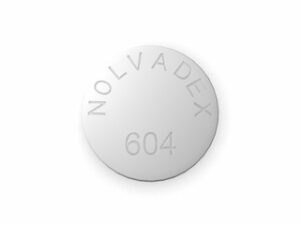

Ondansetron (Anti-sickness medicine) — Patient Guide (UK)
Ondansetron is a well-known medicine used to help control nausea and vomiting. It belongs to a group of medicines called antiemetics. In the United Kingdom (UK), ondansetron is used in a range of situations—commonly to manage sickness after certain treatments, and for nausea related to medical conditions.
This guide explains how ondansetron works, when it’s typically used, how to take it safely, and what to expect. It also covers important interactions, safety information, and practical tips.
Basic product information
| Topic | Details |
|---|---|
| Active ingredient | Ondansetron |
| Medicine type | Antiemetic (anti-nausea/anti-vomiting) |
| Common dosage forms | Tablets, orodispersible tablets (where available), injection (in clinical settings) |
| How it helps | Blocks signals that trigger nausea and vomiting |
| Typical onset | Often within 30–60 minutes (may vary) |
How ondansetron works (mechanism of action)
Ondansetron works by blocking a substance in the body called serotonin (5‑HT3). When serotonin is released in the gut and other areas of the body, it can activate nerve pathways that lead to nausea and vomiting.
By selectively blocking the 5‑HT3 receptors, ondansetron helps reduce the “message” that causes vomiting. This makes it effective for nausea and vomiting triggered by different causes, including medication and treatments.
Pharmacokinetics: how the body processes ondansetron
Pharmacokinetics explains what happens after you take a dose—absorption, distribution, metabolism, and elimination. While individual experiences can vary, the following points are broadly applicable:
- Absorption: Ondansetron is absorbed after oral dosing (tablets/orodispersible tablets). Food may not significantly reduce absorption, but it can affect how quickly you feel relief.
- Metabolism: The medicine is mainly processed by the liver via enzymes. This matters for drug interactions and liver impairment.
- Elimination: Most of the medicine and its metabolites are cleared from the body through the kidneys.
- Half-life: The medication’s effects last for several hours, with levels gradually reducing over time. Dosing schedules are designed to maintain symptom control.
Typical uses (indications) in the UK
Ondansetron is used to treat or prevent nausea and vomiting in a range of clinical settings. The most common UK use cases include:
- Prevention of nausea and vomiting after surgery (post-operative nausea and vomiting).
- Prevention of chemotherapy-related nausea and vomiting (a doctor or specialist may choose ondansetron as part of an anti-nausea regimen).
- Treatment of nausea and vomiting associated with acute gastroenteritis (in some circumstances).
- Nausea and vomiting related to other medical conditions where antiemetic treatment is appropriate.
- Use in certain emergency/clinical care settings (often as an injection where appropriate).
How ondansetron is used can depend on age, the cause of sickness, and the presence of other health conditions. Always follow the instructions provided with your particular product.
When to take ondansetron: timing guidance
Timing depends on why you’re taking the medicine:
- To prevent sickness (e.g., planned treatment or procedure): Take it before the trigger when advised. Many regimens aim for symptom control before nausea starts.
- To treat ongoing nausea/vomiting: Take as directed when symptoms begin. If vomiting occurs shortly after a dose, absorption may be reduced—follow your clinician’s or product instructions for next steps.
- Spreading doses: Typical schedules are spaced through the day to maintain effect without exceeding the maximum recommended daily dose.
If you are unsure about timing for your situation, check the packaging instructions or ask a pharmacist.
Dosing: what adults and children typically require
Dosing should be tailored to the individual, and it varies by indication, age, and health status (including liver function). The information below is a patient-friendly overview; always use your product’s directions or professional advice.
Adults (general)
- A common adult dose range is 8 mg, often up to three times a day in some regimens, but local instructions may differ.
- The maximum daily dose can vary based on formulation and clinical context. Do not exceed the dose on your package or prescribed instructions.
Children and adolescents
Dosing in children is often based on weight and the clinical reason for use. Because children metabolise medicines differently, you should use a dosing plan specifically intended for paediatric use.
- Use only the strength and form intended for your child’s age/weight as instructed.
- Check that the product is appropriate for children and that the dose is calculated correctly.
People with liver or kidney problems
- If you have liver impairment, your dose may need adjustment.
- If you have significant kidney impairment, dosing may also require modification.
Tip: If you are taking other medicines or have chronic health conditions, it’s especially important to check the dose instructions carefully.
Food interactions: what you should know
Ondansetron can often be taken with or without food. Food is not usually a major problem for safety, but it may influence how quickly you notice symptom relief.
- If nausea is affecting your appetite, taking it with a small snack can be easier for some people.
- If you’re actively vomiting, the ability to absorb a tablet can be reduced. Follow your product directions—some people prefer an orodispersible formulation if available.
- Avoid heavy meals right before taking the medicine if you tend to feel worse after eating.
Hydration matters: If you are vomiting, consider sipping fluids (e.g., water or oral rehydration solution). Ondansetron helps nausea, but it doesn’t replace the need for fluids.
Alcohol interactions: can you drink while taking ondansetron?
Moderate alcohol intake may not directly interact in a way that is well-known to be dangerous for everyone, but alcohol can worsen nausea and can contribute to dehydration—particularly if you’re unwell.
- If you’re using ondansetron because you’re already vomiting or feeling sick, it’s best to avoid alcohol until you’re improving.
- If you do drink, keep it minimal and monitor how you feel.
- Alcohol can also increase the risk of falls or drowsiness when combined with other medicines that affect the nervous system.
Medicine interactions: important combinations
Ondansetron can interact with other medicines. Some interactions are about how ondansetron is metabolised, while others relate to heart rhythm.
Medicines that may affect heart rhythm (QT prolongation)
Ondansetron may affect the heart’s electrical activity, which can prolong the QT interval in some people. This risk can increase when combined with other medicines that also affect QT.
- Examples include certain antibiotics (e.g., some macrolides, fluoroquinolones), some antipsychotics, and some antidepressants.
- Some people are at higher risk if they have existing heart rhythm problems, low potassium/magnesium, or significant electrolyte disturbances.
Medicines that influence metabolism
Ondansetron is processed in the liver using enzymes that can be influenced by other medicines. Certain drugs may raise or lower ondansetron levels.
- Enzyme inducers may reduce ondansetron effectiveness.
- Inhibitors may increase ondansetron levels and potentially increase side effects.
Action to take: Tell a pharmacist about all medicines you take, including over-the-counter products and herbal supplements.
Electrolyte disturbances
If vomiting or diarrhoea has caused dehydration or reduced electrolytes, this can influence heart rhythm risk. Ondansetron may still be appropriate, but it’s important to restore fluids and electrolytes.
Safety profile: side effects and when to seek help
Like all medicines, ondansetron can cause side effects. Many people have no problems or experience mild, temporary effects. Below is a patient-friendly summary.
Common or mild side effects
- Headache
- Constipation (particularly relevant if you’re already struggling with bowel movements)
- Dizziness
- Feeling warm/flushed or mild changes in blood pressure (less commonly noticed)
Less common but important side effects
- Allergic reactions (e.g., rash, itching, swelling of face/lips, breathing difficulty)
- Abnormal heart rhythm symptoms (e.g., palpitations, fainting, severe dizziness)
- Serious skin reactions (rare, but seek urgent care if blistering or widespread rash occurs)
Seek urgent medical advice if
- You develop signs of a serious allergic reaction (swelling of face/throat, difficulty breathing).
- You faint, have severe dizziness, chest pain, or a very fast/irregular heartbeat.
- Your symptoms are severe, you cannot keep fluids down, or you show signs of dehydration (very dry mouth, minimal urine, extreme weakness).
Driving and operating machinery
Ondansetron is not typically described as causing heavy sedation, but dizziness can occur. If you feel dizzy or unwell, avoid driving and operating machinery until you feel safe.
Practical use tips (how to get the best results)
- Start early when appropriate: If you’re taking it to prevent nausea around a planned trigger, timing can matter.
- Hydrate: If vomiting is present, focus on small frequent sips of fluid or oral rehydration solution.
- Choose easy-to-tolerate foods: Once nausea eases, start with bland foods (e.g., toast, crackers, rice, bananas).
- Manage constipation: If constipation occurs, drink fluids, consider dietary fibre, and ask a pharmacist for advice.
- Keep track of doses: Use the dosing schedule on the packaging and set reminders if needed.
- Don’t mix with similar anti-nausea medicines: If you’re already using another antiemetic, check compatibility with a pharmacist.
Alternative options for nausea and vomiting
Depending on the cause and severity of symptoms, alternatives may include other antiemetics and supportive measures. Your best option depends on your medical history and the likely cause of nausea.
Common alternatives (examples)
- Metoclopramide (used for certain causes of nausea; not suitable for everyone)
- Prochlorperazine (may be used in some cases)
- Domperidone (may be considered depending on local guidance and suitability)
- Oral rehydration and supportive care for gastroenteritis-related vomiting
Each option has its own benefits and risks. For example, some alternatives may have different side effects or interaction profiles. A pharmacist can help you compare suitability.
UK market and legal context (availability and guidance)
In the UK, ondansetron availability and how it is supplied can depend on the product strength/formulation and current regulatory status. Some presentations may be available through specific pharmacy routes, while others are typically used in clinical settings.
As medicines and advice can change over time, it’s important to rely on the instructions and information provided with your product and to check current UK guidance from relevant health authorities.
Recent guidance and clinical awareness
Recent clinical discussions have continued to focus on:
- Appropriate use—matching ondansetron to the cause of nausea and avoiding unnecessary repetition.
- Heart rhythm precautions—especially when patients have risk factors or take interacting medicines.
- Special population caution—including older adults, people with electrolyte imbalance, and those with liver impairment.
If you have risk factors (e.g., existing QT prolongation, low potassium or magnesium, significant heart disease), ask a pharmacist whether ondansetron is appropriate for your situation and what precautions to take.
Delivery and availability (online pharmacy)
Our online pharmacy aims to make ondansetron easy to order while maintaining safe supply. Availability can vary depending on formulation and current pharmacy stock levels.
- Processing: Orders are typically processed promptly during working hours.
- Delivery: Delivery time depends on the service selected at checkout and postcode.
- Packaging: Medicines are dispatched in appropriate packaging to protect the product and include patient information.
- Contact: If there are questions about suitability or stock, customer service may contact you before dispatch.
For the fastest route, ensure your details are correct at checkout and review the dosage form and strength you are ordering.
Safety checklist before you start (quick reference)
- Do you have any known heart rhythm problems or a history of QT prolongation?
- Are you taking medicines that can affect heart rhythm?
- Do you have liver impairment or severe kidney impairment?
- Are you currently vomiting/diarrhoea causing dehydration or low electrolytes?
- Are you pregnant, breastfeeding, or caring for a child taking ondansetron?
- Do you have allergies to ondansetron or related medicines?
If you answer “yes” to any of these, speaking to a pharmacist before taking ondansetron is strongly recommended.
FAQ
Is ondansetron suitable for everyone?
Not necessarily. Suitability depends on your medical history, age, cause of nausea/vomiting, and other medicines you take. People with certain heart conditions or those taking interacting medicines may need extra caution or an alternative.
How quickly does ondansetron work?
Many people feel symptom relief within about 30–60 minutes after taking an oral dose, though timing can vary. If vomiting occurs soon after dosing, absorption may be reduced.
Can I take ondansetron with food?
Often yes. Food usually does not stop ondansetron working, but if nausea is severe, a small snack may be easier than a large meal.
What should I do if I vomit after taking ondansetron?
If you vomit shortly after taking a tablet, you may not have absorbed the dose. Follow the instructions on your product packaging or speak to a pharmacist for specific guidance on whether to repeat a dose.
Can I drink alcohol while using ondansetron?
It’s best to avoid alcohol while you’re unwell or actively vomiting. Alcohol can worsen nausea and increase dehydration risk. If you choose to drink, keep it minimal and ensure you can tolerate fluids.
Does ondansetron cause constipation?
Constipation can occur. If it happens, increase fluids, consider gentle dietary fibre, and ask a pharmacist if you need further advice. Seek medical help if constipation becomes severe or accompanied by severe abdominal pain.
Are there warning signs that mean I should get medical help?
Yes. Seek urgent help if you have signs of serious allergy (swelling, breathing difficulty), fainting, severe dizziness, chest pain, or persistent vomiting with dehydration symptoms.
What if ondansetron doesn’t stop the vomiting?
If ondansetron does not control vomiting, you may need a different approach, particularly if there is dehydration or another underlying cause. Contact a pharmacist or a healthcare professional for further assessment and advice.
Can I take ondansetron with other anti-nausea medicines?
Combining antiemetics isn’t always appropriate. Some combinations increase side-effect or interaction risk. Ask a pharmacist for guidance before using another nausea medicine at the same time.
Is ondansetron safe for children?
Ondansetron may be used in children in specific circumstances, but dosing is often weight- and age-dependent. Use only the correct paediatric dosage plan and formulation and consult a pharmacist if you are unsure.