

Antabuse (Disulfiram) – Patient Information (UK)
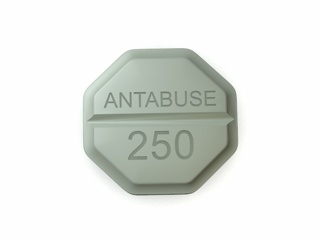
Antabuse is the brand name for disulfiram, a medicine used to help prevent alcohol use in people with alcohol dependence. It works by causing unpleasant reactions if alcohol is consumed. This guide is written to help you understand how disulfiram works, how to take it safely, and what to expect.
Important: Disulfiram is only one part of treatment. It is usually most effective when combined with advice, support, and monitoring from healthcare professionals.
Key facts
- Active ingredient: Disulfiram
- Brand name: Antabuse
- How it works: Produces an adverse reaction if alcohol is taken
- Common use: Help to maintain abstinence in alcohol dependence
- Main caution: Serious reactions can occur with any alcohol exposure
- UK availability: Commonly supplied via prescription-only channels
What is Antabuse?
Antabuse (disulfiram) is a medicine that discourages drinking by blocking alcohol breakdown in the body. When alcohol is present, disulfiram leads to a build-up of certain chemicals, causing symptoms such as flushing, nausea, vomiting, headache, and palpitations.
Disulfiram is not an “alcohol craving suppressant” in the usual sense. Instead, it creates a strong deterrent to alcohol consumption through an unpleasant reaction.
How does Antabuse work? (Mechanism of action)
To understand the effect, it helps to know how the body processes alcohol.
- When you drink alcohol, your body breaks it down in steps.
- A key step involves an enzyme called aldehyde dehydrogenase (ALDH).
- Disulfiram inhibits ALDH, so alcohol by-products are not broken down normally.
- This leads to symptoms caused by the accumulation of acetaldehyde when alcohol is consumed.
Result: Drinking alcohol while on disulfiram can trigger a rapid, unpleasant, and sometimes dangerous reaction.
Pharmacokinetics (How the body handles disulfiram)
Pharmacokinetics describes absorption, metabolism, and elimination. Individual responses vary.
- Absorption: Disulfiram is absorbed after oral dosing, with effects developing over time.
- Metabolism: Disulfiram is converted in the body to active metabolites that contribute to ALDH inhibition.
- Duration of effect: Disulfiram can produce effects that last beyond the last dose. This is important because alcohol exposure may still trigger reactions for some time after stopping.
- Elimination: Metabolites are eliminated mainly through the body’s usual routes (including metabolism and excretion).
Practical takeaway: Even accidental alcohol exposure (for example from some medicines or cough syrups) can potentially cause a reaction.
Typical use in the UK
In the UK, disulfiram is used as part of treatment for alcohol dependence, particularly when:
- There is a strong goal of abstinence
- A supervised or structured approach to treatment is in place
- There is a clear commitment to avoid alcohol completely
Disulfiram may be considered for certain patients where the deterrent effect is helpful. Your clinician may also discuss other options (such as naltrexone or acamprosate) depending on suitability.
When does it work? (Timing and onset)
Initial period: Disulfiram works most safely when started only after alcohol has been avoided for a period (your clinician will advise on the appropriate timing for you).
- Before starting: Ensure you have not consumed alcohol recently and avoid alcohol-containing products.
- After starting: The deterrent effect is established over days as the medicine and its active metabolites build up.
- After stopping: The deterrent effect can persist for a while, so you must still avoid alcohol for a period after the last dose (follow clinician guidance and the product information).
Do not “test” the reaction. Intentional alcohol exposure can lead to severe illness.
Food and drink interactions
Disulfiram reactions are triggered by alcohol. Most foods are safe, but certain products may contain alcohol or alcohol-derived ingredients.
Be careful with alcohol-containing products
- Alcoholic drinks (including beer, wine, cider, spirits, cocktails)
- Alcohol-based mouthwashes or antiseptic solutions
- Cooking products such as wine-based sauces, brandy flavours, or alcohol-based extracts (check ingredients)
- Vinegar-based marinades are generally safe, but check for added alcohol
Mouth care and hygiene
If you use an alcohol-containing mouthwash, you may want to switch to a non-alcohol alternative and speak with your pharmacist about safe options.
Alcohol interactions (most important)
Taking any form of alcohol while on disulfiram can cause a reaction ranging from mild to severe. Symptoms may include:
- Flushing (red, hot skin)
- Throbbing headache
- Nausea and vomiting
- Breathing difficulty or chest tightness (in severe cases)
- Palpitations (fast or irregular heartbeat)
- Low blood pressure, dizziness, fainting
- Severe weakness and confusion
Seek urgent medical help if severe symptoms occur, especially breathing problems, chest pain, collapse, or repeated vomiting.
Accidental exposure matters: Some drinks and medications may contain small amounts of alcohol. When in doubt, ask a pharmacist to check the ingredients.
Alcohol interactions with medicines (and other products)
Many medicines include alcohol as a solvent in liquid formulations (or as part of certain preparations). Disulfiram can react to alcohol exposure even from some medicines, including:
- Alcohol-containing cough syrups or cold remedies (especially some liquid preparations)
- Some oral drops and tinctures
- Some topical products (less common, but check ingredients)
- Alcohol-based mouthwashes
How to manage medicine interactions
- Always check labels and excipients (ingredients list), particularly for liquid preparations.
- Tell your pharmacist you are taking Antabuse (disulfiram).
- Ask about alcohol-free alternatives if you need a liquid medicine.
- Do not assume “small amounts” are safe; reactions depend on dose and individual sensitivity.
Other medicine considerations
Disulfiram may interact with other medicines through its effects on the nervous system and metabolism. Examples include medicines used for psychiatric conditions, seizure disorders, and blood thinning—these must be assessed individually by a healthcare professional.
Always review your full medication list (including over-the-counter products, herbal remedies, and supplements) with a clinician or pharmacist.
Indications (When Antabuse is used)
Antabuse (disulfiram) is indicated for:
- Alcohol dependence where the goal is to maintain abstinence and the patient can commit to avoiding alcohol completely.
It may be used as part of a structured treatment programme. It is generally considered when other treatments are not suitable or when disulfiram’s deterrent mechanism is a good fit.
Dosing (general guidance)
Dosing depends on your medical history, liver function, and other factors. The exact dose must follow clinician instructions.
Typical dosing approach
- Adults: Often started at a dose that is then adjusted according to response and tolerability.
- Monitoring: Clinical follow-up and safety checks may be advised.
- Adherence: Missing doses can affect deterrent effect; do not change dose without advice.
Follow your prescribed schedule exactly. Do not take extra doses to “compensate” for missed ones.
Special populations
- Older adults: May be more sensitive to adverse effects; extra caution may be needed.
- Liver impairment: Disulfiram can affect the liver; it may not be suitable or may require careful monitoring.
- Other conditions: Neurological, psychiatric, and cardiovascular status may affect suitability.
Safety profile: who should be cautious?
As with all medicines, Antabuse can cause side effects. The most serious concern is the alcohol reaction. Beyond that, disulfiram has other safety considerations.
Common or known side effects
- Headache
- Fatigue
- Sleep disturbances
- Metallic or unusual taste (sometimes)
- Skin reactions (uncommon)
Serious side effects – get medical help urgently
Seek urgent medical attention if you experience:
- Severe or persistent vomiting
- Fainting, severe dizziness, or collapse
- Chest pain, severe palpitations, or severe shortness of breath
- Signs of allergic reaction (swelling of face/lips, rash with breathing difficulty)
- Yellowing of the skin or eyes, dark urine, or severe upper abdominal pain (possible liver problems)
- Numbness/weakness, severe confusion, or signs of nerve involvement
When Antabuse may be unsuitable
Disulfiram requires careful assessment. It may be unsuitable or needs close supervision in people with:
- Active alcohol use at the time of starting
- Significant liver disease
- Severe heart disease or certain cardiovascular conditions
- Neurological or psychiatric conditions where disulfiram could worsen symptoms
- Recent exposure to alcohol around the start date
Your pharmacist or clinician can help assess suitability based on your health record.
Practical use tips (UK-friendly)
These tips can improve safety and reduce the risk of accidental exposure.
- Carry information: Consider keeping a note or card stating you take disulfiram, in case of emergencies.
- Check “hidden alcohol”: Liquid cold remedies, some supplements, and certain mouth products may contain alcohol.
- Use alcohol-free options: Prefer alcohol-free formulations where available (especially for cough/cold products and mouthwash).
- Maintain consistent dosing: Take it at the times advised to help maintain deterrent effect.
- Avoid “trial” drinking: Do not attempt to test whether you react—reactions can be unpredictable.
- Inform healthcare professionals: Tell dentists, pharmacists, and any clinician you see that you take Antabuse.
- Be careful with workplace and social settings: Alcohol is obvious in drinks, but hidden sources can also occur (e.g., some celebrations, tonics, or aftershaves used around the mouth).
Alternative options for alcohol dependence in the UK
If disulfiram is not suitable or not preferred, other treatments may be considered. Common options include:
- Acamprosate: Helps maintain abstinence by supporting neurotransmitter balance.
- Naltrexone: Can reduce the rewarding effects of alcohol and help reduce heavy drinking.
- Supportive therapies: Behavioural therapies, counselling, and structured alcohol treatment programmes.
- Management of withdrawal: If stopping alcohol after heavy use, medical supervision may be needed to manage withdrawal safely.
Your clinician can advise which option best matches your health, goals, and preferences.
Market and legal context in the United Kingdom
In the UK, disulfiram (Antabuse) is generally supplied under medicines regulations and is typically dispensed through legal prescription pathways in line with current UK frameworks. Supply depends on the product licence status, pharmacy requirements, and patient suitability checks.
Because disulfiram can cause dangerous reactions with alcohol and has important safety considerations, services often require medication review and counselling to reduce risk.
Always follow UK pharmacy guidance: Your healthcare team may ask about your drinking history, liver function, and other medications to ensure it is safe for you.
Recent guidance and best-practice updates (UK)
Guidance for alcohol dependence in the UK emphasises:
- Individualised assessment (including comorbidities and medication interactions)
- Strong alcohol-avoidance counselling for disulfiram due to reaction risk
- Monitoring where appropriate, particularly for liver and safety concerns
- Combined support (medical treatment plus psychosocial interventions)
Local alcohol services and specialist teams may provide additional monitoring and advice. If you have questions about whether disulfiram remains appropriate for your situation, discuss them with your clinician or pharmacist.
Delivery and availability from an online pharmacy (UK)
Availability varies by supplier and patient circumstances. When disulfiram is offered by an online pharmacy:
- Stock depends on licensing and supply: In-stock items may ship quickly; otherwise dispatch times can vary.
- Compliance and checks: Legal medicine requirements may mean additional eligibility and safety checks before dispatch.
- Delivery address requirements: Medicines are typically delivered only to a suitable residential address where the patient can receive safely.
Shipping note: Cold weather and transit conditions are generally not a major issue for tablets, but do store medicines as stated on the package.
How to store Antabuse
- Keep tablets in the original packaging to protect from moisture and to identify the product.
- Store at room temperature unless stated otherwise on the label.
- Keep out of the sight and reach of children.
- Check the expiry date on the packaging.
FAQ about Antabuse (Disulfiram)
1) Can I drink alcohol while taking Antabuse?
No. Avoid alcohol completely. Alcohol exposure can trigger a severe reaction. This includes alcoholic drinks and some products containing alcohol (including certain medicines and mouthwashes).
2) What happens if I accidentally have alcohol?
Symptoms can vary from mild to severe. If you experience significant symptoms (such as severe vomiting, chest pain, severe palpitations, fainting, or breathing difficulty), seek urgent medical help. If mild, contact a healthcare professional promptly for advice.
3) Are all mouthwashes unsafe?
Many mouthwashes contain no alcohol, but some do. Check the ingredients for alcohol/alcohol denat or similar wording. Prefer alcohol-free alternatives and ask your pharmacist if you are unsure.
4) Do food items contain alcohol that could cause a reaction?
Most foods are safe. However, some sauces, cooking extracts, or desserts may contain alcohol. Always check the ingredient list when cooking or buying prepared foods.
5) How long after stopping Antabuse must I avoid alcohol?
The deterrent effect can last after stopping because active effects may remain for some time. Follow clinician guidance and the medicine’s patient information leaflet for the recommended alcohol-free period.
6) Can I take Antabuse with other medicines?
Many medicines can be taken, but because disulfiram has important interactions and because some medicines contain alcohol, it’s essential to discuss your full list with a pharmacist or clinician—especially liquid medicines, cough/cold remedies, and any drops or tinctures.
7) Is Antabuse addictive?
No. Disulfiram itself does not act as a typical addictive substance. However, it is important to understand that it only works as a deterrent when alcohol is avoided and when taken as prescribed.
8) What should I do if I miss a dose?
Follow the instructions given by your clinician or the product leaflet. In general, do not take extra doses to make up for missed ones. If you are unsure, ask your pharmacist.
9) Who should not take disulfiram?
Suitability depends on medical history, especially liver health, heart conditions, neurological or psychiatric conditions, and recent alcohol use. A clinician assessment is important to confirm it is safe for you.
10) Does Antabuse work for everyone with alcohol dependence?
Not everyone responds in the same way. Some people do well with disulfiram’s deterrent effect, while others may benefit more from different medications and support programmes. Treatment plans are individual.
Summary
Antabuse (disulfiram) is a medicine used to support abstinence in alcohol dependence. It works by blocking alcohol breakdown, leading to unpleasant and potentially dangerous symptoms if alcohol is taken. Because alcohol can appear in drinks, some foods, and certain medicines or mouth products, strict avoidance is essential.
If you have questions about alcohol-free medicine options, hidden alcohol sources, or how disulfiram fits your treatment plan, speak to a pharmacist or clinician.
| Topic | What to remember |
|---|---|
| Core purpose | Helps deter alcohol use by causing a reaction if alcohol is consumed. |
| Mechanism | Inhibits aldehyde dehydrogenase, causing acetaldehyde accumulation with alcohol. |
| Alcohol | Avoid completely, including “hidden” alcohol in some medicines and mouth products. |
| Timing | Effect depends on consistent use and can persist after stopping—follow guidance. |
| Safety | Seek urgent help for severe symptoms, and report possible liver or neurological issues. |
| Best results | Disulfiram works best with structured support and careful monitoring. |