
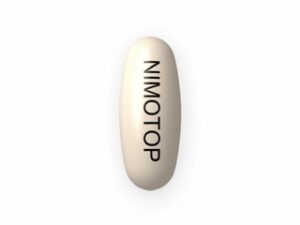
Adalat (Nifedipine) — Patient Guide (UK)
Adalat is a brand name of nifedipine, a medicine used to treat certain heart and blood vessel conditions. It belongs to a group of drugs called calcium channel blockers. Nifedipine helps relax blood vessels, improving blood flow and reducing blood pressure.
This guide explains what Adalat is for, how it works, how it’s typically taken, and what to consider to use it safely. It’s written for people in the United Kingdom and includes practical tips, interaction information, and frequently asked questions.
Basic Product Information
| Product name | Active ingredient | Drug class | Common forms (examples) |
|---|---|---|---|
| Adalat | Nifedipine | Calcium channel blocker (dihydropyridine) | Tablets/capsules with different release patterns may be available (e.g., standard or modified release depending on brand and strength) |
Important: Different nifedipine products may have different release patterns (for example, immediate-release vs modified/controlled-release). Your instructions may vary depending on the exact product and strength.
How Adalat Works (Mechanism of Action)
Nifedipine blocks calcium channels in the muscle of blood vessel walls. By reducing calcium movement into the cells, it causes the blood vessels—especially small arteries—to relax and widen. This results in:
- Lower blood pressure (reduced resistance to blood flow)
- Improved blood supply to the heart muscle
- Reduced workload on the heart in conditions where blood supply is limited
Because it primarily acts on blood vessels, nifedipine is particularly effective for vasospasm-related conditions and high blood pressure.
Pharmacokinetics (How the Body Processes It)
Pharmacokinetics describes what the body does to the medicine.
- Absorption: Nifedipine is absorbed through the gut after oral dosing. Absorption can vary depending on the formulation.
- Distribution: It distributes widely in the body and binds significantly to proteins in the blood.
- Metabolism: Most nifedipine is metabolised in the liver by enzymes in the CYP system (notably CYP3A4).
- Elimination: Metabolites are excreted mainly via the kidneys and bile.
- Onset and duration: The speed and duration of effect depend on the specific formulation (immediate vs modified release).
Clinical implication: Medicines that affect liver enzymes or blood levels can influence nifedipine’s effects. This is one reason interactions are important.
Typical Uses in the UK
Adalat (nifedipine) is used for cardiovascular conditions where relaxing blood vessels is beneficial. Common indications include:
- Hypertension (high blood pressure)
- Angina pectoris, including vasospastic (Prinzmetal’s) angina and stable angina in some cases
- Other vasospasm-related conditions as determined by clinical assessment (use varies by product and local practice)
If you’re unsure why Adalat was chosen for you, check the label and the information leaflet supplied with your particular product, or ask a healthcare professional.
When to Take It (Timing and Consistency)
How you take Adalat depends on whether your nifedipine is immediate-release or modified/extended-release (the exact product name and instructions will specify this).
- Modified/extended-release products: Usually taken once or twice daily at the times stated on the label.
- Immediate-release products: May require more frequent dosing.
Practical tips for timing:
- Try to take it at the same times each day to keep blood levels steadier.
- If you miss a dose, follow the instructions in your leaflet or pharmacist advice (do not double up unless told to).
- Don’t stop suddenly without medical advice—blood pressure and symptoms may worsen.
Food Interactions
Grapefruit and grapefruit juice are a key concern. Grapefruit can increase nifedipine levels by affecting metabolism, potentially increasing side effects such as low blood pressure, dizziness, or headaches.
General food-related points:
- Avoid grapefruit: Do not drink grapefruit juice or eat grapefruit while taking nifedipine.
- Take as directed: Whether to take with food may depend on your specific formulation—follow the leaflet instructions.
- Alcohol + food effects: Meals may not “protect” against alcohol-related blood pressure changes. Keep alcohol moderate (see below).
If you have dietary restrictions or take supplements, ask your pharmacist to check for any concerns.
Alcohol and Medicine Interactions
Alcohol can lower blood pressure. When combined with nifedipine, it may increase the risk of:
- Dizziness or light-headedness
- Feeling faint, especially when standing up
- Worsening headaches
Guidance: Limit alcohol and avoid binge drinking. If you notice dizziness or a drop in energy after drinking, avoid alcohol or discuss your dosing schedule with a clinician.
Other medicines that may interact with nifedipine:
- Other blood pressure medicines (e.g., ACE inhibitors, ARBs, diuretics, beta-blockers, nitrates): may strengthen the blood pressure-lowering effect.
- Medicines that increase nifedipine levels (examples include some antifungals such as azoles and some antibiotics such as macrolides): may raise risk of side effects.
- Medicines that reduce nifedipine levels (e.g., some anticonvulsants like carbamazepine or phenytoin; and some medicines for tuberculosis such as rifampicin): may reduce effectiveness.
- Strong CYP3A4 inhibitors/inducers: because nifedipine is processed in the liver, these can significantly affect levels.
- Certain heart medicines: changes in heart rate or blood pressure may occur when combined.
Action to take: Tell your pharmacist about all medicines you take—including over-the-counter products (such as cold and flu remedies) and herbal preparations.
Indications and Clinical Considerations
Adalat may be recommended for:
- Hypertension: where lowering blood pressure reduces risk of stroke, heart attack, and kidney complications.
- Angina: nifedipine can help prevent chest pain in certain angina types by improving blood flow and preventing spasm.
Important clinical notes:
- If you experience new or worsening chest pain, call for urgent medical assessment.
- People with liver impairment may be more sensitive because metabolism occurs in the liver.
- Older adults may be more likely to experience dizziness or low blood pressure.
Dosing (General Information)
Your exact dose should follow the instructions on your label and the leaflet provided with your particular product. Dosing varies by indication, age, liver function, and the specific formulation (release profile).
General dosing principles (patient-friendly):
- Dose is often started low and adjusted to balance benefit and side effects.
- For modified/extended-release products, the dosing interval is designed to maintain steadier blood levels.
- Do not crush or chew modified-release tablets unless your product is specifically designed to be broken or crushed and you’ve been advised it’s safe.
What you can do to stay safe:
- Check you have the correct strength (e.g., mg) and release type.
- Use a consistent daily routine to avoid missed doses.
- If you feel overly unwell after a dose (marked dizziness, fainting, severe weakness), seek advice promptly.
If you want exact UK dosing ranges: please refer to the leaflet that came with your Adalat product or ask a healthcare professional. Because formulations differ, general ranges may not apply to your specific tablet.
Safety Profile (Common and Serious Side Effects)
Like all medicines, Adalat can cause side effects. Many are mild and improve as your body adjusts, but some require urgent attention.
Common side effects
- Headache (often early in treatment)
- Flushing or feeling warm
- Dizziness or light-headedness
- Swelling of ankles/feet (peripheral oedema)
- Palpitations (awareness of heartbeat)
- Fatigue
Less common but important effects
- Low blood pressure (especially when standing)
- Worsening angina in some people (rare, but important)
- Gastrointestinal upset (e.g., nausea in some individuals)
Seek urgent medical help if you have
- Fainting or severe dizziness
- Severe chest pain or symptoms that are new/worsening
- Signs of an allergic reaction (such as swelling of face/lips, difficulty breathing, or widespread rash)
Practical Use Tips (How to Make Treatment Easier)
- Monitor how you feel: On starting or increasing the dose, be extra cautious when standing up. Move slowly to reduce dizziness.
- Check your blood pressure if advised: Home monitoring can help you spot trends (use a validated cuff and record readings).
- Manage ankle swelling: If you develop swollen ankles, note when it happens and how severe it is. Avoid prolonged standing and discuss with your pharmacist or clinician—sometimes dose adjustments or alternative options are considered.
- Stay consistent: Taking doses at the same times each day helps steady effects.
- Avoid grapefruit: It can increase blood levels and side effects.
- Keep a medication list: Include all prescriptions, over-the-counter items, and supplements to help check interactions.
Missed Dose and Overdose Guidance
Missed dose: If you forget a dose, follow the advice in the product leaflet or your pharmacist’s instructions. In general, don’t take a double dose to make up for a missed one unless explicitly instructed.
Overdose: Taking too much nifedipine can cause significant low blood pressure, dizziness, and potentially serious heart and circulation problems. If overdose is suspected, seek urgent medical help or contact NHS 111 for immediate advice (or emergency services for severe symptoms).
Alternative Options (What Might Be Used Instead)
If Adalat isn’t suitable—because of side effects, interactions, or your specific condition—your clinician may consider other treatments.
Alternatives for hypertension may include:
- Other calcium channel blockers (different agents or formulations)
- ACE inhibitors (e.g., ramipril), ARBs (e.g., losartan)
- Thiazide-like diuretics (e.g., indapamide)
- Beta-blockers (selected cases)
Alternatives for angina may include:
- Nitrates for symptom relief/prevention
- Other anti-anginal medicines (as advised)
- Adjustments to risk factors and overall cardiovascular management
Choice depends on your medical history, other conditions, and the specific type of angina or blood pressure pattern.
UK Market and Legal Context (What to Expect)
In the United Kingdom, medicines are regulated by the Medicines and Healthcare products Regulatory Agency (MHRA) and used within frameworks supported by the NHS and national clinical guidance. Safety monitoring includes reporting adverse drug reactions.
Dispensing and supply: Availability may vary by formulation and strength. Some nifedipine products may be supplied under different brand names depending on the licensed product.
Product information: Patient information leaflets and summary information are used to guide safe use. Always check that the leaflet you receive matches your specific product.
Recent guidance and practice updates: Clinicians and pharmacists regularly update advice based on new safety information, interaction risks (especially via liver enzymes), and evolving blood pressure and angina management recommendations from UK health bodies. If you’ve recently started Adalat, ask for a medication review to confirm your dosing and interaction checks are up to date.
Delivery and Availability (Online Pharmacy Considerations)
When ordering from a UK online pharmacy, availability depends on stock levels, the particular nifedipine strength, and the release type. Delivery options may include standard or expedited dispatch depending on the provider and postcode coverage.
- Check packaging: Confirm the strength (mg) and release type before use.
- Keep medicines secure: Store as stated on the packaging (often at room temperature and protected from moisture/heat).
- Check expiry dates: Do not use products past their expiry.
Customer support: If you’re unsure whether your product is immediate-release or modified-release, contact the pharmacy before taking it.
FAQ — Adalat (Nifedipine)
1) What is Adalat used for?
Adalat (nifedipine) is used to treat conditions such as high blood pressure and certain forms of angina, including vasospastic (Prinzmetal’s) angina.
2) How quickly does it work?
Effect onset depends on the formulation. Some nifedipine products act relatively quickly, while modified/extended-release products build effect over time and maintain it for longer. If you’re tracking benefits or side effects, allow the usual adjustment period your clinician advised.
3) Can I drink grapefruit juice?
No. Avoid grapefruit (including grapefruit juice). It may raise nifedipine levels and increase the likelihood of side effects.
4) What side effects are most common?
The most common include headache, flushing, dizziness, and ankle swelling. These often improve as your body adjusts.
5) Will I need regular blood pressure checks?
Often yes, especially when starting or adjusting treatment. Home monitoring may be recommended. Your clinician will decide the plan based on your overall health and risk factors.
6) Can I take it with other blood pressure medicines?
Many people do. However, combinations can increase the risk of low blood pressure. Always ensure your pharmacist checks for interactions and appropriate dosing.
7) Is it safe to take if I have liver problems?
Because nifedipine is metabolised in the liver, liver impairment can increase sensitivity. Your prescriber may choose a cautious starting dose and monitor you more closely.
8) What if I feel dizzy after taking Adalat?
Try standing up slowly and sit/lie down if you feel faint. If dizziness is severe, persistent, or comes with fainting, contact a healthcare professional urgently for advice.
9) Can I stop Adalat suddenly?
Do not stop suddenly unless advised by a healthcare professional. Stopping could worsen blood pressure control or angina symptoms.
10) Are there herbal or over-the-counter medicines that interact?
Yes. Some antibiotics, antifungals, antifungals, heart medicines, and certain herbal products may interact by affecting liver enzymes or blood pressure. Tell your pharmacist everything you take so they can check compatibility.
Key Takeaways
- Adalat (nifedipine) is a calcium channel blocker that relaxes blood vessels.
- It’s commonly used for high blood pressure and certain types of angina.
- Avoid grapefruit due to interaction risks.
- Alcohol may increase dizziness and low blood pressure—keep it moderate.
- Be alert for side effects like headache and ankle swelling, and seek urgent help for severe or concerning symptoms.
For the safest use: Check the product leaflet for your exact nifedipine formulation (release type and strength), and ask a pharmacist if you’re unsure about timing, missed doses, or possible interactions with your other medicines.