
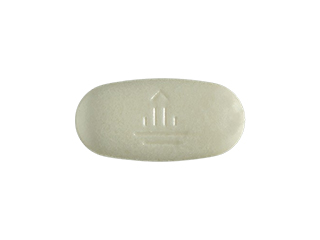


Micardis (Telmisartan) — Patient Information for the UK
Micardis contains telmisartan, a medicine used to treat high blood pressure and to reduce the risk of certain cardiovascular problems in people at higher risk. This guide explains how Micardis works, how to take it safely, what to expect, and when to seek medical advice.
This information is intended to help you understand your medicine. Always follow the instructions given by your healthcare professional and the patient information leaflet included with the pack.
1. Basic product information
| Medicine | Active ingredient | Type | Common uses in the UK |
|---|---|---|---|
| Micardis | Telmisartan | Angiotensin II receptor blocker (ARB) | Hypertension; cardiovascular risk reduction |
| Available strengths | Typically 20 mg, 40 mg, 80 mg | Oral tablets | Once-daily dosing is common |
Micardis is taken by mouth as tablets, usually once a day. It helps lower blood pressure and supports long-term heart and kidney health in suitable people.
2. How Micardis works (mechanism of action)
Telmisartan belongs to a group of medicines called angiotensin II receptor blockers (ARBs).
- Angiotensin II is a substance your body makes that can tighten blood vessels and raise blood pressure.
- Telmisartan blocks angiotensin II at its receptor (the AT1 receptor).
- This helps relax and widen blood vessels, making it easier for the heart to pump and for blood pressure to remain lower.
- It may also reduce strain on the heart and blood vessels and help protect organs over time.
Micardis is not a diuretic (“water tablet”), but blood pressure can still improve in a manner similar to other antihypertensives through vascular effects.
3. Pharmacokinetics (what the body does to the medicine)
“Pharmacokinetics” describes how telmisartan is absorbed, distributed, metabolised, and eliminated.
- Absorption: Telmisartan is absorbed after oral dosing. Its effect begins within the first day, with maximum blood pressure reduction often occurring after several weeks of regular use.
- Distribution: It binds substantially to plasma proteins.
- Metabolism: Telmisartan is mainly processed by the liver (metabolised in the body), with limited transformation compared with some other medicines.
- Elimination: The drug is excreted mainly via bile into the faeces, with a smaller amount eliminated by the kidneys.
- Half-life: It has a long duration of action, which is why once-daily dosing is commonly used.
Practical takeaway: Consistency matters. Taking Micardis daily at roughly the same time can help maintain stable blood pressure control.
4. Typical use in the UK
Micardis is used for:
- Treatment of hypertension (high blood pressure)
- Reduction of cardiovascular risk in selected adults who are at higher risk (for example, those with established cardiovascular disease or specific risk profiles, depending on clinical assessment)
Your clinician will decide whether Micardis is suitable based on your health history, blood pressure readings, blood tests, and other medications.
5. When and how to take Micardis (timing and routine)
Typical dosing schedule: once daily.
- Time of day: Choose a time that you can reliably remember (morning or evening). Many people take it in the morning.
- With or without food: Telmisartan can be taken with or without food.
- Consistency: Try to take it at the same time each day.
If you miss a dose:
- Take it as soon as you remember on the same day.
- If it is close to the time for your next dose, skip the missed dose.
- Do not take a double dose to make up for a missed tablet.
If you accidentally take too much: Contact NHS 111 or seek urgent medical advice if you feel unwell, dizzy, faint, or have symptoms that worry you.
6. Food interactions and what to expect
Telmisartan can usually be taken with or without food. Food may slightly affect absorption for some people, but it does not generally require dietary changes.
- Take as directed: Follow your healthcare professional’s instructions rather than altering timing yourself.
- Grapefruit and other foods: There are no common dietary restrictions specifically required for telmisartan in typical use.
- Alcohol with meals: Alcohol may worsen dizziness or light-headedness, especially when blood pressure is adjusting.
If you notice consistent dizziness or stomach upset after doses, speak to your clinician or pharmacist for personalised advice.
7. Alcohol interactions and safety
Moderate alcohol may be compatible with Micardis for many people, but alcohol can increase the chance of low blood pressure symptoms, such as:
- dizziness
- feeling faint
- light-headedness when standing
- fall risk, especially in older adults
Practical guidance:
- Start cautiously if you drink alcohol (for example, test how you feel after a small amount).
- Avoid binge drinking.
- Be extra careful on hot days, during exercise, or if you are dehydrated.
8. Medicine interactions (important)
Some medicines can change how Micardis works or increase risk of side effects. Always tell your pharmacist or prescriber about everything you take, including over-the-counter medicines and herbal products.
Key interaction areas
- Potassium supplements and potassium-containing salt substitutes (may increase potassium levels).
- Other medicines that raise potassium, such as certain diuretics (especially potassium-sparing ones) or some heart medicines.
- Non-steroidal anti-inflammatory drugs (NSAIDs) such as ibuprofen or naproxen, especially if used regularly or in older adults, or if you are dehydrated. NSAIDs can affect kidney function and may reduce blood pressure control.
- Dual blockade of the renin–angiotensin system: combining an ARB with an ACE inhibitor or with another ARB generally increases risks (for example, kidney problems and high potassium) and is usually avoided unless specifically recommended.
- Lithium: can increase lithium levels; close monitoring is needed if used together.
- Other antihypertensives: combining medicines may lower blood pressure further; clinicians may adjust doses accordingly.
When to seek advice promptly
- If you develop severe weakness, muscle cramps, abnormal heartbeats, or significant dizziness.
- If you become unwell with vomiting or diarrhoea (risk of dehydration can affect kidney function).
- If you need to start a new NSAID regularly (for pain or inflammation).
9. Indications (what Micardis is used to treat)
In UK practice, telmisartan (Micardis) is prescribed for:
- Hypertension: to reduce blood pressure and reduce the risk of cardiovascular events.
- Cardiovascular risk reduction: in certain adult patients at higher risk, typically as judged by clinical assessment and existing conditions.
Eligibility depends on your individual medical history, blood pressure targets, and overall risk profile.
10. Dosing (typical adult dosing and adjustments)
Dosing varies depending on the condition being treated and your response.
Typical dosing ranges
- Hypertension: common starting dose is often 40 mg once daily, with a range of 20 mg to 80 mg once daily depending on response.
- Cardiovascular risk reduction: often begins at 80 mg once daily.
Important: Your clinician will select the dose and may adjust it based on your blood pressure readings and blood test results.
Kidney and liver considerations
- Kidney problems: Some people can use telmisartan safely, but kidney function and potassium levels may need monitoring.
- Liver impairment: Since telmisartan is handled by the liver, your doctor may adjust dosing or choose an alternative if liver impairment is significant.
How to monitor effectiveness
- Blood pressure checks at home (if recommended) can help confirm control.
- Blood tests may be carried out to monitor kidney function and potassium, especially after starting or changing dose.
11. Safety profile (side effects and when to act)
Like all medicines, Micardis may cause side effects. Not everyone gets them. Many effects are mild and improve as your body adjusts.
Common side effects
- dizziness or light-headedness
- tiredness
- headache
- mild gastrointestinal upset (less common)
Less common but important side effects
- High potassium (hyperkalaemia): may cause weakness, tingling, muscle cramps, or abnormal heartbeats.
- Kidney function changes: particularly in people who are dehydrated, have kidney artery narrowing, heart failure, or are taking medicines that affect the kidneys.
- Low blood pressure: especially during the first days or if you are on diuretics or have dehydration.
Seek urgent medical advice if you get
- swelling of the face, lips, tongue, or throat; difficulty breathing (possible allergic reaction)
- fainting or severe dizziness
- symptoms of severe dehydration (e.g., persistent vomiting/diarrhoea, inability to keep fluids down)
- chest pain or severe palpitations
Who needs extra caution
- People with kidney disease or a history of abnormal potassium
- People with dehydration or those prone to dehydration
- Older adults (higher risk of falls from dizziness)
- People taking medicines that may affect kidneys or potassium levels
- People with conditions that make blood pressure particularly sensitive (for example, severe heart failure)
12. Practical use tips for day-to-day life
- Stay hydrated: Dehydration can increase the risk of kidney problems. Drink fluids unless you’ve been told to restrict fluids.
- Stand up slowly: If you feel light-headed, rise gradually from sitting or lying positions.
- Track your blood pressure: If you use home monitoring, record readings (date/time) and share them with your clinician.
- Don’t stop suddenly: Blood pressure may rise again if the medicine is stopped. Discuss changes with your clinician.
- Check label strength: Micardis tablets come in different strengths—take the prescribed tablet(s).
- Be careful with “OTC” painkillers: Frequent NSAID use (for example, ibuprofen) should be discussed, particularly if you have kidney issues or are older.
13. Alternative options (other treatments you may discuss)
If Micardis is not suitable or does not control your blood pressure adequately, your healthcare professional may consider alternatives. Options often include:
- Other ARBs: for example, losartan, valsartan, candesartan.
- ACE inhibitors: for example, ramipril or lisinopril (different side effect profiles; suitability depends on the person).
- Calcium channel blockers: for example, amlodipine.
- Thiazide-like diuretics: for example, indapamide.
- Combination therapy: sometimes two medicines with complementary mechanisms are used to achieve targets.
Choice depends on your diagnosis, blood test results, other health conditions, and tolerability.
14. UK market and legal context (high-level)
In the UK, medicines like Micardis (telmisartan) are regulated by Medicines and Healthcare products Regulatory Agency (MHRA) and must meet quality, safety, and labelling standards.
- Quality and authenticity: It is important to obtain medicines from reputable sources to reduce the risk of counterfeit products.
- Patient information: The Summary of Product Characteristics (SmPC) and the Patient Information Leaflet provide formal details about approved uses, dosing, and safety considerations.
- Clinical oversight: Blood pressure treatment typically involves monitoring and follow-up, particularly after starting or dose changes.
Recent guidance (general): UK blood pressure management continues to emphasise individualised targets, confirmation of control (including home readings where appropriate), and regular monitoring of kidney function and electrolytes when using renin–angiotensin system blockers (such as ARBs). Ensure you receive advice aligned with current NHS and specialist guidance for your condition.
15. Delivery, availability, and packaging (online pharmacy information)
Availability of Micardis may vary by strength and pack size. Many online pharmacies offer stock updates and estimated delivery times at checkout.
- Packaging: Tablets are supplied in original manufacturer packaging where possible.
- Delivery: Delivery times depend on your location and the pharmacy’s courier service.
- Order checks: Reputable suppliers verify details to ensure safe supply and compliance with UK regulations.
- Storage: Store tablets in a cool, dry place, away from direct sunlight. Keep out of reach of children.
If you need Micardis urgently or you are travelling, plan ahead and check delivery options and dispatch times shown on the website.
16. FAQ — Frequently asked questions
How quickly does Micardis lower blood pressure?
Some blood pressure reduction may be noticed within the first day, but the full effect is often reached after several weeks of regular daily use.
Can I take Micardis with food?
Yes. Telmisartan can generally be taken with or without food.
What if I feel dizzy when I start Micardis?
Dizziness can happen, particularly when you first begin treatment or when doses change. Stand up slowly and avoid driving or operating machinery if you feel unwell. If dizziness is severe or persistent, contact your pharmacist or clinician for advice.
Does Micardis affect kidneys?
In some people, ARBs can change kidney function, especially if you are dehydrated or have underlying kidney disease. Clinicians typically monitor kidney function and potassium levels, particularly after starting or increasing the dose.
Will Micardis interact with ibuprofen or other painkillers?
Occasional use may be tolerated, but regular NSAID use (like ibuprofen) can increase the risk of kidney problems and may reduce blood pressure control. If you need NSAIDs regularly, discuss this with a healthcare professional.
Can I drink alcohol while taking Micardis?
Many people can drink alcohol in moderation, but alcohol can increase the likelihood of dizziness or low blood pressure. If you drink, do so cautiously and avoid binge drinking.
What happens if I miss a dose?
Take it when you remember if it’s the same day, but if it’s close to the next dose, skip the missed one. Do not take a double dose.
Is Micardis suitable during pregnancy?
ARBs such as telmisartan are generally not recommended during pregnancy. If you are pregnant, planning pregnancy, or could become pregnant, speak to your clinician promptly for alternative options.
Is Micardis the only treatment for high blood pressure?
No. Many people need lifestyle measures and possibly more than one medicine. Your clinician will tailor treatment to your readings, risk factors, and overall health.
Are there alternatives if telmisartan isn’t working?
Yes. Your clinician may adjust the dose, recommend a different ARB, consider an ACE inhibitor, a calcium channel blocker, a diuretic, or a combination depending on your situation.
Further help: If you have questions about Micardis (telmisartan) or would like support choosing a treatment plan for your blood pressure, speak to a qualified healthcare professional or pharmacist.