
Disulfiram (Disulfiram) – Patient-Friendly Guide (UK)
Disulfiram is a medicine used to support the treatment of people who have a problem with alcohol dependence. It works by producing an unpleasant reaction when alcohol is consumed, helping reduce the urge to drink and supporting abstinence.
This guide explains how Disulfiram works, how it is taken, key safety information, and practical tips for everyday use in the United Kingdom.
Basic product information
- Active ingredient: Disulfiram
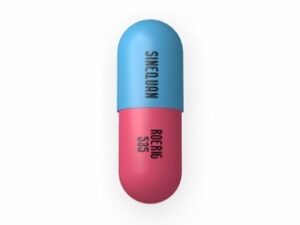
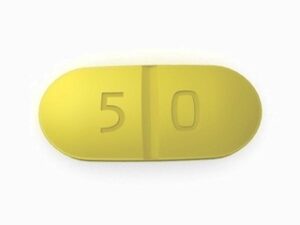
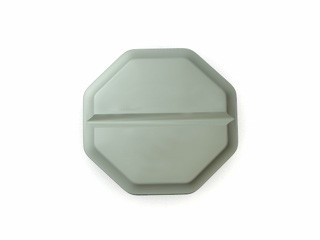
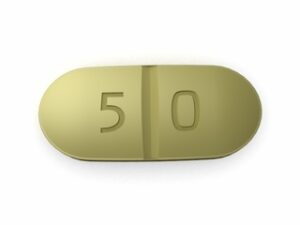
- Medicinal form: Typically tablets (strengths vary by brand/manufacturer)
- How it works: Causes a reaction with alcohol by blocking alcohol breakdown
- Common use: Helping maintain alcohol abstinence when used as part of a wider treatment plan
- Availability: Supplied through UK pharmacies in accordance with local arrangements
Brand names and strengths can vary. Always follow the instructions provided with your specific product.
How Disulfiram works (mechanism of action)
Normally, the body breaks down alcohol in stages. One key step involves an enzyme called aldehyde dehydrogenase, which helps convert a toxic alcohol breakdown product (acetaldehyde) into harmless substances.
Disulfiram blocks aldehyde dehydrogenase. If you drink alcohol while taking Disulfiram, alcohol metabolism is disrupted, leading to a build-up of acetaldehyde. This causes the typical unpleasant reaction, such as flushing and nausea.
The resulting symptoms are intended to act as a deterrent to alcohol consumption. Disulfiram does not “treat” alcohol dependence by reducing craving in the same way as some other medicines; rather, it strongly discourages drinking through the alcohol-disulfiram reaction.
Pharmacokinetics (how the medicine moves through the body)
Pharmacokinetics describes how the body absorbs, distributes, metabolises, and eliminates Disulfiram. While exact values can vary between individuals and formulations, the following points are generally relevant:
- Absorption: Disulfiram is absorbed after oral administration.
- Metabolism: Disulfiram is metabolised in the body to compounds that contribute to its effect.
- Onset and duration: The deterrent effect can persist for days, meaning alcohol should be avoided not only while taking Disulfiram but also during the period after stopping (follow prescriber/pharmacist advice).
- Elimination: Metabolites are eliminated primarily via the body’s normal routes (including metabolism and excretion), but the functional effect may outlast a single dose.
Because Disulfiram effects can continue after the last tablet, you should discuss timing carefully with a healthcare professional before any event where alcohol exposure is possible.
Typical use in the UK
In the UK, Disulfiram may be considered as part of alcohol dependence treatment for individuals who are:
- Committed to reducing or stopping alcohol intake
- Willing to follow strict avoidance of alcohol
- Participating in a broader support plan (for example counselling, relapse prevention strategies, and review of triggers)
Disulfiram is not suitable for everyone. Decision-making depends on medical history, risk factors, current medications, and ability to comply with alcohol avoidance.
Timing: when and how to take Disulfiram
Your exact dosing schedule depends on your product strength and individual plan. Common practical guidance includes:
- Take regularly: Disulfiram is usually taken once daily, or as directed by your clinician/pharmacist.
- Consistency matters: Do not skip doses without advice.
- Avoid alcohol exposure: Strictly avoid drinking alcohol and be careful with alcohol-containing products (see food interactions section).
- Before starting: Alcohol should be avoided for a suitable period before starting (your prescriber/pharmacist will advise the safest timing based on your situation).
- After stopping: The alcohol reaction risk may continue for some time; follow the guidance given to you on stopping.
If you miss a dose, do not “double up.” Ask your pharmacist for advice on what to do next.
Food and drink interactions (including hidden alcohol)
The most important interaction is with alcohol. Alcohol may appear in foods, drinks, medicines, and other products.
Alcohol-containing products to watch for
- Alcoholic beverages: Beer, wine, spirits, and liqueurs
- Cooking products: Cooking wine, malt-based sauces, some marinades
- Drinking yoghurts or drinks marketed as “alcohol free” should still be checked—always read labels carefully.
- Alcohol in mouthwashes: Many mouthwashes contain ethanol; choose alcohol-free alternatives if you’re taking Disulfiram.
- Vapour or alcohol-based flavourings: Be cautious with products that list alcohol/ethanol.
Food labels
Check ingredients lists for terms such as: ethanol, alcohol, ethyl alcohol, spirits, and similar wording.
If you are unsure whether a product contains alcohol, ask your pharmacist.
Alcohol and medicine interactions
The disulfiram–alcohol reaction (what to expect)
Drinking alcohol while taking Disulfiram can cause an intense reaction. Symptoms may include:
- Flushing (hot, red face/neck)
- Throbbing headache
- Nausea and vomiting
- Shortness of breath or chest discomfort
- Palpitations (fast heartbeat)
- Low blood pressure, dizziness, or faint feeling
- Severe sweating
- In some cases, collapse or more serious complications
The reaction can range from uncomfortable to dangerous. If you suspect you have had alcohol exposure and develop severe symptoms, seek urgent medical help immediately.
Other medicine considerations
Disulfiram can interact with several medicines and substances, often by increasing side effects or changing how other medicines act. Tell your pharmacist and healthcare team about:
- Any medications you take regularly (including over-the-counter products)
- Herbal remedies and supplements
- Any previous liver problems
- History of heart disease, blood pressure problems, or neurologic conditions
- Any mental health conditions
Because interaction risk depends on your personal medication list, it is important to confirm compatibility with your pharmacist before starting Disulfiram or making changes.
Indications: what Disulfiram is used for
Disulfiram is used to support the management of alcohol dependence by providing a strong deterrent to alcohol consumption through the alcohol-disulfiram reaction.
It may be considered when:
- Long-term abstinence is the goal
- The person can reliably adhere to alcohol avoidance
- It is supported by an appropriate healthcare plan
It is not intended for use in situations where strict avoidance of alcohol is unlikely, or where the potential risks outweigh benefits.
Dosing information (general guidance)
Dosing varies by individual circumstance and product strength. Your prescriber/pharmacist will decide the most appropriate regimen.
Common dosing patterns
- Daily dosing: Often taken once daily.
- Starting phase: Some treatment plans involve careful adjustment and monitoring during initiation.
- Maintenance: Dose may be continued if benefits are seen and safety monitoring remains appropriate.
How to take Disulfiram
- Take the tablet(s) with water.
- Follow instructions on food timing (some people take with food if it helps reduce stomach upset, but follow your specific product guidance).
- Do not crush or alter the tablets unless your pharmacist confirms it is safe for your specific brand.
Missed dose
If you miss a dose:
- Do not take an extra dose to make up for it.
- Ask your pharmacist what to do based on how long it has been since the missed dose and your regimen.
Overdose
If too much Disulfiram is taken or if there are severe symptoms, seek urgent medical advice. Keep the medicine packaging available for professionals.
Safety profile: key warnings and precautions
Disulfiram can be effective, but it also carries important risks. Consider the following precautions carefully with your healthcare team.
Major safety concerns
- Severe reaction with alcohol: Avoid alcohol completely during use and for the advised period after stopping.
- Liver effects: Disulfiram can affect the liver in some people. Report symptoms such as yellowing of skin/eyes, dark urine, unusual tiredness, or abdominal pain promptly.
- Neurologic effects: Rarely, it may be associated with nerve-related symptoms (such as tingling or numbness) or other neurologic changes.
- Heart and circulation concerns: The alcohol reaction may lead to significant cardiovascular effects (low blood pressure, palpitations).
- Mental health considerations: If you have a history of mental health conditions, discuss suitability and monitoring.
Who should be extra cautious
You should talk to your pharmacist or prescriber before using Disulfiram if you have (or have had):
- Liver disease (including hepatitis or raised liver enzymes)
- Severe kidney disease
- Heart disease, rhythm problems, or uncontrolled blood pressure
- Epilepsy or certain neurological conditions
- Severe mental health symptoms
- Peripheral neuropathy (nerve damage)
Pregnancy and breastfeeding
If you are pregnant, trying to conceive, or breastfeeding, discuss the risks and benefits with a healthcare professional. Safety data and risk assessment are individual and depend on your situation.
Driving and operating machinery
Disulfiram may cause side effects in some people. If you feel dizzy, unwell, or unusually drowsy, avoid driving or using tools/machinery.
Practical use tips (to make Disulfiram safer and more effective)
- Use a “hidden alcohol” checklist: Check mouthwash, cough syrups, tonics, aftershaves with ethanol, and cooking ingredients.
- Tell family/friends: Inform close contacts so they can help you avoid accidental alcohol exposure (for example at parties or when cooking).
- Plan for social situations: Choose alcohol-free options and ensure you know what you are drinking.
- Keep your medicine information: Carry the name of your medicine and a note explaining that alcohol must be avoided, especially if travelling.
- Don’t ignore early symptoms: If you develop nausea, dizziness, flushing, or feel unwell after suspected alcohol exposure, get medical advice.
- Follow monitoring advice: If blood tests are recommended (for example liver tests), attend them.
Alternative options for alcohol dependence (UK context)
Several treatments may be used for alcohol dependence. The best option depends on your drinking pattern, health, motivation, and risk factors. Examples include:
- Acamprosate: Helps reduce the risk of relapse in some people after abstinence is achieved.
- Naltrexone: May help reduce cravings and the rewarding effects of alcohol for some individuals.
- Psychosocial interventions: Counselling, cognitive behavioural therapy (CBT), motivational strategies, mutual aid groups, and relapse prevention planning.
- Support for withdrawal: If you are actively drinking and stopping abruptly is unsafe, supervised detox support may be needed.
A healthcare professional can explain what fits your situation. Disulfiram is one tool—often used when strong deterrence is desired and strict alcohol avoidance is achievable.
Market and legal context in the United Kingdom
Medicines used for alcohol dependence are regulated in the UK under medicines legislation and safety standards. Availability, brand selection, and prescribing/dispensing arrangements can vary across regions and depending on individual assessment.
In the UK, alcohol dependence care typically follows structured pathways involving:
- Assessment of alcohol use and associated health risks
- Consideration of withdrawal severity and safety
- Selection of the most appropriate medication option (if suitable)
- Ongoing review and support
Local service availability (such as specialist addiction services or GP-led programmes) may influence how treatment is started and monitored.
Recent guidance and clinical practice considerations
Guidance for alcohol dependence in the UK can be updated over time, including recommendations on:
- Choosing medicines based on individual risk and suitability
- Ensuring safety monitoring, particularly for liver and neurologic risks
- Integrating medication with psychosocial support
- Reviewing adherence and managing side effects
If you’re taking Disulfiram, it’s important to keep follow-up appointments and raise concerns early. Your clinician/pharmacist can also clarify the most current local recommendations for your treatment plan.
Delivery and availability in the UK
Disulfiram availability may depend on stock levels, product strength, and the supply process used by pharmacies. Where available through an online pharmacy, delivery options may include standard and express services.
- Packaging: Dispatched in secure, discreet packaging.
- Delivery times: Typically depend on your location and the courier service selected at checkout.
- Stock updates: Availability may change; if an item is temporarily out of stock, the pharmacy may offer alternatives or notify you.
Always check delivery and returns information on the pharmacy website before ordering.
FAQ
1) Can I take Disulfiram if I drink “non-alcoholic” beer or cider?
“Alcohol-free” products can still contain small amounts of alcohol. Because Disulfiram can react to even small alcohol exposures in some cases, it is safest to avoid products that contain any ethanol. Ask your pharmacist for advice and check labels carefully.
2) What if I accidentally have a drink?
If you think you consumed alcohol while on Disulfiram, stop drinking alcohol immediately. If you develop severe symptoms (such as chest discomfort, fainting, severe vomiting, or difficulty breathing), seek urgent medical help. Even if symptoms are mild, contact your pharmacist/doctor for advice.
3) Does alcohol in cooking count?
Yes. Foods and sauces may contain alcohol or may be prepared using wine/spirits. For safest practice, avoid cooking products containing alcohol and choose alcohol-free alternatives.
4) What about mouthwash or cough syrups that contain alcohol?
Some mouthwashes and cough medicines contain ethanol. Prefer alcohol-free alternatives where possible. If you need a specific product, check with your pharmacist before use.
5) How long after stopping Disulfiram do I need to avoid alcohol?
Disulfiram’s deterrent effect can persist. The safest time to avoid alcohol after stopping depends on your dose and individual circumstances. Ask your pharmacist or prescriber for guidance specific to you.
6) Are there symptoms that suggest I might be developing a problem?
Contact medical advice promptly if you experience signs of liver issues (such as yellow skin/eyes, dark urine, severe fatigue), severe headaches, numbness/tingling, or any serious reaction symptoms after suspected alcohol exposure.
7) Can Disulfiram be taken with other medicines?
Some medicines may interact with Disulfiram or increase side effects. Make sure your pharmacist reviews your full medication list, including over-the-counter products and herbal remedies.
8) Is Disulfiram suitable for everyone with alcohol dependence?
No. Suitability depends on medical history, liver and heart health, neurologic status, mental health factors, and your ability to avoid alcohol strictly. A healthcare professional can help decide.
9) What should I do before starting Disulfiram?
Discuss your alcohol history, last alcohol intake, current medications, and health conditions. Ensure you have a clear plan for avoiding alcohol-containing foods and products.
10) What are the main benefits and limitations?
Benefits: Strong deterrent effect to help maintain abstinence.
Limitations: Requires strict avoidance of alcohol, can cause significant side effects, and is not appropriate for everyone.
Summary
Disulfiram is a medicine used in the management of alcohol dependence to support abstinence by triggering an unpleasant reaction when alcohol is consumed. Its effectiveness depends heavily on strict avoidance of alcohol and careful attention to hidden alcohol sources in foods, medicines, and everyday products. If you are considering Disulfiram—or already using it—discuss your personal risks, follow monitoring advice, and keep your medication plan under regular review.