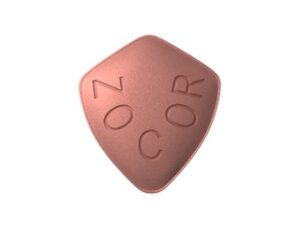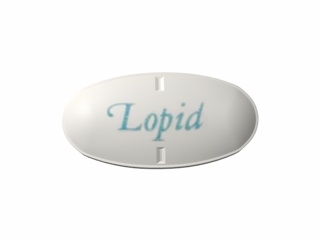
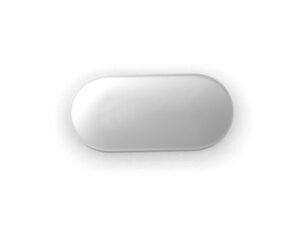
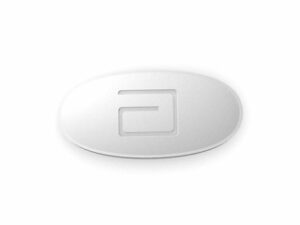
Lopid (Gemfibrozil) – Patient Information (UK)
Lopid is a brand of gemfibrozil, a medicine used to improve abnormal blood fat levels (lipids), particularly high triglycerides. It belongs to a group of medicines called fibrates. This guide explains how Lopid works, how it’s usually taken, common safety considerations, and practical tips to help you use it safely.
This information is intended to be patient-friendly and UK-relevant. Always follow the instructions given by your healthcare professional and read the patient information leaflet that comes with your medicine.
Basic product information
| Item | Details |
|---|---|
| Active ingredient | Gemfibrozil |
| Brand name | Lopid |
| Medicine type | Fibrate (lipid-regulating medicine) |
| Common purpose | Lower high triglycerides; improve lipid profile |
| How it is taken | By mouth, usually with meals (timing matters) |
| Availability in the UK | Prescription-only in the UK for patients who are eligible (availability varies) |
How Lopid works (mechanism of action)
Gemfibrozil helps correct abnormal lipid levels by influencing how the liver processes fats. While the exact details vary between people and conditions, the overall effect is to:
- Reduce triglycerides by lowering production of triglyceride-rich particles and enhancing their clearance.
- Increase “good” HDL cholesterol modestly in some patients.
- Lower very low-density lipoprotein (VLDL) levels, which carry triglycerides in the bloodstream.
Lopid is typically used when lipid abnormalities are high enough to justify medication alongside lifestyle measures. It is not a substitute for diet, exercise, weight management, and smoking cessation advice.
Pharmacokinetics: what the body does with gemfibrozil
Pharmacokinetics describes absorption, distribution, metabolism, and elimination. Understanding these helps explain timing and interaction risks.
- Absorption: Gemfibrozil is absorbed after oral dosing. Taking it as advised (often with meals) can help with tolerability and consistency of blood levels.
- Distribution: It circulates in the bloodstream and affects lipid metabolism through actions at the liver.
- Metabolism: It is metabolised mainly by the liver. Gemfibrozil can influence the breakdown and clearance of other medicines.
- Half-life: It has a duration that supports dosing more than once daily in many regimens.
- Elimination: Metabolites are eliminated primarily via the body’s usual clearance pathways (largely the bile/urine system).
Because gemfibrozil can affect liver enzymes and transporters, it can increase blood levels of certain interacting medicines. This is one of the most important practical safety points.
What Lopid is used for (typical use & indications)
Lopid is used to help treat lipid disorders, mainly:
- High triglycerides (hypertriglyceridaemia), especially when triglyceride levels are significantly elevated.
- Mixed dyslipidaemia in selected patients where triglycerides are an important concern.
In clinical practice, gemfibrozil may be considered when triglyceride levels are high enough to raise the risk of complications such as pancreatitis (a potentially serious inflammation of the pancreas). Your clinician may also consider overall cardiovascular risk and other lipid results (including HDL and LDL) before choosing therapy.
Important: Lopid does not “cure” lipid disorders. Ongoing lifestyle changes and periodic blood tests are usually needed.
Timing: how to take Lopid
The most important timing instruction commonly associated with gemfibrozil is that it should be taken with meals (unless your healthcare professional has told you otherwise).
Typical dosing schedule (general guidance)
Dosing can vary by patient and condition. A common adult regimen is:
- Usually taken twice daily (morning and evening), with meals.
If you have difficulty swallowing tablets or you’re unsure about your specific schedule, check your label and talk to a healthcare professional.
What to do if you miss a dose
- If you miss a dose, take it as soon as you remember
- If it’s near the time for your next dose, skip the missed dose and continue as normal.
- Do not take a double dose to make up for a missed tablet.
Missing doses may reduce the expected lipid-lowering benefit.
Food interactions and dietary considerations
With meals is generally recommended to support appropriate use and tolerability. Food does not usually “cancel” the medicine’s effect, but consistent timing matters.
Diet and lifestyle alongside Lopid
Medicines work best when combined with lifestyle steps. For triglycerides, the most helpful measures often include:
- Reducing alcohol (see below, as alcohol can significantly worsen triglycerides).
- Limiting sugary foods and refined carbohydrates.
- Weight management if you are overweight.
- Regular physical activity as advised for your health.
- Improving overall diet quality (e.g., more fibre, lean protein, and unsaturated fats).
Grapefruit and similar foods
Grapefruit interactions depend on the specific medicine and metabolic pathways. Gemfibrozil’s interaction profile is mainly driven by enzyme/transport effects, so it’s safest to follow your clinician’s and pharmacist’s advice and disclose all supplements and special diets.
Alcohol interactions: what to know
Alcohol is especially relevant for people taking fibrates because alcohol can raise triglyceride levels. This may counteract Lopid’s benefit and increase the risk of complications in people with very high triglycerides.
- It’s generally recommended to limit or avoid alcohol, particularly if your triglycerides are markedly elevated.
- If you drink alcohol, keep it moderate and discuss safe limits with your healthcare professional.
- Seek medical advice promptly if you develop symptoms such as severe abdominal pain, nausea/vomiting, or fever—these can be warning signs of pancreatitis.
Medicine interactions (including important examples)
Gemfibrozil can interact with other medicines by affecting drug metabolism and transport. This can increase side effects or reduce effectiveness. Always provide a full list of your medicines, including over-the-counter products and herbal supplements, to your pharmacist or clinician.
Key interaction concerns
- Statins (cholesterol-lowering medicines): Combining gemfibrozil with certain statins can increase the risk of muscle toxicity (myopathy/rhabdomyolysis). Your prescriber should consider risk carefully if a statin is needed.
- Warfarin and other anticoagulants: Lopid may increase the effect of blood thinners in some patients, raising bleeding risk. Close monitoring (for example INR) is often needed.
- Repaglinide (for diabetes): This combination may increase risk of low blood sugar (hypoglycaemia).
- Other lipid-lowering medicines: Combining therapies should be specialist-led and monitored.
- Some immunosuppressants and other drugs processed in the liver: Interaction risk depends on the specific medicine—always check.
Non-prescription medicines and supplements
Even “natural” products can interact. Include:
- Herbal remedies (e.g., St John’s wort, if applicable)
- High-dose vitamins or fatty acid supplements
- Antacids or acid reducers (usually not the main issue, but timing and tolerance matter)
If you start a new medicine while taking Lopid, ask your pharmacist whether it is safe to use together.
Safety profile: side effects and when to seek help
Like all medicines, Lopid can cause side effects. Many people experience mild effects, but some reactions require urgent medical attention.
Common or relatively frequent side effects
- Stomach and gut symptoms (e.g., nausea, indigestion, abdominal discomfort, diarrhoea)
- Headache
- Skin reactions in some people (rash or itching)
Serious side effects (seek medical advice urgently)
- Muscle pain, weakness, or dark urine: These can be signs of serious muscle problems. Get medical help promptly, especially if combined with a statin.
- Signs of liver problems: Yellowing of the skin/eyes (jaundice), dark urine, severe fatigue, or persistent upper abdominal pain.
- Gallbladder disease: Severe upper abdominal pain (sometimes on the right side), fever, or pain that spreads to the back/shoulder.
- Pancreatitis symptoms: Severe abdominal pain with vomiting, often worsened after alcohol or in the setting of very high triglycerides.
Who needs extra caution?
Your prescriber may adjust the plan based on your health history. Extra caution is often required if you have:
- Liver disease or abnormal liver blood tests
- Kidney problems
- A history of gallstones or gallbladder disease
- Uncontrolled medical conditions that affect drug handling
Practical use tips (getting the best results safely)
- Take it with meals as directed to support tolerability and consistent dosing.
- Attend lipid monitoring appointments: Your blood fats are usually checked after starting and periodically thereafter.
- Keep a medication list: Carry a list or use a pharmacy app so you don’t miss over-the-counter or supplement items when asked.
- Know the warning signs: Muscle symptoms, liver symptoms, or severe abdominal pain should be treated as urgent.
- Limit alcohol and follow dietary advice tailored to triglyceride reduction.
- Report new symptoms promptly: Early action can prevent complications.
Alternatives to Lopid (gemfibrozil) for triglycerides
Treatment options vary depending on your lipid pattern, cardiovascular risk, other illnesses, and tolerance. Some alternatives or additions may include:
Fibrate options
- Other fibrates may be considered by clinicians depending on your situation.
Omega-3 fatty acids
Certain omega-3 formulations have evidence for triglyceride lowering in selected patients. Your pharmacist or clinician can advise on appropriateness and safety, including interactions and quality of products.
Statins (for combined risk)
Statins primarily lower LDL cholesterol and reduce cardiovascular events. They may be used depending on your overall lipid profile and risk. Combination therapy can sometimes be considered, but safety—especially muscle-related risks—must be carefully assessed.
Lifestyle-based approaches
- Reduced alcohol intake
- Diet changes to lower refined carbohydrates and added sugars
- Weight management
- Physical activity
Your best alternative depends on your test results and medical history, so discuss options with a healthcare professional.
UK market and legal context (overview)
In the United Kingdom, medicines are classified based on safety and need for professional oversight. Lopid (gemfibrozil) is typically provided under controlled arrangements, and patient eligibility and monitoring requirements apply.
Online pharmacy availability may vary. Many UK online pharmacies provide services where medicines are supplied following appropriate clinical checks and compliance with UK medicines regulations.
Recent guidance and clinical practice trends
Over recent years, UK clinical practice has increasingly emphasised:
- Individualised cardiovascular risk assessment (not only cholesterol numbers)
- Triglyceride-focused management when levels are high, including alcohol reduction and assessment for secondary causes
- Careful monitoring for liver-related effects and drug interactions
- Safer combination choices when medicines are used together (especially lipid-lowering combinations)
Guidance continues to evolve as new evidence becomes available. Your clinician’s plan for your lipid management should reflect the most current recommendations.
Delivery and availability (what to expect when ordering online in the UK)
Availability and delivery times depend on stock levels, your location, and the pharmacy’s dispatch process. If you’re buying online, you can typically expect:
- Clear product details (strength, pack size, and how it should be taken)
- Estimated delivery times at checkout
- Secure packaging to protect tablets during transit
- Customer support via phone or email for order queries
Always check the label on arrival. If anything looks unusual (damaged pack, missing tablets, or unexpected strength), don’t use it—contact the supplier.
Frequently Asked Questions (FAQ)
1) What is Lopid (gemfibrozil) used for?
Lopid is used to lower abnormal blood fats, especially high triglycerides. It may also improve aspects of the overall lipid profile in selected patients.
2) How quickly does it start working?
Lipid levels may begin to change after starting treatment, but the full effect is typically assessed using blood tests taken after an appropriate interval. Your prescriber will advise when to repeat tests.
3) Should I take it with food?
Typically, yes—take gemfibrozil with meals as directed. This supports consistent use and may improve tolerability.
4) Can I drink alcohol while taking Lopid?
It’s generally recommended to limit or avoid alcohol, particularly if your triglycerides are high. Alcohol can worsen triglyceride levels and may increase risk of pancreatitis in susceptible people.
5) What medicines should I avoid or be careful with?
Gemfibrozil can interact with several medicines, including some lipid-lowering drugs (notably certain statins), anticoagulants like warfarin, and some diabetes medicines like repaglinide. Always tell your pharmacist or clinician about everything you take.
6) What side effects are most common?
Common side effects may include indigestion, nausea, abdominal discomfort, and sometimes headache or diarrhoea.
7) When should I seek urgent medical help?
Seek urgent advice if you develop:
- Severe muscle pain/weakness, or dark urine
- Yellowing of the skin/eyes or signs of liver trouble
- Severe abdominal pain (especially with vomiting or fever)
8) Can Lopid be stopped if my blood test results improve?
Don’t stop or change your treatment without medical advice. Lipid disorders can return when treatment is reduced or stopped. Your clinician may adjust therapy based on your results and risk profile.
9) Are there alternatives if I can’t tolerate Lopid?
Yes. Options may include other triglyceride-lowering approaches such as other fibrates, omega-3 fatty acids, statins (depending on your risk pattern), and lifestyle changes. Your clinician will advise based on your individual situation.
10) How should Lopid be stored?
Store tablets as directed on the packaging (commonly at room temperature, away from moisture and out of sight of children). Check the leaflet for specific storage instructions.
Key takeaways
- Lopid (gemfibrozil) helps reduce high triglycerides.
- Take it with meals as directed and keep doses consistent.
- Avoid or limit alcohol to help protect triglyceride control and reduce risk of pancreatitis.
- Be aware of medicine interactions—especially with certain cholesterol-lowering drugs and blood thinners.
- Know the warning signs (muscle problems, liver symptoms, severe abdominal pain) and seek help promptly if they occur.