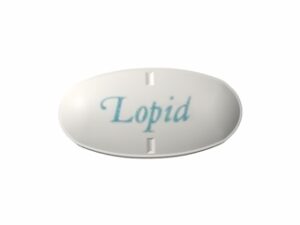
Gemfibrozil (for online pharmacy in the United Kingdom)
Gemfibrozil is a medicine used to help improve abnormal blood fat levels, particularly high triglycerides. It belongs to the fibrate group of medicines and works by changing how your body makes and clears certain fats. This page explains how gemfibrozil works, how it is usually taken, and what safety information to consider—written in a patient-friendly way for people in the UK.
Quick overview
- Medicine: Gemfibrozil
- Group: Fibrates (lipid-modifying medicines)
- Helps with: High triglycerides; can also improve some aspects of cholesterol profile
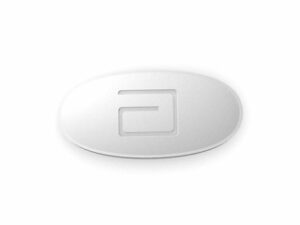
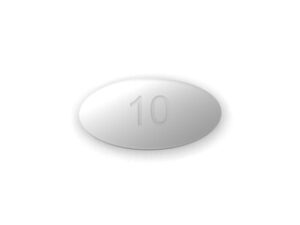
- Common form: Tablets (strengths may vary by brand)
- Who it may suit: Adults with appropriate lipid problems where your clinician has decided a fibrate is suitable
- Key cautions: Drug interactions (especially certain statins and blood-thinning medicines), liver and muscle side effects, and pancreatitis risk when triglycerides are very high
Basic product information
| Category | Details |
|---|---|
| Generic name | Gemfibrozil |
| Medicine type | Fibrate (lipid-modifying agent) |
| What it is used for | Helps lower triglycerides; may improve cholesterol fractions in selected patients |
| How it is taken | Usually by mouth as tablets; timing often relates to meals |
| Monitoring | Blood lipid tests; sometimes liver function; watch for muscle symptoms |
How gemfibrozil works (mechanism of action)
Gemfibrozil primarily helps to reduce triglycerides in the blood. It does this by:
- Reducing fat production in the liver (affecting how triglycerides are formed)
- Increasing removal of triglycerides from the bloodstream (by influencing enzymes involved in fat breakdown)
- Improving the activity of specific pathways that regulate lipid metabolism
Important note: Gemfibrozil is not a cure for high cholesterol or triglycerides. It works alongside lifestyle measures such as diet, exercise, weight management, stopping smoking, and controlling blood sugar when relevant.
Pharmacokinetics (how the body handles it)
“Pharmacokinetics” describes what happens after you take a medicine—absorption, distribution, metabolism, and elimination.
- Absorption: Gemfibrozil is absorbed from the gut after oral administration.
- Distribution: It distributes into body tissues and influences lipid metabolism.
- Metabolism: It is metabolised in the liver.
- Elimination: Metabolites are cleared primarily via the body’s normal elimination routes (including through bile and/or urine, depending on the specific metabolite).
- Half-life: The duration of action may be reflected in its dosing schedule; clinicians tailor timing to achieve effective levels.
Because gemfibrozil can affect drug-metabolising systems, it can increase the levels of certain medicines—one reason interactions are important.
Typical uses in practice
Gemfibrozil is mainly used to treat high triglycerides. It may be considered when triglycerides are elevated enough that reducing them is important for health and symptom prevention.
In real-world UK care, gemfibrozil may be selected when:
- Triglycerides are raised despite lifestyle efforts, and a fibrate is appropriate
- There is a particular need to reduce triglycerides to lower the risk of complications
- Other options have been reviewed and gemfibrozil is considered suitable for the individual
Why triglycerides matter: When triglycerides are very high, the risk of acute pancreatitis increases. Lowering triglycerides is therefore a key goal.
Indications (what it’s used for)
Gemfibrozil is indicated for:
- Severe hypertriglyceridaemia (particularly when triglycerides are high enough to increase the risk of pancreatitis)
- Mixed dyslipidaemia in selected situations, where triglyceride-lowering is a central treatment aim
Whether gemfibrozil is appropriate depends on your overall cardiovascular risk, lipid results, medical history, and possible drug interactions.
Timing and how to take gemfibrozil
Taking gemfibrozil correctly helps maintain consistent levels and can improve tolerance.
- Common timing approach: It is often taken before meals. Many regimens recommend taking doses before breakfast and before evening meal if twice daily.
- Consistency matters: Try to take it at similar times each day.
- Follow your prescriber’s instructions: Your exact dose and schedule may differ.
If you miss a dose:
- Take it as soon as you remember unless it is close to your next dose.
- If it’s near the next dose, skip the missed dose and continue as normal.
- Do not take a double dose to make up for a missed one.
Food interactions and practical diet tips
Gemfibrozil is taken in relation to meals in many dosing schedules. Food can influence how much of the medicine is absorbed.
General food guidance:
- Take gemfibrozil according to the recommended timing (often before meals).
- Follow a lipid-lowering diet plan suggested by your clinician or dietitian.
- For high triglycerides, dietary measures often include reducing alcohol, limiting sugar and refined carbohydrates, and ensuring adequate physical activity.
Grapefruit and similar fruit products: There’s less consistent advice for gemfibrozil compared with some other medicines. If you regularly consume grapefruit products, ask a pharmacist to check whether it could affect your specific regimen.
Alcohol interactions
Alcohol can raise triglyceride levels in some people. Because gemfibrozil is used to lower triglycerides, excessive alcohol may undermine treatment goals.
- Try to limit or avoid alcohol, especially if you have very high triglycerides.
- If you do drink alcohol, do so in moderation and discuss a safe level with your healthcare professional.
Seek advice urgently if you develop symptoms of pancreatitis (commonly severe upper abdominal pain, vomiting, and feeling very unwell), particularly if you have a history of high triglycerides.
Medicine interactions (important safety topic)
Gemfibrozil can interact with other medicines by affecting drug metabolism and transport pathways. Some interactions can be serious.
Notable interactions to discuss
- Statins (cholesterol-lowering medicines): The combination of gemfibrozil with some statins increases the risk of muscle injury (myopathy/rhabdomyolysis). In many clinical settings, this combination is avoided or closely managed with careful monitoring.
- Blood thinners (anticoagulants), e.g. warfarin: Gemfibrozil may increase bleeding risk by raising anticoagulant effect. Close blood monitoring (e.g., INR) may be required.
- Repaglinide (for diabetes): Gemfibrozil can increase repaglinide exposure, potentially increasing the risk of low blood sugar.
- Other lipid medicines and drugs affecting lipid pathways: Some combinations can increase side effect risk or reduce effectiveness.
- Immunosuppressants and other medicines metabolised in the liver: Interactions may occur; your pharmacist can check specific possibilities.
General interaction advice
- Always tell your pharmacist about all medicines you take, including over-the-counter products and herbal remedies.
- If you start any new medicine, ask whether it’s safe to combine with gemfibrozil.
- Do not change doses without clinical advice.
Dosing (typical adult use)
Dosing can vary depending on your lipid levels, kidney and liver function, and other medicines. The information below describes common approaches used in clinical practice.
- Typical regimen: Often twice daily, with doses taken before meals (for example, before breakfast and before evening meal).
- Strength: Tablet strengths vary by product presentation; use the strength supplied to you.
- Adjustment: If side effects occur or if lab results require review, dosing may be adjusted by your clinician.
Kidney or liver impairment: People with significant liver disease or severe kidney problems may require special care. Your clinician may choose an alternative or monitor more closely.
Children and adolescents: Gemfibrozil is generally used in adults; suitability for younger patients depends on specific clinical circumstances.
Safety profile and side effects
Like all medicines, gemfibrozil can cause side effects. Many people tolerate it well, but it’s important to know what to watch for.
Common or manageable side effects
- Stomach or bowel symptoms: indigestion, abdominal discomfort, nausea, diarrhoea
- Mild increases in liver enzymes (often picked up through blood tests)
- Headache or dizziness in some people
Serious side effects—seek urgent medical advice
- Muscle problems: unexplained muscle pain, tenderness, weakness, or dark urine—especially if you are also taking a statin or certain other interacting medicines.
- Liver issues: yellowing of the skin/eyes (jaundice), persistent fatigue, severe nausea/vomiting, or unusual dark urine.
- Pancreatitis symptoms: severe upper abdominal pain (may spread to the back), vomiting, and feeling very unwell.
- Allergic reactions: swelling of the face/lips, difficulty breathing, widespread rash, or severe itching.
Risk factors that may increase side effects
- Older age
- Existing liver or kidney problems
- Dehydration or serious illness
- High alcohol intake (especially with high triglycerides)
- Use of interacting medicines, particularly certain statins
Practical use tips (getting the best from gemfibrozil)
- Keep up lifestyle changes: Diet and exercise remain essential alongside medication, particularly for triglycerides.
- Know your monitoring plan: Attend follow-up appointments for lipid tests and any required blood work.
- Take note of muscle symptoms: Report any unusual muscle pain or weakness promptly.
- Manage blood sugar if you have diabetes: Be alert for symptoms of low blood sugar when gemfibrozil is used with diabetes medicines.
- Plan around meals: Taking it before meals as directed can help with absorption and adherence.
- Hydrate and avoid overheating: This supports overall health and may reduce dehydration-related complications.
Alternative options for triglyceride lowering
Depending on your lipid results and medical history, clinicians may consider alternatives to gemfibrozil. Options commonly include:
- Other fibrates (e.g., fenofibrate) in selected cases
- Omega-3 fatty acid preparations (some are specifically indicated for high triglycerides)
- Statins if cardiovascular risk is a major concern (particularly if triglycerides are mildly/moderately elevated)
- Diabetes and metabolic control (improving blood sugar can reduce triglycerides)
- Lifestyle-based strategies tailored to triglyceride reduction, such as reducing alcohol and refined sugars
Why alternatives matter: Not everyone can safely take gemfibrozil due to interactions or side effect risks. Your healthcare team can compare options suited to your situation.
Market and legal context in the United Kingdom
In the UK, medicines such as gemfibrozil are regulated under the medicines framework overseen by the Medicines and Healthcare products Regulatory Agency (MHRA) and supported by guidance from bodies such as National Institute for Health and Care Excellence (NICE) and clinical lipid guidelines.
Key practical points for UK customers:
- Authorised products: Availability depends on product authorisation, brand formulation, and supply.
- Safety requirements: Interactions and monitoring requirements are reflected in official patient information and clinical practice.
- Clinical decision-making: Lipid management is individualised; gemfibrozil may not be appropriate for everyone with raised fats in the blood.
Recent guidance and clinical practice notes (UK)
Lipid management guidance evolves as new evidence emerges. In recent years, the overall approach in many UK settings has emphasised:
- Assessing cardiovascular risk and focusing treatment where benefits are greatest
- Using triglyceride-lowering strategies when triglycerides are significantly elevated or when there is risk of pancreatitis
- Careful selection of fibrates and attention to interaction risk, especially with statins
- Monitoring and reviewing therapy after changes and at follow-up appointments
Your clinician may consider whether gemfibrozil remains the best option compared with other triglyceride-lowering strategies for your specific profile.
Delivery and availability (UK online pharmacy)
Availability of gemfibrozil tablets may vary by supplier and product brand (including tablet strength and packaging). When ordering online, consider:
- Product details: Check that the strength and brand match what you intend to buy.
- Substitution: If a specific brand is out of stock, some pharmacies may offer a suitable alternative brand/strength only where allowed—always confirm details before receiving the order.
- Delivery times: Dispatch times can vary. Standard delivery is commonly offered, with options for faster delivery where available.
- Cold chain: Gemfibrozil tablets are typically stored at room temperature and do not usually require refrigeration.
Packaging: Tablets should arrive in sealed packaging with clear labelling and instructions for storage (typically “store below” a stated temperature; follow the label).
Safety advice for day-to-day life
- Driving and using machinery: Most people do not experience major impairment, but if you feel dizzy or unwell, avoid driving until you feel steady.
- Pregnancy and breastfeeding: If you are pregnant, trying to conceive, or breastfeeding, discuss lipid management carefully with your healthcare professional.
- Before surgery or major illness: Tell clinicians you take gemfibrozil, as medication plans may need adjustment.
FAQ: Gemfibrozil
1. What is gemfibrozil used for?
Gemfibrozil is used mainly to reduce high triglycerides in the blood, and in some cases for mixed lipid problems where triglyceride reduction is a key goal.
2. When should I take gemfibrozil?
Many dosing schedules recommend taking it before meals—for example, before breakfast and before the evening meal if taken twice daily. Follow the schedule provided with your medicine.
3. Does food change how it works?
Food timing can affect absorption. For this reason, dosing instructions often specify taking gemfibrozil before meals.
4. Can I drink alcohol while taking gemfibrozil?
Alcohol can raise triglyceride levels and may reduce the benefit of treatment. It’s best to limit or avoid alcohol, especially if your triglycerides are very high.
5. What are the most important medicine interactions?
Interactions of particular concern include some combinations with statins (increasing muscle injury risk) and medicines such as warfarin (potentially increasing bleeding risk) and repaglinide (potentially increasing risk of low blood sugar). Always check with a pharmacist.
6. What side effects should I watch for?
Report promptly if you experience muscle pain/weakness, yellowing of skin/eyes, severe stomach pain with vomiting (possible pancreatitis), or signs of allergy such as swelling or breathing difficulties.
7. How long does it take to work?
Some lipid improvements can be seen within days to weeks, but the exact timeline varies. Lipid levels are commonly rechecked after starting or changing therapy to assess effectiveness.
8. Is gemfibrozil a replacement for diet and exercise?
No. Gemfibrozil works best as part of an overall plan including a suitable diet, physical activity, weight management, and controlling other conditions such as diabetes.
9. What should I do if I forget a dose?
Take it when you remember unless it is close to your next dose. If near the next dose, skip the missed dose and continue—do not take a double dose.
10. Are there alternatives if gemfibrozil isn’t suitable?
Depending on your situation, alternatives may include other fibrates, omega-3 fatty acid options, or focusing on statins for cardiovascular risk when appropriate, alongside targeted lifestyle changes.
Always read the patient information leaflet supplied with your medicine for full details, and consult a healthcare professional or pharmacist if you have questions about your personal situation, including interactions and monitoring.