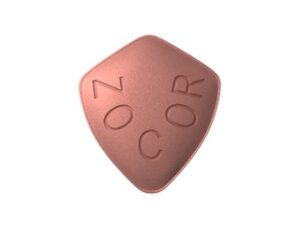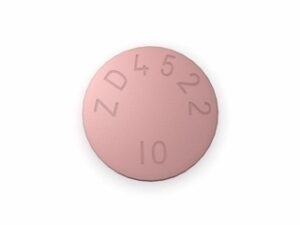
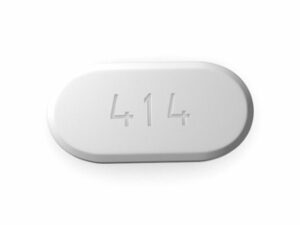

Fenofibrate (for triglycerides and mixed dyslipidaemia)
Fenofibrate is a medicine used to improve blood fat levels, particularly high triglycerides and, in some people, mixed dyslipidaemia (raised triglycerides with low or raised cholesterol fractions). In the UK it is commonly supplied in tablet form and is used alongside lifestyle changes such as diet, weight management, and exercise.
This guide is designed to be patient-friendly and explains how fenofibrate works, how it is used, what to consider with food, alcohol and other medicines, and key safety points.
Basic product information
| Feature | What to know |
|---|---|
| Generic name | Fenofibrate |
| Common uses | High triglycerides; mixed dyslipidaemia |
| How it works | Activates pathways that reduce triglyceride production and increase clearance |
| Typical presentation | Tablets (strengths vary by product) |
| Monitoring | Liver function tests and kidney function; sometimes blood lipids |
| Important risks | Muscle problems, liver issues, gallstones in some people |
What fenofibrate is used for (indications)
Fenofibrate helps manage certain lipid (fat) disorders. It is most often used when triglycerides are high, especially when levels are high enough to increase the risk of complications such as pancreatitis. It may also be used in mixed dyslipidaemia when appropriate.
- High triglycerides (hypertriglyceridaemia), particularly when very elevated.
- Mixed dyslipidaemia (raised triglycerides with altered cholesterol fractions), in people who meet clinical criteria.
- Reducing cardiovascular risk is not the only goal; the primary role is lipid optimisation. Your clinician may consider overall cardiovascular risk and may use other lipid-lowering treatments alongside.
Mechanism of action (how it works)
Fenofibrate belongs to the fibrate group. It works mainly by activating a cellular regulator called PPAR-α (peroxisome proliferator-activated receptor alpha). This leads to multiple changes in how the body handles fats:
- Lower triglycerides: Fenofibrate increases the breakdown of triglyceride-rich particles.
- Increased lipoprotein clearance: It helps the body remove triglycerides from the bloodstream.
- Effects on cholesterol fractions: Depending on the starting lipid pattern, HDL (“good cholesterol”) may rise and LDL may decrease or change modestly.
- Reduced production of certain lipoproteins: The medicine can reduce the liver’s output of triglyceride-related particles.
The result is usually a significant reduction in triglycerides and variable improvements in other lipid markers.
Pharmacokinetics (what happens in the body)
“Pharmacokinetics” describes how the body absorbs, distributes, metabolises and eliminates fenofibrate. The exact details can vary between different formulations (for example, standard tablets versus other branded forms). In general:
- Absorption: Fenofibrate is absorbed after oral dosing. Taking it with food can improve absorption for some formulations.
- Metabolism: Fenofibrate is metabolised to an active metabolite (commonly fenofibric acid), which contributes to its effect.
- Distribution: The active metabolite circulates in the bloodstream and is distributed to relevant tissues involved in lipid metabolism.
- Elimination: Clearance depends partly on kidney function; therefore kidney health is important for safe use.
- Half-life: The active metabolite has a duration that supports once-daily dosing for many products, though follow the specific instructions for your brand.
Because formulations differ, it is important to follow the dosing schedule stated on your product label or in your patient information leaflet.
Typical use and how long it takes to work
Fenofibrate is used as a long-term treatment to help keep blood triglyceride levels under control. Lipid levels can begin to improve within weeks, but the full effect may take longer. Many clinicians review blood tests after an initial period and then periodically.
- Early changes: Some improvement may be seen within a few weeks.
- Full benefit: Often assessed after several weeks to a few months.
- Ongoing monitoring: Blood lipids, liver enzymes and kidney function may be checked as appropriate.
How to take fenofibrate (timing and dosing)
The correct dose depends on your lipid levels, kidney function, and the specific strength and formulation. Always use the dose advised for you.
General dosing principles
- Once daily is common for many fenofibrate tablets, but some products may have different schedules.
- Swallow tablets whole with water unless your leaflet advises otherwise.
- Consistency helps: Take your dose at the same time each day.
Food timing
Food can matter. For many fenofibrate products, taking the tablet with a meal (or with food) can improve absorption. If you are unsure which instructions apply to your particular brand, check the patient information leaflet or ask a pharmacist.
Practical tip: if your product leaflet recommends taking with food, aim to take it with your main meal rather than on an empty stomach.
Missed dose
If you miss a dose, take it when you remember unless it is close to the time of the next dose. Do not take a double dose to make up for a missed tablet. If you’re unsure, ask your pharmacist.
Food interactions
Fenofibrate is mainly affected by the presence of food at the time of dosing (improving absorption for many formulations). There are no widely recognised “forbidden foods” for fenofibrate, but general healthy eating supports the treatment.
- Take with food if advised for your brand to help absorption.
- Reduce alcohol intake when triglycerides are high, as alcohol can raise triglyceride levels.
- Follow a triglyceride-lowering diet: limiting sugary foods and refined carbohydrates can help.
If you have digestive issues (such as nausea), taking the tablet with food may be easier on the stomach.
Alcohol interactions
Alcohol does not have a single “direct” interaction with fenofibrate for all patients, but alcohol can influence lipid levels and can increase stress on the liver.
- High triglycerides: Alcohol can worsen triglyceride levels, so minimising alcohol is often advised.
- Liver health: Because fenofibrate may affect liver enzymes, heavy or regular alcohol consumption may increase risk.
- Pancreatitis risk: If triglycerides are extremely high, alcohol avoidance may be particularly important.
For personalised advice, discuss alcohol use with your clinician, especially if you have a history of liver disease or pancreatitis.
Medicine interactions (important)
Fenofibrate can interact with other medicines, mainly by increasing the risk of side effects or altering blood levels. Always tell your pharmacist or clinician about all medicines you use, including over-the-counter products and supplements.
Common interaction considerations
-
Statins (e.g., atorvastatin, simvastatin, rosuvastatin):
- Combination therapy may be used in selected patients, but there can be an increased risk of muscle-related side effects.
- Seek medical advice promptly if you develop unexplained muscle pain, tenderness or weakness, especially with fever or dark urine.
-
Warfarin or other anticoagulants (blood thinners):
- Fenofibrate may increase the effect of warfarin, potentially raising bleeding risk.
- More frequent blood clotting monitoring may be required.
-
Immunosuppressants and some other medicines:
- Some drug combinations can increase adverse effects, including liver or muscle problems.
- Your clinician may adjust doses and monitoring.
-
Kidney-impacting medicines:
- Because fenofibrate depends partly on kidney clearance, medicines that affect kidney function may require caution.
Other lipid-lowering treatments
For certain patients, clinicians may consider additional lipid treatments (for example, statins or other agents) depending on lipid profile, overall cardiovascular risk and tolerability. Combining therapies is a decision based on benefit versus risk.
Safety profile and key precautions
Like all medicines, fenofibrate can cause side effects. Not everyone experiences them, and many are mild or manageable. However, certain symptoms require urgent attention.
Seek prompt medical help if you have
- Signs of muscle problems: unexplained muscle pain, weakness, cramps or tenderness, particularly if severe or accompanied by fever or feeling unwell.
- Allergic reaction symptoms: facial swelling, rash, itching, severe dizziness or difficulty breathing.
- Liver-related symptoms: yellowing of the skin/eyes (jaundice), dark urine, persistent nausea or upper abdominal pain.
- Possible pancreatitis symptoms: severe upper abdominal pain, often with nausea/vomiting (more important if triglycerides are very high).
Common or expected side effects
Side effects vary by person and product formulation. Commonly reported issues include:
- Stomach-related effects (e.g., indigestion, nausea, abdominal discomfort)
- Headache
- Changes in liver enzyme blood tests
- Occasionally altered kidney-related blood tests
Less common but important risks
- Gallstones: Fibrates can increase the risk of gallstones, especially with long-term use in some individuals.
- Kidney effects: Fenofibrate may affect creatinine levels; monitoring is important, particularly if you already have reduced kidney function.
- Blood fat changes: Treatment can alter lipid fractions; periodic monitoring helps confirm effectiveness and safety.
Practical use tips
- Keep up with monitoring: Attend blood test appointments for kidney and liver function and for lipid checks.
- Support the medicine with lifestyle: a tailored diet, reducing sugary foods and refined carbohydrates, and regular activity can improve triglycerides and overall cardiovascular health.
- Hydration and illness: If you’re unwell (e.g., vomiting/diarrhoea) and not drinking well, ask your clinician whether to continue the medication and whether to check kidney function.
- Be careful with muscle symptoms: If you start new medicines (especially statins) or increase doses, pay attention to muscle discomfort and report it early.
- Read the leaflet for your exact brand: Some products have different instructions regarding food and timing.
Missed dose, stopping and ongoing treatment
Fenofibrate is usually taken regularly to maintain lipid benefits. Do not stop treatment without advice. If you need to pause therapy (for example, due to side effects), a clinician can guide how to restart safely.
- Do not double up if you miss a dose.
- Discuss side effects early rather than stopping on your own.
Alternative options
Depending on your lipid pattern and medical history, alternatives may include other lipid-lowering treatments and lifestyle strategies. Your clinician will choose the most suitable approach.
Possible alternatives
- Statins (for LDL and broader cardiovascular risk reduction).
- Omega-3 fatty acids (sometimes used to reduce triglycerides; formulation and dosing vary).
- Other triglyceride-lowering agents where appropriate.
- Dietary interventions (e.g., reducing sugar and refined carbohydrates, increasing fibre, and improving overall nutrition).
- Reviewing secondary causes: uncontrolled diabetes, thyroid disorders, alcohol excess, certain medications, and kidney/liver conditions can all contribute to raised triglycerides.
If fenofibrate is not suitable or causes side effects, your clinician may adjust the plan, switch to another medicine, or change the regimen.
Market and legal context in the United Kingdom
In the UK, fenofibrate is a widely used lipid-lowering medicine and is available through NHS services and also via private healthcare pathways. Availability can vary by brand and strength.
Medicines are regulated under UK frameworks designed to ensure quality, safety and effectiveness. Patient information leaflets and pharmacy guidance support safe use, monitoring and interactions management.
Recent guidance and clinical practice overview (UK context)
Treatment decisions in the UK are generally aligned with risk-based cardiovascular prevention and lipid management guidance. For high triglycerides, clinicians typically focus on:
- Confirming the lipid pattern and repeating tests when needed.
- Addressing contributing factors such as diabetes control, alcohol intake, hypothyroidism, and medication-related effects.
- Using lifestyle measures as the foundation for triglyceride management.
- Choosing drug therapy based on severity (including very high triglycerides), overall risk profile, and the likelihood of benefit versus risk.
- Monitoring safety (kidney and liver function, and being alert to muscle symptoms), especially when combining therapies.
Guidance evolves as new evidence emerges. Your clinician may tailor decisions to your personal situation, test results, and local formulary recommendations.
Delivery and availability in the UK
Fenofibrate availability can depend on the specific strength and brand. Online pharmacies in the UK typically provide information on:
- Stock status and expected dispatch times
- Packaging details and leaflet inclusion
- Delivery options such as standard or tracked delivery (where available)
If a product is temporarily out of stock, some pharmacies may offer an alternative equivalent presentation or advise on restocking timelines. For best results, order with enough time to avoid running out of medication.
Safety checklist before starting or continuing fenofibrate
Use this checklist as a helpful reminder to discuss with a pharmacist or clinician if relevant:
- Do you have kidney disease or reduced kidney function?
- Do you have a history of liver problems or raised liver enzymes?
- Are you taking a statin or other cholesterol medicines?
- Are you taking warfarin or other blood thinners?
- Do you have a history of gallstones or pancreatitis?
- Are you pregnant, planning pregnancy or breastfeeding?
- Do you drink alcohol regularly or have high triglycerides related to alcohol intake?
FAQ
1) What is fenofibrate used for?
Fenofibrate is used to treat lipid disorders, especially high triglycerides and certain cases of mixed dyslipidaemia. It works by improving how the body breaks down and clears triglyceride-rich particles.
2) When should I take fenofibrate—morning or evening?
Many people take fenofibrate once daily. Choose the time that best fits your routine and consider food instructions for your specific brand. If your leaflet says to take it with food, take it with your meal rather than on an empty stomach.
3) Does fenofibrate need to be taken with food?
Often, yes, depending on the formulation. Food can improve absorption for some fenofibrate tablets. Always follow the directions in the patient information leaflet for your exact product.
4) Can I drink alcohol while taking fenofibrate?
Moderate alcohol may be allowed for some people, but alcohol can worsen triglycerides and may increase liver-related risk. If your triglycerides are high, it is generally wise to limit alcohol and seek personalised advice.
5) What side effects should I watch for?
Report promptly: unexplained muscle pain/weakness, signs of liver problems (yellow skin/eyes, dark urine), and symptoms suggesting pancreatitis (severe upper abdominal pain with nausea/vomiting). Mild stomach upset can occur in some people.
6) Can fenofibrate be taken with statins?
It can in some cases under clinician supervision. The combination may increase the risk of muscle-related side effects, so monitoring and early reporting of symptoms are important.
7) How soon will my blood tests improve?
Some improvement can occur within weeks, but full effect is often assessed after several weeks to months. Follow-up blood tests help confirm benefit and safety.
8) What if I miss a dose?
Take it when you remember unless it’s near the next dose. Do not take a double dose. If you’re uncertain, ask your pharmacist for advice.
9) Are there alternatives to fenofibrate?
Yes. Depending on your lipid profile and risk, alternatives may include statins, omega-3 fatty acids, and other triglyceride-lowering strategies. Lifestyle changes and correction of secondary causes are also essential.
10) Do I need monitoring while taking fenofibrate?
Typically, yes. Kidney function, liver enzymes and lipid levels may be checked, especially during the early stages of treatment and periodically thereafter.