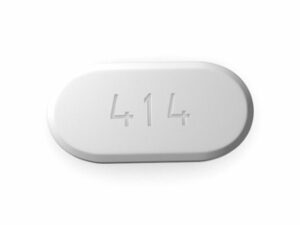
Crestor (Rosuvastatin) — Patient Guide (UK)
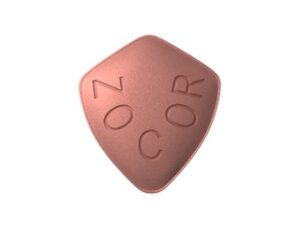
Crestor is a medicine used to help lower cholesterol and reduce the risk of cardiovascular disease. This patient-friendly guide explains what Crestor is, how it works, how to take it safely, and what to expect. It is written for people in the United Kingdom and includes practical information about interactions, safety, and availability.
Quick overview
- Active ingredient: Rosuvastatin
- Medicine group: Statin (HMG-CoA reductase inhibitor)
- Main benefit: Lowers LDL (“bad”) cholesterol and helps reduce cardiovascular risk
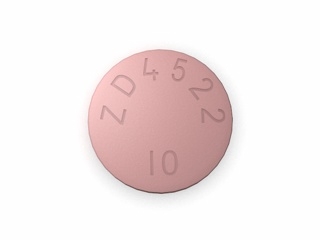
- Common strengths: 5 mg, 10 mg, 20 mg, 40 mg tablets
- How often: Usually once daily
- Typical timing: Any time of day, with or without food (consistent daily routine is best)
What is Crestor?
Crestor (rosuvastatin) is a cholesterol-lowering medicine from the statin family. Statins help reduce the production of cholesterol in the liver and improve the way the body clears cholesterol from the blood.
In addition to lowering cholesterol, rosuvastatin can help reduce the risk of heart attack, stroke, and other cardiovascular events—especially in people with existing cardiovascular disease or increased risk factors.
How Crestor works (mechanism of action)
Rosuvastatin works by blocking an enzyme in the liver called HMG-CoA reductase. This enzyme plays a key role in the body’s cholesterol production.
When cholesterol production is reduced:
- The liver increases the number of LDL receptors on cell surfaces.
- More LDL cholesterol is removed from the bloodstream.
- Overall cholesterol levels improve, including reductions in LDL (“bad”) cholesterol and, to a lesser extent, triglycerides.
Statins may also help stabilise the inner lining of blood vessels and reduce inflammation linked to atherosclerosis (plaque build-up).
Pharmacokinetics (how the body handles rosuvastatin)
Understanding pharmacokinetics may help you know why timing and certain interactions matter. Key points for rosuvastatin include:
- Absorption: Rosuvastatin is absorbed after you take a tablet.
- Peak levels: Blood levels generally peak within a few hours after dosing.
- Distribution: It primarily acts in the liver, which is where cholesterol production happens.
- Metabolism: Rosuvastatin is metabolised to a limited extent and is handled by liver transport systems.
- Elimination: It is removed from the body mainly via the liver and through the gut.
Because transport proteins and liver handling influence drug levels, some interacting medicines (and certain conditions) can increase rosuvastatin exposure and raise the risk of side effects.
Typical uses of Crestor
Crestor is used to treat lipid disorders and to reduce cardiovascular risk. Your exact reason for taking it depends on your cholesterol levels, personal and family history, and overall cardiovascular risk.
Common indications in adults
- Primary hypercholesterolaemia (high LDL cholesterol), including when it runs in families (familial hypercholesterolaemia)
- Mixed dyslipidaemia (raised cholesterol and triglycerides)
- To slow progression of atherosclerosis and reduce cardiovascular events in certain at-risk individuals
- Reduction of risk of major cardiovascular events such as heart attack and stroke in people at increased risk
In some cases, statins may be used in children and adolescents with specific inherited lipid disorders under specialist supervision. Eligibility and dosing depend on age, diagnosis, and local guidance.
How to take Crestor: timing, routine, and duration
When should you take it?
Rosuvastatin can usually be taken once daily. You can often take it any time of day. Many people choose the same time daily—e.g. with breakfast or in the evening—to help remember.
With or without food
Crestor can typically be taken with or without food. However, keep your routine consistent and follow your clinician’s instructions.
How long will you take it?
- Cholesterol effects build gradually.
- Many people continue long-term because cardiovascular risk reduction is ongoing.
- Follow-up blood tests are used to monitor your response and safety.
Food interactions and alcohol
Food interactions
Rosuvastatin is not generally considered highly sensitive to most common foods. Still, certain habits can affect overall cholesterol management.
- Grapefruit: Grapefruit interactions are less prominent for rosuvastatin than for some other statins, but you should still mention regular grapefruit consumption to your pharmacist/clinician.
- High alcohol intake: Alcohol can worsen liver health and may increase risk when combined with statins—see below.
- Diet changes: Statin therapy works best alongside dietary measures, exercise, and smoking cessation when applicable.
Alcohol and rosuvastatin
Moderate alcohol use may be acceptable for many people, but heavy or frequent alcohol intake can increase the risk of liver problems. If you have a history of liver disease, abnormal liver blood tests, or significant alcohol use, discuss your situation with a healthcare professional.
Seek medical advice promptly if you develop symptoms suggesting liver problems, such as:
- Unusual tiredness or weakness
- Loss of appetite
- Upper abdominal pain
- Dark urine or yellowing of the skin/eyes (jaundice)
Medicine interactions (important)
Interaction risk depends on your dose, health conditions, and the other medicines you take. Some medicines can increase rosuvastatin levels in the body, increasing the risk of muscle-related side effects.
Examples of medicines that may interact
Inform a pharmacist or clinician if you take any of the following:
- Certain antibiotics/antifungals (some may increase statin levels)
- HIV medicines (some combinations can affect statin metabolism/transport)
- Ciclosporin (commonly reduces clearance and increases risk)
- Gemfibrozil and other fibrates (risk of muscle effects can increase)
- Anticoagulants (e.g. warfarin): statins can influence blood clotting monitoring in some situations
- Ezetimibe (often used together; monitor response and tolerability)
- Antacids (aluminium/magnesium-containing): timing may matter for absorption
- Other cholesterol medicines (discuss suitability and monitoring)
Herbal and over-the-counter products
- St John’s wort may affect drug levels.
- High-dose supplements (including certain “cholesterol support” products) may interact or affect the liver.
- Always tell healthcare professionals about any supplements and remedies.
Never start, stop, or change the dose of Crestor without guidance if you are taking interacting medicines.
Dosing: typical approach and dose adjustments
Dosing is individual. Your prescriber will consider your cholesterol levels, cardiovascular risk, age, kidney/liver function, and potential interacting medicines.
Typical adult dosing (overview)
| Situation | Common starting approach (overview) | Notes |
|---|---|---|
| High cholesterol / mixed lipid disorders | Often starts at 5 mg, 10 mg, or 20 mg once daily | Dose may be increased based on response |
| Higher-risk patients | May start at a moderate or higher dose | Careful monitoring is important |
| People with risk factors for side effects | May start at a lower dose | Examples include kidney impairment or interacting medicines |
| Maximum dose | Higher doses (including 40 mg) may be used in selected cases | Usually only when benefits outweigh risks and monitoring is planned |
Renal (kidney) and liver considerations
- Kidney impairment: Your clinician may reduce the dose if kidney function is reduced.
- Liver impairment: Rosuvastatin should be used carefully; treatment may be avoided if active liver disease is present.
Follow-up blood tests
Many people have blood tests before and during treatment, including:
- Lipid profile to check cholesterol response
- Liver blood tests in line with clinical practice
- Kidney function depending on your baseline status and dose
- Safety monitoring if you develop symptoms such as muscle pain
Safety profile: what to watch for
Like all medicines, Crestor can cause side effects. Most people tolerate statins well, and serious side effects are uncommon. Knowing what to look for helps you act early if something happens.
Common side effects
- Headache
- Muscle aches or mild muscle soreness (sometimes reported)
- Abdominal discomfort, nausea, or constipation
- Feeling generally unwell
Serious side effects (seek urgent medical advice)
Stop taking the medicine and get medical help promptly if you experience symptoms suggestive of severe reactions, including:
- Muscle injury (myopathy/rhabdomyolysis): severe muscle pain, tenderness, weakness, or dark urine
- Allergic reaction: swelling of face/lips, difficulty breathing, severe rash
- Liver problems: jaundice, severe fatigue, persistent upper abdominal pain, dark urine
- Unexplained bleeding or bruising in combination with other symptoms
Muscle symptoms: how they are handled
Muscle symptoms are one of the most important issues with statins. If you develop unexplained muscle pain or weakness, contact a healthcare professional promptly. They may check a blood marker (often creatine kinase, CK) and adjust treatment if needed.
Diabetes risk
Statins can slightly increase blood sugar levels and may trigger diabetes in some people who are at risk. This does not automatically mean you should stop—cardiovascular benefits often outweigh this risk. Your clinician may monitor glucose (HbA1c or fasting sugar) as appropriate.
Neurological or cognitive symptoms
Rare reports of memory issues have been associated with statins in some individuals. If you notice new cognitive symptoms, discuss them with your clinician rather than stopping suddenly.
Practical tips for safe use
- Be consistent: take your tablet at the same time each day to maintain steady effects.
- Do not double up: if you miss a dose, take it when you remember on the same day unless it’s close to your next dose; then skip—do not double.
- Keep follow-up appointments: your cholesterol goals are checked with blood tests.
- Know your symptoms: report muscle pain, weakness, or dark urine quickly.
- Check interactions: before starting new medicines, ask a pharmacist to confirm compatibility.
- Limit alcohol: keep within recommended limits and avoid heavy drinking.
- Support lifestyle measures: a heart-healthy diet, regular activity, weight management, and stopping smoking all improve outcomes.
- Review other conditions: tell your clinician if you have thyroid problems, kidney disease, or liver issues—these can affect tolerance.
Alternative options to Crestor
If you cannot tolerate rosuvastatin or if your goals are not met, other lipid-lowering treatments may be considered. Options may include:
Other statins
- Atorvastatin
- Simvastatin
- Pravastatin
- Pitavastatin (availability may vary)
Non-statin cholesterol medicines
- Ezetimibe: lowers cholesterol absorption in the intestine
- Bile acid sequestrants (selected cases)
- Fibrates (mainly for high triglycerides; muscle risk should be considered)
- Omega-3 fatty acids (for certain triglyceride levels)
- PCSK9 inhibitors (in selected high-risk patients)
The best choice depends on your cholesterol pattern, cardiovascular risk, previous response, and side effect history. Your pharmacist/clinician can help discuss which alternative is most appropriate for you.
UK market and legal context (what this means for customers)
In the United Kingdom, statins such as rosuvastatin are regulated medicines supplied through pharmacies and healthcare services. Availability and prescribing/monitoring requirements follow UK medicines regulations and clinical guidance.
For online pharmacy purchases, the process is designed to ensure safe supply in line with UK standards, including verifying your details and suitability. Your continued supply should align with safety monitoring needs (such as cholesterol and relevant blood tests).
Note: If you have questions about whether Crestor is appropriate for you, or about your monitoring schedule, speak to a qualified healthcare professional.
Recent guidance and monitoring (high-level overview)
UK cardiovascular prevention is guided by evidence-based recommendations from bodies such as NICE (National Institute for Health and Care Excellence) and updates across primary and secondary care. These guidelines generally emphasise:
- Using cholesterol lowering to reduce cardiovascular events in people at appropriate risk
- Starting with appropriate statin intensity based on risk
- Checking cholesterol response after starting or changing therapy
- Reviewing side effects and safety, including muscle symptoms
- Considering patient factors such as age, kidney function, diabetes risk, and drug interactions
Because guidance can be updated, your clinician may follow the latest local protocols for monitoring and dose adjustments.
Delivery and availability (UK online pharmacy)
Availability of Crestor depends on stock levels and the tablet strength you need (5 mg, 10 mg, 20 mg, or 40 mg). When ordering online, you can typically expect:
- Dispatch times: often within 1–2 working days, depending on stock and verification checks
- Delivery options: standard or tracked delivery depending on the pharmacy service
- Packaging: medicines are supplied in manufacturer packaging where possible
- Cold chain: not usually required for rosuvastatin tablets
If you need a specific strength or pack size, check the product page for current availability. If an item is temporarily unavailable, most pharmacies can offer an alternative plan (such as a different strength if clinically suitable).
Frequently Asked Questions (FAQ)
1) Is Crestor a blood pressure medicine?
No. Crestor is a cholesterol-lowering statin. It is used to lower LDL cholesterol and reduce cardiovascular risk. It does not work as a direct blood pressure medicine (though it may indirectly reduce cardiovascular events).
2) How long does it take to work?
Cholesterol changes can start within days, but the full effect is usually assessed after several weeks. Many clinicians check your cholesterol profile around 4–12 weeks after starting or adjusting the dose, depending on local practice.
3) Can I stop Crestor if my cholesterol improves?
Don’t stop suddenly unless a clinician advises you to. Statins generally need ongoing use to maintain the cholesterol benefit and continued risk reduction. Stopping can lead to cholesterol levels rising again.
4) What should I do if I miss a dose?
Take it when you remember unless it’s close to your next dose. If it’s near the next dose, skip the missed tablet—do not double up. If you’re unsure, ask a pharmacist for advice.
5) Will I feel different when I take Crestor?
Many people do not feel immediate effects because it is not a “symptom-relief” medicine. The benefits are mainly measured by cholesterol levels and cardiovascular risk reduction.
6) Can I take Crestor with other cholesterol tablets?
Sometimes statins are combined with other cholesterol medicines (for example, ezetimibe) depending on your lipid profile and risk. Combination therapy should be guided by a healthcare professional to ensure safety and appropriate monitoring.
7) What if I get muscle pain?
Contact a healthcare professional promptly, especially if the pain is severe, persistent, or accompanied by weakness or dark urine. Do not ignore muscle symptoms. They may suggest a blood test and temporary treatment adjustment.
8) Are there foods or drinks I should avoid?
Most people can take rosuvastatin with food and normal diets. However, avoid heavy alcohol intake, as it can increase liver strain. If you regularly consume large amounts of grapefruit or have unusual dietary patterns, mention them to your pharmacist.
9) Can Crestor cause liver problems?
Rarely, statins can affect the liver. Your clinician may check liver blood tests. Seek medical advice if you notice symptoms such as jaundice, dark urine, or persistent upper abdominal pain.
10) Who should be extra cautious with rosuvastatin?
Extra caution is needed for people with kidney impairment, liver disease, thyroid disorders, a history of muscle problems, and those taking interacting medicines (such as some antibiotics/antifungals, ciclosporin, or fibrates). Your clinician may choose a lower dose and increase monitoring.
Summary
Crestor (rosuvastatin) is a widely used statin medicine in the UK to lower cholesterol and reduce the risk of cardiovascular events. It works by reducing cholesterol production in the liver and improving LDL removal from the bloodstream. Most people tolerate it well, but it’s important to watch for muscle symptoms and report concerns promptly. Pairing the medicine with heart-healthy lifestyle measures and attending planned blood-test monitoring helps you get the maximum benefit safely.