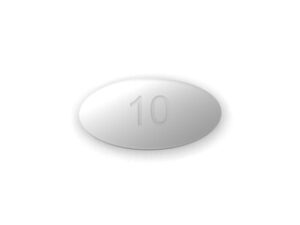

Atorvastatin
Atorvastatin is a medicine used to help lower cholesterol and reduce the risk of heart and circulation problems. It belongs to the group of medicines called statins. Many people take atorvastatin for long-term prevention, even if they feel well.
Quick overview
- Medicine name: Atorvastatin
- Group: Statin (HMG-CoA reductase inhibitor)
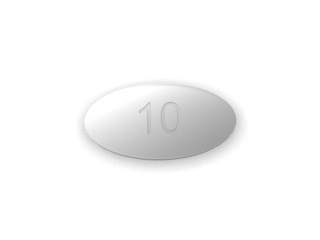
- Common strengths: 10 mg, 20 mg, 40 mg, 80 mg (varies by brand)
- Used for: Lowering LDL (“bad”) cholesterol and reducing cardiovascular risk
- How it’s taken: Usually once daily, at any time (but many people choose a consistent time)
- Common side effects: Headache, mild stomach upset, muscle aches (uncommon but important)
Basic product information
Atorvastatin is available as tablets in the UK. It is used in adults and, in some situations, in children and adolescents with certain inherited or high-cholesterol conditions.
In the UK, atorvastatin is widely used in primary and secondary prevention of cardiovascular disease. People often start at a lower strength and may have the dose adjusted based on cholesterol results and individual risk factors.
How atorvastatin works (mechanism of action)
Atorvastatin reduces the body’s production of cholesterol in the liver. It works by inhibiting an enzyme called HMG-CoA reductase, which is involved in cholesterol synthesis.
As a result, the liver takes up more cholesterol from the blood by increasing the number of LDL receptors. This lowers:
- LDL cholesterol (often the primary target)
- Total cholesterol
- Triglycerides (to a degree)
- Non-HDL cholesterol
Statins also help stabilise cholesterol plaques in the arteries, which may contribute to fewer heart attacks and strokes.
Pharmacokinetics (how your body handles it)
“Pharmacokinetics” describes absorption, distribution, metabolism and elimination.
- Absorption: Atorvastatin is absorbed after taking a tablet. Peak blood levels typically occur within a few hours (often around 1–2 hours, but this can vary).
- Distribution: It is largely taken up by the liver, where it acts.
- Metabolism: Atorvastatin is mainly metabolised in the liver by enzymes including CYP3A4.
- Half-life: The drug itself has a relatively short plasma half-life, while its cholesterol-lowering effect lasts longer due to active metabolites.
- Elimination: It is excreted mainly via the bile into the gut.
Because it is processed primarily by the liver, liver health and interactions with other medicines are important.
Typical use in the UK
Atorvastatin is used to:
- Lower cholesterol, especially LDL cholesterol
- Reduce the risk of heart attack, stroke and other cardiovascular events
- Treat certain familial or genetic lipid disorders, where cholesterol levels are very high from an early age
- Support overall risk management alongside lifestyle measures such as diet, exercise, stopping smoking, and controlling blood pressure and diabetes
Indications (when it may be used)
Indications vary by individual circumstances, but atorvastatin is commonly used for:
- Primary hypercholesterolaemia (high LDL cholesterol)
- Mixed dyslipidaemia (raised cholesterol and triglycerides)
- Familial hypercholesterolaemia (including heterozygous familial forms)
- Homozygous familial hypercholesterolaemia (in selected cases)
- Prevention of cardiovascular disease in people with risk factors or existing cardiovascular disease
Timing: when to take it
Atorvastatin is usually taken once daily. It can generally be taken at any time of day; many people find it easiest to take it at the same time each day.
- Consistency matters: Choose a time you can maintain daily.
- If you miss a dose: Take it as soon as you remember on the same day. If it is close to the next dose, skip the missed dose and resume as normal.
- Do not double dose: Avoid taking extra tablets to make up for a missed dose.
Food interactions
Food usually does not significantly change atorvastatin’s effectiveness, but there are a few points worth knowing:
- Grapefruit and grapefruit juice: It is best to avoid or limit grapefruit. Grapefruit can increase atorvastatin levels in the blood by affecting gut and liver enzymes, potentially raising the risk of side effects, including muscle problems.
- General advice: You can take atorvastatin with or without food. If it upsets your stomach, taking it with food may help some people.
Alcohol and medicine interactions
Alcohol may increase the chance of liver irritation and can worsen certain risks associated with statins. The key points for safe use are:
- Keep alcohol moderate: Avoid heavy drinking. If you have a history of liver disease or abnormal liver tests, discuss your alcohol intake with a healthcare professional.
- Watch symptoms: If you notice unusual tiredness, dark urine, yellowing of the skin/eyes, or upper abdominal pain, seek medical advice promptly.
Important medicine interactions (UK)
Some medicines can raise atorvastatin levels or increase muscle-related side effects. Tell your pharmacist or healthcare professional about all medicines and supplements you use, including over-the-counter products.
Examples of interactions to discuss
- Strong CYP3A4 inhibitors (can increase atorvastatin levels), such as some antifungals and certain antibiotics
- HIV medicines (some are potent CYP3A4 inhibitors)
- Cyclosporine (may increase statin exposure)
- Some cholesterol-lowering combinations (e.g., certain fibrates) may increase the risk of muscle problems in some circumstances
- Macrolide antibiotics (some have interaction potential)
- Warfarin and other anticoagulants: statins can affect bleeding risk in some people, so monitoring may be needed
- Digoxin: atorvastatin may increase digoxin levels in some cases
This is not an exhaustive list. For your safety, always check interactions for any new medicine or supplement.
Dosing: how much is usually used
Dose is individual and depends on the reason for treatment and your expected response. Your clinician may start with a suitable dose, then adjust based on cholesterol readings and tolerance.
Typical starting and adjustment ranges:
- Common starting doses include 10 mg or 20 mg once daily in many situations
- Doses may be increased, up to 40 mg or 80 mg once daily, depending on target cholesterol and cardiovascular risk
Atorvastatin is usually taken as tablets. Do not change the dose without medical advice.
Practical use tips
- Make it part of your routine: Taking it at a consistent time can improve adherence.
- Keep lifestyle measures going: Statins work best alongside a heart-healthy diet and activity.
- Stay hydrated and active: Gentle activity can support muscle comfort, though severe pain should be assessed.
- Know what to report: Tell a healthcare professional promptly about unexplained muscle pain, weakness or cramps.
- Attend monitoring appointments: Periodic blood tests may be recommended to check cholesterol response and safety.
Safety profile: what to expect and when to seek help
Most people tolerate atorvastatin well. Like all medicines, it can cause side effects. Many are mild and settle on their own, but some are serious and require prompt medical attention.
Common or mild side effects
- Headache
- Mild stomach upset or nausea
- Muscle aches or tenderness (may occur, but usually mild)
Serious but less common risks
Seek medical help urgently if you experience:
- Unexplained muscle pain, tenderness, or weakness, especially if you feel unwell, have fever, or notice dark urine
- Allergic reactions such as swelling of the face/lips, rash, or breathing difficulties
- Signs of liver problems such as yellowing of the skin/eyes, dark urine, severe fatigue, or persistent upper abdominal pain
These may be rare, but they are important warning signs. Early assessment helps reduce the risk of complications.
Who should be extra cautious?
- People with a history of liver disease or persistently abnormal liver blood tests
- People with a history of muscle disorders or prior statin intolerance
- People taking multiple medicines with known interaction potential
- Older adults and people with certain metabolic conditions (individual risk varies)
Monitoring and blood tests (UK practice)
Clinicians may check:
- Lipids: to confirm cholesterol reduction and guide dose adjustments
- Liver function: before or after starting, or if symptoms suggest liver problems
- Muscle-related checks: if muscle symptoms occur (tests may include creatine kinase)
Monitoring is tailored to the individual. If you have symptoms, you should ask for advice rather than waiting for routine blood tests.
Alternative options
If atorvastatin isn’t suitable or doesn’t achieve targets, healthcare professionals may consider alternatives such as:
Other statins
- Rosuvastatin
- Simvastatin
- Pravastatin
- Fluvastatin
- Pitavastatin (availability depends on product)
Non-statin cholesterol-lowering medicines
- Ezetimibe (reduces cholesterol absorption)
- PCSK9 inhibitors (injections for selected high-risk patients)
- Bempedoic acid (in some contexts)
- Fibrates (mainly for triglycerides in certain cases)
- Omega-3 fatty acids (for specific triglyceride-related indications)
The best alternative depends on your cholesterol profile, cardiovascular risk, previous side effects, and medicine interactions.
Recent guidance and clinical context in the UK
In the UK, statin use is guided by cardiovascular risk assessment and lipid targets, with emphasis on the benefits of statins in preventing cardiovascular events. Guidance also reflects that:
- People at higher cardiovascular risk benefit most from appropriate statin therapy
- Dose selection aims to achieve meaningful LDL cholesterol reductions while balancing tolerability
- Addressing lifestyle factors alongside medicine is a core part of care
- If muscle symptoms occur, clinicians often assess for interactions and other causes before deciding on continuation or switching
Recommendations can evolve over time as evidence updates. If you are unsure why you were prescribed a particular dose or strength, ask your healthcare professional.
Delivery and availability (United Kingdom)
Atorvastatin is widely available in the UK through pharmacies and online pharmacy services, subject to product availability, local regulations, and your individual circumstances.
Delivery typically depends on:
- Your postcode and delivery service area
- Stock availability and supplier lead times
- Whether you choose standard or express delivery
For the smoothest service, ensure your details are accurate at checkout and allow for delivery time, especially if you are running low.
Availability note
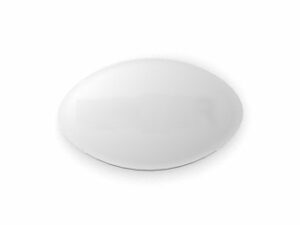
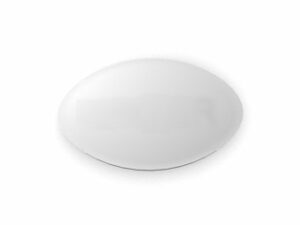
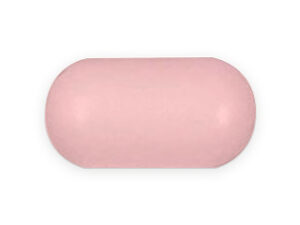
Atorvastatin products may come from different manufacturers and brands. The active ingredient and strength should be the same, but inactive ingredients (such as colouring) can differ between brands.
FAQ
1) Do I need to stop atorvastatin if I feel fine?
Usually, statins are taken long-term to reduce cardiovascular risk. Even if you feel well, stopping can reduce the protective effect. If you want to stop or change your dose, discuss it first so the plan can be adjusted safely.
2) How long until cholesterol improves?
Cholesterol levels can start to improve within a few weeks. Lipid tests are often repeated after a suitable interval to confirm response and decide if dose adjustment is needed.
3) Can I take atorvastatin with other medicines?
Many medicines can be taken with atorvastatin, but some interactions can increase the risk of side effects. Always inform your pharmacist of all medicines and supplements, especially antibiotics/antifungals, HIV medicines, warfarin, and other lipid-lowering treatments.
4) Is grapefruit completely forbidden?
It’s generally recommended to avoid grapefruit or grapefruit juice when taking atorvastatin because it can increase atorvastatin levels. If you have grapefruit occasionally, discuss your situation with a healthcare professional for personalised advice.
5) What should I do if I forget a dose?
Take it when you remember on the same day. If it is near the next dose, skip the missed dose and resume your usual schedule. Do not take a double dose.
6) What muscle symptoms should I watch for?
Watch for new, unexplained muscle pain, tenderness, weakness, or cramps—particularly if severe or associated with feeling unwell. If symptoms occur, contact a healthcare professional promptly. Urgent help may be needed if symptoms are severe or accompanied by dark urine or fever.
7) Does atorvastatin cause weight gain?
Weight gain is not a typical direct effect of atorvastatin. However, individual experiences vary. If you notice unexpected weight changes, discuss them with your healthcare professional.
8) Can I drink alcohol while taking atorvastatin?
Moderate alcohol is usually acceptable for many people, but heavy drinking can increase risk, especially for liver-related problems. If you have liver issues or abnormal liver tests, ask for specific advice.
9) Are there alternatives if I cannot tolerate atorvastatin?
Yes. Clinicians may adjust the dose, switch to another statin, or add non-statin therapies depending on your cholesterol targets and symptom history.
10) Can children take atorvastatin?
In the UK, atorvastatin may be used in children and adolescents for specific lipid disorders under specialist care. Dosing is based on weight and clinical need, and monitoring is important.
At-a-glance safety checklist
| Topic | What to remember |
|---|---|
| Timing | Usually once daily at a consistent time. If missed, take when remembered the same day; don’t double dose. |
| Food | Avoid grapefruit/grapefruit juice (can increase atorvastatin levels). |
| Alcohol | Keep alcohol moderate. Seek advice if you have liver disease or notice liver-related symptoms. |
| Drug interactions | Tell your pharmacist about all medicines and supplements, especially those affecting CYP3A4. |
| Muscle symptoms | Report unexplained muscle pain/weakness promptly, especially if severe or with dark urine. |
| Liver symptoms | Report symptoms like yellowing of skin/eyes or dark urine without delay. |
Important: This information is for general guidance. Individual advice may differ depending on your health history, other medicines, and your cholesterol targets. If you have questions about suitability, interactions, or side effects, speak with a healthcare professional or pharmacist.