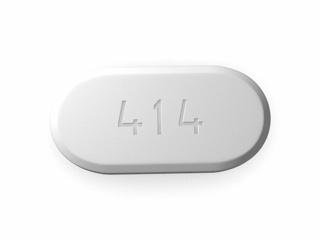
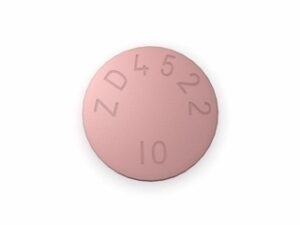
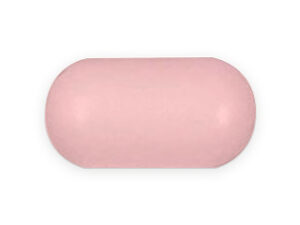
Ezetimibe: Patient-Friendly Guide (United Kingdom)
Ezetimibe is a cholesterol-lowering medicine used to help reduce LDL cholesterol (“bad” cholesterol) and, in many people, to improve overall lipid profiles. It is commonly used when diet and lifestyle changes alone are not enough, or when lowering cholesterol further is desirable (for example, in combination with statins).
This guide explains how ezetimibe works, how it is used, what to expect, key safety considerations, and practical tips. It is written for patients in the United Kingdom and is suitable for online pharmacy information.
Basic product information
| Feature | What to know |
|---|---|
| Generic name | Ezetimibe |
| Common role | Reduces cholesterol absorption in the small intestine |
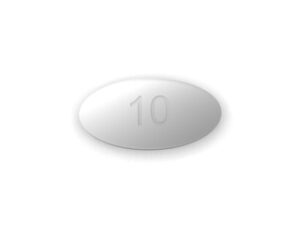
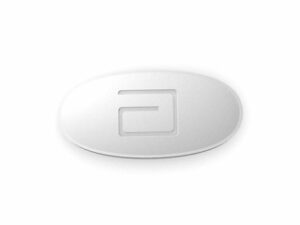
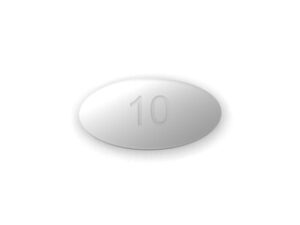
| Typical forms | Tablets (strengths vary by brand/manufacturer) |
| How it’s usually taken | Once daily by mouth (with or without food, in most cases) |
| Where it fits in therapy | Often used with diet/lifestyle; frequently combined with a statin for additional LDL reduction |
What is ezetimibe used for? (Indications)
Ezetimibe is used to treat raised cholesterol levels. In clinical practice in the UK, it is used in people with:
- Primary hypercholesterolaemia (high LDL cholesterol, sometimes as part of mixed lipid patterns), particularly when diet and lifestyle measures are insufficient.
- Familial hypercholesterolaemia (an inherited condition where LDL cholesterol is very high), including when combination therapy is appropriate.
- Mixed dyslipidaemia (raised cholesterol and triglycerides in some patients), where additional LDL lowering is needed.
- Prevention of cardiovascular events in appropriate patients as part of an overall cholesterol-lowering strategy, often alongside other risk-reducing approaches.
The exact suitability depends on your individual lipid results, risk profile, and any other medicines you are taking. Ezetimibe can be used alone, but it is frequently prescribed alongside a statin to achieve larger LDL reductions than either approach alone.
How ezetimibe works (mechanism of action)
Ezetimibe works by reducing the absorption of cholesterol (and related sterols) from the intestine.
Specifically, it inhibits a transporter in the brush border of the small intestine called NPC1L1 (Niemann–Pick C1-like 1). By blocking this transporter, less cholesterol is taken up from food and bile into the bloodstream.
Over time, the lower delivery of absorbed cholesterol to the liver promotes increased clearance of cholesterol from the blood, which leads to reduced levels of LDL cholesterol.
Pharmacokinetics: how the body handles ezetimibe
Pharmacokinetics describes how the medicine is absorbed, distributed, metabolised, and eliminated.
Absorption
After oral administration, ezetimibe is absorbed and undergoes extensive first-pass metabolism in the intestine and liver. The main circulating active form is ezetimibe-glucuronide.
Distribution
Ezetimibe and its metabolites circulate in the bloodstream and reach sites where they can act on intestinal transporters.
Metabolism
Ezetimibe is metabolised primarily via glucuronidation to ezetimibe-glucuronide. This is the dominant metabolite detected in plasma.
Elimination
The medicine is eliminated mainly through the faeces. A smaller proportion is eliminated through the urine.
Time to effect
LDL cholesterol reduction can be seen within the first couple of weeks, with the full effect typically becoming clearer after continued use. Cholesterol changes should be assessed by your healthcare professional at appropriate follow-up intervals.
Typical use and timing
Ezetimibe is usually taken as a once-daily tablet. Many people take it in the morning or evening, according to personal preference.
When to take it
- With or without food: In most cases, ezetimibe can be taken either with meals or on an empty stomach.
- Consistency helps: Choose a time you can remember and take it regularly.
- Missed dose: If you miss a dose, take it when you remember on the same day unless it is close to the next dose. Do not double up.
How long you may need it
Cholesterol-lowering treatment is often long-term, especially in people with persistent lipid abnormalities or elevated cardiovascular risk. Continue as directed by your healthcare professional, even if you feel well, because cholesterol levels do not immediately “feel” high.
Food interactions
Ezetimibe generally has no clinically significant interaction with food and can typically be taken with or without meals. This makes it convenient for day-to-day routines.
Bile acid sequestrants (important note)
If you use a medicine that binds bile acids (commonly called bile acid sequestrants), timing may matter because bile acid–binding medicines can reduce the absorption of other medicines.
A common practical strategy is to take ezetimibe at least 2 hours before or at least 4 hours after a bile acid sequestrant. Your pharmacist or prescriber can confirm the best schedule for your specific products.
Alcohol and medicine interactions
Ezetimibe itself is not typically associated with a strong alcohol interaction. However, alcohol can affect cardiovascular risk factors and may also influence liver health indirectly.
The most important interaction considerations often relate to combination therapy—particularly when ezetimibe is used with a statin. Some statins can be associated with liver enzyme changes in rare cases.
General advice
- Moderation: If you drink alcohol, keeping within UK guidelines is sensible for overall health.
- Report symptoms: Seek medical advice if you develop unusual fatigue, dark urine, yellowing of the skin/eyes, or severe abdominal pain.
- Medication review: If you drink heavily or have liver disease, discuss this with your healthcare professional.
Drug interactions: what to watch for
Ezetimibe has fewer interaction issues than some other lipid medicines, but some combinations still require caution. Always check interactions with your pharmacist if you are starting, stopping, or changing medicines.
Statins
Ezetimibe is often used with statins. This combination is designed to achieve greater LDL lowering than either medicine alone. Monitoring may include lipid levels and, depending on your clinical situation, liver-related tests.
Fibrates
In some situations, ezetimibe may be used with fibrates (often used to treat triglycerides). However, this combination may affect the risk of gallstones in certain people, so your clinician may review the risk–benefit.
Cyclosporine
Ezetimibe can interact with cyclosporine, an immunosuppressant medicine. If you take cyclospornine, your clinician may monitor levels and adjust management accordingly.
Warfarin (and similar anticoagulants)
If you take warfarin or other blood thinners, changes in INR (a measure of blood clotting) have been reported with some lipid therapies. If you start ezetimibe (or change dose), arrange closer INR monitoring as advised by your anticoagulation service.
Dosing: how to take ezetimibe
Dosing depends on the condition being treated, your age, kidney/liver function, and whether ezetimibe is used alone or in combination with other medicines. Your healthcare professional will provide the correct dose for you.
Common adult dose
- Usually 10 mg once daily for adults.
Combination therapy
When used with a statin, ezetimibe is commonly taken once daily at the same schedule. Statin dosing is determined separately according to the specific statin and patient factors.
Children and adolescents
Ezetimibe may be used in paediatric patients with certain inherited lipid disorders. Dosing may be age/weight-based or based on specific licence recommendations. This should be confirmed by a clinician.
Missed dose advice
If you miss a dose, take it as soon as you remember unless it is nearly time for the next dose. If you are unsure, ask your pharmacist. Do not take a double dose to make up for a missed tablet.
Safety profile: side effects and when to get help
Like all medicines, ezetimibe can cause side effects, although not everyone experiences them. Many people tolerate ezetimibe well.
Commonly reported side effects
- Headache
- Diarrhoea or loose stools
- Abdominal pain or indigestion
- Fatigue
- Some people report nausea
Less common but important risks
- Liver-related changes: When used with statins, liver enzyme elevations can occur rarely. Seek advice if you have symptoms suggesting liver problems.
- Muscle symptoms (particularly with statins): Muscle aches, weakness, or dark urine require prompt medical review.
- Gallstones: Gallstone disease has been reported more frequently in some patients, especially when ezetimibe is used together with fibrates.
Seek urgent medical help if
- Signs of a serious allergic reaction: swelling of the face/lips, difficulty breathing, severe rash.
- Severe or persistent abdominal pain (especially with fever or jaundice).
- Unexplained severe muscle pain, weakness, or dark urine.
- Yellowing of the eyes/skin or dark urine (possible liver issue).
Practical use tips for day-to-day success
- Build a routine: Take ezetimibe at the same time each day to reduce missed doses.
- Keep tablets visible: A bedside or kitchen reminder can help.
- Continue lifestyle changes: Ezetimibe supports—but does not replace—diet, exercise, weight management, and stopping smoking if relevant.
- Know your follow-up plan: Ask when your next lipid (cholesterol) blood test is due.
- Share your medicine list: Tell your pharmacist about all prescription medicines, over-the-counter products, and supplements.
- Be cautious with “natural” products: Supplements can still interact with medicines. If in doubt, check first.
- Watch for symptoms: If you develop muscle pain or signs of liver/gallbladder problems, don’t ignore them—seek advice promptly.
Alternative options
Cholesterol management is personalised. Alternatives to ezetimibe may include:
- Statins (e.g., atorvastatin, rosuvastatin, simvastatin): often first-line for LDL lowering and cardiovascular risk reduction.
- Other lipid-lowering medicines depending on your lipid pattern and risk, such as fibrates, omega-3 fatty acids (for triglycerides), and bile acid sequestrants.
- PCSK9 inhibitors (for certain high-risk patients): injectable medicines that can significantly lower LDL cholesterol.
- Dietary approaches and structured lifestyle programmes: can improve lipid levels and reduce overall risk.
If you are unable to tolerate ezetimibe, or if LDL targets are not reached, your clinician may consider a different medicine strategy or combination plan.
Market and legal context in the UK
In the United Kingdom, ezetimibe is available as a licensed medicine. Availability may depend on the specific brand, tablet strength, and pharmacy stock levels. Patient access commonly follows UK prescribing and supply regulations, and medicine supply is managed through licensed pharmacy channels.
Clinical use aligns with national guidance and risk-based approaches to cardiovascular disease prevention and lipid management. Treatment plans should reflect your cholesterol measurements and overall risk factors (such as blood pressure, diabetes, smoking, family history, and previous cardiovascular events).
Recent guidance and clinical practice notes (UK)
In recent years, UK cholesterol management guidance has continued to emphasise:
- Risk-based targeting of LDL cholesterol
- Early and sustained treatment for people at higher cardiovascular risk
- Optimising statin therapy where appropriate, including dose adjustments and switching if needed
- Adding non-statin therapy (such as ezetimibe) when additional LDL lowering is necessary or when statins are insufficient/tolerability is limited
Local formularies and specialist pathways may influence exactly when and for whom ezetimibe is recommended. If you’re unsure about your plan, ask your healthcare professional about the treatment rationale based on your results.
Delivery and availability
Online pharmacy availability can vary depending on:
- The specific brand and tablet strength required
- Current supplier stock levels
- Seasonal demand and prescription/medicine supply systems
When ordering online, you may be able to choose delivery options such as standard or express shipping (subject to location and stock). Some pharmacies offer tracking and clear delivery time estimates at checkout.
To avoid delays, double-check:
- Correct product name and strength
- Quantity (number of tablets)
- Delivery address and contact details
Storage and handling
- Store tablets according to the label instructions (commonly at room temperature, away from excessive heat and moisture).
- Keep medicines out of the reach of children.
- Do not use after the expiry date shown on the pack.
- If tablets are removed from the original packaging, keep them in a safe, properly labelled container.
FAQ about ezetimibe
1) Does ezetimibe work immediately?
LDL cholesterol can start to drop within the first few weeks. The full effect may become clearer after continued use. Your clinician will typically check cholesterol levels at follow-up.
2) Can I take ezetimibe with food?
Yes—e zetimibe is generally taken with or without food. Choose a time that is easy to remember and keep taking it consistently.
3) Can I drink alcohol while taking ezetimibe?
Moderate alcohol use is not usually a direct interaction with ezetimibe. However, if you take ezetimibe with a statin or have liver concerns, keep alcohol intake moderate and seek advice if you develop symptoms such as jaundice or severe abdominal pain.
4) What if I miss a dose?
Take it when you remember unless it’s close to the next dose. Do not take a double dose. If you’re unsure, ask your pharmacist.
5) Is ezetimibe a statin?
No. Ezetimibe is not a statin. It lowers cholesterol by reducing intestinal absorption of cholesterol. Statins work mainly by reducing cholesterol production in the liver.
6) Why do some people take ezetimibe with a statin?
Because the medicines work in different ways, the combination often lowers LDL cholesterol more than either treatment alone. This may help people reach their LDL targets based on cardiovascular risk.
7) What side effects should I expect?
Some people experience headache, diarrhoea, or abdominal discomfort. Less commonly, there may be liver-related changes (especially when used with statins) or gallstone-related symptoms (more so in certain combinations).
8) Who should take extra care?
Extra care may be needed if you have liver disease, are taking certain interacting medicines (such as cyclosporine or anticoagulants), or if you develop muscle symptoms. Your pharmacist can advise based on your medicine list and medical history.
9) Are there alternatives if ezetimibe doesn’t help enough?
Yes. Depending on your lipid profile and risk, alternatives may include adjusting the statin dose, using another add-on option, or considering therapies used for more severe or high-risk cases.
10) How should I monitor my cholesterol?
Cholesterol monitoring is usually done through blood tests arranged by your healthcare professional. Continue taking the medicine as advised and follow the agreed follow-up schedule.
Key takeaways
- Ezetimibe lowers LDL cholesterol by reducing cholesterol absorption in the intestine.
- It is often used with diet and lifestyle changes and commonly combined with a statin for additional LDL reduction.
- It is usually taken once daily and can typically be taken with or without food.
- Most people tolerate it well, but seek advice for symptoms such as severe muscle pain, signs of liver problems, or severe abdominal pain.
- If you use bile acid sequestrants or have complex medicine regimens, timing and interactions may require extra attention.
If you have questions about whether ezetimibe is suitable for you, or how to fit it into your daily routine, speak to a healthcare professional or pharmacist.