
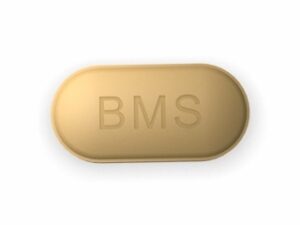
Jentadueto XR (Linagliptin & Metformin Hydrochloride) – Patient Information
Jentadueto XR is a once-daily medicine used to treat type 2 diabetes. It contains two active ingredients: linagliptin and metformin hydrochloride (in an extended-release form, shown by “XR”). This combined treatment helps improve blood sugar control when diet, exercise and individual diabetes treatment goals are not enough on their own.
This guide is written in a clear, patient-friendly way for readers in the United Kingdom (UK). Always follow the instructions given by your healthcare team and read the patient information leaflet supplied with your medicine.
1) Basic product information
- Brand name: Jentadueto XR
- Active ingredients: linagliptin + metformin hydrochloride
- Formulation: extended-release (XR), designed to release medicine gradually through the day
- Common strengths: available in different tablet strengths (exact strengths depend on your prescription and local availability)
- Who it is for: adults with type 2 diabetes
In the UK, Jentadueto XR is commonly supplied through standard pharmacy channels and is subject to national prescribing and medicine-supply arrangements.
2) How Jentadueto XR works (mechanism of action)
Jentadueto XR works by combining two complementary approaches to lowering blood glucose:
Linagliptin (a DPP-4 inhibitor)
- Linagliptin blocks the enzyme DPP-4 (dipeptidyl peptidase-4).
- DPP-4 normally breaks down hormones called incretins (including GLP-1 and GIP).
- By inhibiting DPP-4, linagliptin helps increase active incretin levels.
- Incretins stimulate the pancreas to release insulin in a glucose-dependent manner. This means insulin release is greater when glucose levels are higher.
- Incretins also help reduce glucagon secretion (another hormone that raises blood glucose).
Metformin (an antihyperglycaemic agent)
- Metformin primarily helps improve insulin sensitivity and reduces glucose production by the liver.
- It also helps reduce glucose absorption in the gut and may improve how muscles use glucose.
Combined effect: together, linagliptin and metformin help lower blood sugar while supporting more stable glucose control.
3) Pharmacokinetics (how the body handles the medicines)
Pharmacokinetics describes absorption, distribution, metabolism, and elimination. Key patient-relevant points are summarised below. Your healthcare professional may tailor dosing based on your individual kidney function and overall medical history.
Linagliptin
- Absorption: absorbed after oral dosing.
- Distribution: widely distributed in the body.
- Metabolism: partly metabolised (pathways include CYP3A4) but overall clearance is not exclusively through the kidneys.
- Elimination: mostly eliminated via the intestinal route (bile), which may be useful in people with reduced kidney function.
Metformin (extended-release)
- Absorption: the XR formulation releases metformin gradually to reduce peaks and improve tolerability.
- Onset: blood glucose benefits usually develop over days to weeks, depending on baseline control and adherence.
- Distribution & action: metformin acts in tissues involved in glucose metabolism.
- Elimination: metformin is cleared primarily by the kidneys and can build up when kidney function declines.
Because metformin is mainly cleared through the kidneys, kidney function monitoring is an important part of safe use.
4) What it’s used for (typical use & indications)
In the UK, Jentadueto XR is used in adults with type 2 diabetes to improve blood sugar control when:
- diet and exercise, and/or existing diabetes medicines, are not achieving adequate control; and
- treatment with a combination of linagliptin and metformin is appropriate.
It may be prescribed as an add-on to other treatments or used as part of a structured approach to diabetes management. Your clinical team will consider your blood test results, side effects, existing medicines, and kidney function.
5) When to take it (timing) and how to take it
Jentadueto XR is usually taken once daily. Your exact dosing schedule will be written on your medicine label. The extended-release tablet is designed for daily, consistent use.
Timing
- Take your tablet once a day, at the time of day that best fits your routine.
- Many people find it easier to take with their evening meal, but follow your healthcare professional’s instructions.
- Try to take it at the same time each day to maintain steady blood levels.
How to swallow
- Swallow the tablet whole. Do not crush, split or chew unless your healthcare team has specifically instructed otherwise.
- If you have difficulty swallowing tablets, speak to your pharmacist about options; do not alter the tablet yourself.
If you miss a dose
- If you miss a dose, take it as soon as you remember unless it is close to the time for the next dose.
- Do not take a double dose to make up for a missed tablet.
- If you are unsure, ask your pharmacist or refer to the patient leaflet included with your medicine.
6) Food and drink interactions (including what to eat)
Metformin and extended-release formulations are often better tolerated when taken with food. Taking Jentadueto XR with a meal can help reduce gastrointestinal side effects such as nausea, diarrhoea or stomach discomfort.
Practical food advice
- Take your tablet with or after a meal (unless your clinician advises otherwise).
- Maintain a regular eating pattern and continue your diabetes dietary advice.
- Continue to monitor your blood glucose as advised, especially when starting or changing dose.
Gastric comfort tips
- Start at the prescribed dose and allow time for your body to adjust.
- If you experience persistent stomach upset, contact your healthcare professional—dose adjustments or an alternative option may be considered.
7) Alcohol and diabetes: important safety considerations
Alcohol can affect blood sugar levels and may increase certain risks when using metformin. For many people, moderate alcohol may be possible, but individual safety varies.
Key points
- Alcohol may increase the chance of low blood sugar (especially if you also use other medicines that can cause hypoglycaemia).
- Heavy or binge drinking may increase risk of lactic acidosis in people taking metformin.
- If you have liver disease, heart failure, or frequent alcohol use, ask your pharmacist or clinician for personalised advice.
If you plan to drink alcohol, consider discussing a safe strategy with your healthcare team, including how to monitor your glucose and what to do if you feel unwell.
8) Medicine interactions (other medicines that may affect Jentadueto XR)
Many medicines can interact directly or indirectly with diabetes treatments. Some interactions may increase side effects, affect blood sugar control, or alter how metformin is cleared.
Important categories to discuss with your healthcare team
- Other diabetes medicines (e.g., insulin, sulfonylureas): may increase the risk of low blood sugar.
- Medicines affecting kidney function (e.g., some diuretics, NSAIDs such as ibuprofen in high doses or prolonged use): may influence metformin safety.
- Cationic drugs (some medicines that use kidney transport mechanisms): may affect metformin levels.
- Contrast dye for scans: metformin is sometimes temporarily withheld around the time of certain imaging procedures in people at higher risk of kidney problems. Your clinic will advise you.
- Alcohol-containing medicines (including some cough syrups and tinctures): may add alcohol exposure.
- Enzyme inducers/inhibitors: linagliptin metabolism can be influenced by certain drugs (for example, some strong enzyme inhibitors/inducers). Your pharmacist can check your medication list.
Always tell your pharmacist about: all prescription medicines, over-the-counter products, herbal preparations, and supplements you take.
9) Dosing: typical starting and maintenance approach
Dosing should be individualised. The information below is a general overview; your prescription label and clinician advice take priority.
Jentadueto XR tablets combine two medicines, so dose changes may involve selecting a different tablet strength. Usually, treatment starts with a lower dose and is increased as needed based on blood glucose readings and tolerability.
General principles
- Once daily dosing is typical for XR formulations.
- Your clinician will consider your prior diabetes treatment and kidney function.
- Metformin-related side effects may limit how quickly the dose is increased.
- Kidney function tests may be checked before and during treatment.
Do not change your dose or stop treatment without discussing it with your healthcare professional.
10) Safety profile and possible side effects
Like all medicines, Jentadueto XR can cause side effects. Not everyone will experience them. Side effects can be influenced by dose, diet, kidney function, and other medicines.
Common side effects (may occur in some people)
- Stomach-related effects: nausea, diarrhoea, indigestion, abdominal discomfort
- Headache
- Upper respiratory symptoms such as a cold-like illness in some cases
Potentially serious side effects (seek medical advice urgently)
- Symptoms of lactic acidosis (rare but serious, more likely when metformin accumulates): unusual muscle pain, severe tiredness, trouble breathing, unusual sleepiness, stomach pain with vomiting, feeling cold or dizzy. This is an emergency—seek urgent medical help.
- Signs of pancreatitis (inflammation of the pancreas): severe persistent abdominal pain (sometimes spreading to the back), with or without vomiting.
- Severe allergic reactions: swelling of the face/lips, difficulty breathing, severe rash or blistering skin.
- Low blood sugar (hypoglycaemia): symptoms include sweating, shaking, dizziness, hunger, confusion, or palpitations. Risk is higher if you also take other glucose-lowering medicines that can cause hypoglycaemia.
Monitoring and kidney function
Metformin is removed from the body via the kidneys. Your clinician may check kidney function using blood tests (such as eGFR). These tests help reduce risk and guide dosing decisions.
11) Practical use tips for everyday success
- Take it consistently once daily and consider linking it with a daily routine (e.g., with your evening meal).
- Keep track of blood glucose as recommended. When starting treatment or increasing dose, monitoring may be particularly helpful.
- Stay hydrated, especially during hot weather or illness.
- Don’t ignore “sick day” symptoms. If you are vomiting, have severe diarrhoea, have fever, or are unable to eat/drink normally, contact your healthcare team. Metformin-related risks may increase during significant dehydration or acute illness.
- Adopt diabetes lifestyle measures: regular activity, healthy eating, and weight management if appropriate.
- Keep your medication list updated and review it whenever you see a new clinician or start a new medicine.
12) Alternative options (other ways to treat type 2 diabetes)
Treatment plans for type 2 diabetes vary widely depending on your blood glucose, weight considerations, kidney function, other health problems, and preferences. If Jentadueto XR is not suitable, your healthcare team may consider alternatives.
Possible alternatives
- Metformin alone (immediate-release or extended-release forms)
- DPP-4 inhibitor alone (e.g., linagliptin or other DPP-4 inhibitors) plus metformin as separate tablets
- Other combination tablets used in type 2 diabetes (depending on availability and guidance)
- Other medicine classes such as: GLP-1 receptor agonists, SGLT2 inhibitors, sulfonylureas, insulin, and others—chosen based on clinical factors
Ask your pharmacist or clinician which options are most appropriate for you if you experience side effects, have kidney changes, or if your glucose targets are not being met.
13) UK market and legal context (overview)
In the UK, diabetes medicines are supplied through community pharmacies and are included in national clinical pathways for type 2 diabetes management. Medicine availability may depend on supply chains, prescribing practices, and pharmacy stock management.
Jentadueto XR is an established brand combination product used by clinicians as part of diabetes care plans. In practice, availability can vary by local pharmacy and by tablet strength.
Important note: UK medicine regulations and pharmacy practice require that supply is made to the correct patient using standard processes, and that safety information is provided at the point of supply.
14) Recent guidance and clinical updates (high-level overview)
Diabetes care in the UK is guided by national standards and evidence-based recommendations that may evolve over time. Recent years have increasingly emphasised:
- individualised treatment selection based on comorbidities and patient characteristics,
- regular monitoring (including kidney function and cardiovascular risk management),
- appropriate use of medicines with proven benefits in relevant patient groups, and
- patient education on lifestyle measures and “sick day” safety.
For the most up-to-date recommendations, clinicians often use guidance from UK diabetes organisations and updates available through professional channels. Your healthcare team can explain how these principles apply to your personal treatment plan.
15) Delivery and availability in the UK
Online pharmacies in the UK may offer home delivery for medicines like Jentadueto XR, subject to availability and required checks. Delivery times can vary depending on:
- your postcode area,
- stock availability at the supplying pharmacy/warehouse,
- carrier schedules, and
- any processing time needed for order confirmation.
If your local pharmacy does not have the specific tablet strength in stock, they may source it from other channels or advise an alternative strength if clinically appropriate. Always confirm that any substitution matches what your clinician intended.
16) Summary table (quick reference)
| Feature | What you should know |
|---|---|
| Medicine | Jentadueto XR (linagliptin + metformin hydrochloride, extended-release) |
| How it helps | Linagliptin supports glucose control via incretin hormones; metformin reduces glucose production and improves insulin sensitivity |
| How often | Typically once daily (follow your label) |
| Take with food? | Usually with or after a meal to improve tolerability |
| Important checks | Kidney function tests (especially because metformin is cleared by the kidneys) |
| Seek urgent help if | Symptoms suggesting lactic acidosis, severe allergic reaction, or pancreatitis |
17) FAQ (Frequently asked questions)
Is Jentadueto XR safe for everyone?
Not necessarily. Safety depends on individual factors such as kidney function, other medical conditions, and other medicines you take. Your healthcare team will assess whether metformin and linagliptin are suitable for you.
How soon will it start working?
Some glucose-lowering effect can occur within days, but noticeable improvements and stable control often develop over a few weeks. Your blood glucose results will guide whether the treatment is working effectively.
Will I get low blood sugar with Jentadueto XR?
Jentadueto XR alone has a lower risk of causing hypoglycaemia compared with some other diabetes medicines. However, the risk can increase if you take it with insulin or sulfonylureas. Learn the symptoms of low blood sugar and follow your diabetes plan.
What should I do if I feel unwell while taking metformin?
If you become severely unwell, especially with vomiting, diarrhoea, fever, or dehydration, contact your healthcare team promptly. Dehydration can increase the risk of metformin-related complications.
Can I drink alcohol while taking Jentadueto XR?
Alcohol can affect blood glucose and may increase risks associated with metformin, particularly with heavy or binge drinking. If you drink alcohol, do so cautiously and discuss personal advice with your healthcare professional.
Do I need blood tests while on treatment?
Yes. Kidney function tests are commonly monitored with metformin-containing treatment. Depending on your overall health, other tests may also be used to check diabetes control and safety.
What if I forget a dose?
Take it when you remember unless it is near the time of your next dose. Do not take a double dose. If you are unsure, ask a pharmacist for guidance.
Can I take other medicines at the same time?
Many medicines can be taken together, but some can affect safety or effectiveness. Tell your pharmacist about all medicines and supplements you use so they can check for interactions.
Where can I get more information?
The medicine leaflet supplied with your tablet contains detailed information specific to your product. Your pharmacist and diabetes team can provide advice tailored to your situation.
Disclaimer: This information is intended to support patient understanding and does not replace personalised medical advice. If you have concerns about side effects, interactions, or whether Jentadueto XR is suitable for you, speak to a qualified healthcare professional.