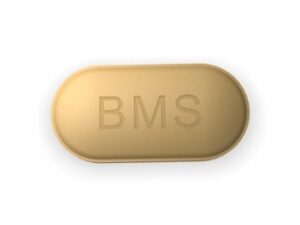

Actoplus Met (Metformin Hydrochloride)
Actoplus Met contains metformin hydrochloride, a medicine widely used to help manage type 2 diabetes mellitus. It works mainly by lowering blood glucose levels and improving how the body uses insulin. This guide explains how metformin works, how it’s typically taken, important food and alcohol considerations, interactions, safety information, and practical tips for everyday use in the United Kingdom (UK).
This information is for general guidance and does not replace advice from a healthcare professional. If you have questions about your personal situation, medication dose, or monitoring, speak to your clinician or pharmacist.
Basic product information
| Item | Details |
|---|---|
| Active ingredient | Metformin hydrochloride |
| Medicine type | Oral anti-diabetic (biguanide) |
| Common use | Type 2 diabetes management |
| How it’s taken | By mouth, usually with meals |
| Common effects | Lower blood sugar; may reduce appetite/weight gain in some people |
| Availability in UK | Metformin is widely available through pharmacies; specific brand availability may vary |
How Actoplus Met works (mechanism of action)
Metformin helps reduce blood glucose levels through several complementary actions, particularly in the liver and gut:
- Reduces glucose production by the liver: metformin lowers the amount of glucose released into the bloodstream.
- Improves insulin sensitivity: it helps the body respond better to insulin, so glucose can be used more effectively.
- May reduce intestinal glucose absorption: metformin can also influence glucose uptake in the gut.
- Glycaemic effects without typical hypoglycaemia: metformin does not usually cause low blood sugar by itself because it does not directly “force” the pancreas to release insulin.
Pharmacokinetics (how the medicine moves through the body)
Understanding how metformin behaves in the body can help you appreciate why dosing and food timing matter. Metformin is absorbed from the gastrointestinal tract and is eliminated mainly by the kidneys.
Absorption
- Absorption occurs mainly in the small intestine.
- Taking metformin with food can reduce common stomach side effects.
Distribution
- Metformin distributes into body tissues; the kidneys are particularly important for clearance.
Metabolism
- Metformin is not significantly metabolised; it acts largely unchanged.
Elimination
- Metformin is eliminated primarily via the kidneys.
- This is why kidney function (for example, estimated glomerular filtration rate, eGFR) is important before and during treatment.
What Actoplus Met is used for (typical use & indications)
In the UK, metformin is commonly used for type 2 diabetes, either alone or in combination with other medicines, depending on your blood glucose levels and overall health.
Indications (common clinical reasons)
- Monotherapy for type 2 diabetes when diet and exercise are insufficient.
- Combination therapy with other glucose-lowering medicines (such as sulfonylureas, insulin, or other agents) when blood glucose is not adequately controlled.
- In some individuals, clinicians may use metformin in specific situations such as preventing progression in insulin resistance or related conditions, according to local guidance and assessment of risk/benefit.
Your exact indication and regimen depend on clinical assessment, kidney function, other medicines, and the goals of your diabetes care plan.
When to take it (timing)
The best timing for Actoplus Met can vary slightly depending on your specific formulation and prescribed schedule. Follow your clinician’s or pharmacist’s instructions. The points below are general:
- Take with or after food to lower the chance of stomach upset.
- If prescribed twice daily, many people take one dose with breakfast and one with the evening meal.
- If prescribed multiple times daily, spread doses evenly and avoid large gaps where possible.
- Start low and increase gradually: many clinicians begin with a lower dose to improve tolerability, then adjust based on response and side effects.
For missed doses, the usual approach is to take the next dose at the usual time. Do not take extra doses to make up for a missed one unless your pharmacist advises otherwise.
Food interactions and dietary considerations
Metformin is best tolerated when taken with meals. Food doesn’t usually “cancel” metformin’s effect, but it can reduce gastrointestinal side effects such as nausea, diarrhoea, or abdominal discomfort.
General guidance
- Take with meals (or immediately after) when possible.
- Keep a consistent routine for meals, especially if you monitor blood glucose.
- Follow your diabetes-friendly diet plan (such as carbohydrate distribution recommendations) from your care team.
High-fibre or “diabetic” foods
There’s no single food that is universally unsafe with metformin. However, if a food is unusually rich or causes symptoms for you, adjust your diet and discuss concerns. If you experience persistent diarrhoea or discomfort, your clinician may review the dose or formulation.
Alcohol and medicine interactions
Alcohol requires particular caution with metformin, especially if you drink heavily or drink on an empty stomach. This is because alcohol can increase the risk of metabolic complications in certain situations.
Practical advice
- Avoid binge drinking.
- If you drink alcohol, do so with food and in moderation.
- Tell your healthcare professional if you have liver disease, heavy alcohol intake, or recurrent episodes of low intake/illness.
When to be extra careful
- During periods of vomiting, dehydration, or severe infection.
- If you have significant kidney impairment.
- If you take other medicines that may affect kidney function or overall metabolism.
Medicines interactions (important)
Metformin can interact with other medicines indirectly through effects on kidney function, hydration status, or blood sugar. Some combinations require dose adjustment, enhanced monitoring, or temporary changes.
Examples of common interaction categories
- Medicines that affect kidneys (for example, certain blood pressure medicines or diuretics) may change hydration or renal clearance. Your clinician may monitor kidney function more closely.
- Contrast dye (iodinated) for scans: metformin may need to be temporarily stopped in some circumstances, depending on your kidney function and the type of procedure. Ask your clinician or radiology team about guidance before imaging.
- Other diabetes medicines: while metformin alone typically does not cause hypoglycaemia, combining with insulin or sulfonylureas can increase the risk of low blood sugar. Monitor as advised.
- Medicines that cause dehydration: prolonged diarrhoea or vomiting, or drugs that promote fluid loss, may increase risk of complications—seek advice promptly.
Always tell your pharmacist about all medicines you take, including over-the-counter products and herbal preparations. If you start a new medicine, ask whether it affects metformin.
Dosing (how much and how it’s adjusted)
Dosing is individual. It depends on your blood glucose levels, tolerance (especially stomach side effects), kidney function, and whether you use metformin alone or with other diabetes medicines.
General principles of metformin dosing
- Start gradually to improve tolerability.
- Take with food.
- Doses are often increased every 1–2 weeks (or as advised) depending on side effects and glucose readings.
- Maximum dose depends on the specific product and your kidney function; do not exceed the prescribed dose.
Monitoring that may accompany dosing
- HbA1c (a long-term blood sugar marker)
- Kidney function (e.g., serum creatinine and eGFR)
- Vitamin B12 levels may be checked periodically, especially with longer-term use or symptoms such as numbness/tingling.
If you are unsure about your schedule, check your label or medication instruction sheet. If you experience side effects, consult your pharmacist or clinician before changing your dose on your own.
Safety profile and side effects
Like all medicines, metformin can cause side effects. Many are mild and improve after the first weeks of treatment, especially when the dose is increased gradually and taken with food.
Common side effects
- Gastrointestinal symptoms: nausea, diarrhoea, stomach upset, abdominal discomfort, or a reduced appetite.
- Metallic taste in some people.
Tips to reduce stomach side effects
- Take doses with meals.
- Follow gradual dose increases if your clinician advised them.
- Avoid very large or very rich meals around dosing times.
- Stay well hydrated unless you’ve been told to restrict fluids.
Serious risks (seek urgent medical advice if relevant)
The most important serious risk associated with metformin is lactic acidosis, a rare condition that can be life-threatening. While it is uncommon, the risk increases in situations such as severe kidney impairment, severe infection, dehydration, or heavy alcohol use.
- Symptoms that may suggest lactic acidosis include unusual muscle pain, feeling very unwell, unusual sleepiness, trouble breathing, persistent stomach symptoms (such as vomiting or severe diarrhoea), and abdominal pain.
- If you feel very unwell or have severe symptoms, contact urgent medical services or seek immediate advice.
Vitamin B12 deficiency
Long-term metformin use can be associated with reduced vitamin B12 levels in some people. Symptoms may include fatigue, tingling or numbness, or balance problems. Your healthcare team may monitor B12 levels, especially if you develop symptoms.
Low blood sugar (hypoglycaemia)
Metformin alone usually does not cause hypoglycaemia. However, the risk may increase if metformin is used with medicines like insulin or sulfonylureas. Learn the symptoms of low blood sugar and follow your diabetes plan.
Practical use tips (making treatment easier)
- Use a routine: connect dosing to meals you eat at consistent times.
- Consider meal size and composition: very empty stomach dosing can worsen nausea.
- Track your response: note side effects and check blood glucose as advised.
- Hydration matters: drink enough fluids unless you’ve been told to restrict intake.
- Be “sick-day aware”: if you’re vomiting, severely unwell, or dehydrated, contact your healthcare team promptly for advice on whether to continue metformin.
- Keep a medication list: helpful if you need care elsewhere (e.g., urgent care, hospital visits).
Special situations
Kidney problems
Because metformin is cleared by the kidneys, kidney function is a key factor in dosing and safety. Your clinician may:
- Check eGFR before starting and during treatment.
- Adjust dose or stop metformin if kidney function declines.
Severe illness, dehydration, or surgery
In some circumstances (for example, severe infection, dehydration, or planned procedures requiring fasting), your clinician may advise pausing metformin temporarily. Ask for advice tailored to your situation.
Pregnancy and breastfeeding
Diabetes management in pregnancy often requires specialist planning. If you are pregnant, planning pregnancy, or breastfeeding, discuss treatment options with your healthcare team promptly.
Alternative options
Depending on your individual needs, clinicians may consider other treatments for type 2 diabetes. Alternatives may include:
- Other biguanide formulations or different metformin preparations (when available) that may be easier on the stomach.
- Other oral medicines such as sulfonylureas, DPP-4 inhibitors, thiazolidinediones, or SGLT2 inhibitors.
- Injectable medicines such as GLP-1 receptor agonists or insulin.
- Lifestyle and weight-management approaches: diet changes, physical activity, and structured weight loss programmes can significantly improve blood glucose.
The “best” alternative depends on your HbA1c, weight goals, kidney function, heart/kidney risk profile, side effect tolerance, and other medicines you take. Your clinician can help decide what fits you.
UK market and legal context (overview)
In the UK, metformin is part of mainstream diabetes care and is widely available. Medicines are regulated by the UK medicines framework and must have appropriate authorisation and patient information materials.
Information on availability, brand naming, and pack sizes can vary by supplier and region. Always check the product you are ordering for:
- Correct active ingredient (metformin) and strength
- Formulation type (some products may differ in release characteristics)
- Expiry date and batch details
- Label instructions for taking the medication
Recent guidance (what to expect in modern diabetes care)
Diabetes treatment in the UK is influenced by national and clinical guidance (including NICE recommendations and updates from diabetes specialist bodies). While guidance can evolve, common themes include:
- Metformin as a core option for many people with type 2 diabetes, provided it is tolerated and kidney function allows.
- Individualised treatment: selection of add-on therapy depends on cardiovascular and kidney risk, weight goals, hypoglycaemia risk, and patient preference.
- Structured monitoring: HbA1c targets, renal function checks, and addressing long-term complications.
- Safety considerations such as monitoring B12 and ensuring appropriate precautions during acute illness and around imaging procedures.
Your care plan should reflect your personal risk profile and the latest recommendations used by your clinician or local service.
Delivery and availability in the UK
Actoplus Met (metformin) may be available from multiple suppliers and pharmacies in the UK. Availability can depend on local stock, pack size, and the exact strength/formulation you need. When ordering online, you may be offered:
- Standard delivery (typically a few working days)
- Express options in some areas
- Age and identity checks when required by the supplier’s compliance processes
Always store medication as directed on the label, typically in a cool, dry place away from direct sunlight and out of reach of children.
FAQ
1) What is Actoplus Met used for?
Actoplus Met contains metformin and is used for managing type 2 diabetes. It helps lower blood sugar and can be used alone or with other diabetes medicines depending on your control and overall health.
2) How long does it take to work?
Metformin starts working soon after you begin taking it, but noticeable changes in long-term markers like HbA1c typically take several weeks. Many people also feel side effects early on, which often improve with gradual dose increases.
3) Should I take metformin with food?
In general, taking metformin with or after meals helps reduce stomach side effects such as nausea and diarrhoea. Follow your specific schedule as instructed by your healthcare professional.
4) Can I drink alcohol while taking metformin?
Moderate alcohol may be acceptable for some people, but it’s important to avoid binge drinking and to be cautious, especially if you drink on an empty stomach or you’re unwell. If you have concerns about alcohol use, discuss them with your clinician.
5) Will metformin cause low blood sugar?
Metformin alone usually does not cause hypoglycaemia. However, if combined with insulin or sulfonylureas, the risk of low blood sugar can increase. If you’re using combination therapy, monitor as advised.
6) What should I do if I miss a dose?
If you miss a dose, take your next dose at the usual time. Do not double up unless your pharmacist or clinician advises it.
7) Are there any tests I should have while on metformin?
Many people have periodic checks such as:
- Kidney function (eGFR/creatinine)
- HbA1c (blood glucose control)
- Vitamin B12 (especially with long-term use or symptoms)
8) What side effects are most common?
The most common side effects are gastrointestinal, including nausea, diarrhoea, and abdominal discomfort—often improved by taking the medicine with meals and increasing dose gradually.
9) When should I seek urgent help?
Seek urgent medical advice if you feel very unwell, have symptoms suggesting lactic acidosis (such as trouble breathing, severe or persistent stomach symptoms with weakness, or unusual sleepiness), or if you are concerned about a serious reaction.
10) Are there alternatives if metformin upsets my stomach?
Yes. Options may include switching metformin formulation (if available), adjusting the dose, or considering add-on therapy with other medicines. Discuss your symptoms with your clinician or pharmacist before making changes.