
Glucotrol (Glipizide) — Patient Guide (UK)
Glucotrol contains glipizide, a medicine used to help control blood sugar in adults with type 2 diabetes. This page explains how it works, when and how to take it, key safety points, and what to expect. It is written for patients and carers in the United Kingdom.
| Product name | Glucotrol (Glipizide) |
|---|---|
| Active ingredient | Glipizide |
| Medicine type | Sulfonylurea antidiabetic (blood-sugar lowering) |
| Common use | Type 2 diabetes (when diet/exercise and/or other medicines are not sufficient) |
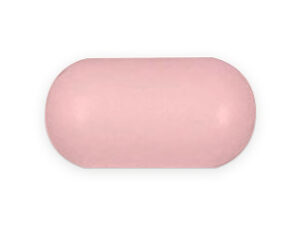
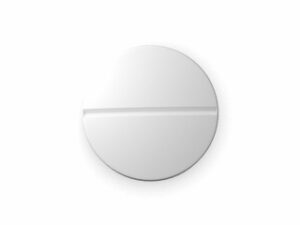
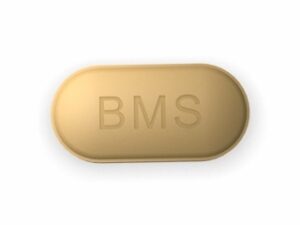
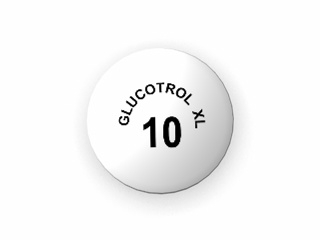
| Formulations | Immediate-release tablets (availability may vary by brand/manufacturer) |
| Typical benefit | Helps lower blood glucose by increasing insulin release |
What is Glucotrol (Glipizide)?
Glucotrol is the brand name for glipizide, a medicine in the sulfonylurea group. Sulfonylureas help the body release more insulin from the pancreas when blood sugar is elevated. Glipizide is usually used in adults with type 2 diabetes as part of an overall treatment plan that includes healthy eating, physical activity, and weight management where appropriate.
In the UK, many people use a combination of lifestyle measures and one or more diabetes medicines. Glipizide may be considered when additional blood-sugar lowering is needed, particularly if metformin alone is not sufficient or not suitable.
How Glipizide Works (Mechanism of Action)
Glipizide lowers blood glucose mainly by:
- Stimulating insulin release from pancreatic beta cells, but primarily when glucose levels are higher.
- Increasing insulin secretion in response to meals and elevated blood sugar.
Because glipizide increases insulin secretion, it can occasionally cause hypoglycaemia (low blood sugar), particularly if meals are skipped or dosing is too high.
Pharmacokinetics (How the Body Handles the Medicine)
Pharmacokinetics describes absorption, distribution, metabolism, and elimination. While individual responses vary, the general pattern for glipizide includes:
- Absorption: Glipizide is absorbed from the gastrointestinal tract after taking a tablet.
- Onset: Blood sugar lowering can begin within a few hours, with greatest effects typically aligning with meal-related rises in glucose.
- Protein binding: Glipizide is moderately protein bound, influencing how it circulates in the body.
- Metabolism: It is metabolised mainly in the liver.
- Excretion: Metabolites are eliminated largely via the kidneys. In kidney disease, dosing may need adjustment depending on overall health and diabetes management plan.
If you have kidney or liver problems, you may need closer monitoring and dose adjustment.
What is Glucotrol Used for? (Indications)
Glucotrol (glipizide) is used in the management of:
- Type 2 diabetes in adults, to improve glycaemic control (blood sugar).
It may be used:
- As monotherapy (alone), or
- In combination therapy with other diabetes medicines (for example, metformin or insulin), depending on individual circumstances.
When to Take It (Timing and Daily Routine)
Correct timing helps reduce the risk of low blood sugar and improves effectiveness.
Typical advice
- Take glipizide with food, especially with your first main meal of the day or as directed by your clinician.
- If you are taking more than one dose per day, distribute doses according to meal pattern (for example, morning and evening meals).
- Try to take it at consistent times each day.
Why food matters
Glipizide works by triggering insulin release. Taking it without eating (or eating significantly less than usual) increases the chance that insulin effect will outweigh the available glucose in your bloodstream.
Food Interactions and Dietary Considerations
Glipizide does not have a long list of “forbidden foods,” but diet timing is important.
- Do not skip meals after taking glipizide.
- If your appetite is reduced (for example, due to illness), you may need guidance about continuing your dose.
- Alcohol can increase hypoglycaemia risk (see below).
- Steady carbohydrate intake can help predict blood glucose changes.
Practical tip: If you plan to eat at different times than usual (night shifts, travel, Ramadan, etc.), contact your diabetes care team for advice before changing meal schedules.
Alcohol Interactions
Alcohol can make blood sugar harder to control. With sulfonylureas such as glipizide, alcohol may:
- Increase the risk of hypoglycaemia, especially if you drink on an empty stomach.
- Contribute to impaired awareness of symptoms, making low blood sugar harder to recognise.
General patient guidance: If you drink alcohol, do so with food and in moderation, and consider more frequent glucose monitoring. If you are unsure, speak to your healthcare team.
Medicine Interactions (Important)
Many medicines can affect blood glucose control or change glipizide levels in the body. It’s important to tell your healthcare professional about all medicines you take, including over-the-counter products and supplements.
Medicines that may increase hypoglycaemia risk
Some medicines can enhance glucose-lowering or affect glipizide metabolism. Examples include certain:
- Non-steroidal anti-inflammatory drugs (NSAIDs) (some may increase hypoglycaemia risk)
- Salicylates
- Other antidiabetes medicines (e.g., insulin, other sulfonylureas, or glucose-lowering therapies)
- Some antibiotics (individual effects vary)
Medicines that may reduce glucose-lowering effect
Other drugs can increase blood sugar or reduce the effect of glipizide. Examples include:
- Corticosteroids (e.g., prednisolone)
- Diuretics (water tablets)
- Some hormones (e.g., thyroid hormones if dose changes)
- Some antipsychotics and other medicines affecting metabolism
Beta-blockers and symptom masking
Medicines such as beta-blockers can mask warning signs of hypoglycaemia (for example, rapid heartbeat), meaning you may feel less able to detect low sugar.
Always check with a pharmacist if you start, stop, or change any medication.
Dosing: How Much Should You Take?
Dose is individual and depends on your blood glucose levels, age, kidney and liver function, and overall diabetes plan.
General principles (typical starting approach)
- Start low and adjust gradually to reach the lowest effective dose with safe blood sugar control.
- Adjustments are usually based on capillary blood glucose readings and/or HbA1c results.
- For older adults or those at higher risk of hypoglycaemia, clinicians may begin with a lower dose and monitor more closely.
How to take tablets
- Swallow tablets with water.
- Take with food as advised.
- If you miss a dose, do not double up. Follow your clinician/pharmacist’s instructions or local patient guidance.
Do not change your dose without medical advice, even if your glucose readings seem high or low.
Safety Profile and Side Effects
Like all medicines, glipizide can cause side effects. Some people experience none, while others may have mild or treatable effects.
Common or important side effects
- Hypoglycaemia (low blood sugar): the most important risk.
- Headache or dizziness (may relate to glucose changes).
- Gastrointestinal effects such as nausea (less common).
- Weight gain can occur with sulfonylureas, largely due to insulin effect and appetite changes.
Signs of hypoglycaemia
Seek urgent help if symptoms are severe or you cannot safely treat them yourself. If you can recognise early symptoms, treat promptly.
- Sweating, shakiness, sweating
- Feeling hungry or nauseated
- Fast heartbeat, anxiety, irritability
- Dizziness, confusion, unusual tiredness
- Trouble speaking, fainting, or seizures (severe cases)
What to do if blood sugar is low
General hypoglycaemia first aid (when you are able to swallow):
- Take fast-acting glucose (e.g., glucose tablets or a sugary drink).
- Recheck blood sugar after about 10–15 minutes.
- Follow with a snack or meal if your next meal is not due soon.
If you take insulin or another glucose-lowering medicine, you may need a personalised plan from your diabetes team.
Less common but serious concerns
- Allergic reactions (rash, swelling, breathing difficulties) — seek urgent medical help.
- Liver problems are rare but may require urgent assessment if you develop jaundice (yellow skin/eyes) or severe fatigue.
- Persistent low blood sugar despite treatment — may indicate incorrect dosing, missed meals, or interactions.
Practical Tips for Safer Use
- Carry a diabetes card or wear medical alert identification if you have hypoglycaemia risk.
- Keep a source of fast sugar in your bag/car for emergencies.
- Monitor your glucose as advised—particularly when starting or adjusting dose.
- Stay consistent with meals (especially breakfast if you take morning doses).
- Be cautious with exercise changes: more intense or longer exercise than usual can increase low blood sugar risk.
- During illness (“sick days”), blood glucose may fluctuate. Contact your diabetes team for guidance; you may require additional monitoring and a tailored plan.
Who Should Take Extra Care?
Glipizide may be appropriate for many people with type 2 diabetes, but extra caution is often needed if you:
- Are older (hypoglycaemia risk can be higher)
- Have kidney or liver impairment
- Have a history of recurrent hypoglycaemia
- Take medicines that can mask low sugar symptoms (e.g., beta-blockers)
- Have irregular meal patterns or difficulty eating (for example, due to illness or other conditions)
Alternatives to Glucotrol (Glipizide)
If glipizide is not suitable or not effective, your healthcare professional may consider other options. Treatment choice depends on your HbA1c, other health conditions, risk of hypoglycaemia, weight considerations, and personal preferences.
Common alternative medication groups
- Metformin (often first-line in many guidelines)
- DPP-4 inhibitors (lower risk of hypoglycaemia than sulfonylureas)
- GLP-1 receptor agonists and dual GIP/GLP-1 therapies (may support weight loss)
- SGLT2 inhibitors (can help lower blood sugar via the kidneys)
- Thiazolidinediones (in selected patients)
- Insulin in more advanced cases
Note: Not all options are suitable for everyone. Your clinician can help you choose based on safety, monitoring needs, and potential benefits.
UK Market and Legal Context (Patient-Friendly Overview)
In the United Kingdom, diabetes medicines are regulated by the Medicines and Healthcare products Regulatory Agency (MHRA). The prescribing and supply of medicines is governed by UK rules, including controlled processes to ensure safe use.
Diabetes guidelines used in the UK are influenced by recommendations from organisations such as:
- National Institute for Health and Care Excellence (NICE)
- Diabetes UK
These recommendations consider overall health outcomes and the balance of benefits and risks (including hypoglycaemia). Over time, modern treatment strategies often prioritise therapies with lower hypoglycaemia risk and possible cardiovascular benefits, depending on the individual.
Recent Guidance and Treatment Trends (What Many Clinicians Consider)
While individual decisions must always follow your own clinical situation, recent diabetes care trends in the UK commonly include:
- Starting with lifestyle measures plus metformin where appropriate.
- Considering add-on medicines based on comorbidities (such as cardiovascular disease, heart failure, or kidney disease) and risk of hypoglycaemia.
- Using sulfonylureas (including glipizide) selectively, particularly when other options are unsuitable, unavailable, or not appropriate for the person.
Because treatment approaches evolve, if you are currently taking glipizide, it’s still reasonable to ask your diabetes team whether your regimen remains optimal for your overall health goals.
Delivery and Availability (UK Online Pharmacy)
Availability can vary by strength and tablet type depending on manufacturer supply. Many pharmacies aim to keep common diabetes medicines in stock, but delays can occur due to manufacturing schedules.
When ordering online in the UK, you may be asked to confirm information for safe supply and handling. Delivery times depend on location and the pharmacy’s dispatch cut-off times. If your item is out of stock, some pharmacies may offer an expected restock date or alternatives.
Storage at home: Keep tablets in their original packaging, protected from moisture and heat. Store at room temperature unless your product label states otherwise. Keep out of sight and reach of children.
FAQ
1) Is Glucotrol the same as glipizide?
Yes. Glucotrol is a brand name that contains glipizide as the active ingredient. Your product label will show the strength and active substance.
2) How quickly will it lower my blood sugar?
Glipizide starts working after you take a dose, and blood sugar can begin to drop within a few hours. The full effect of dose changes is usually assessed over days to weeks using glucose readings and HbA1c.
3) What should I do if I miss a dose?
Follow the instructions from your pharmacy or healthcare professional. In general, do not take a double dose to make up for a missed tablet. If you are unsure, check with your pharmacist.
4) Can I drink alcohol while taking glipizide?
You should be cautious. Alcohol can increase the risk of low blood sugar, especially if you drink without eating. If you choose to drink, do so with food and in moderation, and monitor your glucose more often.
5) What are the warning signs of low blood sugar?
Common early signs include sweating, shakiness, hunger, dizziness, confusion, and fast heartbeat. Severe symptoms can include fainting or seizures. If you experience severe symptoms, seek urgent medical help.
6) Can glipizide cause weight gain?
It can. Weight gain is a known possibility with sulfonylureas. Lifestyle measures can help, and your clinician can review your overall diabetes plan if weight changes occur.
7) Are there medicines I should avoid?
Some medicines can raise or lower blood sugar further, and some can affect how glipizide works. Always check with your pharmacist or clinician if you start new medicines, including antibiotics, steroids, NSAIDs, or over-the-counter remedies.
8) Is glipizide suitable for everyone with type 2 diabetes?
No. It depends on your health, blood glucose profile, age, kidney/liver function, risk of hypoglycaemia, and other treatments. Your diabetes team can determine whether glipizide is appropriate for you.
9) What if I have kidney disease?
People with reduced kidney function may be at higher risk of hypoglycaemia with sulfonylureas. Your clinician may choose a different dose or alternative therapy and will usually monitor you more closely.
10) When should I contact my healthcare professional urgently?
Contact urgent care or seek emergency help if you have signs of severe hypoglycaemia, allergic reaction (swelling or breathing difficulty), persistent vomiting preventing eating, or symptoms suggesting liver problems (for example, yellow skin/eyes).
Key Takeaways
- Glucotrol (glipizide) is a sulfonylurea used for type 2 diabetes.
- It works by stimulating insulin release, which is why hypoglycaemia risk is the key safety issue.
- Take it with food and avoid skipping meals.
- Alcohol can increase hypoglycaemia risk—use caution.
- Tell your pharmacist about all medicines to reduce interaction risks.
This information is intended to help you understand your medicine. If you have questions about your specific dosing or safety, contact your pharmacist or diabetes care team.