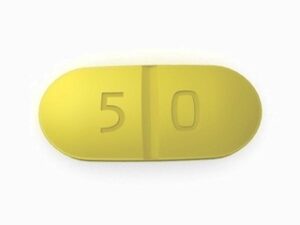
Naltrexone (Naltrexone Hydrochloride) – Patient-Friendly Guide (UK)
Naltrexone is a medicine used to help reduce harmful urges and behaviours in certain conditions, most commonly alcohol dependence and opioid dependence (after opioid withdrawal has been completed). It works by blocking specific receptors in the brain involved in the rewarding effects of alcohol and opioids.
This page explains what naltrexone is, how it works, typical uses, timing, food and alcohol interactions, dosing principles, safety information, and practical tips for everyday use in the United Kingdom.
Basic product information
| Information | Details |
|---|---|
| Generic name | Naltrexone (naltrexone hydrochloride) |
| Type of medicine | Opioid receptor antagonist |
| Common form | Tablets (strengths vary by brand/market) |
| Main benefit | Reduces rewarding effects of alcohol/opioids and helps support treatment goals |
| How it is taken | Usually once daily for tablets (follow your individual instructions) |
| Key safety point | Must not be taken while opioids are active in your system |
How naltrexone works (mechanism of action)
Naltrexone belongs to a group of medicines known as opioid receptor antagonists. It blocks opioid receptors (especially the mu-opioid receptors) in the brain. This means it reduces or prevents the effects that opioids would normally have.
In alcohol dependence, naltrexone may also help by interfering with the brain pathways that contribute to alcohol’s rewarding effects. People may experience fewer cravings or reduced drive to drink, which can support long-term abstinence or reduced drinking.
What this means in practice
- Opioids (e.g., morphine, oxycodone, heroin): Naltrexone can block their effects. Taking opioids while on naltrexone may not work as expected and can be dangerous if opioid use continues.
- Alcohol: Naltrexone may reduce the “reward” signals some people experience from alcohol, which can help treatment adherence.
- Overdose risk changes: Because opioid effects may be blocked, opioid overdose may present differently. However, this does not make opioid use safe and does not replace emergency care if someone is unwell.
Pharmacokinetics (absorption, distribution, metabolism, elimination)
Pharmacokinetics describes how the body handles a medicine. For naltrexone, key points include:
- Absorption: After oral dosing, naltrexone is absorbed from the gastrointestinal tract and becomes available in the bloodstream.
- Metabolism: Naltrexone is metabolised mainly in the liver to its primary active metabolite, 6β-naltrexol.
- Elimination: Both naltrexone and its metabolites are eliminated primarily through the kidneys (urine).
- Onset and duration: Effects can begin after the medicine is absorbed; the duration of action depends on metabolism and individual factors.
Because naltrexone is processed by the liver, liver function matters. Your clinician may request blood tests and monitor for liver-related side effects, particularly if you have risk factors for liver disease.
Typical use in the UK
In the United Kingdom, naltrexone is used as part of a broader treatment plan, which may include counselling, psychosocial support, and monitoring. The exact programme varies between services.
Common indications
Naltrexone is used for:
- Alcohol dependence (to help reduce drinking and/or support abstinence).
- Opioid dependence as part of relapse prevention after opioid withdrawal has been completed.
It is not a standalone “quick fix”. Best outcomes generally occur when naltrexone is combined with supportive interventions that address triggers, habits, and mental wellbeing.
Timing: when to take naltrexone
Most tablet regimens are taken once daily. The most important rule is to take it consistently at the same time each day, unless your prescriber or medicines team has advised otherwise.
- Choose a routine: Morning or evening—pick what best fits your day.
- If you miss a dose: Take it when you remember unless it is close to your next dose. Do not take a double dose.
- During treatment: Keep regular review appointments to assess progress and safety, especially liver health.
If you have questions about your exact schedule, it’s best to follow the specific instructions provided with your medication.
Food interactions
Naltrexone tablets can generally be taken with or without food. Food is not usually expected to significantly change how the medicine works for most people.
Practical advice
- If nausea occurs, consider taking it with a light meal.
- Stay well hydrated and avoid heavy alcohol intake unless advised otherwise by your treatment team.
Alcohol interactions
Alcohol is a key consideration for people taking naltrexone for alcohol dependence. Naltrexone is intended to help reduce alcohol’s effects and support treatment goals, but it does not make drinking risk-free.
Safety notes
- Avoid binge drinking: Alcohol can still harm the body and worsen mental and physical health.
- Withdrawal and relapse risk: If drinking stops or varies, cravings and withdrawal symptoms can occur. Support services can help you manage this safely.
- Do not use naltrexone to “cancel” opioid or alcohol effects: Blocking receptors does not eliminate the dangers of intoxication.
Interactions with other medicines
The most important drug interaction is with opioids. Naltrexone can block opioid effects and can precipitate withdrawal if opioids are active in the body.
Opioid-containing medicines
Do not start naltrexone if you are currently taking opioids or if opioids may still be in your system. This includes:
- Prescription opioid painkillers (e.g., morphine, oxycodone, fentanyl, codeine—depending on dose and duration)
- Opioid-containing cough remedies (where applicable)
- Heroin or other illicit opioids
If you require pain relief or have surgery planned, tell the medical team you are taking naltrexone so they can plan non-opioid options where possible.
Other medicines
Naltrexone is metabolised in the liver, so medicines that affect liver enzymes or increase liver workload may require caution. Always review your full medication list with a healthcare professional, especially if you have liver disease.
Also consider discussing the following:
- Medicines for depression, anxiety, or other mental health conditions
- Medicines for nausea, sleep, or severe pain (especially if opioid-containing)
- Herbal products and supplements
Indications and dosing principles
Dosing varies based on the condition being treated, treatment history, and clinical assessment. Below are general dosing principles commonly used in practice.
Alcohol dependence
Naltrexone is used to support reducing or stopping alcohol use. People are generally reviewed for effectiveness and safety over time.
- Typical schedule: Often once daily.
- Starting approach: Many programmes start once abstinence or a reduced drinking plan is established.
Opioid dependence (relapse prevention)
For opioid dependence, naltrexone is used after opioid withdrawal is complete. This is important because starting too soon can trigger withdrawal symptoms.
- Key requirement: Opioids must be cleared from the body before starting.
- Assessment: Clinicians may use timing or tests to confirm opioid-free status.
Dose adjustments and special populations
- Liver impairment: Naltrexone should be used cautiously. If you have liver disease or abnormal liver tests, your clinician may alter treatment or monitor more closely.
- Kidney impairment: Caution may be needed depending on severity and overall medical condition.
- Older adults: Dosing may need individual adjustment and monitoring for side effects.
Safety profile and possible side effects
Like all medicines, naltrexone can cause side effects. Many are mild and improve as your body adjusts, but some require prompt medical attention.
Common side effects
- Nausea or stomach discomfort
- Headache
- Dizziness
- Fatigue or sleep disturbance
- Reduced appetite
- Swelling or general unwell feelings (occasionally)
Important risks
- Liver injury: Naltrexone can affect liver enzymes in some people. Contact a healthcare professional if you notice symptoms such as yellowing of the skin/eyes (jaundice), dark urine, severe upper abdominal pain, or unusual tiredness.
- Opioid withdrawal: If opioids are present in the body, naltrexone can cause withdrawal symptoms. Symptoms may include agitation, anxiety, sweating, nausea/vomiting, diarrhoea, muscle aches, and flu-like feelings.
- Depression or mood changes: Mood can change during treatment. Seek help if you feel low, hopeless, or have suicidal thoughts.
- Allergic reactions (rare): Seek urgent care if you develop rash, swelling, wheezing, or breathing difficulties.
When to seek urgent help
- Severe allergic reaction symptoms (swelling of face/lips, difficulty breathing)
- Signs of significant liver problems (jaundice, dark urine, persistent severe abdominal pain)
- Severe withdrawal symptoms or severe agitation after starting
- Thoughts of self-harm or severe worsening mood
If you think you may have taken opioids close to starting naltrexone, contact medical services for advice immediately.
Practical use tips
The success of naltrexone depends not only on the tablet but also on consistent routines and support. The tips below can help make treatment easier.
1) Keep track of your schedule
- Use a daily reminder (phone alarm, calendar alert, or a pill organiser).
- Try to take it at the same time each day.
2) Plan for cravings and triggers
- Identify your most common triggers (time of day, places, people, emotions).
- Have a “craving plan” (e.g., phone a friend, go for a walk, use a coping technique).
- Use behavioural strategies alongside the medicine.
3) Avoid opioid-containing products unless discussed with a clinician
- Read labels carefully (including cough or cold preparations that may contain opioids in some cases).
- Tell dentists and other healthcare professionals that you take naltrexone.
4) Monitor wellbeing and side effects
- Keep a simple note of side effects and any symptoms related to mood or liver health.
- Attend scheduled follow-ups and any blood tests.
5) Safe storage
- Store at room temperature as directed on the pack.
- Keep out of sight and reach of children.
Alternative options (UK overview)
If naltrexone is not suitable or is not tolerated, there may be other treatment approaches depending on the condition. Options include medicines and non-medicine support.
Alcohol dependence
- Acamprosate: Often used to support abstinence after alcohol withdrawal.
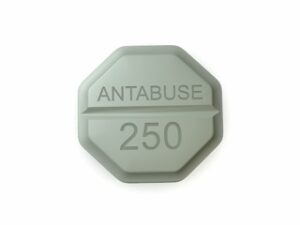
- Disulfiram: Creates unpleasant effects if alcohol is consumed (requires strict avoidance and supervision).
- Psychological support: e.g., counselling, motivational interventions, cognitive behavioural strategies.
Opioid dependence
- Methadone (substitution therapy)
- Buprenorphine (substitution therapy)
- Psychosocial support and harm reduction services
The best choice depends on your medical history, current opioid/alcohol exposure, support needs, and preferences.
Market and legal context in the UK
Naltrexone hydrochloride is a well-established medicine used within UK healthcare settings. Availability and prescribing pathways may differ across England, Scotland, Wales and Northern Ireland and between NHS and private services.
Medicines in the UK are supplied under regulatory controls, including requirements for safe use, labelling, and pharmacy processes. In many cases, treatment decisions for dependence conditions involve assessment and monitoring within local services.
Recent guidance (general themes)
UK clinical practice continues to emphasise:
- Careful screening before starting treatment, particularly opioid-free status when using naltrexone for opioid dependence.
- Monitoring for liver health where relevant.
- Combining medication with psychosocial interventions to improve long-term outcomes.
- Harm reduction and safe management plans for relapse risk.
Local service protocols can vary, so always follow the guidance and instructions provided with your treatment.
Delivery and availability (online pharmacy)
Availability depends on the specific product strength and whether stock is held locally or supplied through approved distribution networks. If you order online, delivery times vary by location and courier service.
What to expect
- Order processing: Usually includes pharmacy checks to ensure the medicine is supplied appropriately.
- Packaging: Medicines are dispatched in tamper-evident packaging, protected for transit.
- Delivery: Commonly next-day or within a few working days (varies by service and region).
If you need your medicine urgently or you have delivery constraints, contact the pharmacy’s customer support so they can advise on the best option.
FAQ
1) Can I drink alcohol while taking naltrexone?
Naltrexone may help reduce alcohol’s effects, but it does not make alcohol safe. If your goal is to reduce or stop drinking, taking naltrexone as directed and using your support plan is important. If you are struggling, speak to your treatment team.
2) Why is naltrexone not started if I still have opioids in my system?
Naltrexone blocks opioid receptors. If opioids are still active in your body, it can trigger opioid withdrawal and may not provide the intended benefits. Clinicians generally require an opioid-free period before starting.
3) What happens if I accidentally take opioids while on naltrexone?
Opioid effects may be blocked, but this does not eliminate risk. Seek urgent medical help if you feel unwell or if opioid use is escalating. Always inform healthcare professionals you are taking naltrexone.
4) Can I take naltrexone with food?
In general, yes. If you experience nausea, taking your dose with a meal may help.
5) What liver monitoring might be needed?
Naltrexone can affect liver enzymes in some people. Your clinician may do blood tests before and during treatment, especially if you have known liver issues or other risk factors.
6) What side effects should I watch for most closely?
Watch for signs of liver problems (jaundice, dark urine, severe abdominal pain), mood changes, allergic reactions, and withdrawal symptoms if opioids are present.
7) How long does it take to work?
Some people notice changes in cravings or reduced “reward” signals relatively early, but effects can vary. Treatment plans usually involve regular review over weeks to months.
8) What should I do if I miss a dose?
Take it when you remember unless it is near the time for your next dose. Do not take a double dose. If you miss several doses, contact a healthcare professional for advice on restarting.
9) Is naltrexone suitable for everyone?
No. It may not be suitable if you have active opioid use, certain liver conditions, or a history of significant intolerance. Your clinician should assess your medical history and current medicines before starting.
10) Where can I get additional support?
Dependence treatment often works best with support. Community services, GP-led pathways, and specialist addiction services can offer counselling and monitoring. If you are in immediate danger or feel unsafe, call emergency services.
Important: Always read the Patient Information Leaflet provided with your medicine and follow the instructions on your pack. If you have specific health questions—particularly about opioids, liver health, or drug interactions—speak to a qualified healthcare professional or pharmacy team.