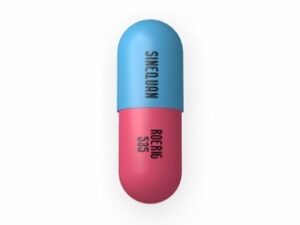
Revia (Naltrexone) – Patient Guide (UK)
Revia contains naltrexone, a medicine used to help manage alcohol dependence and support opioid-use disorder treatment by reducing cravings and blocking the effects of opioids. This guide explains how it works, how to take it, what to expect, and important safety information for people in the United Kingdom.
1. Basic product information
| Information | Details |
|---|---|
| Medicinal product | Revia (naltrexone) |
| What it is | Opioid receptor antagonist (blocks opioid effects) |
| Common uses | Alcohol dependence; opioid-use disorder support (after opioid detoxification) |
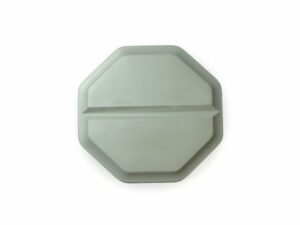
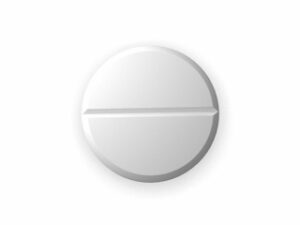
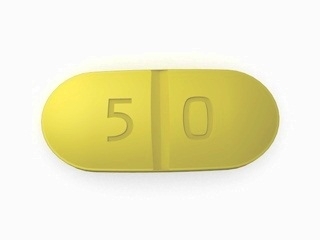
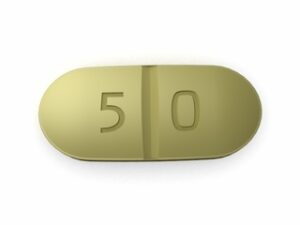
| Typical form | Tablets (strengths may vary by product listing) |
| Where it is used | United Kingdom |
If you are unsure about the exact strength you have, check the pack or ask your pharmacist.
2. How Revia works (mechanism of action)
Naltrexone works mainly by blocking opioid receptors in the brain. These receptors are involved in the pleasurable or reinforcing effects of opioids and (indirectly) alcohol-related reward pathways.
- For opioid-use disorder support: By occupying opioid receptors, naltrexone reduces or blocks the effects of heroin, morphine, oxycodone, and other opioid medicines.
- For alcohol dependence: Naltrexone helps modulate brain circuits involved in reward and craving, which may reduce the urge to drink and help prevent relapse for some people.
Revia is not an opioid itself and does not produce euphoria when taken as directed.
3. Pharmacokinetics (how the body handles naltrexone)
Pharmacokinetics describes how the medicine is absorbed, distributed, metabolised, and eliminated. General information is summarised below.
- Absorption: Naltrexone is absorbed after oral administration and reaches peak levels within a few hours (exact timing can vary between individuals).
- Metabolism: It is metabolised in the liver to an active metabolite, 6β-naltrexol.
- Half-life: Both naltrexone and 6β-naltrexol have biologically relevant durations, supporting once-daily dosing for many regimens.
- Elimination: Metabolites are mainly eliminated via the kidneys (urine).
If you have liver or kidney problems, your clinician may recommend monitoring or dose adjustments, because metabolism and clearance can be affected.
4. Typical uses and indications (what it is for)
Revia is used to treat the following conditions in appropriate adults:
- Alcohol dependence: To help reduce alcohol craving and support relapse prevention, as part of a broader treatment plan (often including counselling and psychosocial support).
- Opioid-use disorder support: In people who are opioid-free (after detoxification) to help prevent relapse by blocking opioid effects if relapse occurs.
The best results usually come when Revia is combined with structured support such as behavioural therapy, counselling, mutual help groups, or addiction services.
5. Timing and how to take Revia
Many regimens involve once daily dosing. Choose a time that you can stick to consistently.
How to start
- Alcohol dependence: Starting can be aligned with when you begin a treatment plan and lifestyle changes. Your clinician will advise how to time the first dose.
- Opioid-use disorder support: It is crucial to be opioid-free before starting naltrexone to avoid precipitating withdrawal symptoms.
What if you miss a dose?
- Take it as soon as you remember that day if you are close to your usual time.
- If it is almost time for the next dose, skip the missed dose and continue your schedule.
- Do not take a double dose to make up for a missed tablet.
6. Dosing information (general guidance)
Dosing varies by condition and individual factors. Always follow the dosing instructions provided for your particular pack and plan.
Common adult dosing patterns
- Alcohol dependence: Often starts at a daily dose and may continue long-term based on response and tolerability.
- Opioid-use disorder support: Typically uses a daily regimen after ensuring opioid abstinence.
Your clinician may review:
- response to treatment (cravings, drinking episodes, relapse risk)
- side effects
- liver function and overall health
Important: The most suitable dose depends on your medical history and the treatment goals. Do not adjust your dose without advice.
7. Food interactions and meal guidance
Naltrexone can generally be taken with or without food. If it upsets your stomach, taking it with a meal or snack may improve comfort.
- Take consistently: Choose a routine (morning with breakfast or evening after dinner).
- Stay hydrated: This can help with common mild side effects like headache or nausea.
8. Alcohol and medicine interactions
Alcohol
Revia is used in alcohol dependence, but it does not make you unable to drink. Whether you should drink alcohol while taking naltrexone depends on your treatment plan:
- Many people are encouraged to aim for abstinence or at least reduce intake significantly, with support.
- If you relapse (drink again), it may still be possible to continue treatment; discuss what to do with your healthcare professional.
Drinking alcohol can increase the risk of side effects such as dizziness, tiredness, or nausea, and can worsen motivation and safety—particularly if you are also taking other medicines.
Opioid-containing medicines (critical interaction)
Because naltrexone blocks opioid receptors, it can reduce the effect of opioid medicines (including those prescribed for pain or cough). This can be important in emergencies and planned procedures.
- If you need pain relief, inform healthcare professionals that you take Revia.
- Non-opioid pain relief options may be considered where appropriate.
Other medicines
Interactions depend on your medicines. Tell your pharmacist about:
- any opioid-containing products (including some cough preparations)
- medicines for depression or anxiety
- antipsychotics
- sleeping tablets
- anticonvulsants
- any supplements or herbal products
Your pharmacist can check for specific interaction risks.
9. Safety profile: common and serious side effects
Most people tolerate Revia reasonably well, but side effects can occur. Below is a practical overview. If you experience concerning symptoms, seek medical advice promptly.
Common side effects
- Nausea
- Headache
- Dizziness
- Fatigue or tiredness
- Sleep disturbances
- Reduced appetite
- Emotional or mood changes (report if significant)
Less common but important risks
- Liver problems: Naltrexone can affect liver enzymes. Your clinician may check blood tests (liver function) before and during treatment.
- Withdrawal symptoms in opioid-dependent people: Starting naltrexone while opioids are still in the body can trigger acute withdrawal symptoms.
- Allergic reactions: Seek urgent help for swelling of the face/lips, difficulty breathing, or widespread rash.
When to seek urgent help
- signs of severe allergic reaction (trouble breathing, swelling)
- severe abdominal pain, persistent vomiting, yellowing of skin/eyes (possible liver issues)
- severe agitation, confusion, or symptoms of significant withdrawal
This is not an exhaustive list. Refer to the patient information leaflet supplied with your medicine for full details.
10. Practical use tips for getting the most benefit
Revia works best as part of a complete plan. The following practical steps can improve outcomes and safety.
- Plan your support: Pair medication with counselling or structured support (for example, addiction services).
- Set reminders: Use a phone alarm or weekly pill organiser to help you stay consistent.
- Track triggers: For alcohol dependence, note times/places/people that make drinking more likely.
- Communicate with healthcare professionals: Let dentists, emergency services, and other clinicians know you take naltrexone.
- Avoid opioids unless specifically advised: Opioid medicines may not work well during treatment.
- Keep alcohol and drugs discussions honest: This helps your clinical team tailor the plan and reduce risk.
If you have concerns about mood changes or side effects, don’t stop abruptly without speaking to a professional—ask for guidance on how to manage symptoms or whether another option would suit you better.
11. Alternative options (if Revia isn’t suitable)
Treatment for alcohol dependence and opioid-use disorder can vary depending on your goals, medical history, and preferences. Below are common alternatives that may be considered by clinicians.
For alcohol dependence
- Acamprosate: Helps maintain abstinence in some people.
- Disulfiram: Used in carefully selected patients; causes unpleasant effects if alcohol is consumed.
- Behavioural therapies: Motivational interviewing, cognitive behavioural therapy (CBT), and relapse-prevention programmes.
For opioid-use disorder support
- Opioid agonist therapies: e.g., methadone or buprenorphine (used under specialist care).
- Other formulations of naltrexone: depending on what is available locally and suited to your plan.
- Intensive psychosocial support: structured programmes aimed at reducing relapse risk.
Your healthcare professional can advise what is most appropriate for your situation, including whether naltrexone is the best fit or whether another approach could be safer or more effective.
12. UK market and legal context (overview)
In the United Kingdom, medicines like naltrexone are supplied within the established medicines regulation and pharmacy frameworks. Availability and supply routes depend on the medicine’s classification and local processes.
- Regulation: UK medicines are authorised and monitored through regulatory systems (including safety monitoring and pharmacovigilance).
- Pharmacy supply: Medicines are provided through licensed channels, and supply should follow UK requirements for medicines handling and patient safety.
- Guidance-driven care: Treatment for alcohol dependence and opioid-use disorder is typically aligned with specialist and evidence-based guidance, with ongoing follow-up.
If you’re unsure about what documentation or checks may be needed for safe supply, ask the pharmacy team before placing an order online.
13. Recent guidance and clinical monitoring (what to expect)
Clinical practice evolves. In general, UK approaches emphasise:
- Individual assessment before starting treatment (including alcohol history, opioid status, and comorbidities).
- Ensuring safety before starting naltrexone in opioid-use disorder by confirming opioid abstinence to avoid precipitated withdrawal.
- Liver function monitoring in people with risk factors for liver disease or during treatment when clinically indicated.
- Supportive therapy alongside medication to reduce relapse risk and improve adherence.
Your clinician may schedule follow-up appointments to review your response, side effects, and ongoing risk factors.
14. Delivery and availability in the UK
Online pharmacies aim to deliver medicines to eligible UK customers promptly and safely. Availability can vary by strength and stock levels.
- Check availability: product pages typically show current stock status.
- Delivery times: depend on the pharmacy’s dispatch schedule and the carrier service used.
- Packaging: medicines are dispatched in appropriate packaging to protect the product and maintain confidentiality.
If you need your medicine urgently, contact customer support to ask about delivery options.
15. Revia FAQs
Is Revia the same as naltrexone?
Yes. Revia is a brand name that contains naltrexone.
How long does Revia take to start working?
Some people notice changes in cravings relatively early, but response can vary. For alcohol dependence, improvements may develop over days to weeks alongside support and lifestyle changes.
Can I drink alcohol while taking Revia?
Revia is used as part of treatment for alcohol dependence. Your plan may target abstinence or significant reduction. Drinking alcohol can still worsen health and increase safety risks, and it may undermine progress—follow your treatment plan and speak to your clinician if you’re struggling.
Will Revia block painkillers?
Revia can block the effects of opioid pain medicines. If you require pain relief, especially after injury or surgery, tell medical professionals you are taking naltrexone so they can choose suitable options.
Can I use opioid medicines if I take Revia?
Opioid medicines may not work as intended while you’re taking naltrexone, and attempting to “override” the block can be dangerous. Always discuss any pain or treatment needs with a healthcare professional.
What should I do if I think I feel withdrawal symptoms?
If you experience symptoms that concern you—particularly after starting naltrexone—seek urgent medical advice. Withdrawal can occur if opioids are still present in your system when naltrexone is started.
Do I need liver blood tests?
Your clinician may check liver function tests before starting and/or during treatment, especially if you have liver disease, heavy alcohol use history, or other risk factors.
Can I take Revia with food?
Yes—naltrexone can generally be taken with or without food. Taking it with food may help if you feel nauseous.
What happens if I miss a dose?
If you remember soon, take the dose when you can. If it’s close to the next dose, skip the missed one. Do not take a double dose.
Are there alternatives to help with cravings?
Yes. Alternative medications and non-medication supports may be appropriate depending on whether the main issue is alcohol dependence or opioid-use disorder.
16. Important final reminders
- Follow your treatment plan and attend follow-up if advised.
- Avoid opioids unless your clinical team specifically guides you—naltrexone can block them.
- Look after your liver: if you have risk factors or symptoms such as jaundice or severe abdominal pain, seek medical advice promptly.
- Support matters: medication works best when combined with counselling and relapse-prevention strategies.
For full information about side effects, warnings, and instructions, please read the patient information leaflet supplied with your Revia medicine.