
Prandin (Repaglinide) – Patient Information (UK)
Prandin contains repaglinide, a medicine used to help control blood sugar (glucose) in adults with type 2 diabetes. It works by stimulating the pancreas to release insulin when you eat. Because it is taken around mealtimes, timing is an important part of treatment.
This guide is designed to be clear and practical for patients in the United Kingdom. Always follow the instructions your prescriber or diabetes care team gives you.
Quick overview
| Feature | Information |
|---|---|
| Medicine | Prandin (repaglinide) |
| Use | Type 2 diabetes: improves blood glucose control |
| How it works | Increases insulin release from the pancreas around meals |
| Typical timing | Usually taken before meals (often within ~15 minutes) |
| Main risk | Low blood sugar (hypoglycaemia), especially if doses are too high or meals are missed |
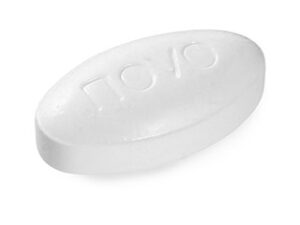
| Form | Tablets (strengths may vary) |
What Prandin is and what it’s used for
Prandin (repaglinide) is part of a group of medicines known as meglitinides (a type of insulin secretagogue). It is used to treat type 2 diabetes to help lower blood glucose levels.
It may be used:
- When blood sugar is not adequately controlled with diet, exercise, and/or other medicines
- Alone (monotherapy) in some situations
- In combination with other diabetes medicines, depending on your overall treatment plan
Not for type 1 diabetes or for diabetic ketoacidosis.
How repaglinide works (mechanism of action)
Repaglinide works by temporarily increasing the release of insulin from beta cells in the pancreas. It does this by binding to specific channels (ATP-sensitive potassium channels) on the beta cell surface.
- After you take a dose, the medicine helps your body release more insulin.
- This insulin release is most effective around meal times, helping to manage the rise in blood glucose after eating.
- As blood glucose levels fall, insulin release decreases.
Important: Prandin helps your pancreas release insulin. If your body can no longer produce insulin effectively, repaglinide may not work well.
Pharmacokinetics: how the body handles repaglinide
Pharmacokinetics describe how a medicine is absorbed, distributed, broken down (metabolised), and eliminated from the body.
- Absorption: Repaglinide is absorbed fairly quickly after a dose by mouth, helping it act around meals.
- Onset and peak effect: It typically reaches its peak effect relatively soon after taking it, which is why timing before meals matters.
- Metabolism: Repaglinide is mainly metabolised in the liver.
- Elimination: The metabolites are mainly eliminated from the body, largely via the bile and faeces (with some renal contribution).
Why this matters: Because the medicine is largely handled by the liver, liver impairment may affect how it works and can increase the risk of side effects such as hypoglycaemia. Your clinician will advise what is appropriate for you.
Indications (who it is for)
Prandin is indicated for the treatment of type 2 diabetes mellitus in adults. It is used to improve glycaemic control, particularly in people who have meal-related blood sugar rises.
It may be considered in patients:
- Needing glucose-lowering therapy in addition to lifestyle measures
- In whom regimen choice suits mealtime dosing
- Where combination therapy is appropriate
Typical dosing and timing
Your dose must be tailored to you. The information below is a general guide to help you understand common dosing patterns. Always follow the dosing schedule provided by your diabetes care team.
General timing
- Prandin is usually taken before meals.
- Often it is taken within about 15 minutes before eating, but exact instructions vary by patient and product guidance.
- If you miss a meal, you will usually be advised to skip the dose for that meal to reduce the risk of hypoglycaemia.
How many doses per day?
Most people take repaglinide with meals—typically 2 to 4 times daily depending on how many main meals they eat.
Dose adjustment
Doses may be adjusted based on:
- Your blood glucose readings
- Your HbA1c (a measure of longer-term glucose control)
- Any episodes of low blood sugar
- Changes in diet, weight, exercise, or other medicines
Practical example schedules
- 3 meals/day: taken before breakfast, lunch, and dinner
- 2 meals/day: taken before the two main meals
Missed dose: If you miss a dose but are still about to eat, your clinician or pharmacist may advise whether to take it. If you are uncertain, do not double up—seek advice.
Food interactions and meal-related guidance
Because repaglinide is designed to act before meals, food timing is central to safe use.
What to do about meals
- Take it before you eat (rather than after).
- Do not take extra doses to “catch up” if you eat later or miss a meal—ask your diabetes team for specific advice.
- Keep your meal pattern as consistent as possible to match dosing.
What about carbohydrate intake?
Reducing meal carbohydrates or eating smaller portions than usual may increase the chance of hypoglycaemia if your repaglinide dose stays the same.
If you plan significant changes to your diet (for example, weight-loss programs or very low carbohydrate diets), speak to your diabetes team so dosing can be reviewed.
Alcohol interactions
Alcohol can affect blood glucose levels and can increase the risk of hypoglycaemia, particularly if you drink:
- Without eating
- In larger amounts
- Following periods of increased physical activity
Alcohol may also worsen judgement and make it harder to recognise and treat low blood sugar.
Practical advice: If you drink alcohol, do so with food, monitor your glucose if advised, and be alert to symptoms of hypoglycaemia. If you have liver disease or take medicines that interact with repaglinide, ask your clinician for personalised guidance.
Medicine interactions (important UK guidance)
Repaglinide is metabolised mainly in the liver, and interactions can occur when medicines affect liver enzymes or transport proteins. These interactions can increase repaglinide levels (raising hypoglycaemia risk) or reduce its effect (leading to poor glucose control).
Common interaction categories to be aware of
- Liver enzyme inhibitors: may increase repaglinide levels and the risk of low blood sugar.
- Liver enzyme inducers: may decrease repaglinide levels and reduce effectiveness.
- Medicines affecting coagulation: depending on your situation, blood sugar swings can affect overall stability; always review your full medicines list.
- Other diabetes medicines: combining with other glucose-lowering agents can increase hypoglycaemia risk.
Always tell your pharmacist or diabetes team about all medicines you take, including:
- Prescription medicines
- Over-the-counter medicines
- Herbal products (for example, St John’s wort)
- Supplements
Seek urgent advice if you suspect a medicine interaction—especially if you experience unexpected hypoglycaemia.
Safety profile and side effects
Most important risk: hypoglycaemia
Hypoglycaemia (low blood sugar) is the main concern with repaglinide. The risk increases if:
- You take higher doses than recommended
- You miss meals or eat less than usual
- You exercise more than usual
- You drink alcohol
- Repaglinide is combined with other medicines that lower glucose
Symptoms of hypoglycaemia may include:
- Shaking, sweating, feeling anxious
- Fast heartbeat
- Hunger and nausea
- Headache, dizziness
- Confusion, difficulty concentrating
- In severe cases: loss of consciousness or seizures
What to do if you get low blood sugar
If you feel symptoms coming on:
- Check your blood glucose if you can.
- Take fast-acting sugar (e.g., glucose tablets, sugar-containing sweets, or a sugary drink).
- Recheck after about 10–15 minutes if advised.
- Once improved, eat a snack or meal if your next meal is not soon.
Do not drive if you feel you may become drowsy or confused from low blood sugar.
Other possible side effects
Side effects can vary between individuals. Report persistent or worrying symptoms to your healthcare team. Possible side effects include:
- Gastrointestinal symptoms: nausea, abdominal discomfort
- Weight changes: some people may gain weight with insulin secretagogues
- Hypersensitivity reactions: rash or allergic reactions (seek urgent help if severe)
Very rare but serious reactions can occur with any medicine. If you develop symptoms of allergy (e.g., swelling of face/lips, difficulty breathing), seek emergency help immediately.
Who should take extra care?
- People with liver problems: because metabolism is mainly hepatic
- Older adults: may be more sensitive to hypoglycaemia
- People with irregular meal patterns: higher risk of missing meals
- People taking interacting medicines: especially those that affect liver enzymes
Practical use tips for patients
Make timing easier
- Keep your tablets somewhere you will see before meals.
- Use a phone reminder that prompts you before eating (not after).
- If your meal schedule changes (travel, shift work), speak to your diabetes team about how to adjust safely.
Monitor glucose as advised
- Check blood sugar if your plan includes self-monitoring.
- Look for patterns—especially if readings are consistently low or high after certain meals.
Keep a “treat low blood sugar” option available
- Carry fast-acting sugar with you.
- Consider telling family or close contacts about what signs to look for and what to do.
Stay consistent with meal carbohydrate
If you plan changes to portion sizes, discuss dose adjustments. A sudden reduction in carbohydrate intake can raise the risk of hypoglycaemia.
Exercise and illness planning
- More exercise than usual can lower glucose; you may need guidance on dosing around activity.
- During illness, appetite may change—follow “sick day” advice from your diabetes team.
When to seek urgent help
Contact urgent medical services or seek emergency care if:
- You have severe symptoms of hypoglycaemia (e.g., collapse, seizure, inability to swallow)
- You suspect an allergic reaction with breathing difficulty or swelling
- You develop signs of very high blood sugar, dehydration, or diabetic ketoacidosis (more common in type 1 diabetes, but symptoms should still be taken seriously)
Alternatives to Prandin (repaglinide)
Diabetes medicines vary in how they work, how they’re taken, and their risk profiles. Depending on your health, blood sugar patterns, and existing treatments, your clinician might consider alternatives, such as:
Other meglitinides
- Nateglinide (where available/appropriate)
Other glucose-lowering tablets
- Sulfonylureas (e.g., gliclazide, glimepiride): also stimulate insulin, generally longer acting
- DPP-4 inhibitors (e.g., sitagliptin, linagliptin): increase incretin hormones
- GLP-1 receptor agonists (mostly injections): slow stomach emptying and improve insulin response
- SGLT2 inhibitors (e.g., dapagliflozin, empagliflozin): increase glucose loss in urine
- Metformin: often first-line if suitable
Insulin
- If tablet options are insufficient or if insulin is required, insulin regimens may be recommended.
Choosing an alternative depends on kidney function, liver function, weight goals, hypoglycaemia risk, and individual lifestyle. Your diabetes team can help you weigh benefits and risks.
Market and legal context in the United Kingdom
In the UK, diabetes medicines are regulated and supplied through licensed routes. Repaglinide is an established treatment option for type 2 diabetes and has been used for many years.
When purchasing medicines, it is important to use a legitimate, regulated pharmacy. Online sellers should provide clear product information, correct labelling, and appropriate patient support. Medicines may be delivered only within legal supply and delivery guidelines.
Pharmacovigilance: Reporting side effects helps improve safety. If you experience an adverse reaction, you can report it to the relevant UK medicine safety reporting system via your healthcare provider or the national reporting routes.
Recent guidance and clinical considerations
Diabetes treatment in the UK is typically guided by evidence-based clinical pathways and updates from relevant organisations. Over recent years, emphasis has grown on:
- Individualised treatment plans based on blood glucose patterns and patient characteristics
- Minimising hypoglycaemia risk where possible
- Considering cardiovascular and kidney benefits for some medicine classes (when appropriate)
- Structured education for self-management (diet, activity, monitoring, recognising hypo/hyperglycaemia)
While repaglinide remains a useful option for some patients—particularly where mealtime dosing is convenient—your clinician may also consider other therapies depending on your overall risk profile and treatment history.
Delivery and availability (UK)
Availability of Prandin tablets can vary by strength and manufacturer supply. Many online pharmacies offer delivery within the UK with standard or express options depending on the service provider.
- Check stock status on the product page for current availability.
- Delivery times depend on location and chosen service.
- Packaging should protect tablets from moisture and damage.
Storage: Keep tablets in the original packaging, protected from excessive heat and moisture, and out of the reach of children. Follow any storage instructions on the label.
Frequently asked questions (FAQ)
1) How do I take Prandin?
Take it before meals as directed by your healthcare team. Timing is important for controlling the blood sugar rise after eating. If you miss a meal, you will usually be advised to skip the dose for that meal—ask your clinician for your exact plan.
2) What happens if I accidentally take it and then miss my meal?
This can increase the risk of hypoglycaemia. If you realise quickly, follow your diabetes team’s advice and check your blood glucose if possible. Keep fast-acting sugar with you. If symptoms become severe, seek urgent medical help.
3) Can I drink alcohol while taking repaglinide?
Alcohol can increase the chance of low blood sugar, particularly without food or in larger amounts. If you drink, do so with food and be alert to hypo symptoms. Ask your clinician for personalised guidance based on your health and medicines.
4) Does Prandin cause weight gain?
Some people may gain weight when treated with insulin secretagogues. Weight changes vary. If you notice rapid weight gain or you’re struggling with weight goals, discuss it with your diabetes team.
5) What are the signs of low blood sugar?
Common symptoms include shaking, sweating, hunger, dizziness, anxiety, fast heartbeat, headache, and confusion. If severe, it can lead to collapse or seizures. Treat promptly with fast-acting sugar and seek help if severe.
6) Are there any medicines I must avoid?
Some medicines can affect repaglinide levels by influencing liver enzymes or transport systems. This may increase hypoglycaemia risk or reduce effectiveness. Always provide your complete medicine list to your pharmacist. If you start, stop, or change a medicine, ask whether your repaglinide dose needs review.
7) Can Prandin be taken with other diabetes medicines?
It may be used in combination with other treatments depending on your individual regimen. Combination therapy can increase the risk of hypoglycaemia, so careful monitoring and dose adjustment are important.
8) Is Prandin suitable for everyone with diabetes?
Prandin is for type 2 diabetes in adults. It is not for type 1 diabetes or diabetic ketoacidosis. Suitability also depends on factors such as liver function and your current treatment plan.
9) What should I do during illness or if I can’t eat?
Illness can change appetite and glucose levels. Follow “sick day” advice from your diabetes team. If you cannot eat normally, the risk of hypoglycaemia may increase—your clinician may advise changes to dosing and closer monitoring.
10) How long does it take to work?
Because repaglinide is taken before meals, it starts working relatively quickly to help reduce the post-meal glucose rise. How well it controls glucose overall is assessed over time using blood glucose checks and HbA1c.
Remember: Good diabetes control usually involves more than one factor—medicine, diet, activity, monitoring, and knowing how to respond to low and high blood sugar. If you have questions about timing, missed doses, or side effects, speak with your pharmacist or diabetes care team.