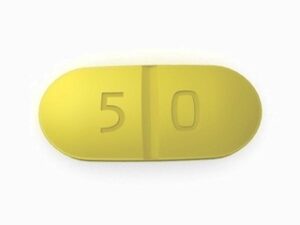
Sinequan (Doxepin) — Patient Information (UK)
Sinequan is the brand name for doxepin, a medicine used to treat certain mental health conditions and related symptoms. This guide explains what Sinequan is, how it works, how the body handles it, how it is typically taken, and important safety information for people in the United Kingdom.
Information below is written to be patient-friendly and practical. Individual treatment plans vary. Always follow the guidance provided by your healthcare professional and the instructions on your medicine.
1. Basic product information
| Item | Details |
|---|---|
| Medicine name | Sinequan (brand) |
| Active ingredient | Doxepin |
| Medicinal class (general) | Tricyclic antidepressant (TCA) |
| Common strengths | Availability varies by product presentation in the UK |
| How it is used | Treatment of depression and other approved indications |
| Typical pattern | Often taken once daily (frequently in the evening) depending on your regimen |
In the UK, doxepin products may be supplied in different forms or strengths. Your pharmacist can confirm exactly which product you have.
2. How Sinequan works (mechanism of action)
Doxepin belongs to the group of medicines known as tricyclic antidepressants. It works mainly by affecting neurotransmitters in the brain, particularly:
- Serotonin (often increasing signalling indirectly by blocking reuptake)
- Noradrenaline (also involved in mood regulation)
- Histamine receptors (contributing to calming/sedating effects)
- Muscarinic (cholinergic) receptors (may contribute to side effects such as dry mouth)
By altering these chemical pathways, doxepin can help improve mood, reduce anxiety or distress in some people, and assist sleep in those who experience insomnia as part of their condition.
3. Pharmacokinetics: how the body absorbs and processes doxepin
“Pharmacokinetics” describes what the body does to a medicine—how it is absorbed, distributed, metabolised, and eliminated.
- Absorption: Doxepin is absorbed after oral use. Food can affect the speed of absorption, though the overall extent may be less affected than with some medicines.
- Distribution: It binds to proteins in the blood and spreads throughout the body tissues.
- Metabolism: Doxepin is extensively metabolised in the liver. Different people metabolise medicines at different rates, which is one reason doses may vary.
- Elimination: The medicine and its metabolites are removed mainly via the kidneys and bile.
- Onset vs full effect: Some effects (such as drowsiness) may be noticed earlier, while mood-related improvements typically take longer to develop.
Because doxepin is processed by the liver, people with liver impairment may need extra monitoring or dose adjustments.
4. Typical uses of Sinequan in the UK
Doxepin is used for several conditions where tricyclic antidepressant treatment may be appropriate. The exact approved use and product indications can vary; your healthcare professional will base treatment on your individual diagnosis and symptom pattern.
Common reasons Sinequan may be used include:
- Depression, especially when associated with anxiety and disturbed sleep
- Symptoms of mood disturbance where a sedating antidepressant is helpful
- In some clinical situations, itching or chronic itch-related conditions may be considered (depending on local prescribing practice and product availability)
If you are unsure why you’ve been prescribed Sinequan, ask your clinician or pharmacist to explain the target symptoms.
5. Timing and how to take Sinequan
Many people find doxepin’s calming properties useful at the end of the day. However, your dose and timing depend on the reason you’re taking it and how you respond.
Common timing patterns
- Evening or bedtime: Often preferred if the medicine makes you drowsy.
- Once daily vs split doses: Some regimens may begin with one dose daily and later be adjusted.
- Consistency: Take it at the same time each day to help keep drug levels stable.
How long before it helps?
- Sleep or calming effects: may appear sooner (sometimes within days).
- Mood improvement: often takes several weeks. If you don’t feel better quickly, that does not necessarily mean it won’t work—regular review is still important.
6. Food interactions
Food can influence how quickly a medicine is absorbed, but it usually does not completely “stop” the medicine from working. For doxepin, many people can take it with or without food—follow your prescriber’s instructions and the label.
Practical tips:
- If you find Sinequan upsets your stomach, consider taking it with a meal or after food (confirm with your pharmacist).
- Avoid sudden changes in eating patterns if you have medication side effects like dizziness, since timing of meals can affect how you feel.
7. Alcohol and medicine interactions
Alcohol
It’s generally not recommended to drink alcoholsedation, worsen sleepiness, and impair coordination and reaction time. It may also make some side effects (such as dizziness) more likely.
If you have difficulty avoiding alcohol, speak with your clinician for personalised advice.
Other medicines that may interact
Doxepin can interact with several types of medicines, including those that affect: sedation, liver metabolism, heart rhythm, or anticholinergic side effects. The list below is not exhaustive.
- Other sedating medicines (e.g., some antihistamines, sleeping tablets, strong pain medicines): can increase drowsiness and breathing risk.
- Medicines affecting liver enzymes (some antidepressants, antifungals, antibiotics, or antivirals): may raise or lower doxepin levels.
- Medicines that can affect heart rhythm (some antipsychotics, certain antibiotics, some antiarrhythmics): may increase risk of rhythm changes, particularly in susceptible individuals.
- Anticholinergic medicines (some bladder, bowel, and allergy medicines): may add to dry mouth, constipation, blurred vision, and urinary retention.
- Serotonergic medicines (some migraine or depression medicines): combining can raise the risk of serotonin-related side effects.
- Medicines for epilepsy or medicines that lower seizure threshold: need careful review.
Always tell your pharmacist about all medicines you take, including over-the-counter products and herbal remedies. Examples include: St John’s wort, cough/cold products, antihistamines, and sleep aids.
8. Indications: when Sinequan may be considered
“Indication” refers to the condition(s) a medicine is intended to treat. In practice, the decision to use doxepin is based on diagnosis, symptom severity, previous treatments, and risk factors.
Doxepin may be considered when:
- Depression with insomnia or anxiety symptoms is present
- A sedating antidepressant approach is clinically appropriate (for example, when sleep is significantly disrupted)
- Other options have been considered or are unsuitable for the individual due to side effect profiles or medical history
9. Dosing: typical starting approach and adjustments
Doses vary by patient and indication. The information here is general and may not match your exact plan. Your prescriber may start with a lower dose to reduce side effects and then adjust gradually.
General principles
- Start low, go slow: Many people begin at a lower dose to improve tolerability.
- Gradual changes: Dose changes are usually made gradually, especially at the start.
- Review progress: Mood and side effects are assessed over time to decide whether to continue, adjust, or switch.
If you miss a dose
- If you remember within a reasonable time, take it according to your label/prescriber’s instruction.
- If it’s close to the time of your next dose, skip the missed dose and continue as normal.
- Do not double up to make up for a missed dose.
Stopping Sinequan
Do not stop suddenly unless your healthcare professional advises it. Stopping tricyclic antidepressants abruptly can lead to withdrawal-like symptoms such as dizziness, nausea, headache, irritability, or flu-like feelings. A gradual reduction is usually preferred.
10. Safety profile: important side effects and warnings
Like all medicines, Sinequan can cause side effects. Many are dose-related and may reduce as your body adjusts. However, some effects require urgent attention.
Common side effects
- Sleepiness or drowsiness, especially at the start
- Dizziness (including when standing up)
- Dry mouth
- Constipation
- Blurred vision
- Increased appetite or weight changes
- Urinary retention (difficulty passing urine), particularly in men with prostate issues
- Sweating
Less common but important risks
- Heart rhythm changes: TCAs can affect cardiac conduction in some people. Risk may be higher with existing heart disease, electrolyte imbalance, or interacting medicines.
- Low blood pressure: can lead to faintness or falls.
- Severe allergic reactions: swelling, rash, or breathing difficulties require urgent medical care.
- High blood sugar/diabetes changes: may occur in susceptible individuals (monitoring may be needed).
When to seek urgent help
Contact urgent medical services or seek urgent help if you experience:
- Chest pain, fainting, severe palpitations, or severe shortness of breath
- Signs of an allergic reaction (swelling of face/lips, trouble breathing)
- Severe confusion, uncontrollable shaking, fever, or symptoms suggesting a serious drug reaction
- Any sudden worsening of mental health including thoughts of self-harm
Suicidal thoughts and early treatment
For some people, mood can temporarily worsen early in treatment or when changing the dose. If you or someone around you notices a significant change in behaviour, agitation, or suicidal thoughts, seek medical help urgently.
11. Practical use tips (day-to-day guidance)
- Be careful when starting: Doxepin can impair alertness. Avoid driving or operating machinery until you know how it affects you.
- Stand up slowly: To reduce dizziness and the risk of falls, especially if you feel light-headed.
- Manage dry mouth: Sip water regularly, choose sugar-free sweets/gum, and practise good oral hygiene.
- Prevent constipation: Increase fibre and fluids if appropriate, and discuss stool softening options with a pharmacist if needed.
- Track symptoms: If you can, note sleep quality, mood, and side effects to help your clinician decide on dose adjustments.
- Keep an up-to-date medicine list: Include OTC medicines, supplements, and herbal products.
If you have diabetes, glaucoma, urinary retention, significant heart problems, or liver disease, extra care and monitoring may be needed.
12. Alternative options
Treatment choices depend on your diagnosis, past response, and tolerability. If Sinequan is not suitable or does not help, clinicians may consider other approaches, such as:
Other medicines (general categories)
- Other antidepressants (e.g., SSRIs, SNRIs) depending on symptoms and risk profile
- Other tricyclic antidepressants (in some cases where a TCA is appropriate)
- Anxiolytic or sleep-focused therapies (carefully chosen due to sedation risks)
Non-medicine options
- Psychological therapies (such as talking therapies)
- Lifestyle strategies (sleep routine, exercise, reducing alcohol)
- Supportive care (stress management, coping strategies)
Don’t stop or switch treatments on your own. Speak with your healthcare professional about the safest alternative plan.
13. UK market and legal context (high-level)
In the United Kingdom, medicines are regulated under frameworks managed by the Medicines and Healthcare products Regulatory Agency (MHRA) and other national bodies. Medicines are classified according to how they are supplied and supervised. Availability, legal status, and the specific presentations of doxepin can vary.
Online pharmacies in the UK must comply with relevant legislation and provide medicines only where permitted. Safety information, stock availability, and delivery terms may depend on the product and local requirements.
If you’re purchasing via an online pharmacy, ensure the website is reputable and provides clear details about the product, pricing, and delivery times.
14. Recent guidance and care considerations (UK)
Antidepressant prescribing and follow-up in the UK commonly follow national clinical practice, including:
- Regular review early in treatment, especially within the first few weeks
- Monitoring for side effects and any worsening of mood or behaviour changes
- Consideration of risk factors (such as heart history, liver impairment, drug interactions)
- Emphasis on safe use including adherence and gradual dose changes
Guidelines and recommendations can evolve. Your clinician can advise on the most up-to-date approach for your situation.
15. Delivery and availability (UK online pharmacy overview)
Availability of specific doxepin presentations can vary. When you place an order with a UK pharmacy, you may see:
- Estimated dispatch times depending on stock
- Delivery options (e.g., standard or next working day where offered)
- Packaging and labelling compliant with UK requirements
- Controlled storage considerations where relevant (most antidepressants are not temperature-controlled like some specialty medicines, but handling rules still apply)
Check the pharmacy’s delivery policy for exact cutoff times and service areas. If your medicine is urgent, contact the pharmacy to discuss options.
16. FAQ
How quickly does Sinequan (doxepin) start working?
Some people notice calming or sleep effects within days. Mood-related benefits usually take longer—often several weeks. If you feel no improvement after a reasonable period, discuss this with your clinician rather than stopping suddenly.
Will Sinequan make me sleepy the next day?
It can. Drowsiness is common, especially early in treatment or with higher doses. Avoid driving or risky activities until you know how you respond.
Can I take Sinequan with food?
Many people can take doxepin with or without food. If it upsets your stomach, taking it after a meal may help. Follow your label instructions and ask your pharmacist for personalised advice.
Is it safe to drink alcohol while taking doxepin?
It’s generally best to avoid alcohol because it can increase sedation and impair coordination. If you choose to drink, discuss safe limits with your healthcare professional, but do not combine alcohol with other sedating medicines.
What medicines should I avoid?
You should review all medications with your pharmacist, including OTC and herbal products. Particular attention is needed for medicines that increase sedation, interact with liver metabolism, or may affect heart rhythm or serotonin levels.
What should I do if I miss a dose?
Take it when you remember if it’s not close to the next scheduled dose. Otherwise, skip it and continue your normal schedule. Don’t take a double dose.
Can I stop Sinequan suddenly?
Stopping suddenly is usually not advised. A gradual reduction is typically safer and helps reduce withdrawal-like symptoms. Always follow a planned tapering approach with your clinician.
Are there long-term concerns?
Long-term use may be appropriate for some people, but it should be monitored. Side effects such as weight change, constipation, and any heart-related risks should be reviewed periodically.
Who should be extra careful when taking doxepin?
Extra caution is often needed for people with heart disease, seizure disorders, liver impairment, urinary problems (e.g., prostate enlargement), glaucoma, or those taking other medicines that can interact. Your clinician will consider these risks before starting therapy.
Need help choosing the right product or timing? If you have questions about the appearance of your tablet, how it’s taken, or what to expect during the first days, speak with a pharmacist. If you feel unwell or concerned, seek medical advice promptly.