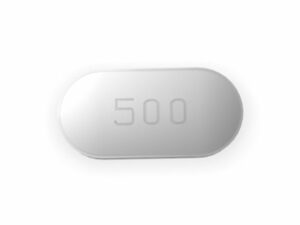
Glimepiride (UK) — Patient Information
Glimepiride is a medicine used to treat type 2 diabetes. It belongs to the class of medicines known as sulfonylureas. It helps your body lower blood sugar by encouraging the pancreas to release insulin. This guide explains how glimepiride works, how it’s typically taken, what to watch for, and how it fits into care in the United Kingdom.
1) Basic product information
Active ingredient: Glimepiride
Medicine class: Sulfonylurea (insulin secretagogue)
Common strengths (varies by brand): e.g., 1 mg, 2 mg, 3 mg, 4 mg tablets
How it’s usually supplied in the UK: Tablets, taken by mouth.
2) Mechanism of action (how glimepiride works)
In type 2 diabetes, the body either does not make enough insulin or does not respond to insulin effectively (insulin resistance). Glimepiride lowers blood glucose mainly by:
- Stimulating insulin release from pancreatic beta cells.
- Binding to sulfonylurea receptors on beta cells, which helps close potassium channels. This leads to cell depolarisation and insulin secretion.
Important: because glimepiride increases insulin release, it can sometimes cause low blood sugar (hypoglycaemia), especially if meals are missed, doses are too high, or combined with other glucose-lowering medicines.
3) Pharmacokinetics (what the body does to the medicine)
Pharmacokinetics describes how glimepiride is absorbed, processed, and eliminated. While exact values can vary between individuals, the general pattern is as follows:
- Absorption: Glimepiride is absorbed from the gastrointestinal tract after taking a tablet. Peak blood levels typically occur within a few hours.
- Distribution: It distributes into body tissues; it is highly bound to plasma proteins.
- Metabolism: The liver breaks glimepiride down, mainly into metabolites.
- Elimination: Metabolites are excreted primarily via urine and to a lesser extent via faeces.
- Duration: The effect lasts long enough to allow once-daily dosing in many patients.
If you have liver or kidney problems, glimepiride levels and effects may become more pronounced. Your prescriber may need to adjust the dose or choose an alternative.
4) Typical use in type 2 diabetes
In the UK, glimepiride may be used when lifestyle measures (diet, weight management, physical activity) and other medicines are not sufficient to control blood glucose. It may be used:
- As monotherapy (alone), or
- In combination with other diabetes medicines.
Glimepiride is designed to lower glucose, but diabetes care usually also includes:
- Regular blood glucose monitoring (where recommended)
- Periodic HbA1c checks
- Checking for complications (eyes, kidneys, nerves)
- Cardiovascular risk management (e.g., blood pressure and cholesterol)
5) Indications: when glimepiride is used
Glimepiride is indicated for the treatment of type 2 diabetes mellitus to improve glycaemic control. It is used in adults when blood sugar is not adequately controlled by diet and exercise alone, and/or alongside other treatments.
6) How to take glimepiride: timing and practical guidance
Glimepiride is generally taken once daily. Many patients take it with breakfast or the first main meal of the day. The aim is to match insulin release with food intake to reduce the risk of low blood sugar.
Typical timing
- Often taken with breakfast: swallow the tablet(s) with water.
- If you skip meals: the risk of hypoglycaemia increases. Try not to miss meals after taking a dose.
- Same time each day: consistency improves glucose control and safety.
Missed dose
If you miss a dose, take it only if it’s close to your scheduled time. If it’s nearly time for the next dose, skip the missed dose—do not double up. For personalised advice, follow your medicine instructions or speak with a healthcare professional.
7) Dosing: how treatment is started and adjusted
Dosing is individual and depends on blood glucose readings, kidney and liver function, and the risk of hypoglycaemia. Typical starting and adjustment patterns include:
- Starting dose: Often low to minimise hypoglycaemia risk.
- Gradual titration: Your dose may be increased step-by-step based on response.
- Maximum dose: Capped by local product guidance and clinical need.
Common tablet strengths (where available) are used to build the prescribed daily dose. If you feel your sugars are consistently too high or too low, do not change the dose yourself—discuss with a clinician.
| Stage | What happens | Why it matters |
|---|---|---|
| Initiation | Low starting dose | Reduces risk of low blood sugar at the beginning of treatment |
| Titration | Dose may be adjusted gradually | Matches insulin release to your glucose levels |
| Maintenance | Lowest effective dose | Balances glucose control and safety |
8) Food interactions (and what to eat)
Glimepiride works best when you eat regularly. The main food-related concern is that taking glimepiride without eating may lead to hypoglycaemia.
Key points
- Take with a meal: Many patients take glimepiride with breakfast (or another first main meal).
- Don’t skip meals: If you miss a meal, low blood sugar becomes more likely.
- Consistent carbohydrate intake: Large swings in meal size can affect blood glucose control.
- Illness or reduced appetite: If you are eating less (e.g., during a stomach bug), you may be at higher risk of hypoglycaemia.
If you experience symptoms of low blood sugar, treat it promptly (e.g., using fast-acting carbohydrates) and seek medical advice if needed.
9) Alcohol and medicine interactions
Alcohol can affect blood sugar and may increase the risk of hypoglycaemia with glimepiride. It can also impair your ability to recognise low blood sugar symptoms.
Practical advice
- Avoid or limit alcohol, especially when meals are irregular.
- Be cautious if you drink: have food with alcohol and monitor how you feel.
- Do not “make up” for low sugars later: delayed treatment can be dangerous.
If you drink alcohol regularly, have a history of hypos, or have other medical conditions, discuss the safest approach with your healthcare team.
Other important medicine interactions (overview)
Many medicines can affect blood glucose or how the liver processes glimepiride. Some can increase the risk of hypoglycaemia; others can reduce glimepiride’s effect. Common examples include:
- Other diabetes medicines (especially those that can lower glucose)
- Beta-blockers (may mask warning symptoms of hypoglycaemia)
- Certain antibiotics/antifungals and antidepressants (some may alter drug metabolism)
- Non-steroidal anti-inflammatory drugs (NSAIDs) (in some cases may affect glucose regulation)
- Warfarin or other anticoagulants (may have interaction potential; monitoring may be needed)
Because interaction potential depends on your specific regimen, always check with a pharmacist if you start, stop, or change any medicines.
10) Safety profile and side effects
Most people tolerate glimepiride well when dosed appropriately. However, like all medicines, it can cause side effects. The most important risk is hypoglycaemia.
Common and important side effects
- Low blood sugar (hypoglycaemia): may cause sweating, shakiness, hunger, palpitations, dizziness, confusion, or unusual tiredness.
- Weight gain: can occur with sulfonylureas due to insulin effects and appetite changes.
- Nausea or stomach upset: some people experience gastrointestinal discomfort.
- Headache or fatigue may occur.
Serious symptoms—seek urgent advice
- Severe confusion, fainting, seizures, or inability to swallow safely (may indicate severe hypoglycaemia).
- Signs of a serious allergic reaction (e.g., swelling of face/lips, difficulty breathing, widespread rash).
- Persistent symptoms suggesting liver problems (e.g., yellowing of skin/eyes, dark urine), though this is uncommon.
Hypoglycaemia prevention tips
- Take the dose with your meal.
- Keep a regular eating routine.
- Do not increase the dose without clinician guidance.
- Be extra cautious when sick, after exercise, or if your appetite is lower than usual.
Who should be extra careful?
- Older adults (higher risk of low blood sugar and drug sensitivity)
- People with kidney impairment or liver impairment
- People who have had frequent hypos
- Those who miss meals or have irregular eating patterns
11) Practical use tips for everyday life
- Use a medication routine: taking glimepiride at the same time each day helps prevent dosing mistakes.
- Keep fast-acting carbohydrate available: e.g., glucose tablets or sugar sweets (as advised).
- Know your symptoms: learn how your body signals low blood sugar so you can act early.
- Plan for travel: carry tablets in your hand luggage and keep meal times in mind.
- Be mindful with exercise: physical activity can lower glucose; consider monitoring if advised.
- During illness: if you’re eating less, ask a healthcare professional for “sick day” guidance.
- Track your results: regular glucose monitoring and HbA1c reviews support dose optimisation.
12) Alternative options (what else might be considered)
Diabetes treatment in the UK is guided by individual needs, including HbA1c levels, weight considerations, cardiovascular risk, kidney function, risk of hypoglycaemia, and personal preferences.
Common alternatives to sulfonylureas
- Metformin (often first-line unless not suitable)
- DPP-4 inhibitors (lower glucose with lower hypoglycaemia risk)
- SGLT2 inhibitors (can offer benefits for certain cardiovascular/renal risk groups)
- GLP-1 receptor agonists (typically injected; may support weight management)
- Insulin for more advanced disease or when other options are insufficient
The “best” alternative depends on your circumstances. If you’re concerned about weight gain or hypoglycaemia risk, discuss these factors—your clinician may consider switching or adjusting your regimen.
13) Market and legal context in the United Kingdom
Glimepiride is an established medicine in the UK for managing type 2 diabetes. It is regulated by the Medicines and Healthcare products Regulatory Agency (MHRA) and is supplied according to UK medicines legislation. Availability may vary by brand, strength, and local supply.
Pharmacy services in the UK are expected to follow safety checks, including ensuring the correct medicine and dose, providing patient information, and supporting safe use.
14) Recent UK guidance: how treatment approaches have evolved
UK diabetes care often follows evidence-based guidance with emphasis on:
- Individualised treatment targets
- Minimising hypoglycaemia risk
- Considering weight and cardiovascular/renal benefits when selecting add-on therapy
- Regular review of HbA1c and potential side effects
Over recent years, many patients have been offered options other than sulfonylureas as first add-on therapy, particularly where hypoglycaemia risk is a concern. That said, sulfonylureas remain a valid option for many people due to their effectiveness, familiarity, and availability when used safely and appropriately.
Your treatment plan should reflect your medical history, preferences, and blood glucose patterns.
15) Delivery and availability (online pharmacy)
Availability depends on stock levels, tablet strength, and manufacturer/brand. UK online pharmacies typically offer:
- Home delivery where permitted by regulations and service capability
- Secure packaging to protect tablets during transit
- Estimated delivery times shown at checkout (varies by provider and location)
- Customer support for order queries
If a specific strength or brand is temporarily unavailable, you may be offered an equivalent option (subject to regulations and suitability). Always confirm you receive the correct strength and instructions.
16) Glimepiride FAQ
Is glimepiride only for adults?
Glimepiride is used for type 2 diabetes in adults. Use in children is generally not typical and depends on local guidance. If you are considering use outside standard adult indications, seek specialist advice.
What should I do if I feel symptoms of low blood sugar?
Treat promptly according to your diabetes plan. Common steps include consuming fast-acting carbohydrate and rechecking glucose if you monitor. If symptoms are severe or you cannot recover, seek urgent medical help.
Can I take glimepiride if I miss breakfast?
Because glimepiride can cause hypoglycaemia, missing meals increases risk. In general, it’s safest to follow your clinician’s advice about whether to take the dose when meals are missed. If you’re unsure, contact a pharmacist for guidance.
Does glimepiride cause weight gain?
Weight gain can occur with sulfonylureas. Maintaining a balanced diet and an activity plan can help. If weight changes concern you, discuss options with your healthcare team.
How long does it take to work?
Glimepiride starts lowering glucose after taking a dose, but achieving stable control over time depends on your dose and lifestyle. HbA1c improvements are typically seen over weeks to months.
Can I drive or operate machinery?
If you experience low blood sugar symptoms, avoid driving or risky activities until you are stable. Hypoglycaemia can affect alertness and reaction time. Always follow local advice and your diabetes action plan.
Are there alternatives if I keep getting hypos?
Yes. If you experience frequent or severe hypoglycaemia, clinicians may consider dose adjustments or switching to medicines with a lower hypoglycaemia risk profile, depending on your individual situation.
What happens if I stop glimepiride?
Stopping glimepiride can cause blood glucose levels to rise. Do not stop suddenly unless advised. If you’re having side effects or want to change therapy, discuss it so a safe plan is followed.
Can I take other medicines with glimepiride?
Some medicines can interact with glimepiride or affect blood glucose. Inform a pharmacist about all medicines you take, including over-the-counter products and supplements.
Does alcohol affect glimepiride?
Alcohol may increase the risk of low blood sugar and can make symptoms harder to detect. If you drink, do so cautiously, ideally with food, and follow personalised advice from your healthcare team.
Is glimepiride taken with or without food?
Many patients take glimepiride with the first main meal of the day (often breakfast) to reduce hypoglycaemia risk. Follow your specific instructions on how and when to take it.
17) Key reminders
- Take glimepiride consistently, usually once daily with your meal.
- Be alert for hypoglycaemia, especially if meals are skipped or you’re unwell.
- Check interactions: inform your pharmacist about all medicines you use.
- Seek urgent help for severe symptoms such as fainting, confusion, or seizures.