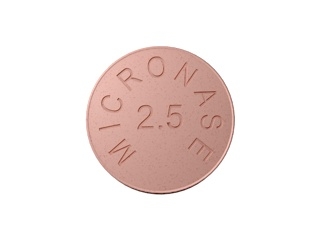
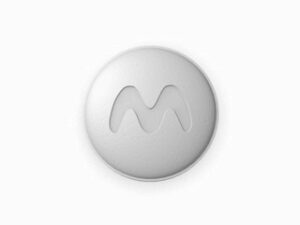
Micronase (Glyburide) — Patient-Friendly Guide (UK)
Micronase is a brand name for the medicine glyburide (also written glibenclamide in some regions). It belongs to a group of medicines called sulfonylureas. Glyburide is used to help control blood glucose (sugar) in adults with type 2 diabetes.
This guide explains how Micronase works, how it is usually taken, important safety considerations (especially low blood sugar), interactions with food and other medicines, and practical tips for everyday use in the United Kingdom.
Basic product information
- Medicine name: Micronase
- Active ingredient: Glyburide (sulfonylurea)
- Medicinal class: Oral blood-glucose-lowering medicine (sulfonylurea)
- Used for: Type 2 diabetes in adults
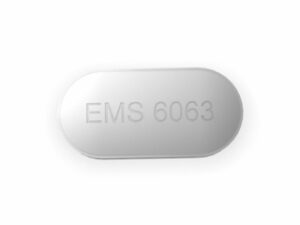
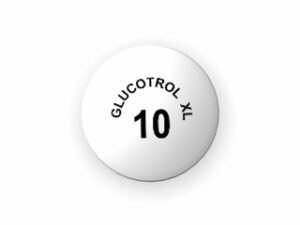
- Common form: Tablets (strength varies by product/brand and supply)
Note: Product strength and availability can vary. Always check the package label and the information leaflet supplied with your specific tablets.
How Micronase works (mechanism of action)
Micronase helps lower blood glucose mainly by increasing insulin release:
- Stimulates insulin secretion: Glyburide acts on the pancreas to encourage insulin release from functioning beta cells.
- Improves glucose control: Higher insulin levels help move glucose from the bloodstream into tissues and reduce blood sugar after meals.
Because its action relies on the pancreas being able to produce insulin, it may be less effective in people whose pancreatic insulin production is very limited.
Pharmacokinetics (how the body handles the medicine)
Pharmacokinetics describes what the body does to a medicine—absorption, distribution, metabolism, and elimination.
- Absorption: Glyburide is absorbed after oral dosing; taking it with food can influence blood levels.
- Onset of effect: Blood-glucose-lowering effects typically begin after a dose, with the strongest effects often around mealtimes.
- Duration: Sulfonylureas can act for many hours; low blood sugar risk may be greatest when doses and meals do not match.
- Metabolism: Glyburide is metabolised by the liver.
- Elimination: Metabolites are eliminated primarily via the kidneys and/or bile (exact pathways can vary between products and individuals).
In older adults, and in people with kidney or liver impairment, the medicine may remain active longer, increasing the likelihood of side effects—particularly hypoglycaemia.
Typical use in the UK
Micronase is used to treat type 2 diabetes mellitus when diet, exercise and weight management alone are not enough, and sometimes alongside other diabetes therapies where appropriate.
In everyday clinical practice, management of type 2 diabetes in the UK is guided by evidence-based recommendations from bodies such as NICE (National Institute for Health and Care Excellence) and specialist diabetes teams.
Micronase may be chosen when:
- There is a need for an oral medicine that can boost insulin release
- It fits a person’s individual response and risk profile
- Other options are unsuitable, not tolerated, or not appropriate
How and when to take Micronase
How you take Micronase depends on your prescribed plan, your blood sugar readings, and your personal risk of low blood sugar. Follow your own medicine label instructions.
Timing with meals
- Take with meals: Micronase is generally taken with breakfast and/or the first main meal as advised.
- Do not skip meals: Missing a meal increases the risk of hypoglycaemia.
- Maintain regular meal patterns: Irregular eating can lead to unpredictable blood sugar levels.
Typical dosing approach (general)
Doses are individual. In general, clinicians often start at a low dose and adjust slowly based on glucose control and side effects.
- Starting dose: Usually low to reduce hypoglycaemia risk.
- Adjustment: Gradual dose changes may be made at intervals.
- Maximum dose: Varies by product/region; always follow your label and leaflet.
Important: Do not change your dose without healthcare advice, and do not take extra tablets to “catch up” if you missed a dose.
Food interactions and meal-related considerations
Because Micronase increases insulin secretion, the most important “food interaction” is how your eating pattern affects the risk of low blood sugar.
- Carbohydrates and meal size: Taking the tablet but eating less than usual may lower blood glucose too far.
- Skipping meals: Skipping or delaying meals increases hypoglycaemia risk.
- Consistent routine: Try to keep meal times regular, especially in the first weeks of treatment or after dose changes.
- Blood sugar monitoring: If you have been advised to monitor (finger-prick or continuous glucose monitoring), use your readings to understand your personal pattern.
Special situations: If you are ill, not eating normally, or have vomiting/diarrhoea, blood glucose can change quickly. Ask for timely guidance.
Alcohol and medicine interactions
Alcohol can affect blood glucose in different ways and can increase the risk of low blood sugar when combined with sulfonylureas.
- Low blood sugar risk: Alcohol may reduce blood sugar or interfere with the body’s ability to correct low sugar.
- Increased drowsiness: Alcohol may add to tiredness or impaired concentration if low blood sugar occurs.
- Safer approach: If you drink alcohol, do so with food and keep intake moderate—discuss your specific plan with your clinician or pharmacist.
Important: Avoid binge drinking and be extra cautious on days when you eat irregularly or exercise differently.
Interactions with other medicines
Micronase can interact with other medicines. Some may increase the risk of hypoglycaemia; others may reduce effectiveness or affect how glyburide is handled by the body.
Always tell your pharmacist or prescriber about all medicines you take, including:
- Other diabetes medicines
- Non-diabetes medicines (including herbal products and supplements)
- Over-the-counter remedies
Examples of interaction patterns (general)
- Medicines that may increase hypoglycaemia risk: Other blood-glucose-lowering drugs (e.g., insulin or certain oral diabetes medicines), and some medicines that affect liver metabolism.
- Medicines that may reduce glucose-lowering effect: Some medicines that raise blood sugar (e.g., certain corticosteroids).
- Medicines affecting liver enzymes: Drug interactions involving liver metabolism can change glyburide levels.
This is not an exhaustive list. Your pharmacist can check specific interactions for your exact regimen.
Indications (when Micronase is used)
Micronase is indicated for the treatment of type 2 diabetes mellitus in adults, particularly when glycaemic control cannot be achieved through lifestyle measures alone.
It may be used:
- As monotherapy (when suitable)
- In combination with other diabetes medicines, depending on individual circumstances and response
Dosing guidance (general information)
The correct dose for you depends on your blood sugar, age, kidney and liver function, and how you respond to treatment. Always use your own prescription label instructions.
General dosing principles for sulfonylureas
- Start low, go slow: Starting at a lower dose can reduce hypoglycaemia risk.
- Adjust gradually: Dosing may be changed based on blood glucose trends.
- Watch kidney function: Reduced kidney function may increase exposure and side effects.
- Older adults: People over 65 may be more sensitive to hypoglycaemia; dose caution is common.
What if you miss a dose?
- Take it when you remember only if it is close to your usual time and you can eat normally.
- If it is nearly time for the next dose, skip the missed tablet.
- Do not take double to make up for a missed dose.
If you are unsure, ask your pharmacist for advice tailored to your dosing schedule.
Safety profile: key risks and side effects
Most people tolerate Micronase well, but it is important to be aware of potential side effects—especially low blood sugar.
Most important risk: Hypoglycaemia (low blood sugar)
Low blood sugar is the main serious risk with sulfonylureas because insulin release is increased.
Symptoms of hypoglycaemia may include:
- Shakiness or trembling
- Sweating
- Feeling hungry
- Dizziness
- Headache
- Blurred vision
- Confusion, irritability, or difficulty concentrating
- Palpitations
Severe hypoglycaemia may involve unconsciousness, seizures, or inability to swallow. If this occurs, urgent medical attention is required.
How to treat mild low blood sugar
- Take fast-acting carbohydrate (e.g., glucose tablets or a sugary drink), following local guidance.
- Recheck your blood sugar if you can.
- Have a longer-acting snack or meal if needed to prevent recurrence.
Practical tip: Carry a fast-acting sugar source with you, especially when travelling or if meal timing is unpredictable.
Other possible side effects
- Weight gain (common with insulin-stimulating therapies)
- Gastrointestinal symptoms (e.g., nausea, indigestion—varies by person)
- Skin reactions (rare; seek advice if you develop rash or signs of allergy)
- Blood count changes (rare; monitoring may be considered if symptoms occur)
If you develop symptoms that worry you or appear severe, contact your healthcare provider promptly.
Practical use tips for everyday life
- Keep a routine: Take Micronase with your planned meals to match the timing of insulin release.
- Plan for exercise: Increased activity can lower blood glucose—carry fast-acting sugar if you are active.
- Know early warning signs: Learn your personal hypoglycaemia symptoms.
- Check blood glucose if advised: Regular checks help confirm whether your regimen is working safely.
- Be cautious when changing habits: Illness, fasting, dietary changes, and travel can all alter your glucose pattern.
- Medication review: Revisit your diabetes plan regularly with your clinician/pharmacist, especially if you experience frequent lows.
Alternative options (UK context)
If Micronase is not suitable or is causing side effects (for example, recurrent hypoglycaemia), there are alternative approaches for type 2 diabetes management. Which option is appropriate depends on your medical history, kidney function, weight goals, cardiovascular risk, and current glucose levels.
Common categories of alternatives
- Metformin (often first-line in many cases)
- DPP-4 inhibitors (lower blood sugar with a different mechanism; generally lower hypoglycaemia risk than sulfonylureas)
- SGLT2 inhibitors (help the kidneys remove glucose; may offer specific benefits for certain patients)
- GLP-1 receptor agonists (injectable options with benefits for weight and glucose)
- Basal insulin (used when needed for glucose control)
- Other sulfonylureas (some people switch within the class, but hypoglycaemia risk remains)
Only your clinician can decide the best alternative, based on your individual needs. If you are considering a switch, discuss it before changing anything.
Market and legal context in the United Kingdom
Diabetes medicines in the UK are regulated under the medicines framework administered by the Medicines and Healthcare products Regulatory Agency (MHRA). Diabetes treatment decisions and monitoring are guided by clinical practice and national recommendations, notably from NICE.
Micronase and glyburide-containing products are subject to standard pharmaceutical requirements for quality, labelling, and distribution. Availability may vary between suppliers and over time depending on formulation, manufacturing, and prescribing practices.
In addition to regulatory requirements, online pharmacies must follow UK expectations for safe supply, including correct product identification, appropriate patient information, and adherence to relevant legal and professional standards.
Recent guidance and what it means for patients
Clinical guidance for type 2 diabetes continues to emphasise:
- Individualised treatment based on age, comorbidities, and hypoglycaemia risk
- Weight and cardiovascular considerations for suitable medicines
- Safe use and monitoring, especially where medicines can cause low blood sugar
- Lifestyle measures (dietary changes, exercise, weight management) as a foundation
For sulfonylureas such as glyburide, clinicians typically pay close attention to:
- Hypoglycaemia frequency
- Medication timing relative to meals
- Kidney function and age-related sensitivity
- Whether a different medicine could offer similar glucose control with a safer side-effect profile for that individual
If you are experiencing recurrent lows, this may influence decisions about dose adjustments or switching to an alternative therapy.
Delivery and availability
In the UK, Micronase availability depends on the supply chain for the specific tablet strength and formulation. Online pharmacies typically provide:
- Standard delivery or express delivery options (varies by supplier)
- Tracking information for dispatch and transit
- Discrete packaging where available
Stock status: If your preferred strength is temporarily unavailable, some online pharmacies may offer alternative strengths or brands, depending on suitability. Always confirm that any switch is appropriate for your glucose plan.
Cold-chain storage: Micronase tablets are generally stored at controlled room temperature unless your leaflet states otherwise. Check your specific pack instructions.
FAQ: Micronase (Glyburide)
1) What is Micronase used for?
Micronase is used to help control blood glucose in adults with type 2 diabetes, usually when lifestyle measures and other steps are not enough.
2) How quickly does Micronase work?
Glyburide begins lowering blood glucose after dosing, often with the strongest effect around mealtimes. However, the overall benefit in long-term glucose control depends on regular use and dose adjustment.
3) Can I take Micronase on an empty stomach?
For many people, Micronase is taken with meals. Taking it without eating may increase the risk of hypoglycaemia. Follow your label and leaflet instructions.
4) What should I do if I have symptoms of low blood sugar?
Take fast-acting carbohydrate (e.g., glucose). Recheck if possible, and eat a longer-lasting snack or meal if needed. If symptoms are severe or you cannot swallow, seek urgent medical assistance.
5) Does Micronase cause weight gain?
Weight gain can occur with sulfonylureas due to increased insulin effects and improved glucose utilisation. Maintaining a healthy diet and activity plan can help manage this.
6) Can I drink alcohol while taking Micronase?
Alcohol can increase the risk of low blood sugar when combined with glyburide. If you drink, do so in moderation and with food, and seek personalised advice if you have a history of hypoglycaemia.
7) Are there medicines I should avoid?
Some medicines can affect blood sugar levels or glyburide metabolism. Examples include other diabetes medicines and certain drugs that raise or lower glucose. Always check with a pharmacist and keep a list of your medicines.
8) What if my kidney function is reduced?
Reduced kidney function can make sulfonylureas more likely to cause hypoglycaemia. Your clinician may adjust the dose and monitor you more closely.
9) Can Micronase be used with other diabetes tablets?
It may be used in combination depending on your plan. Combining medicines can increase hypoglycaemia risk, so monitoring and dose planning are important.
10) Who should not use Micronase?
Micronase is generally for adults with type 2 diabetes. It may not be suitable for everyone—especially if you have a higher risk of hypoglycaemia, certain organ impairment, or other contraindications outlined in the leaflet. Your healthcare professional can confirm suitability.
Quick reference summary
| Topic | Key patient points |
|---|---|
| What it is | Micronase tablets containing glyburide (sulfonylurea) |
| What it does | Boosts insulin release to lower blood glucose |
| Main safety risk | Hypoglycaemia (low blood sugar) |
| Best practice | Take with meals; keep meal timing consistent |
| Alcohol | May increase low blood sugar risk—avoid excess and drink with food |
| Interactions | Some medicines can affect glucose levels or glyburide metabolism |
| When to seek help | Severe symptoms of low blood sugar, confusion, or inability to eat |
Remember: Good diabetes control depends on more than one medicine. If you notice frequent low blood sugar, unexpected high readings, or new side effects, contact your healthcare team promptly to review your treatment plan.