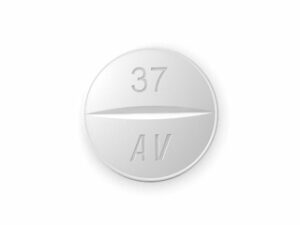
DDAVP (Desmopressin) — Patient Information
DDAVP is a medicine containing desmopressin, a synthetic form of the natural hormone vasopressin (antidiuretic hormone, ADH). DDAVP helps the body retain water and reduce urine production. It is used for certain conditions affecting water balance, bleeding disorders, and specific bladder control problems.
This guide explains how DDAVP works, typical uses, timing, interactions (including alcohol), safety information, and practical tips. Product details can vary by formulation (for example, tablets, melt, nasal spray, or other forms). Always follow the instructions provided for your specific DDAVP product and strength.
Key Product Information
- Medicine name: DDAVP
- Active ingredient: Desmopressin
- Medicinal class: Vasopressin analogue (antidiuretic hormone analogue)
- Common uses: Central diabetes insipidus, nocturnal enuresis, and certain bleeding conditions
- How it works: Reduces urine production and helps control bleeding by affecting factors involved in haemostasis
Note: DDAVP is available in different forms. The advice below applies generally, but your dosing and timing must match your particular formulation and strength.
How DDAVP Works (Mechanism of Action)
Desmopressin is designed to act like ADH but with stronger antidiuretic activity and less pressor effect (meaning it has far less effect on blood pressure than natural vasopressin).
The medicine targets V2 receptors in the kidney. This increases water reabsorption in the collecting ducts, leading to:
- Less urine produced
- More concentrated urine
- Improved fluid balance
In some bleeding disorders, DDAVP also helps the release of certain factors involved in clotting (for example, von Willebrand factor and factor VIII activity), improving haemostatic function.
Pharmacokinetics (How the Body Handles It)
The timing and duration depend on the formulation (especially nasal vs oral). In general, desmopressin is absorbed and then exerts its effects on water reabsorption and/or bleeding factor activity.
- Absorption: Oral formulations are absorbed through the gastrointestinal tract. Nasal formulations are absorbed through nasal mucosa.
- Onset of action: Usually within hours, depending on formulation.
- Duration: Effects can last several hours, which is why dosing schedules often include evening doses for night-time symptoms.
- Elimination: Desmopressin is primarily excreted by the kidneys.
Because desmopressin is cleared by the kidneys, kidney impairment may change exposure to the medicine. Your prescriber may adjust your dose or monitor you more closely.
Typical Uses in the UK
In the United Kingdom, DDAVP is used for several well-recognised indications. The exact indication depends on the formulation and strength.
1) Diabetes insipidus (central)
- Central diabetes insipidus (where the body does not make enough ADH)
- Helps control excessive thirst and frequent urination
2) Nocturnal enuresis
- Bedwetting in children and sometimes adults, where appropriate
- Works by reducing night-time urine production
3) Bleeding disorders
- In some patients with specific bleeding problems, desmopressin can support clotting factor activity
- Used under medical guidance for selected conditions
How and When to Take DDAVP (Timing)
Timing is particularly important with desmopressin because it can affect water balance. Your dosing plan should be based on your individual diagnosis and response to treatment.
- For diabetes insipidus: Doses are often split through the day to maintain steady control.
- For nocturnal enuresis: Evening dosing is common to reduce night-time urine production.
- For bleeding-related use: Timing may be linked to planned procedures or treatment schedules.
If you miss a dose, do not try to “make up” by taking extra unless you have been advised to do so. Contact your healthcare provider or pharmacist for guidance relevant to your regimen.
Dose Information (General Guidance)
DDAVP dosing varies significantly depending on:
- Which condition you are treating
- Your age (including whether it’s for children)
- Your formulation (tablet/melt/nasal form)
- Your response and symptom control
- Kidney function and fluid intake plan
Because of these variations, you should use the dosing instructions provided with your specific product. Your clinician may start at a lower dose and then adjust to achieve the desired effect with minimal risk.
Important: Avoid increasing your dose or frequency without advice. Too much desmopressin can lead to low sodium (hyponatraemia), which can be serious.
Food Interactions and Absorption
Food can influence absorption for some desmopressin formulations. In particular, certain oral products may have altered absorption when taken with food. To reduce variability, it is often recommended to take desmopressin at consistent times relative to meals.
- Take exactly as directed on your label or in your guidance.
- If your leaflet advises taking it with or without food, follow that advice.
- If you are switching between formulations (for example, nasal to oral), absorption may differ—do not assume the same dosing schedule.
Alcohol and Medicine Interactions
Alcohol
Alcohol can affect hydration status and may increase the risk of water imbalance for some people. It may also make it easier to over-consume fluids, which is a key factor in the development of hyponatraemia. If you drink alcohol, do so cautiously and follow your fluid advice.
Other medicines that may increase risk
The biggest safety concern with desmopressin is too much antidiuretic effect, leading to low sodium levels. Certain medicines and situations can increase that risk or add to water retention.
Tell your pharmacist if you take any of the following (examples):
- Diuretics (e.g., loop or thiazide diuretics) — may affect how well DDAVP controls symptoms
- Medicines affecting sodium balance (some antidepressants and antiepileptics can contribute to hyponatraemia risk)
- Non-steroidal anti-inflammatory drugs (NSAIDs) (e.g., ibuprofen, naproxen) — may increase antidiuretic effect in some cases
- Other medicines that influence fluid balance
This is not a complete list. If you are unsure about a particular medicine, ask a pharmacist. They can check for interactions based on your exact product and dose.
Indications — When DDAVP May Be Used
DDAVP is used in the UK for conditions where controlling water balance or improving clotting factor activity is beneficial. Common indications include:
- Central diabetes insipidus
- Primary nocturnal enuresis (bedwetting), typically in appropriately selected patients
- Some bleeding disorders where desmopressin can help manage haemostasis
Your healthcare team will determine whether DDAVP is appropriate for your specific diagnosis and how long you should take it.
Safety Profile and Important Warnings
Most people take DDAVP without problems. However, because DDAVP affects how the kidneys handle water, there are important safety concerns.
Major risk: Hyponatraemia (low sodium)
Too much desmopressin can cause the body to retain too much water, leading to hyponatraemia. This can be serious and requires prompt attention.
Get urgent medical help if you (or the person taking DDAVP) develop symptoms such as:
- Severe or worsening headache
- Nausea and vomiting
- Confusion, unusual drowsiness, or reduced alertness
- Agitation or behavioural changes
- Seizures (fits)
- Severe weakness
Situations that increase risk
Hyponatraemia risk is higher if:
- Fluid intake is excessive (especially shortly after dosing)
- You are unwell (e.g., vomiting, diarrhoea, fever) and your fluid balance changes
- There is underlying kidney impairment
- High doses are used or dosing is more frequent than advised
Other possible side effects
Side effects vary by formulation and individual response. Commonly reported effects may include:
- Headache
- Nausea
- Stomach discomfort
- Dizziness
For nasal forms, local effects such as nasal irritation may occur. For oral forms, gastrointestinal discomfort may occur. If side effects are persistent, troublesome, or worrying, speak to a pharmacist or healthcare professional.
Practical Use Tips (How to Take DDAVP Safely)
- Follow fluid advice carefully. Your clinician may recommend limiting fluids around dosing to reduce hyponatraemia risk.
- Keep dosing consistent. Take doses at the same times each day as advised.
- Do not “double up” after missing a dose unless specifically instructed.
- Be cautious during illness. If you have vomiting, diarrhoea, fever, or you are not eating and drinking normally, contact a healthcare professional for advice.
- Monitor symptoms. In diabetes insipidus, excessive thirst or frequent urination may indicate inadequate control. In enuresis, improvements may take some time.
- Know the warning signs. Learn the symptoms of low sodium so you can act quickly.
- Use the same DDAVP formulation unless advised. Switching formulations can change absorption and timing.
Alternative Options
Depending on the condition being treated, alternatives may include other therapies. Your clinician can advise what is suitable for you.
For diabetes insipidus (central)
- Other desmopressin formulations (different routes and strengths)
- In selected cases: other approaches may be considered by specialist teams
For nocturnal enuresis
- Other behavioural strategies (bladder training, timed voiding, motivational approaches)
- Enuresis alarms for some patients
- Alternative pharmacological options may be considered when appropriate
For bleeding disorders
- Haemostatic therapies suited to the specific condition
- Specialist-led protocols for surgical procedures or bleeding episodes
If you are considering switching from DDAVP to an alternative, discuss it with a pharmacist or healthcare professional first.
UK Market and Legal Context (What to Expect)
In the United Kingdom, DDAVP (desmopressin) is regulated under medicines legislation and is supplied via standard UK pharmacy channels. Supply and product availability can vary by:
- Formulation (e.g., tablet/melt vs nasal spray)
- Strength and packaging size
- Manufacturer or distributor
- Availability at the time of order
Medicines advice and patient safety information are provided through product leaflets and healthcare professionals. Pharmacists can also help ensure that your DDAVP product matches the intended use and dosing schedule.
Recent guidance (high-level)
Guidance in the UK continues to emphasise:
- Careful fluid management to reduce hyponatraemia risk
- Individualised dosing based on response and safety checks
- Extra caution in children, older adults, and people with kidney impairment
- Prompt action if symptoms of low sodium occur
For the most up-to-date advice, your pharmacist can refer to current UK resources and product information.
Delivery and Availability
Availability of DDAVP can depend on formulation and stock levels. When ordering through an online pharmacy, your order may be fulfilled from current UK supplier stock.
- Dispatch times: typically depend on stock confirmation and processing
- Delivery: UK delivery options are usually available at checkout
- Substitutions: if a product is temporarily unavailable, a pharmacist may contact you to discuss alternatives
- Cold-chain: most desmopressin products do not require special refrigeration, but follow the storage instructions on the pack
If you need DDAVP regularly (especially for chronic conditions), consider ordering in advance to reduce the risk of delays.
Storing DDAVP
- Keep in the original packaging to protect from light and for batch/expiry information.
- Store as directed on the label (commonly at room temperature unless otherwise stated).
- Keep out of reach of children.
- Check expiry date before use.
FAQ — Common Questions About DDAVP
1) What is DDAVP used for?
DDAVP (desmopressin) is used to treat conditions involving water balance (such as central diabetes insipidus) and, in selected patients, nocturnal enuresis (bedwetting). It may also be used in certain bleeding disorders to support clotting factor activity.
2) How long does DDAVP take to work?
The onset depends on the formulation. In general, DDAVP effects can be felt within hours. Your prescriber or product leaflet will give more specific guidance for your DDAVP form.
3) Why is fluid restriction sometimes recommended?
DDAVP increases the kidneys’ water reabsorption. Drinking too much fluid while taking DDAVP can lead to low blood sodium (hyponatraemia), which may be serious. Your healthcare team may advise restricting fluids at certain times.
4) Can I drink alcohol while taking DDAVP?
Alcohol may increase the risk of dehydration or worsen hydration balance and may indirectly contribute to water imbalance. If you choose to drink, do so cautiously and follow your fluid advice. Seek advice if you feel unwell.
5) What should I do if I miss a dose?
Do not take extra to “catch up” unless you have been specifically advised. Contact your pharmacist or healthcare provider for advice based on your schedule and formulation.
6) Are there any medicines I should avoid?
Some medicines can increase the risk of hyponatraemia or affect water balance. Examples can include certain antidepressants, antiepileptics, NSAIDs, and diuretics. Always check with a pharmacist about your specific medicines.
7) What are the signs of low sodium (hyponatraemia)?
Warning signs can include severe headache, nausea/vomiting, confusion, unusual drowsiness, seizures, or significant weakness. If these occur, seek urgent medical help.
8) Can children take DDAVP for bedwetting?
DDAVP may be used for nocturnal enuresis in children when appropriate and with careful monitoring. Parents and carers should follow fluid guidance very strictly and watch for symptoms of low sodium.
9) Is DDAVP safe for older adults?
Older adults may be more vulnerable to hyponatraemia. Dose and fluid advice may require extra care, particularly in the presence of kidney issues or other interacting medicines.
10) Can I switch between DDAVP formulations?
Switching formulations can change absorption and dosing requirements. Do not switch without guidance from a pharmacist or healthcare professional.
Quick Summary
DDAVP (desmopressin) helps reduce urine production by acting like ADH in the kidneys. It is used for conditions such as central diabetes insipidus, selected cases of nocturnal enuresis, and some bleeding disorders. The most important safety concern is hyponatraemia, so correct dosing and any fluid restrictions must be followed closely.
If you have questions about your product form, dosing schedule, or interactions, speak with a pharmacist—especially if you are unwell, have kidney problems, or take other medicines that may affect sodium balance.