Mirtazapine (UK) – Patient Information
Mirtazapine is an antidepressant medicine commonly used in the United Kingdom for certain types of depression. It may also be prescribed for other conditions depending on individual circumstances. This guide explains how mirtazapine works, how it’s usually taken, what to expect, and key safety information.
Always read the patient information leaflet (PIL) that comes with your specific brand and strength of mirtazapine, and follow the advice given by your healthcare professional.
Basic product information
| Information | Details |
|---|---|
| Generic name | Mirtazapine |
| Drug class | Tetracyclic antidepressant (Noradrenergic and specific serotonergic antidepressant; NaSSA) |
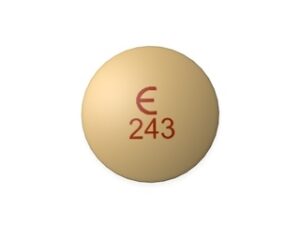
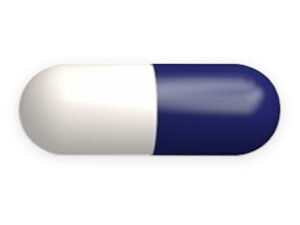
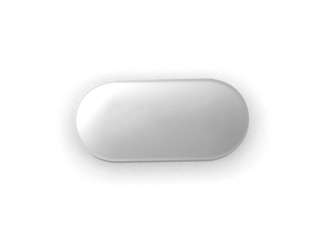
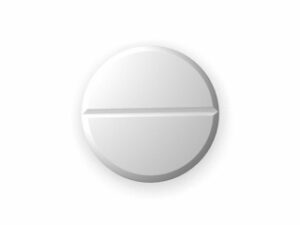
| Common formulations | Tablets and orodispersible tablets (depending on brand) |
| Typical strengths | Varies by product (e.g., 15 mg, 30 mg, 45 mg) |
| Who it may suit | People with depression, particularly where appetite, sleep disturbance, or anxiety symptoms are prominent (individual assessment required) |
| How it’s usually taken | Once daily, often in the evening (timing depends on symptoms and formulation) |
What is mirtazapine used for?
Mirtazapine is primarily used to treat major depressive episodes (depression). It can help with symptoms such as:
- Low mood
- Loss of interest or pleasure
- Sleep problems
- Reduced appetite and weight loss
- Tiredness and low energy
- Anxiety symptoms that may occur with depression
Important: Use for a specific condition should be based on clinical judgement. Different individuals respond differently, and other treatments (including talking therapies) may also be recommended.
How mirtazapine works (mechanism of action)
Mirtazapine works by influencing brain chemicals involved in mood regulation, particularly serotonin and noradrenaline.
- Alpha-2 adrenergic antagonist: helps increase noradrenaline release.
- 5-HT2 and 5-HT3 receptor antagonism: reduces serotonin signalling through certain receptors.
- Increased 5-HT1A activity: may contribute to antidepressant effects and anxiolytic (anti-anxiety) effects.
As a result, mirtazapine is often described as having a distinct profile compared with many other antidepressants.
Pharmacokinetics (how the body handles it)
Pharmacokinetics describes how the medicine is absorbed, distributed, metabolised, and eliminated.
- Absorption: Mirtazapine is absorbed after oral administration. Peak blood levels generally occur a few hours after dosing.
- Distribution: It distributes into tissues and crosses into body fluids, including the brain.
- Metabolism: Mirtazapine is primarily metabolised by liver enzymes, notably CYP enzymes including CYP2D6 and CYP3A4 (and others, depending on the pathway).
- Elimination: Metabolites are removed mainly via urine and faeces.
- Half-life: The duration the drug remains active in the body can be long enough to allow once-daily dosing for many people.
Practical implication: Because metabolism involves the liver, dose adjustments may be considered in people with liver impairment. In severe kidney disease, careful assessment is also needed.
When does it start working? Typical timing
Antidepressants often take time to work. With mirtazapine, some effects may appear earlier, but mood improvement usually takes longer.
- First days to 1–2 weeks: Some people notice improved sleep or appetite before mood lifts.
- 2–6 weeks: Gradual improvement in depressive symptoms is commonly seen during this period.
- After 6–12 weeks: If there is a response, it often becomes clearer by this stage.
Tip: Keep consistent daily dosing. If you feel no benefit after an appropriate trial, your clinician may consider changing dose, adjusting timing, or switching strategy.
How to take mirtazapine (dosing guidance)
Dose varies by individual and formulation, and your prescriber’s instructions are the most important guide.
Typical adult dosing (general pattern)
- Starting dose: Often 15 mg once daily.
- Common range: Many people are treated within 15 mg to 45 mg daily.
- Adjustments: Dose may be increased gradually based on response and side effects.
Once daily or split doses?
Mirtazapine is typically taken once daily, but some prescribers may advise split dosing in specific cases. Common practice is:
- Evening dose if drowsiness is expected or sleep is a problem
- Alternative timing if daytime sedation is a concern (for some people, morning dosing may be better)
Missed dose
If you miss a dose, take it when you remember unless it’s close to the next scheduled dose. Avoid doubling up.
Seek advice if you’re unsure what to do.
Food interactions
Mirtazapine can generally be taken with or without food. However, there are a few practical considerations:
- Digestive comfort: If nausea occurs, taking with food may help.
- Appetite and weight: Mirtazapine can increase appetite in some people, which can lead to weight gain. Paying attention to portion sizes and overall diet may be helpful.
Orodispersible tablets: Follow the specific instructions for your brand. These tablets are designed to disperse in the mouth; avoid crushing if instructed otherwise by the PIL.
Alcohol and medicine interactions
Alcohol
It’s generally advisable to avoid or limit alcohol while taking mirtazapine. Alcohol can worsen common side effects such as:
- Drowsiness and sedation
- Impaired concentration and coordination
- Increased risk of dizziness or falls
Interactions with medicines (important examples)
Mirtazapine can interact with other medicines. Tell your pharmacist or clinician about all products you use, including over-the-counter medicines and herbal remedies.
- CNS depressants: medicines that cause sedation (e.g., some antihistamines, opioids, benzodiazepines) may increase drowsiness.
- Serotonergic medicines: combining mirtazapine with other drugs that raise serotonin (such as certain antidepressants) increases the risk of serotonin-related side effects. Only take combinations if specifically advised.
- MAO inhibitors: should generally not be taken together with mirtazapine due to safety concerns. There are also time intervals required when switching between these types of antidepressants.
- CYP enzyme effects: medicines that strongly affect liver enzymes may change mirtazapine levels. Examples include some antifungals and antibiotics, and drugs used for epilepsy. Your healthcare professional will consider this.
- Anticoagulants/antiplatelets: some medicines affecting bleeding risk may require closer monitoring depending on the overall regimen.
Always check with a healthcare professional or pharmacist if you’re unsure whether a specific medicine is safe to combine.
Indications and clinical use
Within UK clinical practice, mirtazapine is used for depressive illness. It may be considered when symptoms such as poor sleep and reduced appetite are prominent. Choice of antidepressant is individual and depends on:
- Previous response to antidepressants
- Side effect profile preferences (e.g., sedation versus activation)
- Other medical conditions (including liver or kidney issues)
- Other medicines being taken
- Risk factors and safety considerations
Where anxiety is part of the depression, mirtazapine may be beneficial for some patients, particularly because of its calming effects at lower doses for many people.
Safety profile (what to watch for)
Like all medicines, mirtazapine can cause side effects. Many are mild and improve with time, but some require medical attention.
Common side effects
- Sleepiness or drowsiness (often dose-related)
- Dizziness
- Increased appetite and possible weight gain
- Dry mouth
- Constipation
- Nausea
- Vivid dreams
Less common but important side effects
- Blood disorders: rare changes in white blood cells may occur. Seek urgent advice if you develop fever, sore throat, or unusual infections.
- Allergic reactions: rash, swelling, or breathing difficulties require urgent medical assessment.
- Significant mood or behaviour changes: agitation, unusual restlessness, or symptoms suggesting worsening depression need timely review.
- Serotonin-related effects: high fever, confusion, muscle stiffness, or severe diarrhoea are medical emergencies.
Stopping mirtazapine
Do not stop suddenly. Stopping abruptly can cause withdrawal-type symptoms such as:
- Nausea
- Dizziness
- Headache
- Anxiety, irritability
- Sleep disturbance
Your clinician will advise a gradual reduction plan when stopping is appropriate.
Practical use tips for everyday life
- Choose a consistent time: Many people find evening dosing helpful due to drowsiness. If you feel groggy, talk to your clinician about timing or dose adjustment.
- Be cautious the first week: Avoid driving or operating machinery until you know how mirtazapine affects you.
- Plan for sleep changes: Vivid dreams and sleep pattern changes can happen. It may help to keep a regular bedtime routine.
- Monitor appetite and weight: If appetite increases, consider balanced meals, regular activity, and weight monitoring.
- Hydration and constipation prevention: Dry mouth and constipation may occur. Drink fluids and consider fibre intake; ask your pharmacist for advice if symptoms persist.
- Keep track of mood: Some people find a short symptom diary helpful (sleep, mood, anxiety, side effects).
- Don’t mix with alcohol: Reduces the risk of sedation and impaired functioning.
- Check medicines you buy: Some cold/flu preparations and antihistamines can increase drowsiness.
Who should take extra care?
Certain groups may require additional monitoring:
- Older adults: higher sensitivity to sedation and risk of falls; dose adjustments may be needed.
- Liver impairment: may require lower starting doses and slower increases.
- Kidney impairment: careful assessment may be required.
- People with a history of bipolar disorder or mania: antidepressants can sometimes trigger manic symptoms.
- People with glaucoma or urinary retention risk: discuss eye and urinary symptoms with a clinician if relevant.
If you have any of these factors, your healthcare professional will consider the safest approach for your situation.
Alternative options (if mirtazapine isn’t suitable)
There are several antidepressant and non-drug treatment options available in the UK. Alternatives depend on symptom pattern, previous response, side effect tolerance, and comorbidities.
Other antidepressants
- SSRIs (e.g., sertraline, citalopram, fluoxetine) – often first-line options in many guidelines for depression.
- SNRIs (e.g., venlafaxine, duloxetine) – may be considered when pain symptoms are prominent.
- Other tetracyclics (e.g., mianserin) – similar class but different side effect profile.
Talking therapies and supportive treatment
- Cognitive behavioural therapy (CBT)
- Interpersonal therapy
- Behavioural activation
- Sleep and routine support (especially if insomnia is central)
Your clinician can help decide what is most appropriate, including whether switching antidepressant, adding therapy, or combining treatments is best.
UK market and legal context (overview)
In the United Kingdom, medicines like mirtazapine are regulated under the Medicines and Healthcare products Regulatory Agency (MHRA) and must be supplied according to UK law and safety requirements. Antidepressants are also guided by clinical standards for safe prescribing, monitoring, and patient support.
Brands, pack sizes, and availability may vary. Advice on suitability, dosing, and safety should be based on your individual health profile.
Note on governance: For depression, UK practice commonly emphasises structured assessment, ongoing review of response, and attention to suicide risk and behavioural changes, especially in people at higher risk.
Recent UK guidance and clinical approach (high-level)
Clinical guidance in the UK for depression continues to focus on:
- Assessment of severity and risk (including suicidal thoughts or self-harm risk)
- Stepped-care models (talking therapies and lifestyle support for mild to moderate depression; medication and/or combination for more severe or persistent depression)
- Choice of antidepressant based on symptom profile and expected side effects
- Regular review to check effectiveness and tolerability
- Safe continuation and gradual withdrawal when stopping treatment
If you are starting or adjusting an antidepressant, the usual approach is close follow-up during the early phase.
Delivery and availability (UK online pharmacy)
Availability depends on the specific mirtazapine product and strength. In the UK, many pharmacies can supply commonly stocked strengths, while others may require ordering in advance.
Delivery expectations:
- Delivery times may vary based on stock levels and your delivery location.
- Some pharmacies offer tracked delivery and options for safe drop-off.
- If a product is temporarily unavailable, you may be offered an alternative brand or strength only if permitted by relevant regulations and if appropriate for your situation.
Packaging: Medicines are usually supplied in sealed packaging with labelling that includes strength and batch information.
Important FAQs
1. How long does it take for mirtazapine to work?
Some people notice improvements in sleep or appetite within the first 1–2 weeks, but mood improvements often take several weeks. A typical antidepressant trial is assessed over about 2–6 weeks (and sometimes longer), depending on response and tolerability.
2. Should I take mirtazapine in the morning or evening?
Many people take it in the evening because it can cause drowsiness. However, some individuals prefer morning dosing if sedation is problematic. Use the timing advised for you and don’t change timing without guidance.
3. Can I take mirtazapine with food?
Yes. Mirtazapine can usually be taken with or without food. If you feel nauseated, taking it with food may help.
4. Does mirtazapine cause weight gain?
Weight gain can happen, partly due to increased appetite. Not everyone gains weight, but it’s wise to monitor appetite and weight and discuss persistent changes with your clinician.
5. Is mirtazapine sedating?
It can be. Drowsiness is a common effect, especially at the start of treatment or after dose changes. If you feel sleepy, be careful with driving, machinery, and alcohol.
6. What should I do if I feel worse after starting?
Sometimes symptoms can temporarily fluctuate in the early stages. However, if depression worsens, you feel agitated, or you have thoughts of self-harm, seek urgent medical advice immediately.
7. Can I drink alcohol while taking mirtazapine?
It’s usually best to avoid or limit alcohol. Alcohol can increase sedation and impair judgement, making side effects more likely and potentially more dangerous.
8. What happens if I forget a dose?
Take it when you remember unless it’s almost time for the next dose. Don’t take double doses. If you’re uncertain, contact a pharmacist for advice.
9. Can I stop mirtazapine suddenly?
No—stopping suddenly may cause withdrawal symptoms. Treatment should be stopped only with a plan for gradual reduction agreed with your clinician.
10. Are there any medicines I should avoid?
Some combinations can increase side effects or safety risks (for example, other antidepressants, MAO inhibitors, and sedating medicines). Always check with your pharmacist or clinician before starting new medicines, including herbal products and over-the-counter remedies.
When to seek urgent medical help
Contact urgent medical services or seek immediate help if you experience any of the following:
- Signs of a severe allergic reaction (swelling of face/lips, trouble breathing)
- Severe agitation, confusion, high fever, or muscle stiffness
- Uncontrolled thoughts of self-harm or suicidal feelings
- Fainting, severe dizziness, or symptoms suggesting a serious adverse reaction
Further information: This page provides general guidance. Your individual situation—age, medical history, other medicines, and symptom pattern—can change what’s safest and most effective for you. For brand-specific instructions (especially for orodispersible tablets), please refer to your medicine’s patient information leaflet.