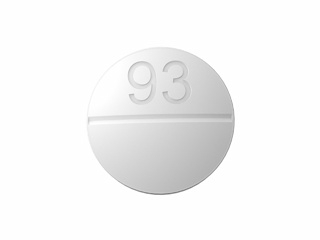
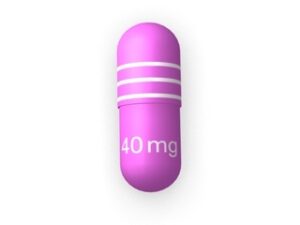

Maxolon (Metoclopramide) – Patient Guide
Maxolon contains metoclopramide, a medicine commonly used to treat nausea and vomiting and to help with certain digestive problems where stomach emptying is slow. This guide explains how Maxolon works, how it’s typically used in the UK, what to expect, and important safety information.
Note: Always follow the advice of your healthcare professional and the instructions on your medicine label. If you are unsure about any aspect of use, speak to a pharmacist.
1. Basic Product Information
| Product | Active ingredient | Common uses | How it may be supplied in the UK |
|---|---|---|---|
| Maxolon | Metoclopramide | Nausea and vomiting; certain gastric (stomach) emptying problems | Oral tablets and other formulations may be available depending on manufacturer and local supply |
Metoclopramide is a medicine with effects both on the brain’s vomiting centre and on the stomach. Because of its action on the nervous system, safety guidance in the UK emphasises using the lowest effective dose for the shortest practical time, especially in people at higher risk of side effects.
2. How Maxolon Works (Mechanism of Action)
Metoclopramide works in two main ways:
- Blocks dopamine (D2) receptors in the brain and gut. This can reduce nausea and vomiting.
- Improves movement of the stomach and upper intestine (prokinetic effect). It increases gastric motility and helps the stomach empty more effectively.
Because it both reduces the urge to vomit and helps stomach emptying, Maxolon may be used when nausea/vomiting is linked to delayed gastric emptying.
3. Pharmacokinetics (What the Body Does to the Medicine)
“Pharmacokinetics” describes how the body absorbs, distributes, metabolises, and eliminates metoclopramide.
- Absorption: After oral dosing, metoclopramide is absorbed from the gut and reaches peak levels in the bloodstream typically within a short period (often within 1–2 hours, depending on formulation and individual factors).
- Distribution: It can cross into the brain to exert anti-nausea effects.
- Metabolism: It is metabolised mainly in the liver.
- Elimination: It is cleared from the body via kidneys and other metabolic pathways. In people with reduced kidney or liver function, medicine levels may build up, so dosing may need adjustment.
These processes are important because side effects may be more likely if the medicine accumulates (for example, in severe renal impairment or with longer-than-recommended use).
4. Typical Use in the UK (Indications)
In the UK, metoclopramide (Maxolon) is used for:
- Nausea and vomiting, particularly where symptoms are associated with delayed gastric emptying.
- Some gastric motility disorders (when appropriate for the individual situation).
- Short-term treatment of certain gastrointestinal symptoms related to impaired stomach emptying.
Your healthcare professional will decide whether Maxolon is suitable for your symptoms and medical history. If nausea/vomiting is persistent, worsening, or accompanied by “red flag” symptoms, further assessment may be needed.
5. When to Take Maxolon (Timing and How to Use It)
Timing can help reduce nausea and improve comfort. Many people take metoclopramide before meals to target stomach emptying and post-meal symptoms, but your label instructions are key.
- For nausea after eating: taking the dose before meals may help.
- For sudden nausea: follow the dosing plan on your medicine packaging or clinician advice.
- Swallowing: swallow tablets with water. Do not crush or chew unless instructed by the product information.
If you miss a dose, take it when you remember unless it is close to the next scheduled dose. Do not take a double dose to make up for a missed one.
6. Food Interactions (How Meals May Affect Use)
Metoclopramide can be used with or without food, but some people find symptoms improve when it’s taken before meals.
- Food generally does not “cancel out” metoclopramide, but meal timing may influence symptom control.
- Heavy or fatty meals can worsen nausea and slow digestion, potentially making symptoms harder to control.
If you notice reduced benefit when taking it at certain times, discuss timing adjustments with a pharmacist.
7. Alcohol and Medicine Interactions
Alcohol
Alcohol may increase drowsiness or impair judgement in some people taking medicines that affect the nervous system. To reduce risk, it’s generally best to avoid alcohol or use it very cautiously while taking Maxolon—especially if you feel sleepy, dizzy, or “out of it.”
Medicine interactions
Metoclopramide can interact with other medicines, particularly those that affect the brain, movement, or stomach. It’s important to review your full list of medicines (including over-the-counter and herbal products).
Important interaction categories may include:
- Medicines that also affect dopamine (some antipsychotics or related medicines) – may increase risk of side effects or change effectiveness.
- Medicines causing drowsiness (sedatives, some antihistamines, opioid painkillers) – the combination may increase sedation or dizziness.
- Anticholinergic medicines (used for certain stomach symptoms, bladder conditions, or Parkinson’s symptoms) – may reduce prokinetic effects.
- Levodopa (for Parkinson’s disease) – metoclopramide may work against it because of dopamine effects.
- Other medicines for nausea or vomiting – combining may increase side effects without improving benefit.
If you are taking medicines for Parkinson’s disease, mental health, migraine, or epilepsy—or if you have long-term medicines—check interaction risk with a pharmacist before starting Maxolon.
8. Dosing: Typical Adult Regimens (General Information)
Dosing varies depending on the condition, age, kidney function, and the specific product strength. Always use the dosage on the packaging or your healthcare professional’s instructions.
General principles:
- Use the lowest effective dose.
- Use for the shortest possible time to reduce the risk of side effects—particularly movement-related (extrapyramidal) reactions.
- In people with kidney problems or liver impairment, dosing may need reduction.
In the UK, regulatory safety guidance has emphasised limiting treatment duration and dose. Your prescriber (or pharmacist) should specify a schedule tailored to you. For children, dosing must be especially careful and age/weight-dependent, with the correct formulation.
Important: Do not exceed the recommended dose. Contact a healthcare professional if symptoms persist despite use.
9. Safety Profile (Important Side Effects and When to Seek Help)
Metoclopramide is effective for many people, but it can cause side effects. Most are mild, but some can be serious, especially with prolonged use or higher doses.
Common side effects
- Feeling sleepy or tired
- Dizziness
- Headache
- Diarrhoea
- Stomach cramps or discomfort
Serious side effects (seek urgent advice)
Stop taking metoclopramide and seek urgent medical advice if you experience:
- Involuntary movements (e.g., restlessness, abnormal facial movements, stiffening, or unusual muscle spasms)
- Severe restlessness (akathisia) that feels hard to control
- Symptoms of neuroleptic malignant syndrome (rare but serious): high temperature, muscle stiffness, confusion, fast heartbeat, or severe sweating
- Allergic reaction: swelling of the face/lips, rash, wheezing, or trouble breathing
- Unusual changes in thinking or behaviour that worry you
Longer-term concerns
Movement-related side effects can be more likely with longer use. UK safety communications have highlighted that metoclopramide should generally be used for short periods and not longer than recommended. If you feel you need it beyond the advised duration, speak to a pharmacist or clinician promptly.
Who needs extra caution?
- People with a history of movement disorders
- Those with Parkinson’s disease or related conditions
- People with liver or kidney problems
- Older adults (higher sensitivity to side effects in general)
- People taking interacting medicines (especially dopamine-related or sedating medicines)
10. Practical Use Tips (Getting the Best Out of Maxolon)
- Stick to the short-term plan: If symptoms persist beyond the advised period, don’t simply continue—seek advice.
- Hydration matters: If you’re vomiting, focus on fluid intake (small frequent sips). Oral rehydration solutions can help.
- Plan around meals: If nausea is meal-related, try taking doses before eating as your label instructs.
- Avoid driving if drowsy: If you feel sleepy or dizzy, don’t drive or operate machinery.
- Keep track of symptoms: Note triggers, timing, and any side effects so you can describe them if you call a pharmacist.
- Review your medicines: If your nausea is being treated alongside other medicines, confirm there are no harmful interactions.
11. Alternative Options (What Else May Help)
Depending on the cause of nausea or delayed gastric emptying, your clinician or pharmacist may consider alternatives. These can include:
- Other anti-nausea medicines (different mechanisms, depending on your condition and history).
- Gastrointestinal motility approaches (non-metoclopramide strategies, tailored to diagnosis).
- Supportive care such as dietary adjustments, hydration, and treating underlying causes (e.g., infections, reflux, migraine, medication side effects).
If you tell a pharmacist:
- how long your symptoms have lasted,
- what you’re able to eat and drink,
- any ongoing medical conditions, and
- any medicines you take regularly,
they can help you consider appropriate alternatives or whether further assessment is needed.
12. Market and Legal Context in the United Kingdom
In the UK, medicines containing metoclopramide have been subject to safety-focused regulatory oversight. Regulatory and professional guidance has emphasised:
- Using metoclopramide for appropriate indications.
- Limiting dose and treatment duration to reduce risk of neurological side effects.
- Special caution in children and vulnerable groups.
Supply and prescribing arrangements can differ between healthcare settings. Your chosen online pharmacy should provide clear information about availability, product strength, and how to order in line with UK regulations.
13. Recent Guidance (Safety and Duration Reminders)
UK safety communications for metoclopramide have repeatedly highlighted the importance of:
- Short-term use for symptom control when clinically appropriate.
- Adhering to maximum recommended doses.
- Monitoring for movement-related side effects, especially early in treatment.
- Reviewing ongoing symptoms rather than continuing indefinitely.
If you have any concerns about side effects or feel you may need a longer course than recommended, speak to a pharmacist rather than extending use on your own.
14. Delivery and Availability (UK Online Pharmacy Information)
Availability of Maxolon (metoclopramide) can vary based on formulation, strength, and current supply. When ordering online in the UK, you can typically expect:
- Clear product details: active ingredient, strength, and form.
- Delivery options: standard and express options may be available depending on your area.
- Packaging and handling: items delivered in protective packaging to help maintain quality.
Delivery times can depend on stock status and local courier schedules. Check the online pharmacy’s delivery information at checkout for the most accurate estimate.
15. FAQ – Frequently Asked Questions
How long can I take Maxolon?
Use should generally be as short as possible and within the maximum duration/dose guidance provided for your condition. If you think you need it for longer, speak to a pharmacist or clinician promptly.
When will Maxolon start working?
Many people notice symptom relief relatively quickly, but timing varies by individual, the cause of nausea, and whether symptoms are meal-related. If you don’t feel any benefit after the expected time, don’t increase the dose—ask for advice.
Can I take Maxolon with food?
Yes, it can usually be taken with or without food. However, if your nausea is linked to eating or delayed stomach emptying, taking it before meals may work better for some people.
What if I feel drowsy or dizzy?
Avoid driving or operating machinery. If dizziness or sleepiness is significant, speak to a pharmacist for guidance. Also consider whether other sedating medicines (including alcohol) may be contributing.
Are there alternatives if I can’t use metoclopramide?
Yes. Depending on your cause of symptoms, a pharmacist or clinician may suggest other anti-nausea treatments or supportive strategies. The “best” option depends on your medical history and other medications.
Can Maxolon be used for every type of vomiting?
Not necessarily. Vomiting can have many causes. If vomiting is persistent, severe, or accompanied by symptoms such as blood in vomit, severe abdominal pain, stiff neck, high fever, dehydration, or signs of serious illness, seek urgent medical advice.
What should I do if I miss a dose?
Take it when you remember unless it’s close to the next dose. Do not take a double dose to make up for a missed one.
Who should take extra care with metoclopramide?
Extra caution is needed for people with liver/kidney problems, movement disorders, Parkinson’s disease, and those taking medicines that interact with the nervous system or dopamine pathways.
Is it safe to drink alcohol while taking Maxolon?
It’s best to avoid alcohol or use it very cautiously, as it may increase drowsiness, dizziness, or impaired judgement.
Important Safety Reminder
This guide is for general information. Individual suitability depends on your health, other medicines, and the cause of symptoms. If you are concerned about side effects or your nausea/vomiting is not improving as expected, seek advice from a healthcare professional.