Nexium (Esomeprazole) – Patient Guide (UK)
Nexium is a brand of esomeprazole, a medicine that reduces the amount of acid made by the stomach. It is commonly used to treat conditions related to excess stomach acid, and it can help relieve symptoms such as heartburn and acid reflux. This guide explains how Nexium works, when to take it, what to expect, safety information, and practical tips for getting the best results.
1) Basic product information
- Active ingredient: Esomeprazole
- Medicine type: Proton pump inhibitor (PPI)
- Common uses: Gastro-oesophageal reflux disease (GORD/acid reflux), erosive oesophagitis, prevention and treatment related to gastric acid
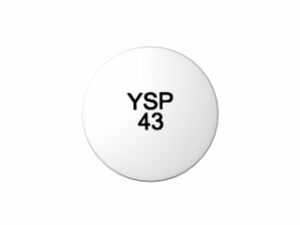
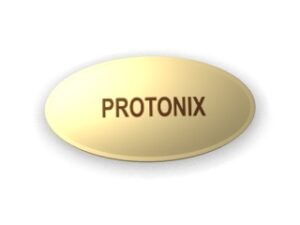
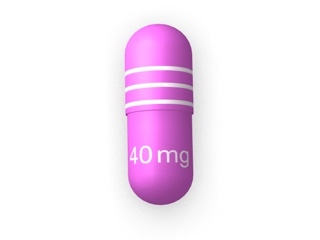
- Available forms (commonly in the UK): Tablets (including delayed-release gastro-resistant tablets) and some strengths are available depending on pharmacy supply
- How it’s taken: By mouth, usually once daily for many indications
2) How Nexium works (mechanism of action)
Esomeprazole belongs to the group of medicines called proton pump inhibitors (PPIs). These medicines reduce the “acid pump” activity in the stomach wall (the proton pump, mainly in the parietal cells).
By blocking acid production at the final step of acid secretion, Nexium helps:
- Lower stomach acidity
- Allow healing of damaged areas in the oesophagus (food pipe), particularly in erosive reflux
- Relieve symptoms such as heartburn, sour taste, and indigestion due to acid reflux
Note: PPIs work best when taken before the stomach begins producing acid for the day or meal, which is why timing is important (see below).
3) Pharmacokinetics (how the body handles esomeprazole)
Understanding how esomeprazole behaves in the body can help set expectations about onset and consistency of dosing.
- Absorption: Esomeprazole is absorbed after the tablet dissolves and releases medicine in the correct part of the digestive tract. It is designed to be gastro-resistant (protected from stomach acid).
- Onset: Acid suppression begins soon after the dose, but symptom relief may take several hours, and optimal benefit for some conditions may take several days.
- Distribution: It distributes into body tissues and is primarily bound in plasma.
- Metabolism: Esomeprazole is mainly broken down in the liver by enzyme systems (notably CYP pathways).
- Elimination: Metabolites are mainly removed through urine and bile pathways.
- Half-life (general): The duration of acid suppression often extends beyond the time the body clears the drug, because PPIs act on the acid pump itself.
4) Typical uses in the UK
Nexium may be used for several acid-related conditions. The exact dose and treatment duration depend on the diagnosis and severity.
Common indications
- GORD (gastro-oesophageal reflux disease): relief of heartburn and other reflux symptoms
- Erosive oesophagitis: healing and prevention of recurrence in some patients
- Zollinger–Ellison syndrome and other conditions with excessive stomach acid production (specialist-led)
- Prevention of gastric ulcers in certain higher-risk patients taking anti-inflammatory medicines (for example, NSAIDs), where appropriate
- Management of stomach and duodenal ulcers related to acid (often with additional therapy when relevant)
Symptoms it may help
- Heartburn (burning behind the breastbone)
- Regurgitation of sour or bitter fluid
- Indigestion or discomfort after meals
- Reflux symptoms that worsen when lying down
5) Timing and how to take Nexium
For PPIs, timing is key. Esomeprazole reduces acid secretion by targeting active proton pumps that are stimulated by food intake.
How to take it
- Swallow whole: Take tablets with water. Do not crush or chew (unless the specific product guidance says otherwise).
- Take before food: Typically taken at least 1 hour before meals. Many people take it in the morning before breakfast.
- Take consistently: For once-daily regimens, use the same time each day.
If you miss a dose
- If you remember later the same day, take it if there’s time before your next meal.
- If it’s close to the next scheduled dose, skip the missed dose.
- Do not double up to make up for a missed dose.
How long before you notice benefit?
Many people notice improvement within a few days. For healing of inflammation in the oesophagus, it may take longer, depending on the condition and severity. If symptoms do not improve, or worsen, seek advice.
6) Food interactions
Food affects the timing of acid production. Esomeprazole is designed to work best when taken before meals.
- Most important: Take the dose before eating (commonly before breakfast).
- After meals: Taking it after eating can reduce effectiveness because the stomach pumps may have already been stimulated.
- General diet: Avoid triggers where possible (for example, very spicy foods, large fatty meals, and late-night eating), as these may worsen reflux even when acid is reduced.
7) Alcohol and medicine interactions
Alcohol
Alcohol does not have a well-known direct “classic” interaction with esomeprazole that limits its use for everyone, but alcohol can worsen reflux symptoms and irritate the stomach and oesophagus in some people.
- If you notice that alcohol triggers heartburn, reduce or avoid it.
- Keep in mind that heavy alcohol use can affect the liver and overall medication safety.
Other medicines: important interactions
Some medicines can be affected by changes in stomach acid, or esomeprazole can influence how other drugs are metabolised in the liver. Always check interaction information for your specific medicines.
Examples of medicine interactions to consider
- Clopidogrel: PPIs can reduce activation of clopidogrel in some cases. This may matter for people taking clopidogrel for cardiovascular conditions. Check with a healthcare professional/pharmacist.
- Antifungals: Drugs like ketoconazole or itraconazole may have reduced absorption when stomach acid is lowered.
- HIV medicines: Some medicines can be affected by changes in stomach acid.
- Warfarin: There may be monitoring needs when PPIs are used alongside warfarin (especially early in treatment).
- Methotrexate (high doses): PPIs may affect methotrexate levels in certain circumstances.
- Digoxin: Lower stomach acid and related effects can influence digoxin absorption in some patients.
- Medicines requiring specific pH conditions: Any medicine whose absorption depends on gastric acidity may be affected.
This is not a complete list. If you are taking multiple medicines, including herbal products, it’s wise to consult a pharmacist for personalised interaction checking.
8) Dosing (general information)
Dose depends on the indication, severity, and your personal risk factors. In the UK, dosing may follow national guidance and the product’s specific instructions.
Common dosing patterns (typical)
| Condition / aim | Typical adult dosing approach | When to take |
|---|---|---|
| Heartburn / reflux symptoms (short-term symptom relief) | Often once daily; strength varies by product and symptoms | Usually 1 hour before food (often before breakfast) |
| GORD / erosive oesophagitis (healing) | Once daily dosing is common; duration may be several weeks | Before breakfast or main meal |
| Longer-term prevention in some cases | Lower maintenance dosing may be used if appropriate | Consistent daily timing |
| Zollinger–Ellison syndrome (specialist-led) | Individualised dosing based on acid output | Often divided dosing may be needed |
Always follow the exact dose and duration on your medicine pack or the instructions provided with your product.
How to stop or reduce after treatment
If you have taken Nexium for a short course and symptoms improve, stopping may be appropriate. If you have taken a PPI for longer periods, abrupt discontinuation can sometimes lead to return of symptoms due to acid rebound. Talk to a pharmacist or healthcare professional for a plan, especially if long-term use is involved.
9) Safety profile and who should take extra care
Like all medicines, Nexium can cause side effects. Most people tolerate it well. The safety profile depends on dose, duration, other illnesses, and other medicines used alongside.
Common side effects (usually mild)
- Headache
- Diarrhoea or constipation
- Nausea
- Abdominal pain or bloating
- Flatulence
Less common but important effects
- Allergic reactions (rare): rash, swelling, or difficulty breathing
- Infections: PPIs may increase susceptibility to certain gut infections in some situations
- Vitamin and mineral changes with long-term use: low magnesium, vitamin B12 changes, or iron deficiency may occur over extended periods
- Bone fracture risk has been reported in studies involving long-term PPI use, particularly in people with additional risk factors
When to seek urgent advice
Contact urgent medical care if you develop:
- Allergy symptoms such as swelling of the face/lips, hives, or breathing difficulties
- Severe or persistent abdominal pain, vomiting blood, or black/tarry stools
- Unexplained weight loss or difficulty swallowing
- Chest pain or breathlessness (to rule out causes not related to reflux)
Who should take extra care
- People with liver problems may require additional monitoring depending on severity.
- Those taking interacting medicines (see interaction section).
- Pregnancy and breastfeeding: safety depends on individual circumstances—seek advice from a pharmacist or clinician.
- Older adults may be more vulnerable to side effects from long-term use and should review ongoing need.
10) Practical use tips (get the best results)
- Choose the right time: Take it before meals so it can suppress acid when your stomach is most active.
- Keep tablets intact: Do not crush or chew gastro-resistant tablets.
- Pair with reflux-friendly habits:
- Avoid large meals late at night
- Try smaller portions and do not lie down for a couple of hours after eating
- Elevate the head of the bed if night-time reflux is an issue
- Reduce known dietary triggers (for example, caffeine, chocolate, peppermint, high-fat foods)
- Track your symptoms: Note what improves and how quickly. If there is no benefit after the recommended trial, seek advice.
- Check the full medication list: If you take several medicines, it’s worth a pharmacist check for interactions.
- Don’t use longer than needed: For many people, the shortest effective course is best.
11) Alternative options for reflux and acid-related conditions
Depending on your symptoms, duration, and underlying diagnosis, alternatives may include:
Other medicine classes
- H2-receptor antagonists (H2 blockers) (for example, famotidine): can reduce acid production and may work for some people.
- Antacids (for example, alginates or calcium/magnesium-containing products): provide faster, short-term relief for occasional symptoms.
- Alginate-based treatments: form a protective “raft” barrier to help reduce reflux symptoms after meals.
Non-medicine approaches
- Weight management (if relevant)
- Diet changes and avoiding late meals
- Smoking cessation
- Head-of-bed elevation
A pharmacist can help decide which approach fits your symptoms and whether a PPI is likely to be the most effective option.
12) UK market, legal and guidance context (high-level)
In the United Kingdom, PPIs such as esomeprazole are widely used for GORD and acid-related conditions. Guidance generally emphasises that:
- PPIs should be used at the lowest effective dose for the shortest appropriate duration.
- Ongoing therapy should be reviewed regularly, especially if used long-term.
- People with “alarm features” (for example, difficulty swallowing, unexplained weight loss, gastrointestinal bleeding) require medical assessment.
- Prescribing and supply should be aligned with product-specific information and clinical judgement.
In practice, the NHS and professional societies continue to update recommendations, particularly around appropriate use and de-prescribing when symptoms improve. Your online pharmacy listing may include different pack sizes or strengths depending on current availability and category.
13) Recent guidance (practical summary)
Recent UK and European approaches to PPI use commonly focus on:
- Confirming that symptoms are likely due to acid reflux before escalating or continuing long-term.
- Using step-down strategies where appropriate (for example, dose reduction or intermittent use) when clinically suitable.
- Considering whether alternative causes could explain persistent symptoms.
- Monitoring risk if long-term PPI therapy is unavoidable (for example, magnesium or vitamin B12 issues in susceptible individuals).
If you have been taking a PPI for a long time, it’s worth discussing ongoing need at appropriate intervals.
14) Delivery, availability and what to expect when ordering in the UK
Availability of Nexium packs can vary by pharmacy, pack size, and strength. Online pharmacies in the UK typically offer:
- Home delivery: Delivery times vary by supplier and location, but common services include next-day or tracked delivery options.
- Order confirmation: You should receive order and dispatch updates by email or text.
- Packaging: Medicines are supplied in manufacturer packaging with patient information leaflets.
To avoid delays, ensure your contact details are correct at checkout. If the requested strength or pack size is temporarily unavailable, the pharmacy may offer alternatives of the same active ingredient and strength (subject to regulations and availability).
15) Storage and handling
- Store at room temperature (as stated on the pack).
- Keep out of the sight and reach of children.
- Do not use after the expiry date on the pack.
- Keep the packaging in the original container to protect from moisture and light as directed.
16) FAQ (Frequently Asked Questions)
How quickly does Nexium start working?
Many people start to feel relief within a few hours to a day, but full benefit for reflux and oesophageal healing can take several days. Consistent daily dosing and correct timing before meals help.
Should I take Nexium in the morning or at night?
The most common approach is once daily before breakfast (or before the main meal). If your routine is different, ask a pharmacist for advice on timing that best matches your meals.
Can I take Nexium long-term?
Some people need long-term acid suppression, but UK guidance commonly recommends regular review and the lowest effective dose. If you’ve been taking it for months or longer, discuss whether you still need daily therapy and whether a step-down plan is appropriate.
What should I do if my symptoms come back after stopping?
Symptoms may return if acid suppression is stopped, especially if you’ve been taking a PPI for a longer time. Consider seeking advice about a step-down strategy rather than restarting without guidance.
Is Nexium safe with other medicines?
Nexium can interact with certain medicines (for example, clopidogrel) and can affect the absorption of others. If you take regular medications, it’s recommended to check interactions with a pharmacist.
Does Nexium affect fertility or pregnancy?
Pregnancy and breastfeeding safety depends on your individual situation. If you are pregnant, planning pregnancy, or breastfeeding, seek advice from a pharmacist or clinician before using Nexium.
Can I drink alcohol while taking Nexium?
There is no single universal rule, but alcohol can worsen reflux in many people. If you notice an effect, reduce or avoid alcohol and focus on reflux-friendly habits.
Are there alternatives to Nexium?
Yes. Depending on your needs, alternatives may include other PPIs, H2 blockers, antacids, or alginate-based products, plus lifestyle measures. A pharmacist can help you choose based on symptoms and history.
When should I contact a doctor urgently?
Get urgent help if you have signs like vomiting blood, black/tarry stools, trouble swallowing, severe chest or abdominal pain, unexplained weight loss, or symptoms that suggest something other than routine reflux.
What if I don’t feel better after taking it?
If symptoms don’t improve after the recommended course, or they worsen, seek advice. Persistent symptoms can have different causes, and your treatment plan may need adjusting.