

Rabeprazole (Rabeprazole Sodium) – Patient Information
Rabeprazole is a medicine used to reduce stomach acid. It belongs to a group called proton pump inhibitors (PPIs). In the UK, rabeprazole is used for a range of stomach and upper digestive conditions, including symptoms of acid reflux such as heartburn. This guide explains how rabeprazole works, how to take it, what to expect, and key safety information.
If you have ongoing or worsening symptoms, trouble swallowing, unexplained weight loss, vomiting blood, or black/tarry stools, seek urgent medical advice. This information is for general guidance and does not replace advice from a healthcare professional.
Basic product information
| Item | Details |
|---|---|
| Active ingredient | Rabeprazole (as rabeprazole sodium) |
| Medicine type | Proton pump inhibitor (PPI) |
| How it works | Reduces acid production in the stomach |
| Common strengths | Typically 10 mg or 20 mg (depends on product) |
| Common dosing pattern | Usually once daily for many conditions; sometimes twice daily as directed |
| Availability in the UK | May be available via pharmacy routes and/or other licensed channels depending on pack and strength |
How rabeprazole works (mechanism of action)
Rabeprazole blocks the final step of acid production in the stomach. It targets the proton pump (often called the H+/K+-ATPase) located in stomach lining cells. When the pump is inhibited, the amount of gastric acid produced is reduced.
Because PPIs work by switching off the acid “machinery,” they can take longer to reach full effect compared with quick-relief antacids. Many people notice symptom improvement within a few days, but maximum benefit often takes about 1–4 days of regular use (depending on the condition).
Pharmacokinetics (how the body handles it)
Pharmacokinetics describes how rabeprazole is absorbed, distributed, metabolised, and eliminated. Key points include:
- Absorption: Rabeprazole is absorbed after oral dosing. The medicine is designed to act in an acidic environment.
- Time to effect: Acid suppression begins after the first dose, with stronger control typically developing over several days.
- Metabolism: Rabeprazole is metabolised primarily in the liver.
- Elimination: It is eliminated mostly via metabolism (and related routes) from the body.
- Duration of action: Although the drug’s blood levels fall, acid suppression can persist due to the way the proton pump is inhibited.
Individual response can vary depending on factors such as stomach acidity, liver function, and other medicines.
What rabeprazole is used for (indications)
Rabeprazole is used for conditions where reducing stomach acid helps relieve symptoms and allows healing. Common uses include:
- Gastro-oesophageal reflux disease (GORD/acid reflux): Helps reduce heartburn and acid regurgitation.
- Erosive or ulcerative reflux disease: Supports healing of damage caused by acid.
- Maintenance treatment: Helps prevent relapse in people with recurring reflux disease.
- Duodenal and gastric ulcers: Promotes healing and reduces recurrence in appropriate cases.
- Zollinger–Ellison syndrome: A rare condition with excessive acid production.
- H. pylori eradication therapy: Rabeprazole may be used as part of combination treatment to eradicate Helicobacter pylori, together with antibiotics (where indicated).
When to take rabeprazole (timing and how to use it)
For best results, rabeprazole is generally taken once daily before food. This timing helps ensure it is active when the stomach begins its acid production for the day.
Typical timing
- Most people: Take in the morning, usually before breakfast.
- If prescribed twice daily: Usually taken before breakfast and before the evening meal, unless your clinician advises otherwise.
How to take it
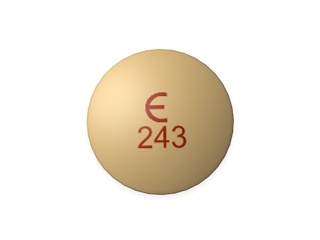
- Swallow the tablet whole with water (unless your product instructions say otherwise).
- Try not to miss doses. If you forget, take it when you remember unless it is close to the next dose—then skip the missed dose.
- Do not stop early just because symptoms improve. Your course length depends on the condition being treated.
Food interactions (what to know about meals)
Rabeprazole works best when taken before meals. Food can reduce how well the medicine takes effect because it may not align with the time when proton pumps are most active.
Practical guidance:
- If you usually eat breakfast late, you can still take rabeprazole beforehand, ensuring a gap before the meal.
- If you forget and take it after eating, you may still get benefit, but speak to your pharmacist if timing becomes frequent.
Alcohol and medicine interactions
Moderate alcohol does not usually interact directly with rabeprazole in a clinically significant way. However, alcohol can worsen reflux symptoms in many people by relaxing the oesophageal sphincter and irritating the lining of the stomach.
Alcohol: practical advice
- If you notice your heartburn increases after drinking alcohol, consider reducing or avoiding it.
- Avoid heavy drinking, especially on nights close to bedtime.
Important medicine interactions
PPIs can affect the absorption of medicines that depend on stomach acidity. Also, rabeprazole is metabolised in the liver, so interactions are possible with certain drugs.
Speak to a pharmacist or healthcare professional if you take any of the following (not an exhaustive list):
- Medicines that rely on stomach acidity: Some antifungal medicines (e.g., ketoconazole/itraconazole) and certain iron preparations may be affected.
- HIV medicines: Some antiretroviral medicines may have altered absorption.
- Anticoagulants: Warfarin and other blood thinners may require closer monitoring in some situations.
- Clopidogrel: Some PPIs can influence activation of clopidogrel. Your clinician may advise an alternative PPI if appropriate.
- Metabolic interactions: Drugs that strongly influence liver enzymes may affect levels.
Keep a full list of your medicines (including over-the-counter products) and show it to your pharmacist when starting rabeprazole, particularly if you take multiple long-term medicines.
How long does rabeprazole take to work?
Many people experience symptom relief within days, but healing of inflammation and ulcers takes time. If rabeprazole is used for reflux:
- Heartburn symptom relief: often within the first few days
- Full effect and healing: may require several weeks depending on the diagnosis
If symptoms do not improve after the recommended period, or if they return quickly, talk to a healthcare professional. Persistent symptoms should not be ignored.
Dosing information
Dosing depends on the condition being treated, your response, and the product strength. Always follow the instructions on your pack or those provided by a clinician.
Common dosing patterns (general examples)
- GORD/acid reflux: Often 10 mg once daily or 20 mg once daily (depending on severity and product).
- Erosive reflux disease: May require 20 mg once daily; sometimes longer courses depending on healing.
- Duodenal or gastric ulcers: Commonly 20 mg once daily, though duration may vary.
- H. pylori eradication: Typically used in combination therapy with antibiotics and possibly other medicines to meet eradication requirements.
- Zollinger–Ellison syndrome: Doses may be higher and adjusted based on response.
Important: If you are taking rabeprazole as part of an H. pylori regimen, you must complete the full course of all medicines exactly as directed for the best chance of eradication.
Missed dose guidance
- If you miss a dose, take it as soon as you remember on the same day.
- If it is near the time of the next dose, skip the missed dose.
- Do not take double the dose to make up for a missed tablet.
Safety profile and side effects
Like all medicines, rabeprazole can cause side effects, although not everyone gets them. Most side effects are mild and temporary.
Common or mild side effects
- Headache
- Diarrhoea or constipation
- Abdominal pain, bloating, or indigestion
- Nausea
- Dizziness
Less common but important risks
The risk profile can depend on duration and dose. Seek medical advice promptly if you experience:
- Severe or persistent diarrhoea (especially if watery or with fever), which may indicate bowel infection
- Allergic reactions such as swelling of the face/lips, difficulty breathing, or widespread rash
- Unexplained bruising or unusual bleeding
- Signs of low magnesium (possible with longer-term PPI use): muscle cramps, weakness, irregular heartbeat, dizziness
- Signs of vitamin or mineral deficiency with long-term use (your clinician may advise checks if needed)
Long-term use considerations
For people who need PPIs for extended periods, healthcare teams may review the lowest effective dose and monitor for potential nutrient-related issues where appropriate (for example, magnesium).
Do not continue indefinitely without review. If you have been taking rabeprazole for months, discuss your ongoing treatment plan.
Practical use tips (to get the best results)
- Take it at the right time: before breakfast (or before meals if twice daily).
- Be consistent: PPIs work best when taken regularly.
- Give it time: allow several days to feel full benefit.
- Track your triggers: certain foods, large meals, late-night eating, caffeine, and alcohol can worsen reflux.
- Use lifestyle measures:
- Avoid lying down for 2–3 hours after eating
- Raise the head of the bed if night symptoms occur
- Eat smaller meals
- Maintain a healthy weight where possible
- Check other medicines: if you take iron, antifungals, blood thinners, or HIV medicines, ask about interactions.
Alternative options for acid-related conditions
Depending on your symptoms and diagnosis, other treatments may be appropriate. Alternatives include:
Other medicines
- Other PPIs: e.g., omeprazole, esomeprazole, lansoprazole, pantoprazole.
- H2-receptor antagonists: e.g., famotidine (acid reducers with different onset/strength).
- Antacids: short-acting relief for breakthrough symptoms (do not replace PPIs for many reflux conditions).
- Alginate-based products: form a barrier to reduce reflux symptoms after meals (often used alongside acid reducers).
Lifestyle and non-medicine measures
- Diet and meal timing adjustments
- Weight management
- Smoking cessation (if applicable)
The best alternative depends on your specific diagnosis, symptom pattern, and medical history. A pharmacist can help you compare options.
UK market and legal context (United Kingdom)
In the UK, access to medicines depends on licensing, pack strength, and the legal classification of the product. Rabeprazole is an established medicine used in the NHS and in private care. Availability may vary between:
- Different pack sizes and strengths
- Whether the product is supplied as a pharmacy-only product or via other channels
- Eligibility based on age and symptom duration, where applicable
Pharmacies and suppliers must follow UK regulations, including requirements for proper labelling, safe supply processes, and appropriate patient information.
Recent guidance and current clinical approach (UK)
Current UK clinical practice typically aims to use PPIs:
- At the lowest effective dose
- For the shortest duration needed to control symptoms and heal inflammation
- With periodic review for long-term users
Many treatment pathways recommend lifestyle measures and stepwise approaches where appropriate. If you are taking a PPI regularly without clear review, it is reasonable to ask your GP or pharmacist whether you still need ongoing therapy and at what dose.
If you have alarm symptoms (such as difficulty swallowing, gastrointestinal bleeding, or significant unintentional weight loss), these may warrant further assessment rather than continued self-management.
Delivery and availability (online pharmacy information)
Rabeprazole products may be available online from UK pharmacy retailers, subject to stock availability and the specific product listing (strength, pack size, and legal category).
What to expect
- Availability: Stock can change, especially for less common strengths or pack sizes.
- Delivery: Delivery time depends on the supplier’s courier service and dispatch schedule.
- Packaging: Usually supplied in manufacturer packaging with clear labelling and instructions.
When ordering, ensure you select the correct strength and product form stated on the listing. If you are unsure, contact a pharmacist using the on-site help channel before placing an order.
FAQ about rabeprazole
1) Can I take rabeprazole for occasional heartburn?
It depends on your symptoms and the product you have. For frequent or persistent reflux symptoms, regular acid suppression may be needed. For occasional indigestion, other over-the-counter options (such as antacids or alginate products) may be more suitable. If symptoms last more than a short period or keep returning, speak to a healthcare professional.
2) How soon will I feel better?
Many people notice some improvement within a few days. Full benefit can take longer, particularly if you have erosive reflux or an ulcer. If you feel no improvement after the recommended period on the pack, get advice.
3) Should I stop as soon as symptoms improve?
For many conditions, stopping early can lead to symptoms returning. Follow the course length on your pack or the plan agreed with a healthcare professional. For long-term use, discuss whether dose reduction or review is appropriate.
4) Is rabeprazole safe to take with other medicines?
Many people can take rabeprazole safely with other medicines, but interactions can occur, especially with medicines that depend on stomach acid. Tell your pharmacist about everything you take, including over-the-counter treatments and supplements.
5) Does food affect rabeprazole?
Yes—rabeprazole is usually most effective when taken before meals, commonly before breakfast. If you eat soon after taking it, the effect may be less optimal. Try to follow the recommended timing.
6) Can I drink alcohol while taking rabeprazole?
There is usually no direct interaction that makes alcohol unsafe for most people, but alcohol can worsen reflux symptoms. If alcohol triggers your heartburn, reducing or avoiding it is often helpful.
7) What should I do if I miss a dose?
Take it when you remember unless it is almost time for your next dose. Do not take a double dose. If missed doses happen often, ask your pharmacist for practical advice.
8) Are there any signs that mean I should seek urgent medical help?
Yes. Seek urgent advice if you have severe allergic reactions (such as swelling or difficulty breathing), vomiting blood, black/tarry stools, severe persistent diarrhoea, or significant unintentional weight loss.
9) Can rabeprazole be taken long term?
Some people need long-term treatment, but it should be reviewed periodically. Using the lowest effective dose helps balance symptom control with potential long-term risks (such as low magnesium in some cases).
10) What if rabeprazole doesn’t work for me?
If symptoms persist despite correct timing and regular use, it could be due to the diagnosis, severity, or other factors. Seek advice from a pharmacist or healthcare professional. There may be alternative medicines or further evaluation needed.
Summary
Rabeprazole (rabeprazole sodium) is a proton pump inhibitor that reduces stomach acid, helping relieve symptoms and heal damage caused by acid reflux, ulcers, and related conditions. For best results, take it before meals, allow a few days for improvement, and be mindful of possible interactions with certain medicines. If you have any concerning symptoms or you’re unsure about long-term use, seek advice from a healthcare professional.
Always read the patient information leaflet supplied with your medicine for full details on dosing, side effects, and warnings.