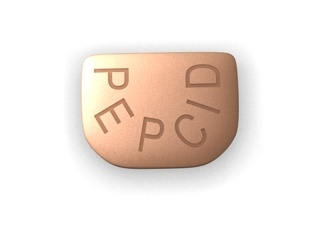
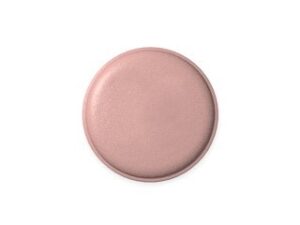
Pepcid (Famotidine) – Patient Information (UK)
Pepcid contains famotidine, a medicine used to reduce stomach acid. It can help relieve symptoms of heartburn, indigestion and other acid-related conditions. This guide explains how Pepcid works, when to take it, common safety considerations, and practical tips to get the most from your treatment.
Important: This information is for general guidance. Always follow the instructions on the pack or as advised by a healthcare professional.
Basic product information
- Active ingredient: Famotidine
- Medicine type: H2-receptor antagonist (acid reducer)
- Common uses: Heartburn (acid reflux), indigestion, and related conditions
- Available forms (may vary by brand/strength): Tablets / oral formulations
- Regulatory status in the UK: Availability depends on local licensing and pack sizes. Always confirm the product details on your specific package.
How Pepcid works (mechanism of action)
Famotidine belongs to a group of medicines called H2-receptor antagonists. These medicines reduce acid production by blocking the action of histamine on H2 receptors found on acid-producing cells in the stomach.
- Less acid is produced in the stomach.
- Existing irritation from excess acid can settle more quickly.
- Symptoms such as burning in the chest, sour taste, and indigestion may improve.
Pharmacokinetics (how the body handles famotidine)
Pharmacokinetics describes what happens after you take a dose—how the medicine is absorbed, distributed, metabolised and eliminated.
- Absorption: Famotidine is absorbed after oral administration. Food may slightly affect the rate, but for most people overall symptom control is maintained.
- Onset of action: Many people notice symptom relief within about 1 hour, though times can vary by individual and formulation.
- Duration: H2-receptor antagonists typically provide symptom control for several hours. Your dosing schedule is designed to maintain relief through the day or night as needed.
- Elimination: Famotidine is removed mainly by the kidneys (urinary excretion). This means kidney function can influence how long the medicine stays in your body.
Typical uses in the UK
Pepcid (famotidine) is commonly used for acid-related digestive symptoms. Depending on the product strength and local licensing, it may be used for:
- Heartburn (a burning sensation in the chest)
- Acid reflux (including symptoms of gastro-oesophageal reflux disease, GERD)
- Indigestion and discomfort related to stomach acidity
- Stomach/duodenal ulcer-related symptoms in certain circumstances (where licensed and as advised)
- Prevention or reduction of acid-related irritation in specific clinical settings (as guided by the prescriber or product instructions)
If your symptoms are frequent, severe, or persist despite correct use, speak to a healthcare professional—persistent reflux can sometimes indicate a more serious condition.
When to take Pepcid (timing and duration)
Timing can affect how well Pepcid manages your symptoms. Many people find relief when taken at the time that best matches when acid symptoms usually occur for them.
General timing guidance
- For daytime symptoms: Take according to your schedule on the pack (e.g., before meals if advised).
- For night-time symptoms: If you have reflux/heartburn when lying down, dosing may be timed to cover the evening or night. Follow the pack instructions.
- Consistency matters: If you are taking it regularly, take doses at similar times each day.
Follow the instructions on your specific product pack for exact timing and number of doses per day.
Food and interaction considerations
Food interactions
Famotidine can generally be taken with or without food. However:
- Food may slightly affect the speed of relief for some people.
- If you notice symptoms improve faster when you take it before a meal or at a particular time, you can usually align dosing with that routine—while still following the pack schedule.
As a practical approach, many people take acid reducers around meals or before lying down depending on when their symptoms tend to occur.
Alcohol
Alcohol can worsen heartburn and reflux by relaxing the lower oesophageal sphincter and increasing irritation of the oesophagus. Even when you take an acid-reducing medicine, alcohol may still trigger symptoms.
- Limit alcohol if you experience reflux after drinking.
- Avoid heavy drinking, especially in the evening.
Medicine interactions (important points)
Famotidine has fewer food-drug interactions than some other acid reducers, but interactions are still possible. Always check the pack leaflet and inform a healthcare professional or pharmacist about all medicines you take, including over-the-counter products and herbal supplements.
How interactions can happen
- Changes in stomach acidity can alter absorption of some medicines.
- Kidney function influences elimination of famotidine; this can affect risk when combined with other medicines that rely on kidney clearance or affect renal function.
Examples of medicines that may need extra review
Interaction likelihood depends on your personal regimen. Consider asking your pharmacist if you use any of the following types:
- Medicines whose absorption depends on stomach acidity (for example, some antifungals or certain antivirals).
- Medicines requiring careful kidney dosing if you have reduced kidney function.
- Other acid-reducing medicines (e.g., additional H2 antagonists or proton pump inhibitors) — combining them should be intentional and guided.
Practical tip: Keep an up-to-date list of your medicines and show it to a pharmacist if you are unsure.
Indications (what Pepcid is used for)
“Indications” means the conditions the medicine is intended to treat. For famotidine, indications commonly include:
- Relief of heartburn and acid reflux symptoms
- Symptomatic management of indigestion related to stomach acidity
- Acid-related inflammation/irritation of the upper gastrointestinal tract, depending on the clinical scenario and product label
- Ulcer-related symptoms in appropriate situations
If you are using Pepcid for something other than the symptoms on the pack (for example, if you have diagnosed reflux disease or ulcers), confirm the plan with a healthcare professional.
Dosing (how much to take)
The correct dose depends on the specific Pepcid product, the strength of the tablet, your age, and the reason you are taking it. For UK users, dosing should match the pack instructions for your particular strength and formulation.
General dosing principles
- Use the lowest effective dose for symptom control.
- Do not exceed the maximum daily dose stated on the pack.
- If you are taking it regularly, use the schedule on the pack leaflet (for example, once or twice daily depending on the product).
| Situation | Typical approach | Key reminder |
|---|---|---|
| Occasional heartburn | Take according to pack instructions when symptoms occur | Do not keep taking indefinitely without medical review |
| More frequent symptoms | Regular dosing may be used as directed on the pack | Use timing that covers when your symptoms usually happen |
| Night-time reflux | Follow pack guidance to cover evening/night symptoms | Avoid lying down soon after eating |
| Reduced kidney function | Dose may need adjustment; check with pharmacist/clinician | Famotidine is cleared by the kidneys |
Children and adolescents: Use only if specifically permitted by your product’s licence and pack instructions. Ask a pharmacist for advice if you are unsure.
Safety profile (who should be careful)
Most people can take famotidine safely when used as directed. However, there are important safety considerations, particularly in certain medical situations.
Common side effects
Side effects are usually mild. If they occur, they often improve as your body adjusts or after stopping treatment.
- Headache
- Dizziness
- Constipation or diarrhoea (less commonly)
- Nausea
- Fatigue
Serious side effects (seek urgent medical advice)
Stop the medicine and seek urgent medical help if you experience signs of a severe allergic reaction or other serious concerns.
- Swelling of face, lips, tongue or throat
- Difficulty breathing or wheezing
- Severe rash, blistering or peeling skin
- Chest pain that is new, worsening, or occurs with breathlessness/sweating (heart symptoms can mimic reflux)
When to be extra cautious
- Kidney problems: As famotidine is mainly cleared by the kidneys, dose adjustments may be needed.
- Older adults: Reduced kidney function can occur with age, so discuss dosing if unsure.
- Long-term symptoms: If heartburn is frequent for weeks, it may require structured assessment rather than repeated self-treatment.
- Unexplained weight loss, vomiting, trouble swallowing, bleeding, or black stools: get medical advice promptly.
Practical use tips (get the best results)
- Know your triggers: Spicy foods, fatty meals, caffeine, chocolate, mint, and late meals can worsen reflux in many people.
- Timing with meals: If symptoms appear after eating, consider taking Pepcid as directed before meals or as pack instructions advise.
- Sleep position: Avoid lying flat shortly after eating. Elevating the head of the bed may help (where appropriate).
- Meal size: Smaller meals often reduce reflux symptoms.
- Smoking: Smoking can worsen reflux—reducing or stopping may improve symptoms.
- Track response: If you don’t feel improvement within the expected timeframe, reassess with a pharmacist/clinician rather than increasing doses.
Alternative options
Depending on your symptoms, other treatments may be considered. Your choice can depend on how often symptoms occur, how severe they are, and how quickly you need relief.
Common alternatives to consider
- Antacids: Provide fast, short-term relief by neutralising existing stomach acid (useful for occasional heartburn).
- Alginate-based products: Form a “raft” barrier to reduce reflux episodes (often used for heartburn after meals).
- Proton pump inhibitors (PPIs): Stronger acid suppression for persistent symptoms or healing of acid-related damage (typically used when symptoms are frequent or long-lasting).
- H2 antagonists (other H2 blockers): Some people respond better to one medicine than another.
If your symptoms are frequent (for example, most days) or you require repeated courses, ask a pharmacist or healthcare professional about the most appropriate long-term strategy.
UK market and legal context (what to expect)
In the United Kingdom, medicines are regulated by the Medicines and Healthcare products Regulatory Agency (MHRA) and dispensed or supplied according to their classification and licence. Famotidine products may be marketed under different brands and strengths, and the availability of each may vary.
- Branding and pack sizes: Pepcid may not be available in every format/strength at all times.
- Supply rules: Some medicines are restricted to pharmacy supply; others may be available for general sale depending on strength and indication.
- Pharmacist checks: Online pharmacy supply may include safety screening, especially if age, other medicines, or medical history could affect suitability.
Recent guidance and advice (general context)
Current UK clinical advice commonly emphasises a stepwise approach to acid-related symptoms:
- Lifestyle measures (diet, meal timing, weight management, avoiding late meals) alongside medicines.
- Short-term symptomatic treatment for occasional symptoms.
- Review if symptoms persist, particularly if there are “alarm” symptoms such as difficulty swallowing, bleeding, vomiting, unexplained weight loss, or anaemia.
- Appropriate escalation for frequent or severe reflux, often involving stronger acid suppression options.
Always follow the pack leaflet and seek advice if symptoms do not improve or recur frequently.
Delivery and availability (UK online pharmacy)
Availability can vary depending on supplier stock and the specific Pepcid product strength. When ordering online:
- Check the product details (strength, form, and expiry date if displayed).
- Confirm suitability using the online screening steps where provided.
- Delivery times vary by courier and location; choose the service level at checkout.
- Cold chain is generally not required for tablets, but follow any specific handling instructions on the pack.
If a requested strength or format is out of stock, a pharmacy may offer an alternative formulation or recommend another suitable product.
FAQ (Frequently asked questions)
Is Pepcid suitable for everyone with heartburn?
Pepcid may help many people with acid-related symptoms, but it isn’t suitable for everyone. If you have kidney problems, are pregnant or breastfeeding, or take medicines that require special review, check with a pharmacist before use.
How quickly does Pepcid work?
Many people experience symptom relief within about 1 hour. Relief timing can vary depending on the formulation, dose, and when you take it relative to meals.
Can I take Pepcid with food?
Yes, famotidine can usually be taken with or without food. If you find that your symptoms improve best when taken before meals, you can follow that pattern while still matching the pack schedule.
What if my symptoms come back after I stop?
Heartburn can recur if the underlying trigger (such as reflux) remains. If symptoms return frequently or you need repeat courses, speak to a pharmacist or healthcare professional for a tailored plan.
How long can I take Pepcid?
Use Pepcid for the duration recommended on the pack or as advised by a healthcare professional. If symptoms persist beyond the intended short-term period, you should seek further assessment.
Can I take Pepcid with other stomach medicines?
Sometimes, but it depends on what the other medicine is. Combining acid-reducing medicines can increase the risk of side effects without additional benefit. Check with a pharmacist if you are considering using multiple products.
Does Pepcid interact with alcohol?
Alcohol can worsen reflux symptoms even when you take acid reducers. Limiting alcohol may improve your overall control of heartburn.
Who should seek medical advice urgently?
Seek urgent medical help if you experience signs of severe allergic reaction (swelling of face/lips/tongue, breathing difficulties, severe rash) or symptoms that could indicate a serious condition, such as:
- Chest pain with breathlessness, sweating, faintness or pain spreading to arm/jaw
- Vomiting blood
- Black tarry stools
- Unexplained weight loss
- Difficulty swallowing or persistent vomiting
What should I do if I miss a dose?
Take it when you remember unless it is close to the next scheduled dose. Do not take a double dose to make up for a missed tablet.
How should I store Pepcid?
Keep tablets in their original packaging, protected from moisture and heat. Store out of sight and reach of children. Follow the storage instructions on the pack.
Summary
Pepcid (famotidine) is an H2-receptor antagonist that reduces stomach acid and can relieve heartburn and indigestion related to acidity. For best results, follow the timing instructions on your pack, consider lifestyle triggers, and review your treatment if symptoms persist or are frequent. If you have kidney problems, take multiple medicines, or experience alarm symptoms, seek advice promptly.