

Imodium (Loperamide) – Patient Guide (UK)
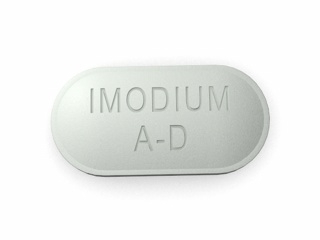
Imodium contains the active ingredient loperamide. It is an anti-diarrhoea medicine used to help control symptoms of sudden, short-term diarrhoea in adults and children (depending on the product strength and age suitability). This guide explains how Imodium works, when it’s typically used, how to take it safely, and what to watch for.
Important: This information is for general guidance. Always follow the instructions on the pack or the advice of your pharmacist or healthcare professional.
Quick overview
- Active ingredient: Loperamide
- Medicinal use: Reduces diarrhoea by slowing bowel movements
- Typical onset: Often within 1 hour after taking (varies by person)
- Common form: Capsules, tablets or other formulations depending on the product
- Best for: Short-term diarrhoea without blood in stool and without high fever
- Do not use for: Certain infections and diarrhoea with blood/fever (see “When to avoid”)
What is Imodium?
Imodium is a well-known medicine for treating diarrhoea. Loperamide works locally in the gut to decrease bowel motility (the movement that pushes stool through the intestine). By slowing the gut, it allows more water and salts to be absorbed back into the body, helping to firm up stools and reduce the frequency of bowel movements.
Imodium is widely available in the UK as an over-the-counter (OTC) anti-diarrhoeal option, subject to product formulation and age indications.
How Imodium works (mechanism of action)
Loperamide is an opioid-receptor–acting drug that primarily works in the intestine. It binds to opioid receptors in the gut wall and:
- Reduces intestinal peristalsis (slows the movement that triggers diarrhoea)
- Increases intestinal transit time, allowing better absorption of fluid and electrolytes
- Improves stool consistency by reducing how quickly stool passes through
- Decreases the urge to pass stool (fewer bowel movements)
Because it acts mainly within the gastrointestinal tract, it typically provides symptom relief without treating the underlying cause of diarrhoea.
Pharmacokinetics (how the body handles loperamide)
Absorption: Loperamide is absorbed from the gut after oral dosing, though the extent of absorption can vary.
Distribution: After absorption, it distributes to tissues. A small amount reaches systemic circulation, where drug effects may be limited under normal dosing.
Metabolism: Loperamide is extensively metabolised in the liver, mainly via enzymes including CYP3A4 and CYP2C8.
Excretion: Metabolites are eliminated, mainly via the faeces. A portion may also be removed through urine.
Safety note: Overuse or high doses can lead to serious side effects, including effects on heart rhythm. This is why you should follow dosing instructions precisely and avoid combining with certain interacting medicines (see “Medicine interactions”).
What Imodium is used for (indications)
Imodium is used to treat symptomatic relief of acute diarrhoea in adults and children where appropriate, such as:
- Sudden, short-term diarrhoea (e.g., stomach upset)
- Diarrhoea where the main goal is to reduce stool frequency and improve consistency
It may be used as part of self-care and rehydration measures. It does not treat the cause of diarrhoea (for example, viral infection, food poisoning, or inflammatory bowel conditions).
In certain long-term conditions affecting bowel function, healthcare professionals may use loperamide under specific circumstances. For home use, follow the pack guidance.
When not to use Imodium (important safety checks)
Do not use loperamide for diarrhoea if any of the following apply, unless a clinician advises otherwise:
- Diarrhoea with blood in the stool or black/tarry stool
- High fever (or severe illness symptoms)
- Suspected antibiotic-associated diarrhoea (for example after recent antibiotics)
- Suspected dysentery (bloody diarrhoea)
- Acute ulcerative colitis flare or severe bowel inflammation
- Severe dehydration where oral intake is difficult
Seek urgent medical advice if you suspect severe infection, severe dehydration, or if symptoms are worsening.
Timing: when it starts to work
Many people notice improvement within about an hour of taking loperamide, although this can vary depending on the cause of diarrhoea, severity, and individual response.
If there is no improvement within 48 hours (or sooner if symptoms worsen), stop self-treatment and get medical advice.
How to take Imodium (typical dosing guidance for UK OTC use)
Dosing depends on the specific formulation (capsules, tablets, liquid, and strength) and the patient’s age. Always use the instructions on the pack or leaflet.
General principles
- Take the lowest effective dose to control symptoms.
- Do not exceed the maximum daily dose stated on the package.
- Stay hydrated; rehydration is a key part of diarrhoea care.
- Use for the shortest duration possible. If diarrhoea persists, seek advice.
Adults (common OTC approach)
For acute diarrhoea, many loperamide OTC products use an initial dose followed by a maintenance dose after each loose stool, within a maximum daily limit. Because pack strengths can vary, check the exact leaflet for your product.
Children
In the UK, loperamide products have age restrictions and specific dosing instructions. Use only if the product is approved for the child’s age and follow the pack instructions carefully.
Do not give to very young children unless specifically advised by a healthcare professional.
Food and drink interactions
Loperamide can generally be taken with or without food. However, if you have a sensitive stomach, taking it with a small amount of food or after a meal may improve tolerability.
Hydration matters more than food: Diarrhoea can lead to fluid and electrolyte loss. Consider:
- Oral rehydration solutions (ORS) if diarrhoea is moderate or severe
- Small sips of water, diluted squash, or clear broths
- Light meals when tolerated
Avoid alcohol while you are unwell, as it may worsen dehydration and irritate the gut.
Alcohol interactions
Loperamide does not have a “typical” alcohol-specific reaction like some medicines. However, because diarrhoea can cause dehydration and affect electrolyte balance, alcohol is not recommended during an episode.
Why it matters: Combining alcohol with any illness that affects the gut can increase the risk of dizziness, reduced hydration, and poorer recovery.
Medicine interactions (including alcohol-related concerns)
Loperamide is metabolised mainly by liver enzymes (including CYP3A4 and CYP2C8). Certain medicines can raise loperamide levels and increase the risk of serious side effects, including heart rhythm changes.
Tell a pharmacist if you take any of the following (not an exhaustive list):
- Medicines that inhibit CYP3A4/CYP2C8 (e.g., some antifungals, certain antibiotics, protease inhibitors)
- Opioid medicines or other medicines acting on opioid receptors
- Medicines that affect heart rhythm or the electrical activity of the heart
- Other anti-diarrhoeal medicines (avoid doubling up)
Key safety message: Do not exceed the recommended dose. High doses of loperamide can be dangerous and have been associated with severe heart problems.
Practical tips for using Imodium safely and effectively
1) Rehydration first
For diarrhoea, preventing dehydration is essential. If you’re able to drink, use oral fluids and consider an ORS if needed.
2) Know the “red flags”
Get medical advice urgently if you have:
- Severe dehydration (very thirsty, dizzy, fainting, very little urine)
- Blood or mucus in stools
- High fever or severe abdominal pain
- Persistent vomiting preventing fluid intake
- Diarrhoea lasting beyond the recommended treatment timeframe
3) Avoid prolonged use without advice
Imodium helps control symptoms. If diarrhoea continues, it may mean there is an ongoing cause that needs assessment.
4) Keep track of your dose
If you take multiple doses, ensure they stay within the maximum daily limit on the pack. Don’t take extra doses to “catch up”.
5) Travel and food choices
If diarrhoea follows travel, food-related illness, or potential infection, continue with hydration and consider discussing persistent symptoms with a pharmacist.
Safety profile: common and serious side effects
Common side effects
Some people may experience:
- Constipation or reduced bowel movements
- Nausea
- Stomach cramps or bloating
- Dizziness (less common)
Serious side effects (seek urgent help)
Stop use and seek urgent medical advice if you experience signs of serious problems such as:
- Severe or worsening abdominal pain
- Abdominal swelling or inability to pass stool/gas
- Allergic reaction (e.g., swelling of lips/face, difficulty breathing, rash)
- Fainting, severe dizziness, or palpitations (could indicate heart rhythm issues)
Overdose risk: Taking more than the recommended dose can cause severe harm, including heart rhythm problems. This is why precise dosing is critical.
Special populations
- Pregnancy and breastfeeding: Many patients ask if Imodium is safe. Use only if recommended by a healthcare professional or if the pack leaflet supports its use. Discuss individual risk factors.
- Children: Follow age limits carefully; dosing must match the child’s age and weight guidance on the pack.
- Older adults: Increased sensitivity to side effects can occur, especially if dehydration is present.
- Liver impairment: Because loperamide is metabolised in the liver, dosing advice may differ; speak to a pharmacist.
Alternatives to Imodium
Depending on the cause and severity of diarrhoea, alternatives may be more appropriate. Options include:
- Oral rehydration solutions (ORS): Helps replace fluids and electrolytes; often the most important treatment.
- Probiotics: Some strains may reduce duration in certain diarrhoea types, especially infectious diarrhoea; results vary.
- Dietary measures: Light foods and avoiding irritants can help (e.g., reduce fatty foods, caffeine, and alcohol).
- Antibiotics (only when indicated): Some bacterial causes may require targeted treatment—seek advice for suspected invasive infection.
If you have persistent diarrhoea, blood in stool, fever, or severe symptoms, anti-diarrhoeal medicines may not be the right approach.
UK market and legal context (OTC availability and guidance)
In the UK, loperamide products like Imodium are typically sold over the counter. Like all medicines, they are supplied under UK medicines regulations and are accompanied by patient information to support safe use.
Pharmacies and UK health guidance generally emphasise:
- Rehydration as a priority
- Not using anti-diarrhoeal medicines when there are red-flag symptoms (blood, high fever, suspected invasive infection)
- Short-term use only, and seeking advice if symptoms persist
- Careful dosing, especially in children
Recent emphasis in public health messaging often highlights the need to avoid inappropriate use and to recognise urgent warning signs. If diarrhoea is ongoing or severe, medical assessment may be needed.
How long you should use Imodium
Imodium is designed for acute, short-term diarrhoea. If your symptoms do not improve within the timeframe stated on the pack (often 48 hours for acute diarrhoea OTC use), do not continue—seek advice.
Delivery and availability in the UK
Imodium (loperamide) is commonly stocked by UK pharmacies and online pharmacy retailers. When ordering online, availability can vary by formulation (e.g., capsules versus other forms) and pack size.
What to expect:
- Dispatch times: Typically within normal working days depending on order cut-off times.
- Delivery methods: Royal Mail or courier services may be used, depending on the retailer.
- Cold storage: Usually not required.
- Age-restricted considerations: Some formulations may require eligibility checks for children’s dosing.
Check the product page for current delivery options, estimated dispatch times, and any eligibility checks required by the supplier.
FAQ
1) Is Imodium safe for everyone?
No. Imodium is not suitable for all types of diarrhoea and should not be used when there are red flags such as blood in the stool or high fever. It is also important to follow age-related guidance and dosing limits. If you’re unsure, ask a pharmacist.
2) How quickly does Imodium work?
Many people notice improvement within about 1 hour. The exact timing varies depending on the cause of diarrhoea and how severe it is.
3) Can I take Imodium if I have a stomach bug?
If diarrhoea is acute and without red-flag symptoms (such as blood or high fever), Imodium may help control symptoms. However, dehydration can still be a risk, so focus on hydration and seek advice if symptoms are severe or persist.
4) Should I keep eating when I have diarrhoea?
Try to eat light meals if you can tolerate them. Hydration is the most important priority. Avoid alcohol and foods that worsen symptoms (for example, very fatty or spicy foods).
5) Can I take Imodium with other medicines?
Some medicines can affect how loperamide is metabolised or can increase the risk of side effects. In particular, avoid exceeding the dose and let a pharmacist know about your medicines, especially antibiotics, antifungals, HIV medicines, or medicines that affect heart rhythm.
6) Can I drink alcohol while taking Imodium?
It’s generally best to avoid alcohol during diarrhoea because it can worsen dehydration and irritate the gut. There is no common single “dangerous” direct interaction, but avoiding alcohol supports recovery.
7) What should I do if diarrhoea continues after taking Imodium?
If there’s no improvement within the pack-recommended timeframe (commonly 48 hours), stop taking it and seek medical advice. Ongoing diarrhoea may need a different approach.
8) What are the red flags that mean I should get help urgently?
Seek urgent help if you have blood in stool, high fever, severe abdominal pain, signs of dehydration, persistent vomiting, or if you feel very unwell.
9) Can Imodium cause constipation?
Yes. Constipation is one of the more common effects when bowel movement is slowed. Stop and seek advice if you develop severe constipation or abdominal swelling/pain.
10) Are there alternatives to Imodium?
Yes. Depending on your situation, ORS for rehydration, probiotics, dietary adjustments, and addressing potential infectious causes may be more appropriate. If diarrhoea is severe, bloody, or accompanied by fever, get advice.
Summary
Imodium (loperamide) helps treat acute diarrhoea by slowing gut movement and reducing stool frequency. It can provide symptom relief within about an hour, but it is not a cure for the underlying cause. For safe use in the UK, follow the pack instructions closely, keep hydrated, and do not use it if red-flag symptoms are present. If diarrhoea persists or worsens, seek medical advice.