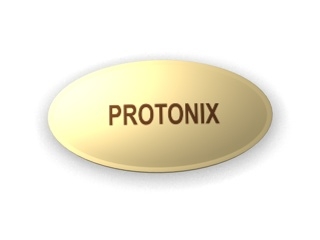


Protonix (Pantoprazole) – Patient Guide (UK)
Protonix is a medicine containing pantoprazole, a proton pump inhibitor (PPI). It reduces the amount of acid made by the stomach. In the UK, Protonix is used to treat several conditions where stomach acid plays a key role, such as reflux (heartburn/GERD) and inflammation of the oesophagus.
This guide explains what Protonix is for, how it works, when to take it, key interactions, safety information, and practical tips. If you have questions about whether Protonix is suitable for you, speak to a healthcare professional.
Quick facts
- Active ingredient: Pantoprazole
- Class: Proton pump inhibitor (PPI)
- How it works: Lowers stomach acid production
- Common uses: Acid reflux (GERD), reflux oesophagitis, and conditions involving high stomach acid
- Typical dosing: Often once daily; sometimes twice daily under medical guidance
- Best timing: Usually 30–60 minutes before a meal
Basic product information
Protonix contains pantoprazole, which suppresses the “proton pump” (H+/K+-ATPase) in stomach cells. By blocking this final step of acid production, Protonix helps relieve symptoms and supports healing of acid-related damage.
| Feature | What it means for you |
|---|---|
| Medicine type | PPI (proton pump inhibitor) |
| How fast it works | May improve symptoms within days, but full effect depends on regular use |
| Typical administration | Swallowed whole with water; timing relative to meals matters |
| Prescription status in the UK | Availability may vary by product strength/form and local supply arrangements |
How Protonix works (mechanism of action)
Your stomach produces acid to help digest food. A specialised cell structure called the proton pump is responsible for releasing acid into the stomach. Pantoprazole selectively inhibits this pump.
Important points:
- It reduces acid production at the source, leading to a lower stomach pH.
- It does not “neutralise” acid instantly like some antacids; instead, it prevents acid production.
- Regular dosing improves control because the proton pumps are repeatedly turned on and off after meals and throughout the day.
Pharmacokinetics – how the body handles pantoprazole
“Pharmacokinetics” describes how a medicine is absorbed, distributed, metabolised, and eliminated. In practical terms, for patients the most relevant aspects are onset, timing with food, and how the liver processes the medicine.
Absorption
Pantoprazole is absorbed from the gastrointestinal tract. The medicine is designed to act in the body’s acidic environment. Taking it before meals helps ensure it is active when the stomach starts producing acid after eating.
Distribution and metabolism
Pantoprazole is processed mainly by the liver. It is metabolised and then cleared from the body. Liver function can affect how quickly pantoprazole is cleared, so higher caution may be needed if you have significant liver disease.
Elimination
The drug and its metabolites are eliminated primarily through the body’s normal clearance pathways (including the kidneys).
Onset of effect
Symptoms can start to improve within a few days, but PPIs are most effective when taken as directed and consistently.
What Protonix is used for (indications)
Protonix is used to treat conditions where stomach acid causes symptoms or damage. Common indications include:
- Gastro-oesophageal reflux disease (GORD) – symptoms such as heartburn, acid regurgitation, and irritation caused by reflux.
- Reflux oesophagitis – inflammation of the oesophagus due to acid exposure.
- Zollinger–Ellison syndrome and other conditions causing abnormally high stomach acid production.
- Prevention or treatment in specific ulcer-related situations as advised by a clinician, particularly where acid suppression supports healing.
If you are using Protonix for a specific diagnosis, follow the dosing instructions provided with your product.
Typical dosing and how to take Protonix
Dosing can vary depending on your condition, severity, and response to treatment. Always take Protonix according to the directions supplied with your medicine and any clinical plan you have been given.
Common dosing patterns (general information)
- Once daily dosing is common for reflux-related conditions.
- Twice daily dosing may be used in certain situations under specialist direction.
Timing (important)
To get the best effect, Protonix is usually taken 30–60 minutes before a meal, commonly before breakfast.
- Why timing matters: proton pumps are more active after meals. Taking pantoprazole before eating helps it block the pumps during the period of increased acid production.
- If you forget a dose: take it as soon as you remember on the same day. If it is nearly time for the next dose, skip the missed dose. Do not take a double dose.
How to swallow
Swallow Protonix tablets whole with a glass of water. Do not crush or chew unless your pharmacist or doctor has advised otherwise for your specific formulation.
How long to use
Many reflux symptoms improve within days, but healing (especially if inflammation is present) can take longer. If you are on a course, continue for the planned duration unless advised to stop. Long-term therapy should be reviewed periodically by a healthcare professional.
Food interactions and meal guidance
Pantoprazole’s effect depends partly on when you take it relative to meals. Food does not “cancel” the medicine, but timing can make a difference in how well it controls post-meal acid production.
Recommended approach
- Take before food (30–60 minutes before a meal).
- Keep timing consistent each day.
What to expect
If taken correctly before meals, Protonix typically provides steadier acid suppression through the day and helps reduce reflux symptoms.
Alcohol guidance
Moderate alcohol may not directly interact with pantoprazole in a way that is typical for medicine safety alerts. However, alcohol can worsen reflux symptoms in many people by relaxing the lower oesophageal sphincter and irritating the oesophagus.
- If you notice increased heartburn after drinking, consider limiting alcohol or avoiding it during treatment.
- If you have persistent symptoms, seek medical advice.
Medicine interactions
Protonix may interact with some medicines. Interactions can change effectiveness or increase side effects. Always tell your pharmacist or doctor about all medicines you take, including over-the-counter products and herbal remedies.
Key interaction considerations
- Medicines affected by stomach acidity: Because PPIs change stomach pH, they can alter absorption of some drugs. This includes certain antifungals (e.g., ketoconazole, depending on availability/usage), and other medicines where acidity is important for absorption.
- Clopidogrel: Some PPIs can reduce the activation of clopidogrel, which may affect its benefit. Pantoprazole is often considered a lower-risk option compared with some other PPIs, but decisions should be individualised by a clinician.
- Warfarin (and other vitamin K antagonists): There can be effects on clotting measurements (INR) in some people. Monitoring may be needed.
- Methotrexate (high-dose regimens): PPIs may affect methotrexate levels in some circumstances; higher-dose treatment should be managed with specialist input.
- HIV medicines and other specialised therapies: Interactions can occur. Your healthcare team can advise based on your exact regimen.
Antacids and alginates
Antacids or alginate-containing products may sometimes be used for breakthrough symptoms. They generally provide symptom relief for immediate reflux episodes, while Protonix helps reduce acid production over time.
Herbal and supplement interactions
Herbal remedies and supplements are not always evaluated in the same way as medicines, and some may affect liver enzymes or acid balance. If you take supplements regularly, check with a pharmacist.
Safety profile – who should take extra care?
Protonix is widely used. Like all medicines, it can cause side effects in some people. Most side effects are mild and temporary, but it’s important to recognise warning signs.
Common side effects
- Headache
- Nausea, stomach discomfort
- Diarrhoea or constipation
- Bloating
Less common but important risks
Some risks are associated with longer-term PPI use and should be considered during treatment reviews.
- Vitamin and mineral changes: Long-term use may be associated with lower magnesium levels and, in some cases, vitamin B12 absorption issues.
- Bone fracture risk: Observational studies have suggested a possible increased risk with long-term, high-dose PPI therapy.
- Infections: Because stomach acid helps reduce some ingested microbes, PPIs may slightly increase susceptibility to certain stomach or bowel infections in some individuals.
- Kidney issues: Rare kidney inflammation has been reported with PPIs.
- Allergic reactions: Rarely, an allergic reaction can occur.
When to seek urgent help
Contact urgent medical services or seek immediate help if you have signs of a serious allergic reaction, such as:
- Swelling of the face, lips, tongue, or throat
- Difficulty breathing or swallowing
- Severe rash or widespread hives
- Severe, persistent vomiting or signs of gastrointestinal bleeding (e.g., black/tarry stools or vomiting blood)
Special populations
- Pregnancy and breastfeeding: Speak to a healthcare professional for advice specific to your situation.
- Older adults: Generally tolerated, but side effects and long-term risks should be reviewed.
- Liver disease: You may need caution; your clinician may adjust or monitor therapy.
- Kidney disease: Often manageable, but discuss individual risk and monitoring.
If you experience new or worsening symptoms while taking Protonix, do not simply stop—seek medical advice to confirm the cause.
Practical use tips for getting the best results
- Take it before breakfast (or your main meal): Consistent timing improves effectiveness.
- Keep tablets whole: Don’t crush or chew unless instructed.
- Give it time: While some improvement may be noticed within days, full benefit may take longer.
- Review long-term need: If used for months or longer, arrange periodic review with a healthcare professional.
- Track triggers: Identify foods or situations that worsen reflux (spicy foods, late meals, large portions).
- Lifestyle support: Elevating the head of the bed, avoiding late-night eating, and maintaining a healthy weight can improve symptoms.
Alternative options to consider
Depending on your diagnosis and symptom pattern, alternatives may include other PPIs, H2-receptor antagonists, or non-drug approaches. Your pharmacist or doctor can suggest the best option for you.
Common alternatives
- Other PPIs: Examples include omeprazole, lansoprazole, and esomeprazole. Switching may be appropriate in certain cases.
- H2-receptor antagonists: Such as famotidine, which reduce acid but typically have shorter duration than PPIs.
- Antacids: Provide short-term symptom relief by neutralising existing acid.
- Alginates: Form a raft-like barrier to help reduce reflux reaching the oesophagus.
- Lifestyle measures: Often used alongside medicines to reduce recurrence.
If Protonix does not control symptoms adequately or symptoms return quickly after stopping, you may need a reassessment of diagnosis, dosing schedule, or adherence to timing.
UK market and legal context (patient-friendly overview)
In the UK, medicines are supplied through regulated pharmacy channels and are governed by medicines regulation and dispensing frameworks. Protonix (pantoprazole) may be supplied under different arrangements depending on product strength and whether it is intended for treatment of specific conditions as part of NHS pathways or private care.
For online pharmacy supply, availability can depend on:
- Stock status and product form/strength
- Local legal classification and supply rules
- Appropriate patient screening for suitability and safety
Always check the product details on the pharmacy website for strength, dosage form, and guidance on how to take it.
Recent guidance and stewardship (what to know in 2026)
UK healthcare guidance commonly emphasises “use the lowest effective dose for the shortest appropriate duration,” with periodic review for people on long-term PPIs. This approach supports:
- Reducing unnecessary prolonged use
- Reviewing whether symptoms persist, resolve, or need alternative treatment
- Checking for long-term risks in appropriate patients
If you have been using a PPI for a long time, consider discussing a step-down plan with a healthcare professional rather than stopping abruptly.
Delivery and availability in the UK
Protonix availability on online pharmacies may vary depending on the product strength and current supply. Many online pharmacies in the UK offer:
- Home delivery across the UK (subject to local service coverage)
- Discrete packaging
- Secure ordering and eligibility checks where required
- Tracking updates in many cases
Delivery times depend on stock and courier service. To avoid delays, ensure your delivery details are correct and remain available for the courier.
If you need Protonix urgently, check the website’s dispatch/stock information before ordering.
FAQ
1) How quickly will Protonix work?
Many people notice improvement within a few days, but the best results usually come from taking Protonix regularly and correctly (before meals) for the duration advised.
2) Should I take Protonix before or after food?
Typically take Protonix 30–60 minutes before a meal, commonly before breakfast. Taking it after meals may reduce effectiveness for reflux control.
3) Can I take Protonix with antacids?
Often yes. Antacids or alginates may be used for breakthrough symptoms, while Protonix works to reduce acid production. If you regularly need additional medicines for symptoms, speak to a healthcare professional.
4) What should I do if I miss a dose?
Take it when you remember on the same day. If it’s nearly time for the next dose, skip the missed dose. Do not take a double dose to make up for the missed tablet.
5) Is it safe to drink alcohol while taking Protonix?
Alcohol may not directly “interact” in a typical hazardous way with pantoprazole, but it can worsen reflux symptoms. If you notice symptoms getting worse, reduce or avoid alcohol while on treatment.
6) Are there any medicines I should avoid?
Some medicines may interact due to stomach acidity changes or liver metabolism. Examples to discuss with a pharmacist include clopidogrel, warfarin, and high-dose methotrexate. Tell your pharmacist about all medicines and supplements you use.
7) Can I take Protonix long term?
Some people need long-term acid suppression, but long-term use should be reviewed periodically to ensure it remains necessary. Your clinician may use the lowest effective dose and monitor for potential side effects.
8) What side effects might I experience?
Common side effects include headache, nausea, diarrhoea or constipation, and stomach discomfort. Seek urgent help for signs of allergy, severe reactions, or possible gastrointestinal bleeding.
9) Who should use Protonix with extra caution?
Extra caution may be needed if you have significant liver disease, kidney problems, are taking medicines known to interact, are pregnant/breastfeeding, or have a history of vitamin or mineral deficiencies.
10) When should I seek medical advice for reflux symptoms?
Seek medical advice promptly if you have difficulty swallowing, unintentional weight loss, vomiting blood, black/tarry stools, new or worsening symptoms, or symptoms that do not respond to treatment as expected.