Prilosec (Omeprazole) – Patient Information (UK)
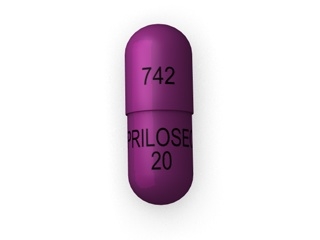
Prilosec is a well-known brand of omeprazole, a medicine used to reduce stomach acid. It belongs to a group called proton pump inhibitors (PPIs). In the UK, omeprazole is widely used for conditions such as heartburn, acid reflux (GERD), and ulcers. This guide explains how Prilosec works, when to take it, common interactions, and practical tips to get the best results.
Important: This information is for general guidance. Always follow the instructions provided by your pharmacist, doctor, or the product label. If you are unsure whether Prilosec is suitable for you, seek advice from a healthcare professional.
Basic Product Information
- Medicine name: Prilosec
- Active ingredient: Omeprazole
- Type: Proton Pump Inhibitor (PPI)
- Common uses: Reducing stomach acid for reflux symptoms, ulcer treatment, and prevention in certain situations
- Available strengths: Depends on the product and pack (UK availability may vary by formulation and indication)
- How it works: Blocks the “proton pump” in the stomach that produces acid
Where it fits in UK care: In the UK, PPIs are commonly used in primary care and gastroenterology. Omeprazole is available as branded products and also as generic medicines. Availability and exact pack sizes/strengths may vary across retailers.
How Prilosec Works (Mechanism of Action)
Prilosec (omeprazole) reduces acid by targeting the final step of acid production in the stomach.
- In the stomach lining, acid is produced by an enzyme system called the proton pump (H+/K+ ATPase).
- Omeprazole blocks this pump, meaning the stomach makes less acid.
- It helps heal inflammation caused by acid and reduces symptoms such as heartburn and acid reflux.
Key point: PPIs work best when taken before acid production ramps up—this is why timing (especially taking it before meals) matters.
Pharmacokinetics (How the Body Handles It)
Pharmacokinetics describes how a drug is absorbed, distributed, metabolised, and eliminated.
- Absorption: Omeprazole is acid-labile, so many formulations are designed to protect it until it reaches the intestine for absorption.
- Onset: Acid reduction begins within the first day for many people, but full effect often takes a few days of daily use.
- Metabolism: Omeprazole is metabolised mainly in the liver by CYP enzymes (particularly CYP2C19).
- Duration: The effect can last beyond the time the medicine is taken because the proton pumps are blocked for a period.
- Excretion: Metabolites are cleared mostly through the kidneys and bile.
Practical takeaway: You may notice symptom relief within 1–3 days, but for ongoing conditions, benefits often build over several days.
Typical Uses and Indications in the UK
Omeprazole is used for a range of acid-related conditions. Indications can vary by strength and formulation. Common uses include:
- Gastro-oesophageal reflux disease (GORD/GERD): Persistent acid reflux causing heartburn and irritation.
- Erosive reflux oesophagitis: Healing of inflammation/erosions in the oesophagus caused by acid.
- Peptic ulcers: Ulcers in the stomach or upper intestine (often managed as part of a broader plan).
- Prevention of ulcers in people at risk who take certain medicines that can damage the stomach lining (for example, some painkillers called NSAIDs).
- Long-term management of acid-related symptoms as advised by a clinician.
- Zollinger–Ellison syndrome (a rare condition involving excessive acid production) under specialist care.
When symptoms improve: Omeprazole helps reduce acid and allows the lining to heal. It does not neutralise acid instantly like antacids; it controls ongoing acid production.
When to Take Prilosec (Timing and How to Use)
Most important rule: Take Prilosec before food—often before breakfast.
- For once-daily dosing: take it in the morning, ideally 30–60 minutes before breakfast.
- For twice-daily dosing: take one dose before breakfast and the second before dinner (as instructed).
- Swallowing: follow the instructions on your specific product. Many formulations should be swallowed whole; do not crush or chew unless the product instructions say otherwise.
- Consistency matters: taking it daily at the right time improves effectiveness.
Missed dose: If you forget a dose, take it as soon as you remember unless it is close to the time for your next dose. Do not double up.
Food Interactions and Meal Guidance
Food can reduce the effectiveness of PPIs by interfering with timing relative to acid secretion. For best results:
- Take on an empty stomach: 30–60 minutes before meals (unless your product label says otherwise).
- Avoid late timing: taking it after eating may reduce acid suppression.
- Continue usual diet: you don’t usually need special foods, but lifestyle measures can help (see practical tips below).
Note: Some people experience symptom relief even with minor timing differences, but consistent pre-meal dosing is recommended for maximum benefit.
Alcohol Interactions
There is no “hard stop” for alcohol with omeprazole for everyone, but alcohol may still make reflux symptoms worse.
- Heartburn trigger: alcohol can irritate the oesophagus and relax the lower oesophageal sphincter, increasing reflux.
- Stomach lining effects: heavy or frequent alcohol use can worsen gastritis and ulcer risk.
- Practical approach: if you notice alcohol worsens your symptoms, limit or avoid it—especially in the evening.
If you are using Prilosec for ulcer disease or have had complications, discuss safe alcohol intake with a pharmacist or GP.
Medicine Interactions (Including Key Examples)
Omeprazole can affect stomach acidity and the liver enzymes that metabolise some medicines. This may change how well other medicines work.
Always check: tell your pharmacist or doctor about all medicines you take, including over-the-counter products, supplements, herbal remedies, and occasional doses.
Common interaction themes
- Medicines requiring acid for absorption: reduced stomach acid may reduce absorption of some drugs.
- Drugs metabolised by CYP enzymes: omeprazole can inhibit CYP2C19, potentially increasing levels of some medicines.
- Magnesium and mineral-related considerations: long-term PPI use may contribute to low magnesium in rare cases, affecting suitability with certain medicines and conditions.
Examples of medicines that may interact (not an exhaustive list)
- Clopidogrel (used to reduce blood clot risk): omeprazole may reduce clopidogrel’s activation; clinicians may choose an alternative PPI or adjust strategy.
- Atazanavir and nelfinavir (HIV medicines): acid changes may affect absorption and effectiveness.
- Some antifungals and anticoagulants: interaction potential exists; monitoring may be needed depending on your regimen.
- Warfarin and other vitamin K antagonists: possible increased INR (blood-thinning effect) has been reported; monitoring may be advised.
Tip for safe use: keep a list of your medicines and show it to your pharmacist when starting or stopping Prilosec.
Dosing: Typical Regimens and How to Choose
Dosage depends on the condition being treated, severity, response, and whether it is short-term symptom relief or longer-term management.
Important: Always use the dose stated on the pack or as advised by a healthcare professional.
Typical dosing principles (general)
- For many reflux-related symptoms: once daily is common.
- For more severe or erosive disease: higher doses or twice-daily regimens may be used under clinical guidance.
- Short course vs long course: some people use PPIs short-term; others need longer therapy, with periodic review.
Duration
- Some people improve within days, but the oesophagus and stomach lining may take longer to heal.
- Long-term use should be reviewed regularly to ensure the lowest effective dose is used.
If symptoms persist: If you do not improve after an appropriate trial, seek advice. Persistent or worsening symptoms may require evaluation for other causes.
Safety Profile: Common Side Effects and When to Get Help
Like all medicines, Prilosec can cause side effects. Most are mild and improve as your body adjusts.
Common or mild side effects
- Headache
- Nausea
- Abdominal discomfort
- Diarrhoea or constipation
- Flatulence (wind)
Seek urgent medical advice if
- Signs of a serious allergic reaction: swelling of the face/lips, difficulty breathing, severe rash
- Severe or persistent vomiting, or vomiting blood
- Black, tarry stools or blood in stools
- Unexplained weight loss, trouble swallowing, or worsening pain
- Chest pain or breathlessness (heart symptoms should not be assumed to be reflux)
Long-term safety (important considerations)
Long-term PPI use has been associated with certain risks in some studies. Not everyone will experience problems, but clinicians often weigh benefit versus risk and aim for the lowest effective dose.
- Magnesium changes: rarely, low magnesium can occur (may cause muscle cramps, weakness, irregular heartbeat).
- Vitamin and mineral absorption: long-term use may affect absorption of certain nutrients (e.g., vitamin B12) in susceptible individuals.
- Infections: reduced stomach acid may increase susceptibility to some gastrointestinal infections.
- Bone fracture risk: associations have been observed, especially in high-risk individuals on long courses.
- Kidney effects: rare cases of kidney inflammation have been reported.
If you expect to use Prilosec for months or years, discuss monitoring and ongoing need with your GP or pharmacist.
Practical Use Tips (Getting the Best Results)
- Use the correct timing: take it 30–60 minutes before breakfast for once-daily dosing.
- Give it time: symptoms may improve quickly, but full benefit can take several days.
- Avoid missing doses: consistent daily use gives the stomach time to adjust.
- Review other triggers: reflux is often affected by meals, posture, weight, and smoking.
- Lifestyle support:
- Avoid large or late meals
- Reduce spicy, fatty, or acidic foods if they trigger you
- Elevate the head of bed if you have nighttime reflux
- Maintain a healthy weight and avoid tight clothing
- Stop smoking if you smoke
- Do not stop abruptly without a plan: some people experience rebound acid symptoms after stopping. If you’re taking it long-term, ask about tapering or step-down strategies.
Alternative Options (What Else You Can Consider)
Depending on the cause and severity of your symptoms, alternatives may include:
Other medicines
- H2 receptor antagonists (e.g., famotidine): can reduce acid and may be useful for milder or occasional symptoms.
- Antacids (e.g., calcium carbonate): provide fast, short-term relief but do not control acid production.
- Alginate-based products: form a protective “raft” to reduce reflux symptoms (often useful after meals or at bedtime).
Other PPIs
Omeprazole is one PPI; others in the same class may be considered if symptoms do not respond or if side effects occur. Your pharmacist can advise on options and suitability.
Non-medicine strategies
- Identify dietary triggers
- Improve meal timing and portion sizes
- Address weight, smoking, and posture
When to seek assessment: If symptoms are frequent, severe, or not improving with standard care, it’s important to get medical advice.
Market & Legal Context in the United Kingdom
In the UK, medicines are regulated and supplied under a well-established framework. The availability of omeprazole products varies by strength and formulation. Many omeprazole medicines are sold through pharmacies and/or retail channels as permitted for their status.
Key points for UK customers:
- Clear labelling and instructions: you should follow the patient information leaflet (PIL) included with your product.
- Pharmacist support: UK pharmacies can provide advice on symptom relief and safe use, including checking for interactions.
- Generic availability: many people in the UK use generic omeprazole, which contains the same active ingredient as branded products.
Recent guidance (high-level): In recent years, UK clinical practice has emphasised appropriate use of PPIs—choosing the lowest effective dose, reviewing ongoing need, and confirming that symptoms are due to acid reflux rather than another condition. For persistent “alarm” symptoms (such as trouble swallowing or weight loss), timely assessment is recommended.
Delivery and Availability (Online Pharmacy UK)
Prilosec (omeprazole) availability depends on stock levels, strength, and formulation. When buying online from a UK pharmacy, typical delivery considerations include:
- Dispatch times: usually depend on order cutoff times and stock status.
- Delivery options: standard and expedited services may be offered.
- Cold-chain: typically not required for omeprazole, but always follow packaging guidance.
- Packaging: medicines are supplied in protective outer packaging appropriate for transit.
After delivery: check that the product name and strength match your order, and store it as directed on the pack (commonly at room temperature, away from moisture and direct heat).
If you have urgent symptoms: online delivery is not a substitute for urgent medical attention.
FAQ – Frequently Asked Questions
1) How quickly does Prilosec work?
Many people notice improvement within 1–3 days, but the full effect—especially for healing inflamed tissue—may take longer. For ongoing reflux or erosive disease, it can take several days of consistent daily use.
2) Should I take Prilosec before or after food?
Take it before food for best results—typically 30–60 minutes before breakfast. Taking it after meals may reduce effectiveness.
3) Can I take antacids with Prilosec?
Often, yes—antacids can help with short-term breakthrough symptoms. However, spacing guidance may be needed depending on the antacid type and your other medicines. Ask a pharmacist if you’re unsure.
4) What if my symptoms come back after I stop?
Some people experience rebound acid symptoms after stopping PPIs, especially after longer use. If this happens, speak with a healthcare professional about whether to step down gradually and whether further assessment is needed.
5) Can I drink alcohol while taking omeprazole?
There isn’t a universal prohibition, but alcohol can worsen reflux. If you notice your symptoms flare after drinking, consider reducing or avoiding alcohol, particularly in the evening.
6) Are there long-term risks with Prilosec?
Long-term use has been linked (in some studies) with certain risks such as low magnesium, nutrient absorption changes, and increased susceptibility to some infections. Not everyone will be affected. Clinicians aim to use the lowest effective dose and review ongoing need.
7) Can Prilosec interact with other medicines?
Yes. Omeprazole can affect how some drugs are processed or absorbed. Tell your pharmacist about all medicines you take, including blood thinners, HIV medicines, and certain heart medicines.
8) Who should not use Prilosec without advice?
Seek advice if you have severe liver disease, are pregnant or breastfeeding, have had previous allergic reactions to PPIs, or have symptoms that might indicate something other than reflux—particularly difficulty swallowing, vomiting blood, black stools, or unexplained weight loss.
9) Is generic omeprazole the same as Prilosec?
Generic omeprazole contains the same active ingredient (omeprazole). Different brands may have different formulations and dosing instructions, so always follow the specific product label.
10) When should I contact a doctor urgently?
Urgent medical advice is recommended for alarm symptoms such as severe chest pain (not assumed to be reflux), vomiting blood, black/tarry stools, severe difficulty swallowing, or significant unexplained weight loss.
Summary Table
| Topic | What to Know |
|---|---|
| What is Prilosec? | Prilosec is a brand containing omeprazole, a PPI that reduces stomach acid. |
| How it works | Blocks the proton pump in the stomach to reduce acid production. |
| Best timing | Typically 30–60 minutes before breakfast (or before meals as directed). |
| Food effects | Eating close to the dose can reduce effectiveness; pre-meal dosing is recommended. |
| Alcohol | No universal prohibition, but alcohol often worsens reflux symptoms. |
| Interactions | Possible interactions with some medicines (e.g., clopidogrel, certain HIV medicines, anticoagulants). Check with a pharmacist. |
| Common side effects | Headache, nausea, stomach discomfort, diarrhoea/constipation, wind. |
| When to seek help | Allergic reactions, vomiting blood, black stools, trouble swallowing, severe or persistent symptoms. |
| Long-term use | Should be reviewed; potential risks exist but benefit may be significant for appropriate indications. |
Final Advice for Safe, Effective Use
Prilosec (omeprazole) can be highly effective for acid-related conditions when taken correctly—especially with pre-meal timing and consistent daily use. If your symptoms do not improve, become more severe, or you experience alarm symptoms, don’t rely on self-treatment alone. In the UK, your pharmacist can help check interactions and recommend the most appropriate next steps.