

Toficalm (Tofisopam) – Patient-Friendly Guide
Toficalm is a medicine containing tofisopam. It is used in the UK to help relieve anxiety and related symptoms. This guide explains what Toficalm is, how it works, typical use, timing, interactions, safety information, and practical tips to get the best out of treatment.
This information is for general awareness and does not replace advice from a healthcare professional.
Key Product Information
| Feature | Details |
|---|---|
| Medicine name | Toficalm |
| Active ingredient | Tofisopam |
| Medicinal group | Anxiolytic (anti-anxiety) medicine; a benzodiazepine-related compound |
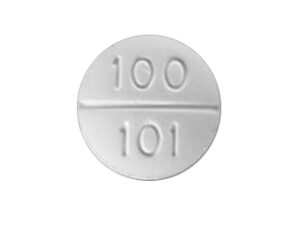
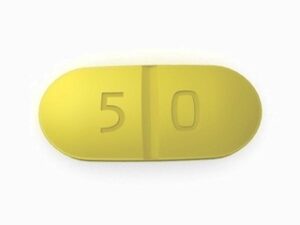
| Common formulation | Tablets (strength varies by product presentation) |
| Typical purpose | Short- to medium-term relief of anxiety symptoms |
| How it’s taken | Usually by mouth, with water |
How Toficalm Works (Mechanism of Action)
Tofisopam belongs to a class of medicines often described as benzodiazepine-like anxiolytics. It helps reduce anxiety mainly by acting on the GABA-A system in the brain.
- GABA (gamma-aminobutyric acid) is a natural “calming” chemical in the nervous system.
- Tofisopam supports GABA-A activity, which can help to reduce nervous tension, ease anxiety, and promote a calmer mental state.
For many people, symptom improvement may be noticed within days, while full benefit may take longer depending on the condition being treated.
Pharmacokinetics: How the Body Processes Toficalm
Pharmacokinetics describes what the body does to a medicine—absorption, distribution, metabolism, and elimination.
- Absorption: Tofisopam is absorbed after oral dosing. Peak effects tend to occur after the medicine has been absorbed and distributed.
- Distribution: It spreads through the body, including the central nervous system, where it exerts its calming effects.
- Metabolism: Tofisopam is processed (metabolised) mainly in the liver. Metabolic pathways convert the drug into other compounds that may be excreted.
- Elimination: The drug and its metabolites are eliminated primarily via the kidneys (urine) and to some extent through other routes.
Half-life and duration of action: Tofisopam has a biologically active duration that supports divided dosing for many people. Exact timing can vary by individual factors such as age, liver function, and co-medications.
What Toficalm Is Typically Used For (Indications)
Toficalm is used to treat anxiety and anxiety-related symptoms. It may be prescribed when a person has distressing nervous tension that affects day-to-day life.
In practice, Toficalm may be considered for:
- Generalised anxiety (symptoms such as worry, tension, and feeling “on edge”)
- Situational anxiety where short- to medium-term treatment is appropriate
- Anxiety with associated physical symptoms such as muscle tension, restlessness, or sleep disruption
Your clinician will decide whether Toficalm is suitable based on your symptoms, medical history, and overall risk profile.
Timing and How to Take Toficalm
Many people benefit from taking Toficalm at times that match their anxiety pattern. Because anxiety symptoms may fluctuate through the day, dosing schedules often aim to provide coverage during the most difficult periods.
Typical timing (general guidance)
- Follow your dosing schedule exactly as directed.
- Consistency helps: taking doses at similar times each day can improve symptom control.
- Consider sleep effects: some people feel calmer; others may feel drowsy. If you feel sleepy, evening dosing may be more suitable—but confirm with your healthcare professional.
How to take
- Swallow tablets with water.
- You can usually take Toficalm with or without food (see food interactions section for more detail).
- If you miss a dose, take it when you remember unless it is close to your next dose. Do not take double to make up.
Food Interactions: Does It Matter What You Eat?
For most people, Toficalm can be taken with or without food. Food may influence absorption rates for some medicines, but this is not usually a major issue with tafisopam for typical use.
- Try to stay consistent with meal timing if you notice any effect on how quickly you feel relief.
- If your stomach is sensitive, taking it with food may reduce mild gastrointestinal discomfort (if you experience it).
If you have specific dietary considerations or a complex medication schedule, ask a pharmacist for personalised advice.
Alcohol and Medicine Interactions
Toficalm can affect the central nervous system. This means that certain combinations may increase risks such as drowsiness, slowed reaction time, or impaired coordination.
Alcohol
- Avoid alcohol while taking Toficalm unless your healthcare professional has specifically advised otherwise.
- Alcohol can increase sedation and worsen balance, thinking speed, and driving ability.
Other medicines that may interact
Let your clinician and pharmacist know about all medicines you take, including over-the-counter products and herbal supplements.
Particularly important categories include:
- Other sedatives or anxiolytics (including some sleep medicines)
- Opioid pain medicines (may increase sedation and breathing-related risk)
- Antihistamines that cause drowsiness (e.g., some allergy or cold products)
- Antidepressants and other medicines affecting the brain (effects can vary; some combinations may increase drowsiness)
- Medicines that slow liver metabolism (may increase tofisopam levels)
- Medicines that speed up liver metabolism (may reduce effectiveness)
Driving and machines: If Toficalm makes you drowsy, you should avoid driving and operating machinery. If you start, stop, or change the dose, be especially cautious until you know how you respond.
Dosing: Common Regimens and Key Points
Dosing depends on your age, symptom severity, response, and any other medical conditions. Always use the schedule provided by your healthcare professional.
General dosing approach (typical):
- Doses are often divided during the day to cover symptoms.
- Clinicians may start at a lower dose and adjust based on response and tolerability.
Important dosing principles:
- Do not increase the dose to “try harder.”
- Do not stop suddenly if you have been taking it regularly for more than a short period—your clinician may recommend gradual reduction to reduce withdrawal-related effects.
- If you are elderly or have liver impairment, your prescriber may use a lower dose and monitor you more closely.
Because strength and dosing schedules can differ between product presentations, refer to your own tablet strength and your instruction sheet.
Safety Profile: Who Should Take Extra Care?
Like all medicines, Toficalm can cause side effects. Most are mild and improve as your body adjusts, but some require prompt medical attention.
Common side effects
- Drowsiness or feeling “tired”
- Dizziness
- Headache
- Dry mouth
- Reduced coordination or slower reaction time (especially at higher doses)
Less common but important side effects
- Confusion, especially in older adults
- Unusual agitation or mood changes
- Allergic reactions such as rash, itching, or swelling (seek urgent advice if severe)
Seek urgent help if
- You develop severe allergic symptoms (e.g., facial swelling, breathing difficulty)
- You have dangerous sleepiness or fainting
- There are signs of significant breathing problems (especially if combined with opioids or other sedatives)
Special caution groups
- Older adults: higher sensitivity to sedative effects
- People with liver problems: reduced metabolism may raise medicine levels
- People with substance use history: risk of misuse needs careful monitoring
- People with sleep apnoea or significant respiratory illness
Practical Use Tips for Better Results
Toficalm works best as part of an overall plan. The following tips can improve safety and effectiveness.
- Keep a symptom diary (anxiety level, sleep quality, side effects). This can help you and your clinician fine-tune dosing.
- Avoid sudden changes in your routine. If you are taking it regularly, aim for consistent timing.
- Minimise alcohol and check all other medicines for “drowsiness” warnings.
- Review driving impact: test your reaction time in safe conditions before driving.
- Use lifestyle supports alongside treatment: regular sleep schedule, moderate exercise, and stress-reducing routines (such as relaxation breathing or mindfulness).
- Do not combine sedatives unless explicitly advised (including many over-the-counter sleep aids).
Alternative Options
Anxiety can be treated in different ways. Depending on your symptoms and personal circumstances, a clinician may suggest non-medicine strategies, different medicine types, or a short course of a different option.
Non-medicine options
- Talking therapies such as CBT (cognitive behavioural therapy)
- Relaxation techniques, breathing exercises, and sleep hygiene
- Stress management and supportive counselling
Medicine alternatives
- Other anxiolytic medicines (chosen based on your needs and safety profile)
- Antidepressants used for anxiety when appropriate (often longer-term plans)
- Beta-blockers may be considered for physical symptoms in certain circumstances (e.g., performance-related anxiety)
Only a healthcare professional can recommend the most suitable alternative for your specific situation.
UK Market & Legal Context (What You Should Know in the United Kingdom)
In the UK, medicines are regulated by the Medicines and Healthcare products Regulatory Agency (MHRA). Product information and prescribing status follow UK legal classification and guidelines.
- Toficalm is provided through UK medicine supply channels according to its regulatory status.
- UK pharmacy practice requires safe supply processes, including checks for suitability and relevant interactions.
- Online pharmacies in the UK are expected to follow applicable rules for identity verification, supply integrity, and safe customer information.
Important: Availability can vary between regions and suppliers. Always ensure you buy from legitimate, regulated sources.
Recent Guidance and Ongoing Safety Considerations
Across the UK, anxiolytic medicines that act on the brain require careful use. Clinicians and medicines regulators emphasise:
- Appropriate duration: using the lowest effective dose for the shortest suitable time.
- Individual risk assessment: especially for older adults, people with comorbidities, and those taking other sedatives.
- Withdrawal awareness: gradual dose reduction may be needed after regular use to reduce withdrawal-like symptoms.
- Avoidance of risky combinations with alcohol, opioids, or other sedatives.
If you have been advised to take Toficalm, it’s worth discussing any questions about treatment length, follow-up, and a safe discontinuation plan.
Delivery and Availability (UK Online Pharmacy Information)
Availability of Toficalm can vary depending on stock levels, tablet strength, and the supplier. In the UK, online pharmacies typically offer:
- Standard delivery options (often within a few working days, subject to location)
- Express delivery (where available)
- Tracking on dispatched orders
Delivery times may change during public holidays or high-demand periods. Many online pharmacies provide estimated dispatch and delivery windows at checkout.
Tip: If you need Toficalm urgently, contact customer services or check the estimated delivery date before placing the order.
FAQ – Frequently Asked Questions
1) Is Toficalm a sleeping pill?
Toficalm is primarily an anti-anxiety medicine. It may make some people feel calmer and more relaxed, which can sometimes help sleep indirectly. However, it’s not classified and used as a dedicated hypnotic/sleep medication.
2) How quickly does Toficalm start working?
Some people notice relief within days, while others may require longer to feel the full benefit. Your response depends on the severity of anxiety, dosing schedule, and individual factors.
3) Can I take Toficalm with food?
In general, it can be taken with or without food. If you notice stomach discomfort, taking it with a meal may help.
4) Can I drink alcohol while taking Toficalm?
It’s strongly advised to avoid alcohol because it can increase sedation and impair coordination and reaction time.
5) Will I feel drowsy?
Drowsiness is possible. If you feel sleepy, dizzy, or slower than usual, avoid driving and operating machinery until you know how you respond.
6) Is it safe to stop Toficalm suddenly?
If you have been taking it regularly for more than a short time, stopping abruptly may cause problems. A gradual reduction plan may be needed—ask your healthcare professional for advice.
7) What should I do if I miss a dose?
Take it when you remember unless it’s close to your next dose. Do not take a double dose to make up for a missed one.
8) What medicines should I avoid?
Avoid combinations that increase sedation, such as alcohol, many sleep medicines, and certain pain medicines (especially opioids), unless specifically approved by a clinician. Also check allergy/cold products that may contain drowsy antihistamines.
9) Is Toficalm suitable for everyone?
No. People with certain medical conditions, older adults, and those with liver impairment may need extra caution or different dosing. Always check suitability with a healthcare professional.
10) What if I need long-term treatment?
Anxiety treatment plans should be reviewed regularly. Many anxiolytics are used for limited periods, while other strategies (such as therapy or alternative long-term medications) may be considered depending on your situation.
Need personalised advice? If you have questions about taking Toficalm, interactions with your current medicines, or how to manage side effects, speak to a pharmacist or healthcare professional.