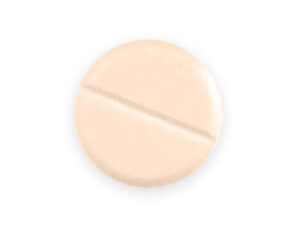

Tofisopam (Tofisopam Tablets) – Patient-Friendly Guide
Tofisopam is a medicine used to relieve anxiety and tension. It belongs to a group of medicines known as benzodiazepine-like anxiolytics (often described as a “minor tranquilliser”). Many people use it for short-term relief when anxiety causes distress, nervousness, or disturbed day-to-day functioning.
This guide explains what Tofisopam is, how it works, how your body processes it, what it’s used for, and practical tips to help you use it safely. It also covers interactions (including alcohol), dosing principles, common safety issues, and questions you may have when buying from a UK online pharmacy.
Basic product information
| Item | Details |
|---|---|
| Medicine name | Tofisopam |
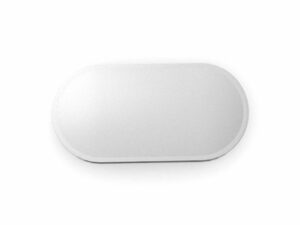
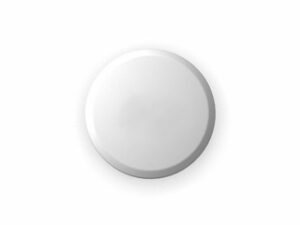
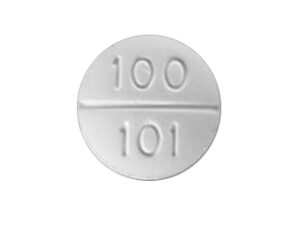
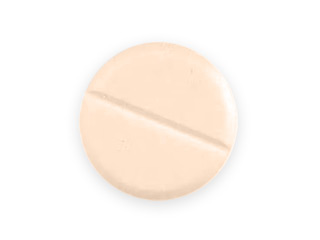
| Common form | Tablets (strengths may vary by product) |
| Type | Anxiolytic (anti-anxiety) medicine; “benzodiazepine-like” |
| Main effects | Reduces anxiety and tension; may help with feelings of agitation |
| Where it’s used | United Kingdom (availability varies by supplier and local regulations) |
| How it’s taken | Oral (by mouth), usually in divided doses |
Note: Strengths, pack sizes, and exact wording on the label can differ between brands/manufacturers. Always check the leaflet and your own product packaging.
How Tofisopam works (mechanism of action)
Tofisopam affects the brain’s signalling pathways that regulate anxiety. It works by influencing the GABA system—specifically by interacting with receptors involved in inhibitory (calming) neurotransmission.
In simple terms:
- GABA helps reduce “overactivity” in brain circuits responsible for anxiety.
- Tofisopam enhances the effect of this calming signal, which can make you feel less tense, worried, or agitated.
Because it targets these pathways, Tofisopam can reduce anxiety without necessarily producing the same degree of strong sedation seen with some other agents in the same broad family. Individual response varies.
Pharmacokinetics: how your body absorbs and processes it
“Pharmacokinetics” describes what the body does to a medicine—absorption, distribution, metabolism, and elimination.
Absorption
When taken by mouth, Tofisopam is absorbed into the bloodstream. The exact speed and extent may vary with individual factors such as age and overall health.
Distribution
After absorption, it distributes through body tissues, including the central nervous system (brain), where it exerts its effect.
Metabolism
Tofisopam is metabolised primarily in the liver. This means other medicines that affect liver enzymes can sometimes change its levels in the body.
Elimination
Metabolites and drug residues are eliminated from the body mainly through urine and/or other routes described in the product documentation.
Why this matters: If you have liver or kidney problems, or take other medicines that influence liver metabolism, the balance between benefit and side effects may change.
Typical use and timing
Tofisopam is generally used for anxiety-related symptoms, especially when anxiety is associated with tension and nervousness. People may use it during periods of heightened anxiety, typically for a limited duration as part of an overall plan that may include lifestyle changes or other support.
When to take it
- Many people take Tofisopam in divided doses during the day.
- The exact schedule depends on your prescribed regimen and your symptom pattern.
- Some people may notice clearer benefit after consistent use for a short period.
How long it takes to work
Effects can begin after you take it, but the degree and timing of relief can vary. If you’re using it for the first time, pay attention to how quickly it affects anxiety, alertness, and coordination.
Driving/operating machinery: Until you know how it affects you, avoid driving or hazardous activities. Even medicines that are not strongly sedating can still affect reaction time in some people.
Food interactions
Food interactions describe how meals may influence how much medicine is absorbed or how quickly it starts working.
Tofisopam: In many cases, it can be taken with or without food, but following the instructions in the package leaflet is best. If you notice stomach discomfort, you may find taking it after food helpful.
Practical tip: Keep your routine consistent (e.g., always take it after meals) so your body experiences similar absorption patterns day to day.
Alcohol and medicine interactions
Alcohol: It’s strongly recommended to avoid alcohol while taking Tofisopam, or at least keep it to an absolute minimum and seek medical advice if you plan to drink. Alcohol can increase sedation, impair judgement, worsen coordination, and amplify the risk of breathing problems in susceptible people.
Other medicines that may interact include:
- Other sedatives (e.g., sleeping tablets, strong antihistamines, certain pain medicines)
- Opioid painkillers (risk of excessive sedation and breathing difficulties)
- Other medicines affecting the brain (some antidepressants, antipsychotics, and anti-seizure medicines)
- Medicines affecting liver enzymes (which can change how quickly Tofisopam is broken down)
Herbal products and supplements: Some herbal remedies with calming effects may also increase drowsiness. Examples include certain products marketed for relaxation. Always check the ingredients and ask a pharmacist if you’re unsure.
Indications: what it may be used for
Tofisopam is indicated for symptoms related to anxiety and tension. It may be prescribed in conditions where anxiety is a prominent feature—particularly when stress and agitation affect daily life.
Your healthcare professional may consider it when:
- anxiety causes distress, nervousness, or tension
- symptoms interfere with work, relationships, sleep, or comfort
- there is a need for symptomatic relief while broader management is put in place
Important: Anxiety has many causes, and not all anxiety symptoms should be managed with a single medicine. If you have new, severe, or worsening symptoms—especially chest pain, fainting, severe breathlessness, or thoughts of self-harm—seek urgent medical help.
Dosing: how to take Tofisopam safely
Because product strengths and individual needs vary, dosing should be based on the advice provided with your specific Tofisopam medicine and your personal circumstances. Below are general principles to help you understand typical dosing approaches.
General dosing principles
- Use the lowest effective dose.
- Dosing is often divided across the day to better match anxiety patterns.
- Adjustments should be guided by response and tolerability.
- If you miss a dose, take it when you remember unless it’s close to the next dose. Do not take double doses.
Special populations
- Elderly: People may be more sensitive to side effects such as drowsiness, imbalance, and confusion.
- Liver impairment: Since the medicine is metabolised in the liver, dosing may need review.
- Breathing disorders: Extra caution is needed in conditions where breathing may be vulnerable.
Do not stop suddenly without advice if you’ve been taking it regularly for some time. Stopping abruptly can increase the risk of withdrawal symptoms in benzodiazepine-like medicines.
Safety profile: side effects and when to seek help
Most medicines can cause side effects. Many are mild and improve as your body adjusts, but some require urgent attention.
Common side effects
- Drowsiness or feeling tired
- Dizziness
- Reduced coordination or “slower” reflexes
- Headache
- Stomach upset (less commonly)
Less common but important effects
- Confusion (more likely in older adults or with other sedatives)
- Memory difficulties
- Mood changes such as increased irritability
- Dependence risk with regular use over time (see below)
Seek urgent medical help if
- you experience severe sleepiness, confusion, or difficulty staying awake
- you have breathing difficulties
- you faint or have significant falls/blackouts
- you develop signs of an allergic reaction (swelling of face/lips, rash, difficulty breathing)
Dependence, tolerance, and withdrawal
Medicines affecting GABA receptors, including benzodiazepine-like anxiolytics, carry a risk of tolerance (needing higher doses for the same effect) and dependence (your body adapts to the medication).
Stopping suddenly can lead to withdrawal symptoms such as:
- increased anxiety or agitation
- insomnia
- tremor, sweating, or restlessness
- in rare cases, more severe complications
For safety, any changes to long-term use should be discussed with a qualified clinician or pharmacist.
Practical use tips (how to get the best balance)
- Start carefully: On your first day (or after a dose change), be cautious with driving and activities requiring full attention.
- Keep a simple symptom diary: Note anxiety levels, sleep, and side effects to help you and your pharmacist understand what’s working.
- Avoid alcohol: This reduces the risk of excessive drowsiness and impaired breathing.
- Check medicine labels: Look for “sleep” or “cold/flu” products that may contain sedating antihistamines.
- Review your full list of medicines: Include over-the-counter drugs and supplements.
- Plan around appointments and work: If you feel drowsy, schedule doses to minimise impact on daytime responsibilities.
- Don’t mix with other sedatives unless advised: Combining sedating medicines increases risk.
Alternative options
Depending on the cause and severity of anxiety, alternatives may include:
Non-medicine approaches
- Talking therapies (e.g., CBT)
- Stress management techniques (breathing exercises, mindfulness)
- Sleep routines and reducing stimulants late in the day
- Lifestyle changes (regular activity, balanced diet)
Medication alternatives
Other prescription or clinician-led options may include antidepressants (for certain anxiety disorders) and other anxiolytic strategies. Choice depends on your symptoms, health history, and other medicines.
Why alternatives matter: Anxiety often improves best with a combined plan. If your symptoms are persistent, consider discussing long-term strategies rather than only relying on symptomatic relief.
Tofisopam in the United Kingdom: market and legal context
Medicines in the UK are regulated to support safe supply and correct use. Availability can vary depending on:
- licensed products and manufacturers
- strengths and packaging
- local pharmacy supply chains
- pharmacovigilance updates and safety communications
Online pharmacy services in the UK are expected to follow relevant laws and guidance for medicines supply, identity checks, and safe counselling. If you’re purchasing from an online pharmacy, ensure the website is legitimate, regulated, and provides appropriate information about the product.
Recent guidance note: UK healthcare guidance continues to emphasise careful prescribing, risk minimisation, and patient education for anxiety medicines that may cause sedation, dependence, or withdrawal. Your pharmacist may ask about your medical history and current medicines to reduce interaction risk.
Delivery and availability (UK online pharmacy)
Availability of Tofisopam can vary by supplier. When listed by a UK online pharmacy, delivery is usually offered across the UK, with timelines dependent on stock levels and courier service.
What to expect when ordering
- Stock checks: Many pharmacies confirm stock availability before dispatch.
- Packaging: Medicines should arrive in secure, appropriately labelled packaging.
- Tracking: Some services provide order tracking or dispatch updates.
- Delivery times: Typically within standard UK courier windows, but this can vary during high-demand periods.
Tip: If you need the medicine urgently (for example, because you’re unable to access your usual supply), contact the pharmacy support team to confirm dispatch dates.
FAQ: Frequently asked questions
1) What is Tofisopam used for?
Tofisopam is used to relieve symptoms of anxiety and tension. It’s intended to help reduce distressing feelings associated with nervousness and agitation.
2) Will Tofisopam make me sleepy?
Some people experience drowsiness or dizziness. Your response may be individual. Until you know how it affects you, avoid driving or risky tasks.
3) Can I take Tofisopam with food?
It’s often possible to take it with or without food. If it upsets your stomach, taking it after meals may help. Always follow your specific product instructions.
4) Is it safe to drink alcohol while taking it?
It’s generally not recommended. Alcohol can increase sedation, impair judgement, and worsen coordination. It may also increase the risk of breathing problems in susceptible people.
5) What medicines interact with Tofisopam?
Be cautious with other medicines that can cause sedation—such as sleeping tablets, strong antihistamines, opioids, and some other medicines affecting the brain. Also mention any medicines that may affect liver metabolism.
6) What if I miss a dose?
If you miss a dose, take it when you remember unless it’s close to the next planned dose. Do not take a double dose to make up for the missed one.
7) Can I stop taking Tofisopam suddenly?
If you’ve been taking it regularly for some time, stopping abruptly may cause withdrawal symptoms. Discuss any stopping or dose changes with a pharmacist or clinician.
8) Who should be extra careful when taking Tofisopam?
Extra caution may be needed if you have liver problems, you’re elderly, you have a history of substance misuse, or you have conditions affecting breathing. Your pharmacist can advise based on your situation.
9) How should I store Tofisopam?
Store it according to the instructions on the pack, typically in a cool, dry place and out of sight and reach of children. Keep the tablets in their original packaging.
10) Where can I find trustworthy information?
Your product leaflet, the advice given by your pharmacist, and official UK medicines resources are good sources. If anything is unclear, ask a healthcare professional.
Disclaimer: This information is provided for general guidance and patient education. It is not a substitute for personalised medical advice. If you have questions about your health, symptoms, or medicine regimen, speak to a qualified healthcare professional.