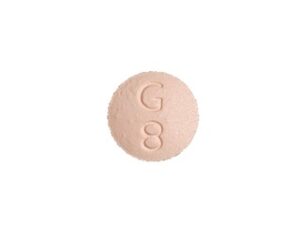


Inspra (Eplerenone) — Patient-Friendly Guide
Inspra is a medicine containing eplerenone. It belongs to a group of medicines called mineralocorticoid receptor antagonists (also known as MRAs). In the UK, eplerenone is used in certain heart conditions to help reduce strain on the heart and improve outcomes.
This guide explains how Inspra works, when it may be used, how it’s typically taken, key safety information, and what to consider with food, alcohol, and other medicines. It is written to help you understand the medicine in everyday language.
Basic product information
| Feature | Details |
|---|---|
| Active ingredient | Eplerenone |
| Brand name | Inspra |
| Drug class | Mineralocorticoid receptor antagonist (MRA) |
| Common strengths | Typically 25 mg and 50 mg tablets (availability may vary) |
| How it’s taken | By mouth, usually once or twice daily (depends on your regimen) |
| Key monitoring | Blood potassium and kidney function |
How Inspra works (mechanism of action)
Eplerenone blocks the action of aldosterone, a hormone that can increase salt and water retention and contribute to heart strain and remodeling after certain heart events.
Specifically, Inspra is a selective mineralocorticoid receptor antagonist. By blocking these receptors, it helps:
- Reduce excess salt and fluid retention
- Lower stress on the heart
- Help protect heart tissue by reducing harmful remodeling processes
What Inspra is used for in the UK
In the UK, eplerenone is used for certain heart-related indications, particularly for patients with heart failure and/or following myocardial infarction (heart attack) when there are signs of reduced heart pumping ability.
Commonly prescribed indications include:
- Heart failure with reduced ejection fraction in selected patients, to improve outcomes (as part of guideline-based therapy).
- Post-heart-attack treatment for patients with impaired left ventricular function and/or symptoms of heart failure, to help reduce the risk of further events.
Your prescriber will determine suitability based on your medical history, current medications, heart function tests, and blood test results (particularly potassium and kidney function).
Typical dosing and timing
Dosing may vary by patient and indication. Your clinician may adjust dose based on blood tests and how you respond to treatment.
Common approach to starting and adjusting dose
The usual starting strategy often involves:
- Starting at a lower dose when potassium levels and kidney function allow
- Checking blood tests after initiation or any change in dose (because eplerenone can raise potassium)
- Adjusting dose if potassium is too high or if you tolerate the medicine well
Timing of doses
In many regimens, Inspra is taken once or twice daily. Taking it at the same times each day can help you remember.
- If it is prescribed twice daily, try spacing doses roughly 12 hours apart.
- If you miss a dose, follow your local advice provided with the medicine. In general, do not take a double dose to make up for the missed tablet.
If you’re unsure about your personal schedule, check the directions printed on your box or leaflet, or ask a healthcare professional.
Pharmacokinetics (how the body handles eplerenone)
Understanding pharmacokinetics can help explain why timing and food can matter. The following points are general and may vary between individuals.
Absorption
- Eplerenone is absorbed after oral dosing. Food can increase absorption and therefore may increase exposure.
- Because of this, consistent use with meals (if advised) can help maintain stable levels.
Distribution and metabolism
- Eplerenone is distributed throughout the body and is metabolised mainly in the liver.
- It is processed largely via the CYP3A4 pathway. Medicines that affect CYP3A4 may change eplerenone levels.
Elimination
- Eplerenone and its metabolites are eliminated through urine and faeces.
- The effective duration supports once- or twice-daily dosing depending on your regimen and kidney function.
Kidney function and liver function influence how safely the medicine can be used. People with impaired kidney function or high baseline potassium may require extra caution and closer monitoring.
Food interactions (what to eat and drink)
Food can affect how much eplerenone enters the bloodstream. As a patient, the most practical approach is to take Inspra consistently as directed by your prescriber.
Typical advice
- Many patients are advised to take it with or without food in a consistent way. If you were instructed to take it with food, try to keep doing so.
- Large changes in meal timing or sudden dietary habits may slightly alter absorption. Consistency helps maintain stable medicine levels.
Grapefruit and other CYP3A4-related foods
Some foods and drinks, especially grapefruit (and grapefruit juice), may increase levels of medicines metabolised by CYP3A4 in certain people. Check the advice in your leaflet or ask your pharmacist if you regularly consume grapefruit.
Alcohol interactions
Alcohol does not usually have a direct specific interaction with eplerenone in the way some medicines do, but it can affect your heart condition, blood pressure, hydration, and judgement.
Practical considerations
- If you drink alcohol, do so in moderation and avoid heavy binge drinking.
- Alcohol can increase dehydration, which may affect kidney function—important because eplerenone influences potassium.
- Some people feel light-headed if their blood pressure is low; alcohol may worsen this.
If you have heart failure or kidney disease, it’s especially important to ask a healthcare professional about what level of alcohol is safe for you.
Medicine interactions (including potassium-raising and CYP3A4 medicines)
Inspra can increase potassium. This is the most important interaction to consider. Medicines that raise potassium or affect kidney function may increase the risk of hyperkalaemia.
High-risk interactions to discuss with your pharmacist/clinician
- Potassium supplements or salt substitutes containing potassium
- Other potassium-sparing diuretics (for example, amiloride or triamterene)
- Some ACE inhibitors and ARBs (commonly used in heart failure and hypertension) — these may be part of treatment, but require potassium monitoring when combined with eplerenone
- Certain medicines that can raise potassium (including some combinations or specialist drugs)
- CYP3A4 inhibitors that may increase eplerenone levels (for example, some antifungals, some antibiotics, and other medicines—your pharmacist can check exact examples)
Anti-inflammatory painkillers (NSAIDs)
Regular or high-dose non-steroidal anti-inflammatory drugs (NSAIDs) such as ibuprofen, naproxen, or diclofenac may affect kidney function and can increase potassium risk when used in certain circumstances. If you use NSAIDs, ask your healthcare professional for safer options and monitoring advice.
Herbal remedies
Herbal products can also affect drug metabolism or kidney function. Always tell your pharmacist about supplements, herbal remedies, or “natural” products.
Before starting or stopping any medicine, it’s a good rule to review your full medicine list with your pharmacist.
Safety profile: key side effects and warnings
Like all medicines, Inspra can cause side effects. Not everyone gets them, and many can be managed with monitoring and dose adjustment.
Most important risk: high potassium
Eplerenone can raise blood potassium. This can, in some cases, lead to abnormal heart rhythms. Your clinician will typically check blood tests, especially soon after starting and after dose changes.
Seek urgent medical advice if you experience:
- Severe weakness or unusual muscle symptoms
- Palpitations or a sense of irregular heartbeat
- Fainting, dizziness, or feeling very unwell
Other possible side effects
- Dizziness
- Low blood pressure (especially when starting or if dehydrated)
- Kidney function changes detected on blood tests
- Breast tenderness or enlargement (less common, but can occur with hormonal receptor effects seen with MRAs)
- Rashes or allergic-type reactions in susceptible individuals
If you experience persistent or troublesome symptoms, contact a healthcare professional. For suspected severe allergic reactions (such as swelling of the face/lips, difficulty breathing), seek emergency help.
Who should take extra care?
- People with high potassium prior to treatment
- People with reduced kidney function
- People with liver impairment (as advised by the prescriber)
- Those taking multiple medicines that affect potassium or kidney function
Practical use tips (how to take Inspra safely)
- Stick to the same routine: take at the same times each day and in a consistent way with respect to meals (as you were instructed).
- Attend blood tests: potassium and kidney function checks are central to safe use. If you miss a test appointment, contact your clinic promptly.
-
Avoid potassium “hidden sources”:
- Salt substitutes (often contain potassium)
- High-potassium dietary supplements
- Tell healthcare professionals about your full medication list, including over-the-counter products.
- Stay hydrated in a safe way: dehydration can stress kidneys and increase risks. (If you have fluid restriction advice for heart failure, follow that plan.)
- Be cautious with “extra” painkillers: NSAIDs may increase kidney stress; ask first.
Alternative treatment options
Treatment for heart failure and post-heart-attack management is personalised and may include several classes of medicines. Alternatives or complementary options may be considered depending on your diagnosis and results of blood tests.
Possible alternatives (not an exhaustive list)
- Other MRAs such as spironolactone (different side effect profile; some people prefer one over the other)
- ACE inhibitors or ARBs (commonly used in heart failure)
- Beta-blockers (to support heart function)
- Diuretics (“water tablets”) such as loop diuretics for symptom control in selected patients
- Other guideline-based therapies depending on symptoms, ejection fraction, and comorbidities
Your clinician will choose the best combination for you. If you’re considering switching medicines, always discuss it first—do not stop Inspra suddenly without medical advice.
Pharmacological guidance and UK context
In the UK, eplerenone is used in accordance with evidence-based clinical practice for appropriate cardiac indications. Recommendations may evolve as new clinical studies and safety monitoring information become available.
Where guidance commonly comes from
- National Institute for Health and Care Excellence (NICE) guidance on heart failure management where relevant
- Specialist cardiology guidance and updates from professional bodies
- Regulatory updates and safety communications where applicable
Recent safety focus
The most consistently emphasised safety themes across MRAs include:
- Careful potassium and kidney monitoring
- Managing drug interactions that increase eplerenone exposure or potassium
- Adjusting therapy in people with renal impairment or changes in health status (for example, dehydration from vomiting/diarrhoea)
If you have kidney disease, a recent illness, or you are starting another medicine, check that your monitoring plan is in place.
Delivery and availability in the United Kingdom
Inspra (eplerenone) may be available through UK pharmacies and pharmacy delivery services depending on stock levels and local arrangements. Availability can vary by strength (commonly 25 mg and 50 mg tablets) and pack size.
When ordering online, delivery timelines depend on:
- Local stock availability
- Your postcode area and delivery service level
- Whether a product needs to be sourced from a supplier
Keep the product in its original packaging and store it as directed on the label.
Frequently Asked Questions (FAQ)
How long does Inspra take to work?
Eplerenone helps protect heart function over time. You may not feel an immediate effect, especially if it’s intended to improve long-term outcomes. Your doctor will monitor your progress using symptoms and blood tests.
What blood tests will I need?
Typically, you will have monitoring for potassium and kidney function (often using creatinine/eGFR). Tests are usually done after starting and after dose changes, then at intervals as advised.
Can I eat normally while taking Inspra?
In most cases, yes. The key is to be consistent with meal timing as instructed and avoid major changes that could affect absorption. Also, avoid potassium-rich salt substitutes unless your clinician has advised them.
Can I take ibuprofen or other painkillers?
It may be possible, but caution is advised—especially with regular or high doses. NSAIDs can stress kidneys and affect potassium levels. Ask your pharmacist for safer options and the right approach for you.
Does Inspra cause weight gain?
Eplerenone is not primarily a weight-gain medicine. However, changes in heart condition, fluid balance, and diet can affect weight. If you notice sudden weight changes (for example, rapid gain), contact your healthcare team.
What should I do if I miss a dose?
Follow the guidance in the patient information leaflet or the instructions provided with your medicine. In general, do not take a double dose to make up for a missed tablet.
Can I drink alcohol?
Alcohol is not usually a direct interaction, but it can affect hydration and blood pressure. If you drink, do so moderately, and seek personalised advice if you have heart failure, kidney problems, or low blood pressure.
Is Inspra safe with other heart medicines?
Many people take eplerenone alongside other heart medicines. However, combinations must be chosen carefully and monitored to reduce potassium risk. Always tell your pharmacist about everything you take.
Who should not take Inspra?
Suitability depends on your individual health. People with certain high potassium levels, severe kidney impairment, or specific medication combinations may not be suitable. Your pharmacist or clinician can assess your risk factors.
What signs mean my potassium may be too high?
Hyperkalaemia may cause weakness, unusual muscle symptoms, palpitations, or a feeling of abnormal heartbeat. If you have concerning symptoms, seek urgent medical advice.
How should I store Inspra?
Store it according to the instructions on the package. Keep it in a safe place away from children and protect it from moisture as directed.
Important note
This information is designed to help you understand Inspra (eplerenone) and its common practical considerations in the UK. It does not replace advice from a healthcare professional. If you have questions about your individual situation, blood test schedules, or medicine combinations, speak to your clinician or pharmacist.