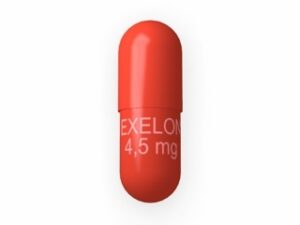


Daliresp (Roflumilast) — Patient-Friendly Guide (UK)
Daliresp is a medicine containing roflumilast. It is used to help manage certain long-term lung conditions, mainly by reducing inflammation in the airways. This guide explains how Daliresp works, how it is typically taken, key safety information, and what to consider in everyday life in the United Kingdom (UK).
Quick overview
- Active ingredient: Roflumilast
- Medicinal form: Tablet
- Common strengths (may vary by product listing): 250 micrograms (mcg) or 500 micrograms (mcg)
- What it’s used for: Add-on treatment in certain patients with chronic obstructive pulmonary disease (COPD), particularly where there is a history of exacerbations
- How it’s taken: Usually once daily
- Typical benefits: Helps reduce the risk of COPD flare-ups (exacerbations) in appropriate patients
What is Daliresp?
Daliresp is a prescription medicine for COPD. It helps reduce inflammation-related activity in the lungs. Unlike many “rescue” medicines used for sudden breathlessness, Daliresp is designed for long-term control.
In the UK, COPD care is often delivered as part of a wider treatment plan that may include inhaled bronchodilators, inhaled corticosteroids (for some people), pulmonary rehabilitation, vaccines, and smoking cessation support.
Indications: when Daliresp is used in the UK
Daliresp (roflumilast) is used as an add-on for adults with severe COPD associated with:
- Chronic bronchitis (typically characterised by ongoing cough and sputum), and
- Frequent exacerbations (regular flare-ups)
Your clinician will consider whether roflumilast is suitable based on your symptoms, inhaler use, exacerbation history, and side-effect risk.
How Daliresp works (mechanism of action)
Roflumilast belongs to a class of medicines called phosphodiesterase-4 (PDE4) inhibitors.
PDE4 is an enzyme found in immune and inflammatory cells. By blocking PDE4, roflumilast helps increase levels of cyclic AMP (cAMP) within cells. This can lead to:
- Reduced inflammation in the airways
- Less release of inflammatory mediators that contribute to COPD flare-ups
- Better control of symptoms over time in selected patients
Roflumilast is not intended to relieve an acute flare-up immediately.
Pharmacokinetics: how the body processes roflumilast
Understanding pharmacokinetics can help explain onset, consistency, and why missing doses may matter.
- Absorption: After oral administration, roflumilast is absorbed and metabolised.
- Metabolism: It is extensively metabolised, primarily in the liver. The medicine is converted to active metabolites.
- Onset: Effects on exacerbation risk are not immediate; benefit is typically considered over weeks to months as part of chronic management.
- Half-life: The active forms persist in the body long enough to support once-daily dosing.
- Elimination: Metabolites are eliminated mainly through the kidneys and faeces.
Important: People with liver disease may need special caution. If you have a known liver condition, discuss suitability and monitoring with your healthcare professional.
Typical dosing and timing (UK patient guidance)
Always follow the dosing plan given by your clinician. Doses can vary based on individual factors and how the treatment is initiated.
Common approach
- Once daily dosing is typical.
- Many regimens start with a lower strength and then increase after a period of adaptation to help reduce side effects (particularly gastrointestinal symptoms).
- Choose a consistent time each day to improve adherence.
What if you miss a dose?
- If you miss a dose and it is not close to the next dose, take it when you remember.
- If it is near the next scheduled dose, skip the missed dose and take the next one as normal.
- Do not take a double dose to make up for the missed one.
How to take it
- Swallow the tablet with water.
- Try to keep your routine steady (same time of day).
- If you experience side effects, do not stop suddenly without advice—talk to your healthcare professional.
Food interactions: can you take Daliresp with meals?
Food can affect the absorption rate of some medicines. For roflumilast, it is generally advised to take it as instructed on your prescription label or by your healthcare professional.
Practical advice:
- If you get nausea, diarrhoea, or stomach discomfort, many people find it easier to take the tablet with a meal or shortly after eating (unless your clinician has advised otherwise).
- Stay well hydrated, especially if you experience gastrointestinal side effects.
If you have concerns about your usual meal schedule (e.g., shift work or irregular eating), discuss a timing strategy with your clinician or pharmacist.
Alcohol and medicine interactions
Combining alcohol with COPD medicines can affect breathing, dehydration risk, sleep quality, and the risk of side effects. For Daliresp, the key issues are:
- Alcohol may worsen dizziness, fatigue, and diarrhoea for some people.
- Alcohol can also worsen overall health in COPD and may impair how well you recover after flare-ups.
- Because roflumilast is processed via the liver, heavy alcohol intake may increase the likelihood of liver-related complications.
Patient-friendly guidance:
- It is usually sensible to limit alcohol and avoid heavy drinking.
- If you notice increased nausea, stomach upset, or light-headedness after drinking, avoid alcohol and seek advice.
Medicines interactions to discuss with a pharmacist
Roflumilast has potential interactions, especially involving medicines that affect liver enzymes.
Tell your pharmacist/clinician if you take:
- Enzyme inducers (may reduce roflumilast levels), such as some medicines used for seizures or certain infections
- Other long-term COPD medicines (inhaled therapies, if applicable)
- Medicines affecting liver metabolism
- Medicines associated with mood changes, especially if you have a history of depression
Always provide a full list of medicines (including over-the-counter products and herbal remedies) to help prevent unwanted interactions.
Safety profile: common and serious side effects
Like all medicines, Daliresp can cause side effects. Many are manageable, but some require urgent medical attention.
Common side effects
These often occur early in treatment and may lessen over time, particularly with dose adjustment strategies.
- Diarrhoea
- Nausea
- Weight loss
- Abdominal pain or indigestion
- Headache
- Dizziness or feeling unwell
- Reduced appetite
- Insomnia or sleep disturbance (in some people)
Serious side effects — seek urgent advice
- Severe diarrhoea, signs of dehydration, or blood in stools
- Significant mood changes, including new or worsening depression, suicidal thoughts, or unusual behaviour
- Severe allergic reaction (e.g., swelling of face/lips, breathing difficulty, widespread rash)
- Symptoms suggesting liver problems such as yellowing of skin/eyes (jaundice), dark urine, severe fatigue, or persistent nausea
Action: If any serious symptoms occur, contact medical services promptly and do not delay.
Who should use extra caution?
- People with a history of depression or mood disorders
- People with significant weight loss or at risk of malnutrition
- People with liver disease
- People prone to diarrhoea or gastrointestinal illness
Your clinician may monitor weight, mood, and general tolerability during treatment.
Practical use tips (to make treatment easier)
- Expect the first weeks: Gastrointestinal side effects are most likely early. Starting at a lower dose (if that is your plan) and taking it consistently can help.
- Track weight: If you notice appetite loss or weight drops, tell your clinician. Some people need dose adjustment or nutritional support.
- Manage diarrhoea early: Maintain hydration. If diarrhoea is severe or persistent, seek medical advice.
- Watch mood changes: Report any new depression, agitation, or thoughts of self-harm immediately.
- Keep using your inhalers: Daliresp works as a background therapy for selected COPD patients and does not replace rescue inhalers or your usual inhaled maintenance plan.
- Plan for COPD flare-ups: Ensure you have an action plan for worsening symptoms, including when to use your rescue medication and when to seek help.
Alternative options for COPD (UK context)
Daliresp is only one part of COPD management. Depending on your COPD severity and symptoms, other options may include:
- Inhaled bronchodilators (e.g., long-acting beta agonists and long-acting muscarinic antagonists)
- Inhaled corticosteroids for selected patients, typically with frequent exacerbations and/or elevated eosinophils
- Mucolytics (in certain patients with chronic mucus)
- Pulmonary rehabilitation (exercise-based programmes to improve breathing and quality of life)
- Vaccinations (influenza and pneumococcal per UK schedules)
- Smoking cessation support (the most effective step to slow disease progression)
- Other anti-inflammatory add-ons (for some patients, alternative medications may be considered)
If you are finding Daliresp difficult to tolerate, ask your clinician about alternatives tailored to your COPD pattern, exacerbation history, and other medical conditions.
Market & legal context in the UK
In the UK, medicines containing roflumilast are regulated by the medicines framework overseen by Medicines and Healthcare products Regulatory Agency (MHRA) and supported by the wider UK health system. Daliresp is part of COPD management options used by healthcare professionals in line with clinical assessment and product guidance.
Patient availability through UK pharmacies typically requires appropriate clinical assessment and supply through licensed channels. Online pharmacy ordering must follow UK legal requirements for safe supply and appropriate patient information.
Note: Product listings, pack sizes, and pricing can vary. Always check the current product details in the pharmacy listing.
Recent guidance & COPD care updates (general overview)
COPD treatment recommendations in the UK are shaped by clinical guidance and evolving evidence. While specific roflumilast recommendations may differ by individual patient factors, general themes include:
- Using inhaled therapy optimisation and adherence checks as a foundation
- Considering add-on therapies for patients who continue to have exacerbations despite standard inhaled treatment
- Emphasising non-drug interventions (smoking cessation, vaccinations, pulmonary rehabilitation)
- Reviewing medicines regularly, including tolerability and side-effect monitoring
Your pharmacist or clinician can explain how these principles apply to your personal care plan.
Delivery and availability (UK online pharmacy)
Availability can vary by strength and pack size. Most reputable UK pharmacies aim to dispatch orders quickly once the item is in stock.
Typical delivery considerations:
- Stock-dependent dispatch: If the requested strength is not in stock, dispatch times may vary.
- Tracked delivery: Many pharmacies use tracked services for added safety.
- Packaging: Medicines are typically supplied in original packaging with patient information materials.
- Delivery address: Use a safe delivery address where someone can receive the parcel.
For the most up-to-date delivery times and costs, refer to the specific online pharmacy listing and checkout information.
Daliresp product information summary
| Category | Details |
|---|---|
| Active ingredient | Roflumilast |
| Use | Long-term add-on treatment for certain adults with severe COPD (chronic bronchitis with frequent exacerbations) |
| Dosing frequency | Usually once daily |
| How it works | PDE4 inhibitor that helps reduce airway inflammation |
| Onset of effect | Not immediate relief; benefits are considered over time |
| Common side effects | Diarrhoea, nausea, weight loss, abdominal discomfort, headache, dizziness |
| Key precautions | Monitor mood changes and weight; caution with liver disease and severe gastrointestinal effects |
| Food considerations | Follow prescribed instructions; taking with food may help some people with nausea |
FAQ: Daliresp (Roflumilast) for UK patients
1) Is Daliresp a rescue inhaler?
No. Daliresp (roflumilast) is a long-term tablet used to help reduce exacerbation risk in selected COPD patients. It is not intended for immediate relief during an acute flare-up.
2) How long does it take to work?
Some improvement in symptoms may be noticed gradually, but the main benefit is reducing exacerbations over time. Effects are typically assessed over weeks to months as part of ongoing COPD management.
3) What should I do if I get diarrhoea or nausea?
Contact your healthcare professional if symptoms are severe or persistent. In many cases, side effects improve with time and with the initial dose-escalation strategy. Stay hydrated and seek advice early rather than waiting.
4) Can I take Daliresp with food?
You should follow your dosing instructions. Some people find taking it with meals helps reduce stomach upset. If you are unsure, ask your pharmacist for advice based on your routine.
5) Is it safe to drink alcohol while taking Daliresp?
Moderate alcohol may be tolerated by some people, but alcohol can worsen diarrhoea, dizziness, and overall wellbeing. Heavy drinking may increase health risks, especially for the liver. Consider limiting alcohol and seek advice if you experience side effects.
6) Does Daliresp affect mood?
Roflumilast may be associated with mood-related adverse effects in some individuals, including depression or changes in behaviour. If you notice mood changes, report them promptly and seek urgent help for severe symptoms or suicidal thoughts.
7) Will Daliresp cause weight loss?
Weight loss can occur in some patients. If you notice reduced appetite or unintentional weight change, tell your clinician. Monitoring may be part of your care plan.
8) Can I take Daliresp if I have liver problems?
Caution is needed. People with liver disease may need dose adjustment or closer monitoring. Tell your clinician about liver conditions before starting.
9) What other medicines can interact with roflumilast?
Certain medicines that affect liver enzymes may alter roflumilast levels, potentially changing effectiveness or side-effect risk. Provide a full list of medicines (including herbal remedies and over-the-counter products) to your pharmacist for safety checks.
10) How should I store Daliresp?
Store tablets according to the instructions on the label and patient leaflet, typically at room temperature and away from moisture. Keep out of the sight and reach of children.
11) If I stop taking Daliresp, will my COPD get worse immediately?
Daliresp is a background treatment. Stopping may reduce ongoing benefit over time, but it is not usually an immediate “rebound” effect. If you are considering stopping, discuss with your clinician first.
Disclaimer: This information is intended to support patient understanding and is not a substitute for personal medical advice. If you have concerns about your condition, side effects, or drug interactions, consult a healthcare professional.