

Eplerenone (Eplerenone) – Patient-Friendly Guide (UK)
Eplerenone is a prescription medicine used to help reduce the workload on the heart and lower the risk of certain cardiovascular problems in appropriate patients. It belongs to a group of medicines known as mineralocorticoid receptor antagonists.
This guide explains how eplerenone works, how it is typically taken, key safety information (especially potassium levels), and what to consider when taking it alongside food, alcohol, and other medicines—tailored for people in the United Kingdom.
Quick Facts
- Medicine name: Eplerenone
- What it’s for: Conditions involving heart failure after a heart attack in selected adults; it may also be used in some people with chronic heart failure depending on local clinical decisions.
- Medicine type: Mineralocorticoid receptor antagonist (MRA)
- Main caution: Can raise potassium (hyperkalaemia), which is why kidney function and blood tests matter.
- Common side effects: Dizziness, low blood pressure, increased potassium, kidney function changes.
Basic Product Information
What is eplerenone?
Eplerenone helps block the action of aldosterone, a hormone that can cause the body to retain salt and water and promote changes that may worsen heart function. By blocking aldosterone’s effects, eplerenone supports healthier balance of salt and fluid and can improve outcomes in specific heart conditions.
How is it supplied?
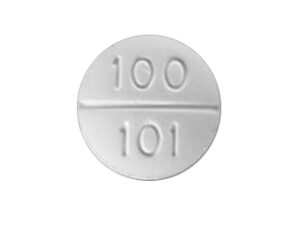
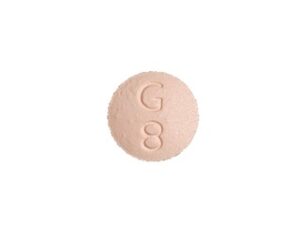
In the UK, eplerenone is available in tablet form (strengths vary by product). Brand names and tablet strengths can differ between manufacturers, but the active ingredient is the same.
Who makes it?
Eplerenone is made by different pharmaceutical companies for the UK market, and availability may vary by supplier and strength.
Mechanism of Action
Eplerenone is a selective mineralocorticoid receptor antagonist. It works mainly by:
- Blocking aldosterone receptors in the heart and kidneys
- Reducing sodium retention and helping the body excrete excess salt and water
- Lowering harmful remodelling signals (processes that can lead to worsening heart structure over time)
- Helping protect the heart after specific cardiovascular events in eligible patients
Unlike some older medicines in the same class, eplerenone is more selective for mineralocorticoid receptors, which can affect side-effect profiles.
Pharmacokinetics (How the Body Handles Eplerenone)
Understanding pharmacokinetics can help you anticipate how the medicine behaves in the body.
- Absorption: Eplerenone is absorbed after taking a tablet. How much is absorbed can be influenced by food (see “Food interactions” below).
- Time to peak: Blood levels typically peak a few hours after a dose (timing varies by individual).
- Distribution: It distributes throughout the body and binds to plasma proteins.
- Metabolism: Eplerenone is metabolised mainly in the liver, with the enzyme CYP3A4 playing an important role.
- Elimination: It is removed through metabolism and excretion (kidneys and other routes contribute).
- Half-life: The effect lasts long enough for once or twice daily dosing depending on the prescribed schedule and patient factors.
Kidney and liver function matter—changes can affect how quickly eplerenone is cleared from the body and increase the risk of side effects, particularly high potassium.
Typical Use in the UK
In clinical practice in the UK, eplerenone is commonly used for:
- Heart failure after a heart attack (myocardial infarction) in appropriate adults, particularly when symptoms/signs of heart failure are present and left ventricular function is reduced.
- Chronic heart failure in selected patients, depending on local clinical assessment and guideline-based recommendations.
Your clinician will decide whether eplerenone is suitable based on factors such as your heart condition, blood pressure, kidney function, and baseline potassium level.
When to Take Eplerenone (Timing and Missed Dose)
Timing
Follow the dosing instructions on your medicine label. Common schedules include once or twice daily regimens, depending on your specific prescription and clinical plan.
Consistency is helpful: Try to take it at the same times each day to maintain steadier blood levels.
With or without food
Food can influence how eplerenone is absorbed. For many patients, the most practical approach is to take it in a consistent way with regard to meals (for example, either always with or always without food) unless your clinician has advised otherwise.
If you’re unsure whether your product instructions recommend taking eplerenone with food, check your specific leaflet or ask your pharmacist.
Missed dose
- If you miss a dose, take it when you remember unless it is near the time for your next dose.
- Do not double up to make up for a missed dose.
- If you miss more than one dose, seek advice from a healthcare professional or pharmacist for guidance.
Food Interactions
Food can affect absorption and therefore blood levels of eplerenone. While recommendations can vary by formulation and product-specific guidance, a safe general approach is:
- Be consistent with how you take it relative to meals.
- If you start eating differently (for example, a new diet pattern), mention it to your pharmacist or clinician if you notice changes in symptoms or if blood tests show changes in kidney function or potassium.
Grapefruit / grapefruit juice: Grapefruit can affect CYP3A4 and may increase eplerenone exposure. It’s commonly advised to avoid grapefruit products unless your pharmacist confirms it is safe for you.
Alcohol and Medicine Interactions
Alcohol
Alcohol may increase the risk of dizziness or low blood pressure, especially when you first start treatment or if you’re also taking other medicines that affect blood pressure. For many people, moderate alcohol may be tolerated, but it’s best to:
- Start cautiously and see how you feel
- Avoid heavy drinking
- Seek advice if you experience light-headedness, faintness, or falls
Important medicine interactions
Eplerenone’s metabolism involves CYP3A4, and it also affects potassium balance. Certain medicines can increase eplerenone levels or raise potassium further—sometimes requiring dose changes or extra blood monitoring.
Tell your pharmacist or clinician about all medicines you take, including:
- Other heart medications
- Diuretics (“water tablets”)
- Blood pressure medicines
- Pain relief medicines (including anti-inflammatory drugs)
- Herbal products and supplements
- Over-the-counter products for colds or cough
Because interaction profiles can differ by patient and product, always follow personalised advice. Below are commonly relevant interaction categories:
- CYP3A4 inhibitors (can raise eplerenone levels): examples may include some antifungals (e.g., ketoconazole/itraconazole) and certain antibiotics (e.g., clarithromycin) and HIV medicines. These may require avoidance or careful dose adjustments.
- Potassium-raising agents: other medicines that can increase potassium include some diuretics (notably potassium-sparing diuretics), potassium supplements, and salt substitutes containing potassium.
- ACE inhibitors and angiotensin receptor blockers (ARBs): often used in heart conditions, but together with eplerenone can raise potassium—this is why monitoring matters.
- Non-steroidal anti-inflammatory drugs (NSAIDs): regular or high-dose NSAIDs can affect kidney function and may increase risk when combined with medicines affecting the renin–angiotensin–aldosterone system.
If you’re planning to start any new medicine, check first with your pharmacist, especially if it’s an antibiotic, antifungal, or anti-inflammatory.
Indications (What Eplerenone Is Used For)
In the UK, eplerenone is used in adults for specific cardiovascular indications, most notably:
- Heart failure after an acute myocardial infarction, typically in patients with reduced left ventricular function and either symptoms of heart failure or other clinical criteria—used to improve outcomes.
- Chronic heart failure in selected patients where an MRA is appropriate, based on clinical assessment.
Eligibility depends on factors such as baseline potassium and kidney function, blood pressure, and how well other therapies are tolerated.
Dosing (General Guidance for Patients)
Dosing is individual. The dose you take may depend on your baseline blood tests and kidney function, and may be adjusted over time.
Common dosing approach
- Start dose: Often begins at a lower dose to reduce risk of high potassium.
- Adjustment: Dose may be increased or adjusted after follow-up blood tests.
- Maximum dose: There is a recommended upper limit. Your clinician will not exceed it without a specific, monitored plan.
Blood test monitoring
Eplerenone treatment usually involves periodic monitoring of:
- Potassium levels
- Kidney function (often measured using creatinine and estimated glomerular filtration rate, eGFR)
- Sometimes sodium and other electrolytes, depending on your situation
Monitoring schedules vary by patient risk and local practice, but early monitoring after starting and after dose changes is common.
Missed doses and dose timing
If you accidentally take an extra tablet or miss a dose, contact a pharmacist for advice. Because the key risk involves potassium and kidney function, it’s important not to “self-correct” without guidance.
Safety Profile
Key risks: Potassium and kidney function
The most important safety issue with eplerenone is the potential for:
- Hyperkalaemia (high potassium)
- Changes in kidney function
- Low blood pressure (especially if combined with other blood pressure-lowering medicines)
Possible side effects
Not everyone experiences side effects. Common or clinically important effects may include:
- Dizziness or light-headedness
- Low blood pressure (may cause faintness)
- High potassium (may be symptom-free initially; sometimes causes weakness or abnormal heart rhythms)
- Kidney-related changes detected through blood tests
Seek urgent medical help if
- You feel severely unwell, faint, or have chest pain or palpitations
- You experience symptoms suggestive of dangerously high potassium such as severe muscle weakness
- You develop signs of an allergic reaction (swelling of the face/lips, rash, breathing difficulty)
Who needs extra caution?
Your clinician may be particularly cautious if you have:
- Kidney disease or reduced eGFR
- High baseline potassium
- Diabetes with kidney involvement
- Use of multiple medicines that increase potassium
- Dehydration, vomiting, or severe diarrhoea (risk of kidney strain)
Pregnancy and breastfeeding
If you are pregnant, planning pregnancy, or breastfeeding, discuss eplerenone with a healthcare professional. Decisions depend on your individual risks and benefits. Always seek guidance rather than stopping or starting on your own.
Practical Use Tips (Day-to-Day Advice)
- Keep blood test appointments: Monitoring potassium and kidney function is a core part of safe use.
- Check salt substitutes: Some “low-salt” products contain potassium. Ask your pharmacist which products are safe.
- Stay hydrated: If you’re ill with vomiting/diarrhoea, dehydration can worsen kidney function; contact a clinician for advice.
- Know your symptoms: Dizziness, weakness, or palpitations should be taken seriously.
- Avoid grapefruit products unless your pharmacist confirms it’s safe.
- Tell healthcare professionals: Remind dentists, emergency teams, and other clinicians that you take eplerenone, especially if you need new medicines.
Alternative Options (If Eplerenone Isn’t Suitable)
Whether an alternative is appropriate depends on your exact heart condition, blood test results, and how you tolerate therapy. Common alternatives within the broader category of heart-failure medicines or aldosterone antagonists may include:
- Other mineralocorticoid receptor antagonists (for example, spironolactone): sometimes used where appropriate. Each option has differences in side-effect profile.
- Different heart failure drug classes (e.g., ACE inhibitors, ARBs, beta-blockers, SGLT2 inhibitors, and other guideline-directed medicines): these may be used alone or alongside MRAs.
Your clinician will choose alternatives based on your diagnosis and your blood test results. A switch should always be discussed and monitored.
UK Market and Legal/Clinical Context
In the United Kingdom, eplerenone is an established medicine used in cardiovascular care. UK practice is influenced by guidance from bodies such as:
- NICE (National Institute for Health and Care Excellence)
- British Society for Heart Failure (and other professional cardiology guidance)
- Local NHS prescribing policies and formularies
MRAs such as eplerenone are commonly part of evidence-based treatment approaches for heart failure when appropriate, particularly when left ventricular dysfunction is present and blood tests support safe use.
Regulation: Medicines in the UK are authorised and regulated through the Medicines and Healthcare products Regulatory Agency (MHRA). Patient information leaflets and product characteristics are used to guide safe supply and use.
Recent Guidance (What to Keep in Mind)
Guidelines and best practice for heart failure management continue to evolve as new evidence and therapies emerge. Even so, the core safety principles for eplerenone remain consistent:
- Use where benefits are expected based on the underlying heart condition.
- Assess baseline kidney function and potassium before starting.
- Monitor potassium and kidney function after starting and after dose changes.
- Review interacting medicines that may increase potassium or affect eplerenone metabolism.
For up-to-date clinical advice, your clinician will follow the latest heart failure and cardiovascular guidance available in the UK.
Delivery and Availability in the UK
Availability depends on the specific tablet strength and the pharmacy’s supplier network. Many pharmacies can provide eplerenone tablets, but stock levels may vary.
Delivery expectations:
- Delivery times depend on your postcode, the chosen delivery option, and whether the item is held in local stock or needs to be sourced.
- Most online pharmacies provide tracking updates when available.
- If you need a particular strength, it’s helpful to confirm stock before placing an order.
Storage: Keep tablets in their original packaging, away from excessive heat and moisture, and out of the reach of children.
Medication Safety Checklist (Before You Start)
Use this checklist to make sure you and your healthcare team have the key safety information:
- Your latest potassium and kidney function (eGFR/creatinine) results are known.
- You know which medicines you take that may affect potassium or the kidneys (including painkillers/NSAIDs).
- You avoid or confirm safety of grapefruit products.
- You know whether salt substitutes contain potassium and whether you should avoid them.
- You have a plan for “sick days” (vomiting/diarrhoea) and know when to seek advice.
Information Table (Quick Reference)
| Category | Key points for patients |
|---|---|
| What it does | Blocks aldosterone at mineralocorticoid receptors to help protect the heart and manage fluid/salt balance. |
| Main risks | High potassium (hyperkalaemia), kidney function changes, low blood pressure. |
| Blood tests | Potassium and kidney function monitoring before and after starting/adjusting dose. |
| How to take | Follow label timing; be consistent with meals. Do not double up if a dose is missed. |
| Food interactions | Food can affect absorption; keep the pattern consistent. Avoid grapefruit products unless advised otherwise. |
| Alcohol | May increase dizziness/low blood pressure risk—drink cautiously. |
| Drug interactions | Check especially for CYP3A4 inhibitors, potassium-raising medicines, and NSAIDs/medicines affecting kidneys. |
| When to seek help | Fainting, severe weakness, palpitations, chest pain, or signs of allergic reaction. |
FAQ (Frequently Asked Questions)
1) What is eplerenone used for?
Eplerenone is used to treat specific cardiovascular conditions, most commonly selected adults with heart failure after a heart attack (with reduced left ventricular function) and in some cases chronic heart failure, depending on clinical assessment and blood test results.
2) How long does eplerenone take to work?
Some effects (like changes related to fluid/salt balance) can occur within days, but the overall heart-protection benefits are typically understood over longer periods. Your clinician will monitor progress and blood tests.
3) Why do I need frequent blood tests?
Eplerenone can increase potassium and affect kidney function. Blood tests help ensure levels remain within a safe range and allow dose adjustment if needed.
4) Can I take eplerenone with other heart medicines?
5) Can I take ibuprofen or other painkillers?
Some painkillers, especially NSAIDs like ibuprofen, may affect kidney function and increase risk when combined with medicines such as eplerenone. Talk to your pharmacist before using NSAIDs regularly or at higher doses.
6) Is eplerenone safe if I have kidney problems?
7) What should I do if I miss a dose?
If you miss a dose, take it when you remember unless it is near the time for your next dose. Do not double up. If you miss multiple doses, contact a pharmacist for advice.
8) Are there foods I should avoid?
Consistency with meals is important because food may influence absorption. Grapefruit and grapefruit juice may increase eplerenone exposure, so avoid them unless your pharmacist confirms it is safe.
9) Can I drink alcohol while taking eplerenone?
Alcohol may increase dizziness or low blood pressure in some people. If you drink, do so cautiously and avoid heavy drinking. If you feel light-headed or unwell, seek advice.
10) What are signs of high potassium I should watch for?
High potassium may not cause symptoms initially, which is why blood tests are crucial. If symptoms occur, they may include muscle weakness, tingling, or palpitations. Seek urgent medical advice if you experience severe weakness or heart rhythm symptoms.
Final Summary
Eplerenone is an effective mineralocorticoid receptor antagonist used in eligible patients with heart failure—particularly after myocardial infarction or in selected chronic heart failure cases—where it helps reduce the harmful effects of aldosterone. To use eplerenone safely, the most important step is regular monitoring of potassium and kidney function, along with careful review of interacting medicines and consistent meal/timing habits.
If you have questions about taking eplerenone with your existing medicines, your pharmacist can help you check for interactions and advise on safe day-to-day use.