

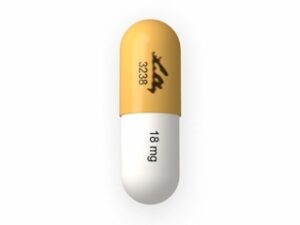
Atomoxetine (Strattera® and generics) – Patient Information (UK)
Atomoxetine is a prescription medicine used to treat Attention-Deficit/Hyperactivity Disorder (ADHD) in children, adolescents and adults. It is different from many ADHD medicines because it is not a stimulant. Many people find it helpful for improving attention, reducing impulsivity and supporting day-to-day functioning.
This page explains how atomoxetine works, how it is taken, key safety information and practical tips. It is written for patients and carers in the United Kingdom.
Basic product information
| Item | Details |
|---|---|
| Active ingredient | Atomoxetine |
| Common brand examples | Strattera® (brand); atomoxetine is also available as generics in many strengths |
| Medicinal form | Capsules (strengths vary by product) |
| How it works | Selective inhibition of noradrenaline (norepinephrine) reuptake |
| Typical dosing style | Once or twice daily depending on regimen and age |
| Onset of benefit | Often gradual; may begin within days, with fuller effect after several weeks |
What is ADHD and why atomoxetine is used?
ADHD is a neurodevelopmental condition that can cause difficulties with attention, impulse control and/or activity level. Symptoms can affect school, work, relationships and wellbeing.
Atomoxetine is used when healthcare professionals consider it appropriate for managing ADHD symptoms. It may be chosen in situations such as:
- When a non-stimulant option is preferred
- When stimulant medicines are unsuitable or not tolerated
- When there is concern about misuse potential (atomoxetine is not a controlled stimulant)
- When long-term symptom control is needed with a medication that isn’t rapidly acting
Mechanism of action (how atomoxetine works)
Atomoxetine helps ADHD symptoms by increasing levels of noradrenaline in the brain. It does this by acting as a selective inhibitor of the reuptake of noradrenaline.
In practical terms, noradrenaline supports brain circuits involved in:
- Attention and focus
- Impulse control
- Executive function (planning, task completion)
- Regulation of behaviour
Unlike some ADHD medications that act via dopamine pathways, atomoxetine’s main action is on noradrenaline. This is one reason it is often described as a “non-stimulant” medication.
Pharmacokinetics (how the body processes it)
Pharmacokinetics describes what happens to atomoxetine in the body—absorption, distribution, metabolism and elimination.
- Absorption: Atomoxetine is absorbed after oral dosing. Capsules can be taken as instructed for your specific regimen.
- Distribution: Atomoxetine distributes through body tissues and reaches the brain.
- Metabolism: It is primarily metabolised in the liver by an enzyme called CYP2D6. People differ in how quickly they metabolise atomoxetine (due to genetic variation), which can affect blood levels and side effects.
- Elimination: The medicine and its metabolites are removed from the body mainly through the kidneys and urine.
- Half-life: Atomoxetine has a relatively long duration of action for many people, which supports once- or twice-daily dosing.
For some patients, the “slow metaboliser” pattern can lead to higher drug levels and potentially more side effects. For others (fast metaboliser), effect may build at a different pace. Your prescriber may adjust the plan based on response and tolerability.
Typical indications (what atomoxetine is used for)
Atomoxetine is indicated for the treatment of ADHD in:
- Children and adolescents
- Adults
It is used as part of a broader ADHD management plan, which may include education, behavioural strategies and psychosocial support. Medication decisions should follow local clinical guidance and individual assessment.
How to take atomoxetine: timing and dosing approach
Atomoxetine is taken by mouth, usually once or twice daily depending on the prescribed regimen. The most effective schedule is the one that maintains a steady effect while minimising side effects for you.
Starting and titration (gradual increase)
Many patients start on a lower dose and increase gradually. This helps the body adjust and may improve tolerability.
- Early days to weeks: you may notice changes in symptoms gradually
- Several weeks: fuller therapeutic benefit may be seen
- If side effects occur: your prescriber may adjust dose timing or reduce dose
Morning vs evening dosing
Some people benefit from taking atomoxetine earlier in the day to reduce potential issues such as sleep disturbance. Others may tolerate a different schedule well. Follow your healthcare professional’s instructions.
Practical tip: Try to take it at the same time each day to support consistent levels.
Swallowing and missed dose guidance
- Swallow capsules whole with water (unless your specific product instructions say otherwise).
- If you miss a dose, take it when you remember unless it is close to the next scheduled dose.
- Do not take a double dose to make up for a missed one.
Dosing in more detail (strengths and individualisation)
Doses vary by age, body weight (especially in children), and individual response. Your regimen may be adjusted over time.
What you can expect during titration
- Increases are commonly stepwise to find the lowest dose that provides benefit.
- Target symptom improvement and side effects guide adjustments.
- Regular follow-ups help confirm response, monitor growth (in children) and review blood pressure/heart rate.
If you are unsure about your strength or how your dose schedule works (for example, once daily vs twice daily), check the instructions printed on your medicine label.
Food interactions and eating habits
Atomoxetine can be taken with or without food in many cases. However, food can influence how comfortable a medicine feels in the stomach.
- Take consistently: If you find it causes nausea or stomach upset, taking it with food may help.
- Hydration helps: Use a glass of water with each dose.
- Be cautious with “stomach savers”: If you regularly use acid-reducing medicines, check for any specific interactions with your overall regimen.
Alcohol and medicine interactions
Alcohol can worsen side effects such as dizziness, drowsiness, mood changes or impaired concentration. Atomoxetine may not combine well with heavy or frequent alcohol use. It is best to discuss your alcohol intake with a healthcare professional.
Alcohol
- Moderation: If you choose to drink, keep it moderate and watch for how you feel.
- Avoid binges: High amounts of alcohol can increase the risk of side effects and reduce symptom control.
Important medicine interactions
Atomoxetine is metabolised by CYP2D6. Some medicines can affect this enzyme and change atomoxetine levels—either increasing side effects or changing effectiveness.
Tell your healthcare professional about all medicines you take, including:
- Some antidepressants and antipsychotics
- Some medicines for migraines (depending on active ingredient)
- Some antiarrhythmics
- Other drugs that may inhibit or induce CYP2D6
- Herbal products (for example, St John’s wort) where relevant
Also mention:
- Over-the-counter medicines
- Recreational drugs
- Supplements
If you are taking atomoxetine alongside other ADHD medicines or mood medicines, your prescriber should coordinate the plan carefully.
Safety profile: what to know before and during treatment
Like all medicines, atomoxetine can cause side effects. Many are mild and improve as the body adjusts, but some require prompt medical attention.
Common side effects
- Nausea or stomach discomfort
- Decreased appetite
- Dry mouth
- Dizziness
- Sleep problems (sleepiness or insomnia)
- Headache
- Fatigue
- Increased heart rate or a change in blood pressure
Serious or less common concerns (seek medical advice urgently)
- Allergic reactions such as swelling of the face/lips, rash, or difficulty breathing
- Liver problems: symptoms may include yellowing of the skin/eyes, dark urine, severe fatigue, or upper abdominal pain
- Unusual mood changes, severe agitation or worsening depression
- Suicidal thoughts or significant changes in behaviour—contact urgent help immediately if this occurs
- Heart symptoms such as fainting, significant palpitations or chest pain
- Severe dizziness or fainting
- Urinary or sexual side effects that are persistent or troubling
Growth and weight monitoring (children and adolescents)
In younger people, decreased appetite may lead to changes in weight. Clinicians typically monitor growth, weight and appetite during treatment.
Blood pressure and pulse monitoring
Atomoxetine can affect heart rate and blood pressure. Monitoring may be done at regular intervals, especially during dose changes.
Practical use tips (to get the best results)
- Be patient: atomoxetine often needs time to show full benefit. Keep using it as directed during the early weeks unless you are advised otherwise.
- Track symptoms: Consider a simple diary for attention, impulsivity, homework/work performance, sleep and appetite. This helps you and your healthcare team assess effectiveness.
- Manage appetite: If appetite is reduced, aim for nutritious meals and snacks at the times you feel most able to eat.
- Support sleep: If you have insomnia, discuss timing changes with your healthcare professional. Keeping a consistent bedtime routine can help.
- Hydration and regular meals: can reduce dizziness and nausea.
- Don’t stop suddenly without advice: if you want to change or stop treatment, speak to your healthcare professional first. Stopping decisions should be individualised.
When to contact a healthcare professional
Contact a healthcare professional promptly if you notice:
- Severe or persistent nausea/vomiting
- Signs of liver problems (yellow skin/eyes, dark urine)
- Significant mood deterioration, severe anxiety, or unusual behaviour
- Fainting, chest pain, severe palpitations or marked shortness of breath
- A sudden, serious allergic-type reaction
- In children: poor weight gain or appetite concerns
In the UK, if symptoms feel life-threatening, call 999 or go to the nearest emergency department.
Alternative options for ADHD in the UK
ADHD treatment is personalised. If atomoxetine is not suitable or not effective enough, there are other options your healthcare professional may consider.
Non-stimulant options
- Guanfacine (where appropriate for age and availability)
- Clonidine (in selected cases, depending on local practice)
Stimulant medicines
Some patients respond better to stimulants. These medicines are controlled under UK regulations and require careful prescribing and monitoring. Your healthcare professional can advise which may be appropriate.
Non-medicine approaches
- Behavioural strategies and parent/carer training
- School/work accommodations
- Cognitive strategies for planning and attention
- Psychological therapies where indicated
Medication choice depends on symptoms, age, medical history, comorbidities (such as anxiety), side-effect risks and lifestyle factors.
Market and legal context in the United Kingdom
In the UK, ADHD medicines are provided under regulated systems and are subject to pharmaceutical and clinical governance. Atomoxetine is an established treatment and is available through appropriate prescribing channels.
Healthcare decisions should align with:
- Local clinical pathways
- National guidance for ADHD assessment and management
- Medicines safety updates from relevant UK regulators and professional bodies
If you are buying medication online in the UK, ensure the website is legitimate and that the product is supplied through appropriate, lawful processes. Only use services that clearly state their UK compliance and prescription-handling procedures.
Recent guidance and safety updates (how to stay informed)
Guidance for ADHD care can be updated as new evidence becomes available. Safety communications may also be issued for medicines in general, including changes to:
- Monitoring recommendations
- Advice on drug interactions
- Information on recognised side effects
To stay current, your healthcare professional can advise on the latest recommendations. You can also check official UK sources such as the MHRA (Medicines and Healthcare products Regulatory Agency) and reputable clinical organisations.
Delivery and availability from a UK online pharmacy
Availability can vary by strength and supply route. When ordering online, look for:
- Clear product identification (atomoxetine strength and form)
- Secure packaging and temperature considerations if stated
- Delivery options that match your address and timing needs
- Tracking information and expected dispatch times
- Customer support if there are delays or substitutions
If a specific strength is temporarily unavailable, the pharmacy should explain options such as alternative strengths (where appropriate) and expected delivery timelines.
What to expect after starting atomoxetine
Many patients wonder when they will feel better. Atomoxetine often works gradually rather than immediately.
- First days: some notice changes in restlessness or impulsivity; side effects like nausea or reduced appetite may appear.
- Weeks 2–4: concentration and behaviour may improve more clearly.
- By several weeks: many people see the fuller benefit once dose adjustments are complete.
If you feel nothing at all after an adequate trial at the planned dose, this should be discussed with your clinician rather than stopping or changing the dose on your own.
Frequently Asked Questions (FAQ)
1) Is atomoxetine a stimulant?
No. Atomoxetine is a non-stimulant medicine. It works mainly by increasing noradrenaline levels rather than acting like typical stimulant ADHD medications.
2) How long does it take to work?
Some benefit can appear within days, but fuller effects often take several weeks. Dose titration and individual metabolism (including CYP2D6 differences) can influence the timeline.
3) Should atomoxetine be taken with food?
It can usually be taken with or without food. If it upsets your stomach, taking it with food may help. Keep to a consistent routine unless your healthcare professional advises otherwise.
4) Can I drink alcohol while taking atomoxetine?
Alcohol may worsen side effects such as dizziness, drowsiness and mood changes. It’s best to discuss your alcohol intake with your healthcare professional and keep any drinking moderate.
5) What medicines commonly interact with atomoxetine?
Because atomoxetine is metabolised by CYP2D6, medicines that inhibit or affect CYP2D6 may increase atomoxetine levels. Always share your complete medicine list (including over-the-counter and herbal products) with a healthcare professional.
6) Will atomoxetine affect my heart rate or blood pressure?
It may. Your clinician may monitor blood pressure and pulse, especially during dose changes or if you have existing cardiovascular conditions.
7) What should I do if I miss a dose?
Take it when you remember unless it’s close to the next dose. Do not take a double dose to make up for the missed one. If you’re unsure, check the patient information provided with your medicine or ask a pharmacist.
8) Are there any warning signs that mean I should get urgent help?
Yes. Seek urgent medical attention for symptoms such as swelling of the face/lips, trouble breathing, severe allergic reaction, signs of liver injury (yellowing skin/eyes or dark urine), fainting, chest pain, severe palpitations or significant mood deterioration.
9) Can atomoxetine be stopped suddenly?
Do not stop or change the dose without guidance. If you want to discontinue treatment, speak with your healthcare professional to agree a safe plan.
10) What if atomoxetine doesn’t help my ADHD symptoms?
Not everyone responds to every medication. Your clinician can review whether the dose is optimal, check adherence and side effects, and discuss other treatment options.