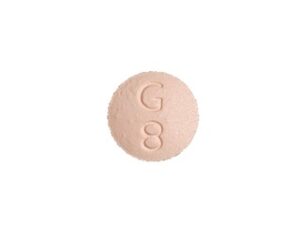


Zomig (Zolmitriptan) – Patient Guide (UK)
Zomig contains the active ingredient zolmitriptan, a medicine used to treat attacks of migraine. This guide explains what Zomig does, how it works in the body, when and how it’s typically taken, and important safety information. It also covers interactions, practical tips, and alternatives available in the United Kingdom.
This information is designed to be patient-friendly and should not replace advice from a healthcare professional.
Basic product information
- Brand name: Zomig
- Active ingredient: Zolmitriptan
- Medicinal class: Triptan (5-HT1 receptor agonist)
- Common forms: Tablets and orodispersible (“melt”) forms depending on availability
- What it’s for: Acute treatment of migraine attacks (with or without aura)
In the UK, zolmitriptan medicines are regulated and supplied through established pharmacy routes. The exact presentation (tablet strength and formulation) may vary by product line.
Indications (what Zomig is used for)
Zomig is used to treat migraine attacks. It is typically used for:
- Migraine with aura (e.g., visual changes, tingling, speech disturbance)
- Migraine without aura
It is an acute medicine—intended to stop or reduce symptoms during an attack. It is not generally used as a daily preventive medicine (though some migraine plans may involve separate preventive treatments).
How Zomig works (mechanism of action)
Migraine attacks involve activation of pain pathways in the brain and changes in blood vessel function. Zolmitriptan works by targeting serotonin (5-hydroxytryptamine, 5-HT) receptors.
Key actions include:
- Stimulates 5-HT1B/5-HT1D receptors in blood vessels and nerves
- Helps reduce migraine-related nerve signalling associated with pain
- May constrict certain dilated cranial blood vessels (helping to relieve headache)
- Can help with associated symptoms such as nausea and sensitivity to light/sound
Zomig tends to be most effective when taken early in the migraine attack.
Pharmacokinetics (how zolmitriptan behaves in the body)
Pharmacokinetics describes absorption, distribution, metabolism, and elimination. While individual responses vary, the following helps explain typical patterns:
Absorption and onset
- Zolmitriptan is absorbed after oral dosing.
- Peak blood levels typically occur within about 1–2 hours (timing may vary by formulation and patient).
Metabolism
Zolmitriptan is primarily metabolised in the liver. Some metabolites may also contribute to activity, depending on the metabolite profile.
Elimination
- Elimination occurs mainly via urine.
- Most of a dose is cleared from the body within a few days, though effective migraine relief is typically determined earlier.
Half-life (general concept)
Zolmitriptan has an elimination half-life in the range commonly reported for this class, supporting dosing intervals that allow for repeat treatment if symptoms return.
If you have liver or kidney impairment, your healthcare professional may advise caution or dose adjustment.
Timing and how to take Zomig during an attack
For best results, take Zomig as early as possible once a migraine headache starts. If you can identify the start of your attack (including aura), you may consider taking it promptly when advised for your situation.
Typical approach during an attack
- Take the first dose when migraine pain begins.
- If symptoms do not improve or return, a second dose may be taken after an appropriate interval.
The exact maximum dose and minimum interval depend on the product strength and local prescribing instructions. Always follow the guidance on the pack or your healthcare professional’s instructions.
If the first dose doesn’t work
Not every migraine responds to triptans. If you find Zomig is not helping consistently, you should discuss options with a healthcare professional. Sometimes a different triptan, a different formulation, or a non-triptan acute treatment may be more effective.
Dosing (general patient information)
Dosing varies by age, previous response, and the specific strength/formulation of zolmitriptan. For safe use:
- Use the dose stated for your particular Zomig product.
- Do not exceed the maximum daily dose.
- Respect the minimum interval before taking a further dose.
Because pack sizes and strengths can differ, it’s best to check your exact Zomig presentation. If you’re unsure about your strength or dosing schedule, speak to a pharmacist.
Common dosing principles for triptans
- Single-attack limits help reduce the risk of medication overuse headache.
- Frequency limits help avoid rebound effects.
A general safety principle: triptans should be used only when needed for migraine attacks and not too often. If you use acute migraine medicines frequently, discuss preventive strategies.
Food interactions
Food can affect how quickly medicines are absorbed in some people. For zolmitriptan, the following practical points are commonly relevant:
- Taking with or without food is usually possible, but an unusually full stomach may delay absorption in some individuals.
- If you have nausea during migraine, swallowing tablets can be harder; an orodispersible (“melt”) option may be easier.
If your migraine symptoms include significant nausea/vomiting, consider asking a pharmacist whether your formulation is suitable and whether an anti-nausea option should be considered as part of your plan.
Alcohol interactions
There is no single “universal” alcohol rule for zolmitriptan, but alcohol may:
- Increase the likelihood of triggering migraine in some people
- Worsen nausea, dizziness, or fatigue, which may occur with migraine or treatment
- Potentially increase risk if you become dehydrated
If you choose to drink alcohol, it’s wise to do so cautiously, especially during a migraine episode. If you notice your migraines or side effects worsen with alcohol, avoid combining alcohol with your acute treatment.
Medicine interactions (important)
Some medicines can interact with zolmitriptan by altering how it is metabolised or by increasing the risk of side effects. Always inform your pharmacist or healthcare professional about all medicines you take, including herbal products.
Triptans and other migraine medicines
- Other triptans: Using multiple triptans close together is generally not recommended.
- Ergot derivatives: Combination with ergot-containing medicines may require caution due to overlapping effects.
Serotonin-related medicines (risk of serotonin-related effects)
Zolmitriptan acts on serotonin receptors. Caution is especially important if you take medicines affecting serotonin levels. This may include:
- SSRIs and SNRIs
- MAO inhibitors (depending on type and timing)
- Other serotonergic medicines
Serious serotonin-related reactions are uncommon, but if you experience symptoms such as agitation, confusion, fever, sweating, tremor, or severe diarrhoea, seek urgent medical advice.
Metabolism (enzymes that may affect zolmitriptan levels)
Zolmitriptan is metabolised by liver enzymes. Certain medicines may raise or lower its blood levels. For example:
- Cimetidine (used for stomach acid) may affect zolmitriptan levels in some cases.
- Medicines that strongly influence relevant metabolic pathways may change effectiveness or side effect risk.
Your pharmacist can review your medicines for potential interactions and advise on spacing and dose limits.
Safety profile (who should be cautious)
Zomig is generally well tolerated when used correctly, but it may not be suitable for everyone. Discuss suitability—especially if you have cardiovascular risk factors or certain medical conditions.
Common side effects
These are typically mild and temporary:
- Tiredness or sleepiness
- Dizziness
- Numbness/tingling sensations
- Head/neck discomfort
- Nausea
- Feeling warm or flushed
Less common but important risks
- Chest or throat tightness (sometimes described as pressure)
- Allergic reactions such as rash or swelling
- Medication overuse headache with frequent use of acute migraine medicines
- Serotonin-related reactions (rare; risk may increase with other serotonergic drugs)
When to seek urgent help
Get urgent medical advice if you experience:
- Severe chest pain, shortness of breath, fainting, or sudden weakness
- Signs of an allergic reaction: swelling of face/lips, wheezing, or widespread hives
- Severe or unusual neurological symptoms
Populations requiring extra caution
- Heart disease or history of stroke/TIA
- Uncontrolled hypertension (high blood pressure)
- Significant liver impairment (dose adjustment may be needed)
- Older adults or those with multiple cardiovascular risk factors
If you have any of the above, speak to a clinician or pharmacist before using zolmitriptan.
Practical use tips for migraine attacks
- Use early: Taking Zomig early in the attack often improves the chance of relief.
- Hydrate if possible: Dehydration can worsen headaches; sip water if you can tolerate it.
- Create a low-stimulation environment: Dark, quiet rooms can reduce migraine sensitivity.
- Track your response: Note how quickly it works, whether nausea improves, and whether you need repeat dosing.
- Avoid overuse: If you need acute migraine medicines frequently, your headache pattern may become harder to treat (medication overuse headache).
- Consider formulation: If swallowing is difficult due to nausea, ask about an orodispersible option if available.
- Know your limits: Follow the maximum daily dose and spacing intervals.
If you’re unsure about what counts as “too frequent” use for your individual plan, ask a pharmacist for guidance.
Alternative options for acute migraine in the UK
There are several categories of medicines and approaches for migraine attacks. Alternatives depend on your symptoms, medical history, and how well triptans work for you.
Other acute medicine options
- Other triptans: e.g., sumatriptan, rizatriptan, naratriptan (availability varies)
- Non-triptan treatments: In some cases, newer options such as CGRP antagonists may be considered (availability and eligibility vary).
- Analgesics/anti-inflammatories: Some people use NSAIDs or paracetamol at appropriate times, especially if triptans aren’t suitable.
- Antiemetics: Medicines to control nausea can help when vomiting affects absorption.
Preventive options (if attacks are frequent)
If you have frequent migraines, preventive strategies may reduce the need for acute medicines. These may include lifestyle measures and preventive medicines under clinical care.
If you want to discuss alternatives, a pharmacist can help compare general categories and point you to suitable options for your situation.
UK market and legal context (overview)
In the United Kingdom, medicines are regulated by the Medicines and Healthcare products Regulatory Agency (MHRA) and supplied in line with UK medicines regulations. Patient access and availability may depend on the specific product, strength, formulation, and the healthcare pathway used to obtain it.
Pharmacy listings online must comply with relevant UK rules for medicines supply, including information requirements for patients and appropriate handling of regulated products.
Product availability can change over time due to supply, packaging, or regulatory updates. If a specific Zomig presentation is not currently shown, contact support for alternatives within the same active ingredient category.
Recent guidance and best-practice points (general)
Migraine care in the UK commonly emphasises:
- Early treatment during attacks
- Limiting acute medicine frequency to reduce risk of medication overuse headache
- Considering preventive treatment when migraines are frequent or disabling
- Reviewing triggers such as stress, irregular sleep, certain foods, dehydration, and missed meals
- Safe medication use, including checking interactions with other medicines
Clinical recommendations can evolve as new evidence becomes available. If your migraine pattern changes or your current treatment stops working, seek updated advice.
Delivery and availability (online pharmacy UK)
When ordering through an online pharmacy, delivery timelines typically depend on:
- Stock availability
- Delivery address and postcode coverage
- Dispatch cut-off times
- Any selected delivery service level
Many pharmacies offer standard and expedited delivery options. Some deliveries may require identity checks depending on product regulation and local policy. You can usually review estimated delivery windows at checkout.
If you need a specific strength or formulation and it’s temporarily unavailable, the pharmacy may suggest an alternative zolmitriptan formulation or a clinically appropriate different acute option.
Comparison table: key patient information
| Topic | What to know about Zomig (zolmitriptan) |
|---|---|
| What it treats | Migraine attacks (with or without aura) |
| How it works | Triptan medicine that activates 5-HT1 receptors to reduce migraine pain signalling |
| When to take | As early as possible during an attack when headache starts |
| Repeat dosing | May be considered if symptoms return; follow minimum interval and maximum dose rules |
| Food | Often can be taken with or without food; a full stomach may delay onset in some people |
| Alcohol | May worsen migraines and side effects; use cautiously and avoid if it triggers your attacks |
| Interactions | Caution with other triptans/ergots and serotonergic medicines; some acid or liver-metabolism affecting drugs can change levels |
| Key safety points | Check suitability for heart disease/certain risk factors; avoid overuse to reduce medication overuse headache risk |
FAQ (Frequently asked questions)
1) How quickly does Zomig work?
Many people notice symptom relief within a few hours. Individual response varies, and early dosing during an attack often improves results. If you regularly experience poor response, discuss alternatives with a pharmacist or clinician.
2) Can I take Zomig with nausea or vomiting?
If you can’t keep tablets down, absorption may be reduced. An orodispersible formulation may help for some people. Consider speaking to a pharmacist about a suitable formulation and whether an anti-nausea option is appropriate.
3) What if I still have pain after the first dose?
If symptoms do not improve or return, a second dose may be used after the recommended interval. Always follow your pack instructions or clinician advice and do not exceed the maximum daily dose.
4) How often can I use Zomig?
Acute migraine medicines should generally not be used too frequently. Frequent use increases the risk of medication overuse headache. If you’re needing acute treatment often, ask for preventive options and a tailored plan.
5) Is it safe to take Zomig more than once in 24 hours?
In many cases, repeat dosing within a day may be allowed under specific conditions (dose/interval limits apply). Check your exact pack guidance and follow the maximum dosing limits for your strength.
6) Can I take Zomig with antidepressants?
Some antidepressants (particularly those affecting serotonin) may require caution. Tell your pharmacist about all medicines you take so they can check for potential interaction risks and advise the safest approach.
7) Can I drink alcohol while using Zomig?
Alcohol may trigger migraines and can worsen side effects like dizziness or nausea. If alcohol tends to trigger your attacks, it may be best to avoid it, especially during an episode.
8) Who should not use zolmitriptan?
Zolmitriptan may not be suitable for people with certain cardiovascular conditions or other specific medical situations. If you have any history of heart problems, stroke/TIA, uncontrolled high blood pressure, or significant liver impairment, consult a pharmacist for suitability.
9) What are the warning signs that I should stop and get help?
Seek urgent medical advice for severe chest pain, breathing difficulties, fainting, swelling of the face/lips, or signs of a serious allergic reaction. If you experience unusual severe symptoms, obtain medical guidance promptly.
10) What if Zomig isn’t working for my migraines?
It may be worth discussing:
- Whether you’re taking it early enough
- Whether your dose and formulation are appropriate
- Alternative triptans or non-triptan acute options
- Whether preventive treatment is needed
Important reminders
- Always follow the instructions on your pack and any advice from healthcare professionals.
- Check interactions by telling your pharmacist about your full medicine list.
- Keep a record of your migraines and how Zomig affects them; this helps with future decision-making.
- Use acute medicines responsibly to reduce the risk of rebound (medication overuse) headaches.
If you have questions about Zomig (zolmitriptan), speak to a pharmacist. They can help you choose the most suitable way to manage your migraine symptoms safely within the UK healthcare context.