

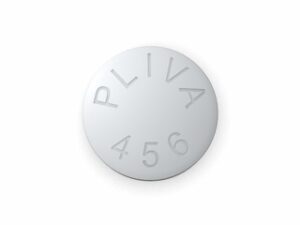

Etodolac (Pain Relief & Anti-Inflammatory Medicine) — Patient Guide (UK)
Etodolac is a medicine in the non-steroidal anti-inflammatory drug (NSAID) family. It is used to relieve pain, inflammation, and stiffness associated with a range of musculoskeletal conditions. This page explains how etodolac works, how it behaves in the body, typical uses, dosing considerations, safety information, and practical tips for safer use in the United Kingdom.
Always read the patient information leaflet that comes with your medicine. If you are unsure whether etodolac is suitable for you—especially if you have other health conditions or take other medicines—speak to a healthcare professional.
Quick Facts
- Medicine name: Etodolac
- Drug type: NSAID (anti-inflammatory painkiller)
- Main benefits: Helps reduce pain and inflammation
- Common conditions: Osteoarthritis, rheumatoid/other inflammatory arthritic conditions, and painful musculoskeletal problems
- How it’s taken: Usually by mouth, typically 1–2 times daily depending on the formulation
- Important safety points: Risk of stomach/intestinal irritation and bleeding; increased cardiovascular risk in some people; kidney and liver monitoring may be relevant
Basic Product Information
Etodolac is available in different formulations depending on the brand and product strength. In the UK, it may be supplied as tablets/capsules with standard or extended dosing instructions.
| Feature | What you should know |
|---|---|
| Drug class | NSAID (anti-inflammatory) |
| Common reason for use | Pain relief and reduced inflammation, especially for joint and musculoskeletal conditions |
| Typical administration | Oral dosing (swallowed tablets/capsules) |
| Onset | Some pain relief may occur within hours; full effect can take days to weeks depending on the condition |
| Duration | May be used short-term for flare-ups or longer-term for chronic arthritis, as advised |
How Etodolac Works (Mechanism of Action)
Etodolac works by reducing the production of certain chemicals in the body involved in pain and inflammation. Like other NSAIDs, it helps inhibit cyclo-oxygenase (COX) enzymes, which are involved in making prostaglandins. Prostaglandins contribute to:
- Pain sensitisation (making pain signals more intense)
- Inflammation (swelling, redness, warmth)
- Fever and inflammatory responses (where relevant)
- Protection of the stomach lining (this is one reason NSAIDs can cause stomach irritation)
By lowering inflammatory prostaglandins, etodolac can improve comfort and mobility in conditions such as arthritis. Because prostaglandins also help protect the gastrointestinal tract and support kidney function, NSAIDs require careful use in people at higher risk.
Pharmacokinetics (How It Behaves in the Body)
“Pharmacokinetics” describes how the body absorbs, distributes, metabolises, and eliminates a medicine. The key points for etodolac include:
- Absorption: Etodolac is absorbed from the gastrointestinal tract after oral dosing. Food may affect the speed and, in some people, the extent of absorption.
- Distribution: It distributes into body tissues, including those involved in pain and inflammation.
- Metabolism: Etodolac is processed by the liver (metabolised). The exact breakdown products vary by person.
- Elimination: The medicine and its metabolites are removed mainly through the kidneys and/or bile. Kidney health can influence how safely it can be used.
- Half-life: The duration of action depends on the specific formulation and individual metabolism. This is why dosing schedules differ between products.
If you have liver disease, kidney impairment, or take interacting medicines, it is especially important to follow dosing advice carefully and discuss suitability with a healthcare professional.
Typical Use in the UK
Etodolac is commonly used to manage pain and inflammation from musculoskeletal conditions, including:
- Osteoarthritis (degenerative joint disease) — for joint pain and stiffness
- Inflammatory arthritis conditions (as advised) — to reduce pain and inflammation
- Other painful musculoskeletal problems — where anti-inflammatory action is needed
The appropriate choice of NSAID can depend on your personal risk factors (stomach bleeding risk, heart disease risk, kidney function, other medicines), symptom pattern, and treatment goals.
Indications (When It May Be Used)
“Indications” refers to medical situations where etodolac is used. In general, etodolac is indicated for:
- Relief of pain and inflammation in arthritis and similar inflammatory musculoskeletal disorders
- Management of symptoms such as reduced mobility and stiffness, particularly in joint conditions
Your clinician should tailor treatment to your diagnosis, symptom severity, and risk profile.
Timing and How to Take Etodolac
The best timing depends on your product’s instructions (standard vs extended dosing) and the schedule agreed with your healthcare professional. As general patient guidance:
- Take it at the same times each day to maintain consistent symptom control.
- If you have been told to take it once daily, choose a time that fits your day and try not to miss doses.
- If you are taking it twice daily, try to space doses evenly (for example, morning and evening).
- Continue for the duration advised. For chronic conditions, ongoing review is important.
With or Without Food?
Etodolac can irritate the stomach lining, so taking it with food may help reduce gastrointestinal side effects for some people. However, the best approach depends on the specific product and your symptoms.
If your instructions are unclear, follow the patient information leaflet supplied with your medicine. If you are prone to indigestion or have previously experienced stomach problems with NSAIDs, discussing a protective strategy with a healthcare professional may be worthwhile.
Dosing Information (General Patient Guidance)
Dosing is individual. Always follow the instructions on your medicine label or provided by your healthcare professional. Factors that influence dosing include age, diagnosis, kidney function, gastrointestinal risk, and any interacting medicines.
Important: Do not increase your dose to “catch up” if you miss one. Seek advice if you are unsure.
Typical dosing patterns
- Once-daily or twice-daily regimens may apply depending on the formulation.
- Lower starting doses may be considered in older adults or those with higher risk of side effects.
- Treatment may be adjusted based on symptom control and tolerability.
If you have kidney disease or are at risk of dehydration, you may need closer monitoring or an alternative treatment plan.
Food Interactions
Food may influence how quickly and how much etodolac is absorbed. In many cases, taking NSAIDs with meals can reduce stomach irritation. Practical considerations:
- Taking with food may help minimise nausea, indigestion, or stomach discomfort.
- Avoid taking on an empty stomach if you have previously had gastric side effects from NSAIDs.
- Stay hydrated, especially if you are unwell (for example, vomiting or diarrhoea), because dehydration can worsen kidney risk with NSAIDs.
There are no universal “forbidden” foods, but your overall diet and hydration can affect safety—particularly for kidney health. If you have reflux, ulcers, or previous gastrointestinal bleeding, discuss timing and protection with a clinician.
Alcohol Interactions
Alcohol can increase the risk of stomach irritation and bleeding when taken with NSAIDs. For safer use:
- Limit alcohol while taking etodolac.
- If you drink regularly, speak with a healthcare professional about the safest approach.
- Avoid heavy drinking, particularly if you have a history of ulcers or gastrointestinal bleeding.
Alcohol can also mask symptoms of side effects, such as dizziness or stomach discomfort, so it’s best to be cautious.
Medicine Interactions (Common Ones to Check)
Etodolac can interact with other medicines. Interactions may increase the risk of side effects or alter effectiveness. Always tell your pharmacist or healthcare professional about all medicines you use, including over-the-counter products, supplements, and herbal remedies.
Notable interaction categories
-
Other NSAIDs (e.g., ibuprofen, naproxen, diclofenac):
Avoid taking multiple NSAIDs together unless specifically advised. -
Aspirin (especially regular or high-dose aspirin):
Ask for advice, as risk may increase depending on dose and reason for taking aspirin. -
Blood thinners (anticoagulants), such as warfarin:
NSAIDs can increase bleeding risk. -
Antiplatelet medicines (e.g., clopidogrel):
May increase bleeding risk when combined with NSAIDs. -
Corticosteroids (e.g., prednisolone):
May increase gastrointestinal side effect risk. -
Selective serotonin reuptake inhibitors (SSRIs) (e.g., sertraline, citalopram):
May increase the risk of gastrointestinal bleeding when combined with NSAIDs. -
Diuretics (“water tablets”) and blood pressure medicines:
Combination can affect kidney function in some people, particularly if dehydrated. -
ACE inhibitors / Angiotensin receptor blockers (ARBs):
May increase kidney risk when NSAIDs are used concurrently, especially in vulnerable patients. -
Some diabetes medicines (certain types of insulin or tablets):
Interaction risk varies; monitoring may be needed. -
Lithium and methotrexate:
NSAIDs may increase levels or side effects of these medicines.
Your pharmacist can check interactions if you provide a list of your current medicines.
Safety Profile (Who Needs Extra Caution)
Etodolac, like all NSAIDs, can cause side effects. Many people tolerate NSAIDs well, but certain risks are important—particularly in older adults and people with other medical conditions.
Common side effects
- Indigestion, heartburn, or stomach discomfort
- Nausea
- Headache
- Dizziness (less common)
- Mild fluid retention (swelling in ankles), in some people
Serious side effects — seek urgent help
Stop using etodolac and seek urgent medical advice if you experience any of the following:
- Signs of stomach bleeding: black/tarry stools, vomiting blood, or coffee-ground vomit
- Severe stomach pain or persistent vomiting
- Allergic reaction: swelling of face/lips, wheezing, severe rash, or difficulty breathing
- Chest pain, sudden shortness of breath, weakness on one side, or sudden speech problems
- Severe skin reactions (rare): blistering rash, peeling skin, or mouth sores
- Kidney problems: reduced urine, significant swelling, or unexplained breathlessness
- Yellowing of the eyes/skin (jaundice), dark urine, or severe fatigue (possible liver issue)
Groups that require extra caution
- History of stomach ulcers or GI bleeding
- Age (risk increases with older age)
- Heart disease or stroke history
- Kidney disease or risk of dehydration
- Uncontrolled high blood pressure
- Asthma triggered by NSAIDs (some people experience NSAID-exacerbated respiratory disease)
- Concomitant medicines that increase bleeding risk (e.g., anticoagulants, antiplatelets, SSRIs)
Practical Use Tips (Safer, More Comfortable Treatment)
The following tips can improve day-to-day comfort and reduce the chance of problems:
- Use the lowest effective dose for the shortest time needed, unless advised otherwise.
- Take with food if you get indigestion or if your leaflet recommends it.
- Do not combine with other NSAIDs unless explicitly instructed.
- Keep hydrated, particularly during hot weather or illness.
- Watch for warning signs (black stools, severe abdominal pain, unusual bruising/bleeding, swelling, reduced urination).
- Review ongoing need: if you are using etodolac regularly, periodic review with a healthcare professional is important.
- Consider non-medicine strategies alongside pain relief: gentle exercise, physiotherapy, weight management (if relevant), supportive footwear, and heat/cold therapy can help reduce flare-ups.
What to Do If You Miss a Dose
If you miss a dose, take it as soon as you remember—unless it is close to the time of your next dose. If it is close, skip the missed dose. Do not take a double dose to make up for it.
Alternative Options
Depending on your condition and risk factors, alternatives may include:
Other NSAIDs
- Some people switch between different NSAIDs (e.g., ibuprofen, naproxen, diclofenac) based on tolerability and response.
Non-NSAID pain relief
- Paracetamol (acetaminophen) may be considered for pain where anti-inflammatory action is not essential.
Topical treatments
- Topical NSAIDs (gels/creams) can help localised joint pain with less systemic absorption than tablets in many cases.
Condition-specific options
- For inflammatory arthritis, longer-term disease management may involve specialist medicines and tailored treatment plans.
Your best alternative depends on your symptoms and your individual safety profile (stomach, kidney, heart risk, and other medicines). A pharmacist or clinician can help you compare options.
Market & Legal Context for the United Kingdom
In the UK, medicines are regulated by the Medicines and Healthcare products Regulatory Agency (MHRA). Availability and classification (for example, prescription-only or pharmacy-only routes) depend on factors such as strength, formulation, and clinical risk.
NSAIDs including etodolac are subject to ongoing monitoring and guidance from UK medicines safety authorities, and prescribing/ supply information is updated as new evidence becomes available. Patient safety warnings and patient information leaflets provide important details about risks and correct use.
Recent Guidance (General NSAID Safety Messaging in the UK)
UK safety communications over recent years have emphasised consistent themes for NSAID use, including:
- Minimise GI risk by using the lowest effective dose and considering appropriate protective strategies where needed.
- Assess cardiovascular risk, especially in people with existing heart disease or stroke risk factors.
- Consider kidney safety, particularly in older adults, those with dehydration risk, or those taking certain medicines.
- Avoid stacking NSAIDs (taking two oral NSAIDs together).
- Encourage medicines review for long-term use.
Local NHS and professional guidance may vary by setting and individual patient risk, so follow the advice provided to you.
Delivery and Availability (Online Pharmacy UK)
Etodolac availability can vary depending on manufacturer and stock levels. If you order online, your pharmacy will typically dispatch your medicine according to the delivery options shown at checkout.
- Dispatch times: Often same day or next day where stock is available (varies by provider).
- Delivery options: Standard and express options may be available.
- Packaging: Medicines are supplied in original packaging with patient information.
- Cold chain: Etodolac tablets/capsules are generally not temperature-sensitive in the way that some biologics are, but always follow handling instructions on the pack.
If you need help choosing a product strength or formulation, contact customer support or speak to a pharmacist.
FAQ
1. What is etodolac used for?
Etodolac is used to relieve pain and inflammation, most commonly for arthritis-related symptoms and other painful inflammatory musculoskeletal conditions. It can reduce stiffness and improve mobility.
2. How quickly does etodolac work?
Some pain relief may begin within a few hours. For chronic conditions such as arthritis, noticeable improvement often develops over several days, and maximum benefit may take longer. If there is no improvement or symptoms worsen, seek advice.
3. Can I take etodolac with food?
Many people find that taking NSAIDs with food reduces stomach irritation. Follow the instructions in your leaflet and on your product label.
4. Can I take ibuprofen or naproxen with etodolac?
In general, you should avoid combining NSAIDs (such as ibuprofen or naproxen) with etodolac unless a clinician tells you to. Taking multiple NSAIDs increases risk of stomach bleeding, kidney problems, and other NSAID-related side effects.
5. Are there foods or supplements I should avoid?
There are no universal “forbidden” foods, but avoid excessive alcohol and maintain hydration. If you take supplements such as fish oil, vitamin E, or herbal products, ask a pharmacist—some can affect bleeding risk or interact indirectly.
6. Is it safe to drink alcohol while taking etodolac?
Alcohol can increase the risk of stomach irritation and bleeding. It’s best to limit alcohol and avoid heavy drinking while you are taking etodolac. Seek advice if you have a history of ulcers or GI bleeding.
7. Who should not take etodolac?
Etodolac may not be suitable for some people, including those with a history of NSAID-related allergic reactions, active stomach ulcers, significant kidney disease, or certain high-risk cardiovascular conditions. Your pharmacist or clinician can advise based on your medical history.
8. What side effects should I watch for?
Common side effects include indigestion and nausea. Seek urgent help if you notice signs of stomach bleeding (black stools, vomiting blood), allergic symptoms (swelling, wheezing), chest pain, severe breathlessness, or reduced urination.
9. What if I have kidney problems or dehydration?
NSAIDs can affect kidney function, especially when you are dehydrated (for example, during diarrhoea or vomiting). If you become unwell, contact a healthcare professional for advice on continuing NSAIDs.
10. What alternatives can help with arthritis pain?
Alternatives include other NSAIDs, topical treatments, or paracetamol depending on symptoms and safety profile. Non-medicine strategies such as physiotherapy, exercise, weight management, and heat/cold therapy can also be beneficial.
11. When should I seek medical advice urgently?
Seek urgent advice if you experience severe stomach pain, signs of bleeding, an allergic reaction, chest pain, stroke-like symptoms, or signs of kidney problems such as major reduction in urine or significant swelling.
12. How do I store etodolac?
Store according to the label/leaflet instructions. Keep medicines in their original packaging and out of sight and reach of children. Do not use after the expiry date.