Adapalen (Topical) – Patient-Friendly Guide for the UK
Adapalen is a medicine used on the skin to help improve acne and other conditions linked to blocked pores and abnormal skin cell shedding. It belongs to the retinoid group of medicines, and when used consistently it can help reduce the number of spots and help prevent new breakouts.
This guide explains how Adapalen works, how to use it safely, what to expect during treatment, and important safety information. It is written for people in the United Kingdom and covers practical tips, interactions, and common questions.
Basic product information
- Active ingredient: Adapalene
- Medicine type: Topical (applied to the skin) retinoid
- Common strengths: Often available as gels or creams, including 0.1% adapalene (formulations vary by brand)
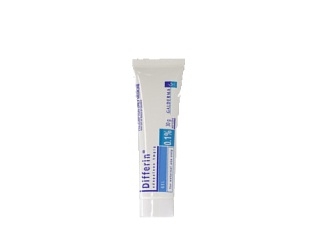
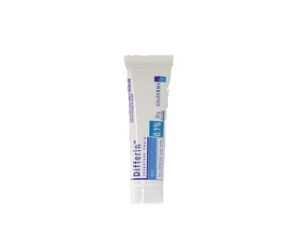
- How it’s supplied: Typically packaged as a tube or pump (depending on brand)
- Common conditions treated: Acne, particularly comedonal (blackheads/whiteheads) and inflammatory acne
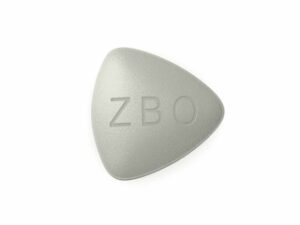
Note: Product appearance, excipients (inactive ingredients), and exact strength can vary between brands. Always check the label and patient information leaflet (PIL) provided with your specific product.
What Adapalen does (mechanism of action)
Adapalen is a topical retinoid that works mainly in the skin’s pores. It helps to:
- Prevent clogged pores by normalising the process of skin cell turnover inside the follicle.
- Reduce inflammation associated with acne (it helps calm inflammatory pathways in the skin).
- Promote clearer, smoother skin over time by supporting healthier formation of the outer layer of skin.
Acne often forms when pores become blocked and inflamed. By addressing this process, Adapalen can reduce both existing lesions and the likelihood of new ones.
Pharmacokinetics (how the body handles it)
Because Adapalen is applied to the skin, absorption into the bloodstream is low when used as directed.
- Skin absorption: Limited systemic absorption under normal use.
- Metabolism: Any absorbed portion is processed by the body’s normal metabolic pathways.
- Elimination: The absorbed fraction is eventually cleared from the body.
Practical meaning for patients: With topical use, systemic effects are unlikely for most people, but you should still follow safety advice—especially if you have sensitive skin, use large amounts, or combine with other strong acne treatments.
Typical use in the UK
Adapalen is commonly used for acne vulgaris, particularly:
- Comedonal acne: blackheads and whiteheads
- Mild to moderate inflammatory acne: papules, pustules, and mixed acne
It may also be recommended as part of a skincare routine in long-term management to help reduce flare-ups.
When to use it (timing and routine)
Most people use topical Adapalen in the evening, because it can be more compatible with avoiding sun exposure and because it may reduce disruption during the day.
Common routine (example)
- Cleanse: Use a gentle cleanser and pat the skin dry (avoid scrubbing).
- Apply a thin layer: Cover acne-prone areas lightly; do not “spot treat” too thickly.
- Moisturise (optional but often helpful): Apply a non-comedogenic moisturiser if your skin feels dry.
- Nightly consistency: Use regularly as directed (often once daily at first).
Important: Avoid applying to areas of broken skin, eczema patches, or around eyes, lips, and corners of the nose unless your clinician or PIL specifically advises otherwise.
How much to use (dosing guidance)
For topical adapalene, dosing is usually described by a thin layer.
- Typical amount: A small amount for the entire affected area (for example, a pea-sized quantity can be sufficient for a face).
- Frequency: Usually once daily (often in the evening).
- Progressive adjustment: If skin becomes irritated, you may need to use it less frequently at first (for example, every other night) before returning to daily use.
Do not: Use extra amounts to speed results—this can increase irritation and does not reliably improve outcomes.
Food interactions
No clinically significant food interactions are expected with topical adapalene because systemic absorption is low. Your diet does not generally affect how the medicine works.
If you are using other acne medicines (especially oral treatments), those may have different interaction profiles—always check the advice for each product you use.
Alcohol and medicine interactions
Because Adapalen is applied to the skin and only minimally absorbed, direct alcohol interactions are not expected. However, alcohol may indirectly affect skin health by:
- Increasing dehydration
- Worsening inflammation or dryness for some people
Tip: If you notice your skin flares after alcohol, consider limiting it and focus on moisturising and gentle cleansing.
Medicine interactions (topical combinations and skincare)
Although systemic interactions are unlikely, combining products on the skin can increase irritation or reduce tolerability.
Use caution with (unless advised otherwise)
- Other strong acne treatments such as benzoyl peroxide, salicylic acid, or strong exfoliants (may be used together in some regimens, but starting gradually is key)
- Topical antibiotics (often used in acne care; tolerability varies)
- Products with alcohol/strong fragrance that may dry or irritate the skin
- Scrubs, peels, or frequent physical exfoliation
How to reduce irritation when using multiple actives
- Introduce one active at a time.
- Use moisturiser to buffer dryness.
- Consider alternating nights if your skin is sensitive.
- Apply “acne actives” to dry skin and moisturiser after (or sandwich method—see below).
Indications (what it is used for)
Adapalen is indicated for the treatment of acne vulgaris. It is particularly useful when the acne involves blocked pores (comedones) and can also help with inflammatory lesions.
Your specific diagnosis, severity, and skin type determine whether it is suitable alone or as part of a combination plan.
What to expect: treatment timeline
Topical retinoids usually take time. People often experience an initial period of adjustment.
- First 1–2 weeks: Skin may feel dry, warm, slightly itchy, or more “reactive.”
- First month: Breakouts can sometimes seem worse before they improve (sometimes called “purging,” especially with comedonal acne).
- By 8–12 weeks: Clearer improvement is often seen.
- Ongoing: Continued regular use helps maintain benefits and prevent recurrence.
When to seek advice: If irritation is severe, you develop a rash, blistering, or you can’t tolerate the product, stop and seek guidance from a pharmacist or clinician.
Safety profile and who should be cautious
Adapalen is generally well tolerated when used as directed, but it can cause skin irritation—especially early on or if applied too frequently/thickly.
Common side effects
- Dryness or peeling
- Redness
- Stinging or burning
- Itching
- Skin irritation
Less common but important
- Severe irritation or dermatitis
- Allergic reactions (e.g., swelling, widespread rash)
- Worsening symptoms that do not improve with dose reduction
Seek urgent advice if
- You have difficulty breathing, significant swelling, or widespread hives.
- You develop severe blistering, oozing, or painful skin.
Practical use tips (how to get the best results with less irritation)
“Less is more” application
Apply a thin layer. A thicker layer usually causes more irritation without improving results.
Clean, dry skin
- Wash gently.
- Pat dry fully before applying.
Moisturiser support
Using a non-comedogenic moisturiser can significantly improve comfort and help you stay consistent.
Sandwich method (optional)
If your skin is sensitive, you may reduce irritation by moisturising lightly before and/or after adapalene. For example:
- Moisturiser (thin layer) → adapalene → moisturiser (if needed)
Sun protection is essential
Retinoids can increase sensitivity. Use:
- Broad-spectrum SPF 30–50
- Hats and shade when possible
- Avoid sunbeds
Handling missed or irritated treatment
- If you miss a dose, apply the next dose at the usual time.
- If irritation flares, pause for a few days or reduce frequency (e.g., every other night) and seek advice if needed.
Alcohol and lifestyle considerations for acne
Acne can be influenced by many factors. While adapalene doesn’t typically interact with alcohol, lifestyle choices can affect skin flare-ups.
- Hydration: Keep skin moisturised and hydrated.
- Sleep and stress: Poor sleep and stress can worsen inflammation.
- Gentle cleansing: Over-washing can make dryness worse.
If you use alcohol and notice a consistent pattern of skin flare-ups, consider reducing alcohol intake and focusing on a moisturiser-led routine.
Alternative options (if Adapalen isn’t suitable or you need another approach)
Several other topical and non-topical treatments are commonly used for acne in the UK. Your best choice depends on acne type (comedonal vs inflammatory), severity, skin sensitivity, and personal circumstances.
Common topical alternatives
- Benzoyl peroxide: Helps reduce acne bacteria and inflammation; can be drying and may bleach fabrics.
- Salicylic acid: Helps exfoliate and unclog pores; may suit those who prefer gentle chemical exfoliation.
- Topical antibiotics (often with other agents): Used in selected cases; reducing long-term resistance is a consideration.
- Azelaic acid: Can help with acne and marks; usually well tolerated by sensitive skin.
Non-topical options (for more persistent or severe acne)
- Oral antibiotics in appropriate cases
- Hormonal treatments for selected individuals
- Isotretinoin for severe, treatment-resistant acne (specialist-led)
Important: If you’re considering changes or combination regimens, it’s often safest to introduce one product at a time and discuss with a healthcare professional or pharmacist.
Market and legal context in the United Kingdom
Acne treatment is widely available in the UK, with a combination of over-the-counter skincare products and medicines supplied under medical assessment, depending on strength and indication.
Topical adapalene availability may differ between brands and strengths. Some products may be available in the community while others may be restricted by regulation or require professional input. The suitability of Adapalen also depends on:
- Age and skin status
- Pregnancy or planning pregnancy considerations
- Use of other acne medicines
- Presence of eczema or damaged skin barriers
Recent guidance: UK acne management often emphasises early, consistent topical therapy; gentle skin care; and avoiding unnecessary irritation. It also encourages appropriate escalation when acne does not respond after a reasonable trial period (commonly around 8–12 weeks for topical treatments).
Delivery and availability (UK)
Adapalen products are commonly stocked online by UK pharmacies and skincare medicine retailers, depending on brand and strength. Availability can vary by:
- Current stock levels
- Product format (gel vs cream)
- Strength (e.g., 0.1%)
- Delivery zone and shipping schedules
Typical delivery options offered by online pharmacies in the UK may include standard delivery and faster services. Delivery times can be affected by weekends, public holidays, and carrier capacity.
When ordering, double-check:
- Strength and formulation (gel/cream)
- Quantity (tube size)
- Expiry date (if displayed)
If your order is time-sensitive, choose the appropriate delivery option at checkout.
Practical safety checklist before you start
- Patch awareness: If you have very sensitive skin, start slowly as advised.
- Avoid damaged skin: Do not apply to cuts, abrasions, or sunburn.
- Keep it away from eyes/lips: Rinse thoroughly with cool water if contact occurs.
- Use moisturiser and SPF: Helps reduce irritation and sensitivity.
- Be patient: Give it enough time to work (often 8–12 weeks).
FAQ about Adapalen
1) How long does it take for Adapalen to work?
Many people start noticing improvement after 6–8 weeks, with more noticeable results by 8–12 weeks. Some early worsening or “purging” can occur, particularly in comedonal acne.
2) Can I use Adapalen with moisturiser?
Yes. In fact, moisturiser can improve comfort and reduce dryness. Choose a non-comedogenic moisturiser. If irritation is significant, consider the sandwich method.
3) What if my skin becomes very dry or irritated?
Reduce how often you apply it (for example, use every other night), use moisturiser more regularly, and avoid additional irritating products. If severe irritation persists, stop and seek advice from a pharmacist or clinician.
4) Should I use Adapalen in the morning or evening?
Many people use it in the evening. Follow the directions in the PIL for your product. Consistency is key; don’t double up if you miss a dose.
5) Can I use sunscreen while using Adapalen?
Yes, and it’s strongly recommended. Adapalene can increase sensitivity to sunlight. Use broad-spectrum SPF and reapply if you’re outside for extended periods.
6) Does Adapalen bleach clothes or towels?
Adapalene itself is less known for bleaching than some acne products (notably benzoyl peroxide). However, any topical acne products can potentially stain fabrics depending on formulation. Keep an eye on the product’s behaviour and let it fully dry before contact with clothes or bedding.
7) Are there food interactions?
With topical adapalene, food interactions are not typically expected because systemic absorption is low.
8) Can I drink alcohol while using Adapalen?
There are no widely expected direct interactions between topical adapalene and alcohol. If alcohol affects your skin or worsens irritation, consider reducing intake and focus on moisturising and gentle skincare.
9) Can I combine Adapalen with benzoyl peroxide or salicylic acid?
Some acne regimens combine actives, but irritation risk can increase. If you want to combine products, introduce changes gradually and consider alternating nights. If you are unsure, ask a pharmacist for advice.
10) What should I do if Adapalen gets in my eyes?
Rinse immediately with cool water for several minutes. If irritation continues, seek medical advice.
Summary
Adapalen is a topical retinoid used to treat acne vulgaris by helping to normalise pore lining and reduce inflammation. When applied as a thin layer consistently—often in the evening—and supported with moisturiser and sunscreen, it can help improve acne over time. Most people experience some degree of dryness or irritation early on, but careful, patient use and gradual adjustment often improve tolerability.
If you have concerns about side effects, compatibility with other acne products, or suitability for your personal situation, speak to a pharmacist for guidance before continuing.