
Oxybutynin (Oral/Transdermal) — Patient Guide (UK)
Oxybutynin is a medicine used to treat overactive bladder (OAB) symptoms such as urgency, frequent urination and, in some people, urge incontinence. It works by relaxing certain bladder muscle activity. This guide explains how it works, typical uses, timing, interactions (including with food, alcohol and other medicines), dosing principles, safety considerations, practical tips, and what to expect when using oxybutynin in the United Kingdom.
| Product overview | Key points |
|---|---|
| Generic name | Oxybutynin |
| What it is used for | Overactive bladder symptoms (urgency, frequency, urge incontinence) |
| Common forms | Tablets (including immediate and modified release forms) and patches (transdermal) |
| How it works | Antimuscarinic/anticholinergic effect on bladder signalling |
| Typical onset | Often within days, with clearer benefit over 1–2 weeks |
| Common side effects | Dry mouth, constipation, blurred vision, dizziness, tiredness |
| UK availability | Widely used; availability depends on brand, strength and formulation |
Basic product information
Oxybutynin is an antimuscarinic medicine (also called an anticholinergic). It reduces abnormal bladder contractions by blocking certain nerve signals that stimulate bladder muscle activity.
In the UK, oxybutynin is commonly available as:
- Tablets (different release types exist, which affect dosing frequency)
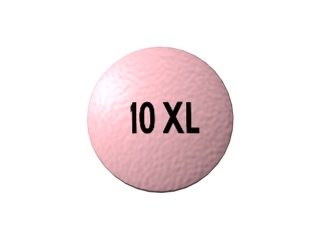
- Modified-release tablets (often taken less frequently than immediate-release forms)
- Transdermal patches (placed on the skin for sustained release)
Important: Dosing and timing depend on the formulation and strength. Always follow the specific instructions provided with your product.
Mechanism of action
In overactive bladder, the bladder may contract too often and too strongly, leading to:
- Urgency (a sudden, difficult-to-delay need to urinate)
- Frequency (needing to pass urine more often than usual)
- Urge incontinence (leakage soon after feeling the urge)
Oxybutynin works primarily by blocking muscarinic receptors (antimuscarinic effect) involved in bladder signalling. This helps:
- Reduce involuntary bladder contractions
- Increase bladder filling capacity
- Reduce urgency episodes
It may also have a mild muscle-relaxing effect that contributes to symptom control.
Pharmacokinetics (how the body processes oxybutynin)
“Pharmacokinetics” describes what happens to a drug after you take it—how it is absorbed, distributed, metabolised and removed from the body.
- Absorption: After oral dosing, oxybutynin is absorbed from the gut. Modified-release products release the medicine more slowly.
- Distribution: Oxybutynin spreads through body tissues, including the bladder and, to a degree, the central nervous system.
- Metabolism: Oxybutynin is extensively metabolised in the liver. A significant amount is broken down into metabolites, some of which may contribute to effects or side effects.
- Elimination: The metabolites are removed mainly via the kidneys.
- Transdermal formulation: With patches, absorption occurs through the skin, which may reduce peak blood levels compared with some oral forms.
Because metabolism and absorption can differ between people and between formulations, side effects and symptom improvement can vary.
Typical use (what it treats)
Oxybutynin is used to treat overactive bladder symptoms in adults and sometimes in selected patient groups depending on local product licences and clinical judgement.
It is used when:
- Bladder training and lifestyle changes are not enough, or
- Symptoms significantly affect daily life, quality of life, sleep, or safety.
Oxybutynin may be used under healthcare supervision for other bladder conditions in specific circumstances; if you have been offered oxybutynin for a particular reason, check the product information provided with your medicine.
When it starts working and timing tips
Many people notice a change in symptoms within a few days. For others, improvement takes 1–2 weeks as the body adjusts and bladder patterns settle.
Timing depends on the formulation:
- Immediate-release tablets: Usually taken multiple times a day (exact schedule varies by product).
- Modified-release tablets: Typically once daily dosing is used for these products.
- Patches: Applied on a schedule (commonly every few days, depending on the specific patch type).
Practical timing advice:
- If you feel sleepy or dizzy, consider discussing whether evening dosing is more suitable.
- If symptoms are worst at night (nocturia), timing may be adjusted by your clinician depending on formulation.
- Be consistent—taking doses at the same times can help reduce “ups and downs” in symptom control.
Food interactions
Food generally does not cause dramatic interactions with oxybutynin, but it can influence how quickly you absorb oral medicines and how they feel in your stomach.
- Oral tablets: Many people take oxybutynin with or without food. If your stomach is sensitive, taking it with food may help.
- Avoid missing doses: If a dose is missed, do not double up to make up for it—follow the instructions in the product leaflet or seek advice.
Key practical point: If you are taking a modified-release product, try to swallow tablets whole and avoid crushing unless the product leaflet permits it. Altering the tablet can change how the medicine releases.
Alcohol interactions
Oxybutynin can cause side effects such as dizziness, tiredness and blurred vision in some people. Alcohol can worsen these effects.
- Recommendation: Limit alcohol or avoid it if you notice increased drowsiness, dizziness or impaired coordination.
- Driving and machinery: Do not drive or operate machinery if you feel unwell or have blurred vision/dizziness.
If you drink alcohol regularly or have episodes of heavy drinking, discuss with a healthcare professional to ensure oxybutynin is safe for your situation.
Medicine interactions (including common interactions)
Because oxybutynin has antimuscarinic effects, it can interact with other medicines that also have anticholinergic or sedative properties.
Medicines that may increase anticholinergic burden
- Other antimuscarinics (for example, some treatments for bladder or bowel conditions)
- Certain antihistamines (especially older “sedating” antihistamines)
- Some antidepressants (particularly tricyclic antidepressants)
- Some antipsychotics
- Medicines used for Parkinson’s disease that have anticholinergic effects
Combining such medicines can increase the risk of:
- Dry mouth
- Constipation and blocked bowels
- Urinary retention
- Confusion or drowsiness (especially in older adults)
- Blurred vision
Medicines that affect the liver enzymes
Oxybutynin is metabolised in the liver. Some medicines may affect liver enzymes and could alter oxybutynin levels, potentially increasing side effects or reducing benefit.
If you take any regular medicines, including medicines “over the counter” (such as sleep aids or allergy products), it’s important to check compatibility with a healthcare professional or pharmacist.
Other considerations
- Constipation risk: If you take medicines that cause constipation, this may worsen with oxybutynin.
- Glaucoma: People with certain eye conditions may need extra caution (see safety profile).
- Prostate enlargement/urinary obstruction: Oxybutynin can potentially make emptying the bladder more difficult (see safety profile).
Indications and suitability (who may benefit)
Oxybutynin is indicated for the management of overactive bladder symptoms, including:
- Urgency
- Increased frequency
- Urge incontinence
It may be considered when lifestyle measures and bladder training are insufficient. Suitability depends on medical history and risk factors.
Extra caution is often needed if you have:
- Urinary retention or difficulty passing urine
- Significant constipation or a history of bowel problems
- Gastrointestinal obstruction or severe reflux symptoms
- Uncontrolled narrow-angle glaucoma (angle-closure glaucoma)
- Myasthenia gravis
- Cognitive impairment/dementia or increased risk of confusion (especially in older adults)
- Severe heart conditions or rhythm problems (caution due to possible effects on the body’s systems)
Dosing guidance (principles and typical schedules)
Dose is individualised based on symptoms, tolerability and the specific formulation. Always use the product label and any clinical instructions you have been given.
General dosing principles
- Start low, go slow: Many clinicians begin with a lower dose to reduce side effects and then adjust if needed.
- Modified-release may reduce peaks: Extended/modified-release versions may cause fewer “spiky” side effects for some people.
- Patch dosing differs: Transdermal patches follow their own application schedule and strength.
- Review regularly: If there is no meaningful benefit after a reasonable trial, your clinician may reassess the treatment plan.
Typical dose schedules (examples)
Because formulations differ, the exact schedule depends on the product you have. Below are illustrative examples of how dosing is often structured:
- Immediate-release tablets: Often taken more than once daily
- Modified-release tablets: Often once daily
- Patches: Applied on a set number-of-days cycle (commonly every 3–4 days depending on patch type)
If you tell us the exact strength and formulation (for example, “5 mg immediate-release” or “10 mg modified-release” or the patch strength), we can help you interpret the label timing more precisely.
Missed dose
- If you miss a dose, take it when you remember unless it is close to the next dose.
- Do not double to catch up—follow the patient leaflet instructions for your particular product.
Safety profile and side effects
Like all medicines, oxybutynin can cause side effects. Many are manageable and may improve as your body adjusts.
Common side effects
- Dry mouth
- Constipation or harder stools
- Blurred vision
- Dizziness or feeling light-headed
- Tiredness or drowsiness
- Headache
- Nausea
Skin-related side effects (patches)
- Localised skin irritation, redness or rash where the patch is applied
- Itching or discomfort
Serious side effects (seek urgent medical advice)
Contact urgent medical help if you experience:
- Signs of an allergic reaction (swelling of face/lips, severe rash, breathing difficulty)
- Severe constipation, abdominal pain, vomiting, or inability to pass stool/gas
- Inability to urinate or significant difficulty emptying the bladder
- Severe confusion, hallucinations or significant sudden worsening in mental state
- Severe eye pain, eye redness or vision changes (especially relevant if you have glaucoma)
Special safety notes
- Older adults: Antimuscarinic medicines can affect cognition. If you or a family member notices confusion or memory changes, seek prompt advice.
- Heat: Oxybutynin can reduce sweating in some people. Avoid overheating and take care during hot weather or exercise.
- Driving: If you feel drowsy or your vision is blurred, do not drive.
Practical use tips (make it easier to take)
- Manage dry mouth: Sip water regularly, choose sugar-free drinks, and consider sugar-free sweets/gum. Your pharmacist may suggest saliva substitutes.
- Support bowel function: Maintain fibre intake, stay hydrated, and monitor bowel habits. If you become constipated, discuss options early rather than waiting.
- Watch your urinary habits: Report symptoms suggesting incomplete bladder emptying (hesitancy, weak flow, feeling unable to fully empty).
- Patch care (if using patches):
- Apply to clean, dry, hairless skin
- Rotate application sites
- Do not apply on irritated skin
- Follow instructions on whether to bathe/swim with the patch
- Medication review: Bring your current medicine list to appointments, including over-the-counter products (cold remedies, allergy tablets, sleep aids, anti-nausea treatments).
Alternative options for overactive bladder
If oxybutynin is not suitable or symptoms are not controlled, there are alternatives. Choice depends on your health, side effects, symptom pattern and preferences.
Other medicines (examples)
- Other antimuscarinics: Some people switch to a different antimuscarinic to improve tolerability.
- Beta-3 adrenoceptor agonists: In some patients, these may be considered and can be an alternative to antimuscarinic therapy (depending on availability and clinical appropriateness).
Non-medicine approaches
- Bladder training and timed voiding
- Pelvic floor exercises (often via continence physiotherapy)
- Fluid and caffeine management
- Managing constipation, which can worsen urinary symptoms
Procedures (specialist options)
- Botulinum toxin (botox) injections into the bladder in selected cases
- Neuromodulation therapies (specialist-led)
Your healthcare team can discuss the most appropriate pathway for your symptoms and risk factors.
Market and legal context in the United Kingdom
In the UK, medicines are regulated and supplied in line with national safety frameworks. Oxybutynin is a long-established medicine and is used widely for bladder symptom control. Pharmacy supply depends on the product type, formulation and licensing details, as well as the patient’s medical situation.
Online pharmacies typically require appropriate patient checks and safe supply processes in line with UK medicines regulations and pharmacy standards. If you have questions about eligibility, product selection (tablet versus patch), or suitability given your medical history, speak with a pharmacist or use the online consultation tools if available.
Recent guidance and clinical approach (UK context)
Guidance for overactive bladder in the UK generally follows a stepwise approach:
- Assess symptoms and rule out reversible causes (for example, urinary infection, medication-related effects, mobility issues).
- Start with conservative measures such as bladder training and lifestyle adjustments.
- Use medicines when symptoms persist, balancing symptom relief against side effects.
- Review regularly to check effectiveness and tolerability, adjusting therapy or switching if needed.
Antimuscarinic medicines like oxybutynin are commonly used, but clinicians may consider the individual risk of side effects—particularly in older adults or people with cognitive impairment—when deciding whether to continue or switch.
Delivery and availability (online pharmacy)
Oxybutynin availability can vary by formulation (immediate-release tablets, modified-release tablets, and patches), strength and brand. When ordering online in the UK, typical considerations include:
- Stock levels: Some strengths or patch sizes may have variable availability.
- Packaging formats: Tablets and patches may come in different pack sizes.
- Dispatch times: Delivery time depends on the supplier and courier service.
Most online pharmacies provide updates at checkout and may send dispatch notifications by email or app. If your required formulation is unavailable, some pharmacies can suggest suitable alternatives or help you switch products safely under guidance.
FAQ (frequently asked questions)
1) What is oxybutynin used for?
Oxybutynin is used to treat overactive bladder symptoms—most commonly urgency, frequent urination and sometimes urge incontinence.
2) How quickly will it work?
Some people notice improvement within a few days. For many, clearer benefit develops over 1–2 weeks. If you feel no benefit after a sufficient trial, speak to a healthcare professional about adjusting treatment.
3) What are the most common side effects?
Dry mouth, constipation, blurred vision, dizziness and tiredness are among the most common. Side effects are often dose-related and may improve with adjustment.
4) Can I take oxybutynin with food?
Often, yes. If it upsets your stomach, taking it with food may help. For modified-release products, follow the instructions carefully to avoid changing how the medicine releases.
5) Can I drink alcohol while taking it?
Alcohol can worsen dizziness, drowsiness and blurred vision. If you drink, keep it modest and avoid alcohol if you notice increased side effects.
6) Will oxybutynin make me constipated?
It can. Drink enough fluids, eat fibre and monitor bowel movements. If constipation becomes severe or you cannot pass stool, seek medical advice promptly.
7) Is oxybutynin safe for older people?
Many older adults can use oxybutynin, but the risk of confusion, drowsiness and constipation may be higher. If you or a relative notices new confusion or a significant change in mental state, get advice urgently.
8) What if I have glaucoma?
Oxybutynin may be unsuitable for some types of glaucoma. If you have glaucoma (especially narrow-angle glaucoma), discuss with a pharmacist or clinician before using.
9) How do patches compare with tablets?
Patches deliver oxybutynin through the skin and may reduce some peak-related side effects for some people. Patch irritation can occur, and proper application technique is important.
10) What should I do if I miss a dose?
Follow the patient leaflet for your specific product. In general, do not double up to make up for a missed dose. If you are unsure, ask a pharmacist for guidance.
11) What are the “red flag” symptoms to watch for?
Seek urgent help for allergic reaction symptoms, severe constipation or abdominal pain, inability to urinate, significant confusion/hallucinations, or severe eye pain/vision changes.
Need help choosing the right formulation?
If you are unsure whether you should use tablets or patches, or you want to reduce side effects, ask your pharmacist. They can also help you review your current medicines to check for interaction risks and suggest practical strategies to support comfort and effectiveness.
Always read the patient information leaflet supplied with your medicine and seek professional advice if you have concerns or develop troublesome side effects.