
Actigall® (Ursodeoxycholic Acid) – Patient Guide (UK)
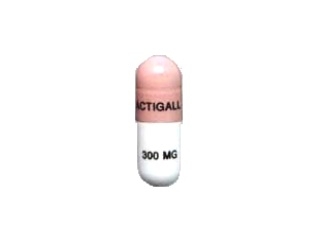
Actigall is a medicine containing ursodeoxycholic acid (UDCA), a naturally occurring bile acid. It is used to treat certain liver and gallbladder conditions where improving bile flow and reducing the burden of cholesterol-rich bile can help. This guide explains what Actigall does, how it works in the body, when and how to take it, common safety considerations, and where it fits in treatment options in the United Kingdom.
Always follow the instructions provided with your medicine. If you have questions about your specific condition or how Actigall fits into your treatment plan, speak with a healthcare professional.
1. Basic product information
| Information | Details |
|---|---|
| Active ingredient | Ursodeoxycholic acid (UDCA) |
| Brand name | Actigall® |
| What it is | Bile acid medicine |
| How it’s used | Oral tablets or capsules (strength and form may vary by product) |
| Typical treatment length | Often months to years depending on the condition |
| Monitoring | Liver blood tests and clinical review are commonly used to check response |
2. How Actigall works (mechanism of action)
Actigall contains ursodeoxycholic acid, which is a bile acid that helps improve the environment inside the bile ducts and gallbladder. Its key actions include:
- Improving bile composition: UDCA can shift the balance of bile acids, making bile less harmful to the lining of the bile ducts.
- Helping reduce cholesterol saturation in bile: This may help dissolve certain types of gallstones over time (typically cholesterol stones).
- Protecting bile duct cells: UDCA is thought to reduce the damaging effects of more toxic bile acids on the biliary system.
- Supporting bile flow: By improving bile’s properties, it may reduce cholestasis-related symptoms in certain liver conditions.
In practice, the benefit of Actigall depends on the underlying diagnosis—some conditions respond better than others, and response is usually assessed through symptoms and blood tests.
3. Pharmacokinetics – what happens in the body
After swallowing Actigall, UDCA is absorbed in the small intestine. It then circulates in the bloodstream and is taken up by the liver, where it is secreted into bile. Once in the bile, it can:
- Contribute to the bile acid pool and help rebalance bile composition.
- Be partially reabsorbed in the intestine (enterohepatic circulation), allowing it to remain active over time.
- Undergo metabolism in the gut and liver, forming derivatives that contribute to its overall effect.
Onset of effect: If Actigall is used for gallstone dissolution, changes are gradual and may take many months. For liver-related conditions, improvements in blood tests or itch may also take time. Do not expect rapid symptom resolution in the first days.
4. Typical uses (indications) in the UK
Actigall is used for specific bile-related disorders. Common indications include:
- Dissolution of certain cholesterol gallstones in patients where surgery is not suitable or not preferred, and where the stones meet appropriate criteria (for example, non-calcified stones).
- Primary biliary cholangitis (PBC) (also known as primary biliary cirrhosis in older terminology), often to improve liver function tests and/or delay disease progression.
- Other cholestatic conditions as advised by a specialist, depending on diagnosis and treatment goals.
Suitability depends on the exact cause of bile problems. If you have had imaging, your specialist may use results such as ultrasound findings or blood markers to decide whether UDCA is appropriate.
5. How to take Actigall – dosing and timing
Dosing varies by condition, body weight (particularly for children), and clinical response. Your prescriber or pharmacist should provide an individual dose and schedule. The sections below describe typical approaches.
Typical dosing principles
- General dose is weight-based for some conditions (commonly expressed in mg per kg per day).
- Total daily dose is often divided into several doses to help maintain consistent levels.
- Long-term use is common for chronic liver conditions.
Timing with meals
Many people take Actigall with meals to support bile-related processes and reduce the chance of gastrointestinal upset. A commonly used routine is:
- Take your doses during the day with food (e.g., with breakfast and evening meal).
- If your daily dose is split, aim to distribute doses evenly across meals.
If you miss a dose, do not take a double dose to make up for it. Instead, take your next dose at the usual time and contact a healthcare professional if you are unsure what to do.
6. Food interactions and lifestyle considerations
Actigall is involved in the digestive and bile system, so meal timing can matter. Practical points include:
- Take with food when advised: This can help with tolerability and timing.
- Be consistent: Try to take doses at similar times each day.
- Diet for gallstones or cholestasis: Follow any dietary guidance given by your clinician. If you have gallstone risk factors, healthy weight management (where appropriate) may be recommended, but avoid rapid crash dieting unless advised.
There are no universal restrictions on specific foods for all patients, but your overall plan should be tailored to your diagnosis and any other conditions (for example diabetes, obesity, or digestive disorders).
7. Alcohol and medicine interactions
Alcohol
If you are taking Actigall for a liver or bile condition, it’s generally wise to avoid or limit alcohol. Alcohol can strain liver function and may worsen symptoms in some people. Ask your clinician what amount (if any) is safe for your specific situation.
Interactions with other medicines
UDCA can interact with some medicines, particularly those affecting bile acids or cholesterol-lowering strategies. Important interaction considerations include:
- Bile acid–binding resins (e.g., certain medications used to lower cholesterol): These may bind bile acids in the gut and reduce UDCA effectiveness. If you use them, timing separation may be needed.
- Cholesterol-lowering treatments: Treatment choices may affect bile chemistry. Discuss any cholesterol medication with your healthcare professional.
- Other liver-metabolised medicines: While UDCA itself has a specific mechanism, you should still review your full medicine list (including herbal products) to confirm no major issues.
Always tell your pharmacist about all medicines you take, including over-the-counter products and herbal supplements.
8. Safety profile – who should be careful
Most people tolerate Actigall well, but like all medicines it can cause side effects. Your likelihood of side effects can depend on your dose, underlying liver condition, and other medicines you take.
Common side effects
- Diarrhoea or loose stools
- Stomach discomfort, nausea or mild indigestion
- Occasionally abdominal pain
Less common or serious reactions
Seek urgent medical advice if you experience signs of a serious allergic reaction such as:
- swelling of the face, lips, tongue, or throat
- difficulty breathing or swallowing
- severe rash or widespread hives
Who should be cautious
- People with bile duct obstruction: If bile cannot flow normally, UDCA may be less appropriate.
- People with severe liver disease: Specialist assessment is essential.
- Pregnancy and breastfeeding: UDCA use should be discussed with a clinician who can weigh benefits and risks for your specific scenario.
- Children: Dosing and monitoring should be guided by a paediatric specialist or experienced clinician.
This information is general and cannot replace personalised advice.
9. Practical use tips for day-to-day success
- Set a routine: Take Actigall at the same times each day. Many people find meal-time dosing easiest to remember.
- Use a pill organiser: If your regimen is split across the day, a weekly organiser can help avoid missed or duplicate doses.
- Track symptoms: If you have itch, fatigue, or discomfort, note changes. Improvements can be gradual.
- Attend blood tests: Monitoring liver enzymes (commonly including bilirubin, ALP, ALT/AST and others) helps your clinician assess response and adjust care.
- Report persistent diarrhoea: If loose stools continue or are severe, contact your healthcare professional—dose adjustments or supportive care may be needed.
- Avoid abrupt changes: Don’t stop UDCA suddenly without medical guidance, especially in chronic bile conditions.
10. Treatment expectations – how long does Actigall take to work?
Response time depends on the condition:
- Cholesterol gallstone dissolution: Often requires months of therapy. Imaging may be used to confirm changes.
- Primary biliary cholangitis: Improvements in liver blood tests and symptoms (including itch) can take several months, and ongoing treatment may be needed.
If your healthcare professional reviews your progress and results show limited response, they may consider additional or alternative treatments.
11. Alternative options (what else may be used)
Depending on the diagnosis, alternatives may include:
-
For cholesterol gallstones:
- Observation and symptom management
- Surgery (such as gallbladder removal) where appropriate
- Other non-surgical approaches may be considered in specialist settings
-
For primary biliary cholangitis (PBC):
- Second-line options when UDCA is insufficient (as advised by a specialist team)
- Symptom-targeted medicines (e.g., for itch) and supportive liver care
-
Supportive care for liver and bile disorders:
- Monitoring and addressing vitamin deficiencies
- Vaccinations and cardiovascular risk management as advised
- Diet and lifestyle advice tailored to your condition
The “best” option depends on imaging findings, blood tests, disease stage, and your overall health.
12. UK market and legal context (plain-language overview)
Actigall (ursodeoxycholic acid) is a well-known medicine in the UK for bile-related conditions and may be available through UK pharmacies depending on supply arrangements and product form. Availability can vary by strength and whether brand or generic versions are stocked.
In the UK, medicines are supplied under the medicines regulations set by the UK health authorities. Some categories of medicines require specialist assessment, while others may be suitable for supply via pharmacy channels subject to appropriate checks. If your exact product availability differs, your pharmacy team can confirm what is available and help ensure you receive the correct medicine and strength.
Recent guidance (high-level)
For conditions such as PBC, UK and international clinical guidance emphasises:
- Early diagnosis and regular monitoring
- UDCA as first-line therapy in appropriate patients
- Assessing treatment response using liver tests over time to identify those needing additional care
- Symptom management (for example, itch) and long-term follow-up
Treatment pathways are specialist-led and may evolve as new evidence and medicines become available.
13. Delivery and availability (UK online pharmacy)
When you order Actigall online, availability typically depends on local stock and the specific formulation/strength. Many pharmacies aim to dispatch orders promptly and offer delivery options across the UK.
- Check stock status on the product page before ordering.
- Delivery times can vary depending on location and carrier options chosen at checkout.
- Packaging and storage: Keep the medicine in its original packaging and store at the recommended temperature away from excessive heat and moisture.
If Actigall is temporarily unavailable, your pharmacy may be able to suggest an alternative product or help with restocking updates. Always confirm you have the correct strength and active ingredient before starting treatment.
14. FAQ – Actigall (Ursodeoxycholic Acid)
1) Is Actigall the same as ursodeoxycholic acid?
Yes. Actigall is a brand name that contains ursodeoxycholic acid (UDCA). Different countries may have multiple brand and generic forms.
2) When should I take Actigall?
Follow your prescribed schedule. Many people take UDCA with meals and split the total daily dose across the day (for example morning and evening). Consistency matters.
3) What if I miss a dose?
If you miss a dose, take it when you remember unless it is close to the next dose. Do not take a double dose. If you’re unsure, contact your pharmacy or healthcare professional for advice.
4) How long will it take to see benefits?
It depends on the condition. For gallstones, dissolution can take months. For chronic bile disorders like PBC, blood test improvements and symptom relief can also take several months.
5) Can I drink alcohol while taking Actigall?
If you have liver or bile disease, it’s generally best to avoid or limit alcohol. Discuss what’s safe for you with your clinician, especially if you have ongoing liver impairment.
6) Are there medicines I should not take with Actigall?
Some medicines can reduce UDCA effectiveness, particularly bile acid–binding resins. Always provide a full list of your medicines to your pharmacist to check for interactions and possible dose timing adjustments.
7) What side effects are most common?
The most common effects are diarrhoea and mild stomach discomfort or nausea. If side effects are severe or persistent, seek medical advice.
8) Who is Actigall not suitable for?
Suitability depends on your diagnosis and whether bile can flow appropriately. If you have bile duct blockage or other complex conditions, your specialist may decide UDCA is inappropriate or needs careful monitoring.
9) Do I need monitoring while on Actigall?
Yes. For many indications, clinicians monitor progress using blood tests and clinical reviews to ensure treatment is working and to adjust care if needed.
10) Are there alternatives if Actigall doesn’t work well?
Alternatives depend on the condition (for example, different specialist options for PBC, or procedural/surgical approaches for gallstones). Your clinician will guide which options are suitable based on response and your overall health.
Important safety note
This page provides general information about Actigall (ursodeoxycholic acid) and is not a substitute for individual medical advice. If you experience severe symptoms, signs of allergy, or worsening jaundice or abdominal pain, seek urgent medical attention.
If you have questions about suitability, dosing, or interactions with your current medicines, speak to a healthcare professional or pharmacist.