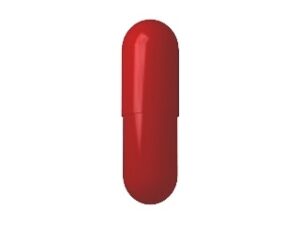
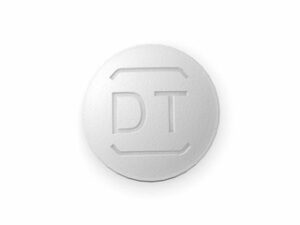
Depakote (Divalproex) – Patient-Friendly Guide (UK)
Depakote is a brand name medicine containing divalproex, which is converted in the body into valproate. Valproate medicines are used for certain seizure disorders and for specific mood-related conditions. This guide explains how Depakote works, how it’s usually taken, key safety considerations, common interactions, and what to expect in day-to-day use in the United Kingdom.
Important: Valproate medicines carry specific safety rules and monitoring requirements in the UK, especially regarding pregnancy. Always follow the advice of your healthcare team and the instructions on your medicine label.
1. Basic Product Information
- Active ingredient: Divalproex (converted to valproate)
- Brand examples: Depakote (various formulations may exist depending on supply)
- Medicine type: Antiepileptic/mood-stabiliser (antiepileptic drug; anticonvulsant)
- Common strengths: Available in different tablet strengths and formulations (your product may vary)
- How it’s taken: Oral (swallowed tablets; some formulations release medicine more slowly)
- UK availability: Generally available via pharmacy supply channels, subject to prescriber and regulatory requirements
2. How Depakote Works (Mechanism of Action)
Depakote (divalproex) is converted to valproate in the body. Valproate influences several chemical pathways in the brain and helps stabilise nerve activity. The exact mechanism behind all benefits is complex, but key actions include:
- Increasing GABA activity: Valproate may increase levels of gamma-aminobutyric acid (GABA), a calming neurotransmitter that reduces abnormal electrical signalling.
- Modulating sodium channels: It can affect sodium channel activity, helping prevent seizure spread.
- Supporting brain network stability: It helps reduce excessive or irregular firing of nerve cells.
In mood disorders (such as bipolar disorder), these actions may contribute to stabilising mood and reducing episodes of mania or aggression.
3. Pharmacokinetics (How the Body Handles Depakote)
Pharmacokinetics describes how the medicine is absorbed, distributed, metabolised, and eliminated.
Absorption
- After swallowing, divalproex is broken down to valproate.
- Absorption may vary depending on the formulation (immediate vs modified/extended release).
Distribution
- Valproate is highly protein-bound (it attaches to blood proteins).
- Higher doses and certain medical states (e.g., low albumin) may alter how much “free” medicine is active.
Metabolism
- Valproate is mainly metabolised in the liver.
- This is why liver function monitoring is important.
Elimination
- Valproate is eliminated via kidneys and other pathways.
- Clearance can be affected by age, liver function, and overall health.
Time to effect
- Seizures: Some people notice improvement within days to weeks, but full benefit may take longer.
- Mood symptoms: Mood stabilisation may take weeks.
4. Typical Use in the UK
Depakote is used to treat conditions where stabilising abnormal brain activity or mood fluctuations is important. Common indications include:
Indications (What Depakote is used for)
- Epilepsy: For certain seizure types, particularly when other treatments are not suitable or have not worked.
- Bipolar disorder: Specifically to help manage manic episodes and, in some cases, prevent recurrence (depending on local guidance and your clinician’s decision).
Exactly which formulation and dose are appropriate may differ by indication and your personal health profile.
5. When to Take Depakote (Timing and Routine)
How you time your doses depends on the specific formulation you’re given and your prescribed schedule.
General timing tips
- Take at the same times each day to keep blood levels steady.
- If your doctor prescribed multiple doses, try to spread them evenly.
- Set reminders if you tend to forget.
Missed dose
- If you miss a dose, take it when you remember unless it’s close to the next scheduled dose.
- Do not take a double dose to make up for a missed tablet.
- If you are unsure, contact your pharmacist for advice.
Do not stop Depakote suddenly without medical guidance, especially in seizure disorders, because stopping abruptly can increase the risk of seizures.
6. Food Interactions (Can You Take Depakote With Meals?)
Depakote can generally be taken with or without food. However, taking it with food may improve stomach comfort for some people.
- With food: May reduce nausea or stomach upset.
- Without food: Some people tolerate it well; others find it irritates the stomach.
Practical tip: Choose a consistent routine (e.g., always with a meal) to help you remember and to reduce variability in how the medicine feels in your body.
7. Alcohol and Medicine Interactions
Alcohol
It’s generally recommended to avoid or minimise alcohol while taking Depakote. Alcohol can:
- increase sleepiness or dizziness
- affect liver function
- potentially worsen mood symptoms
If you choose to drink, do so cautiously and discuss safe amounts with your healthcare professional.
Important medicine interactions
Depakote can interact with many medicines. Always tell your pharmacist and prescriber about all your current medicines, including over-the-counter products and herbal remedies.
Common interaction themes to be aware of:
- Other anti-epileptics: Some seizure medicines can affect Depakote levels, while Depakote can affect them too.
- Liver-metabolised medicines: Medicines that stress the liver may increase risk of side effects.
- Warfarin and anticoagulants: Valproate may change bleeding risk indirectly in some situations, depending on the broader medication plan.
- Certain antibiotics and antivirals: Some can affect valproate metabolism.
- Salicylates (e.g., high-dose aspirin): These may increase valproate “free” levels.
Practical tip: Keep an up-to-date list of your medicines. If you start a new medicine (including antibiotics or antifungals), ask whether it interacts with valproate.
8. Dosing (How Depakote Doses Are Determined)
Dosing is individual. Your clinician will choose the dose based on:
- your condition (seizure type or mood condition)
- your age and weight
- other medicines you take
- blood test results for valproate levels (if used)
- liver function and general health
How doses are usually started and adjusted
- Often, treatment begins at a lower dose and is increased gradually.
- Dose changes may be slower in people who are sensitive to side effects.
Formulation matters
Different Depakote formulations can have different release profiles. This may affect how often you take them and what “dose” means practically (mg per day and timing across the day). Always follow the instructions on your specific product label.
Do not switch formulations or change dosing schedules without guidance, because this can affect drug levels and control of symptoms.
9. Safety Profile (What to Know)
Like all medicines, Depakote can cause side effects. Many are mild and improve over time, but some effects can be serious.
Common side effects
- Nausea or upset stomach
- Tremor (shakiness)
- Drowsiness or dizziness
- Weight gain or increased appetite
- Hair changes (including thinning)
- Headache
Serious risks (seek urgent advice if severe)
Certain side effects require prompt medical attention.
- Liver problems (more likely at higher risk in certain groups). Warning signs may include unusual tiredness, weakness, abdominal pain (especially right upper side), dark urine, yellowing of eyes/skin (jaundice).
- Pancreatitis. Symptoms may include severe stomach pain, nausea, vomiting.
- Severe allergic reaction (rash, swelling, breathing difficulties).
- Blood disorders such as unusual bruising or bleeding, persistent sore throat/fever.
- Severe confusion or marked worsening drowsiness.
Pregnancy and valproate (UK regulatory context)
In the UK, valproate products are subject to strict controls because of a well-established risk of harm to an unborn baby. These risks include:
- higher risk of congenital malformations
- risk of neurodevelopmental disorders
For women who can become pregnant (and for partners where relevant), the UK has guidance requiring careful assessment, contraception where appropriate, and regular review of alternatives. Your healthcare team will discuss the safest plan for your situation.
If you might be pregnant or are planning pregnancy, speak to your clinician as early as possible. Do not stop the medicine abruptly on your own.
10. Practical Use Tips (Daily Living)
- Use a pill organiser if your regimen fits it, but confirm your formulation can be stored safely and that tablets remain identifiable.
- Maintain consistency: take at the same times each day.
- Track symptoms: note seizure frequency or mood changes, and report patterns to your clinician.
- Attend monitoring visits: blood tests are typically used to monitor liver function and, sometimes, valproate levels depending on your situation.
- Be alert to drowsiness: until you know how Depakote affects you, take care with driving or operating machinery.
- Avoid sudden changes: if you miss doses or change other medicines, let your pharmacist know.
11. Monitoring and When to Contact a Healthcare Professional
Depakote is often used with planned monitoring, especially early in treatment or when adjusting dose.
Typical monitoring may include
- Liver function tests
- Blood counts
- Serum valproate levels in certain cases (e.g., dose changes, lack of response, suspected toxicity, or interactions)
Contact advice
Seek advice promptly if you notice:
- yellowing of eyes/skin, dark urine, persistent nausea/vomiting
- severe abdominal pain
- unusual bruising, bleeding, or severe sore throat/fever
- new severe confusion or extreme sleepiness
12. Alternative Options
Depending on whether Depakote is being used for seizures or for bipolar disorder, alternatives may include other antiepileptic/mood-stabilising medicines and, in some cases, non-drug approaches.
Possible alternatives for seizures
- Other anti-epileptic medicines may be considered based on seizure type and individual factors.
Possible alternatives for bipolar disorder
- Other mood stabilisers and, sometimes, specific antipsychotic treatments may be considered.
Your clinician will balance effectiveness, side effects, interactions, and individual risk factors—including pregnancy risk where relevant—when discussing options.
Do not switch from Depakote to another medicine without a supervised plan.
13. UK Market and Legal/Guidance Context (Valproate Controls)
In the United Kingdom, valproate medicines have additional safeguards due to the risk of serious harm in pregnancy. Key elements include:
- Prescriber assessment and consideration of alternative treatments where possible
- Risk communication and ongoing review of the necessity of valproate
- Contraception and pregnancy planning discussions for people who could become pregnant
- Special documentation and counselling requirements that healthcare professionals must follow
If you’re using Depakote, your healthcare team should provide clear information about risks, monitoring, and what to do if your circumstances change (e.g., planning pregnancy).
Recent guidance: UK safety communications have continued to emphasise avoiding valproate in pregnancy when alternatives exist, with structured risk minimisation. Always rely on advice from your clinician for your individual situation.
14. Delivery and Availability in the UK
Availability can vary depending on formulation and local supply. In the UK, medicines are typically dispensed through regulated pharmacy services and may require accurate details of your prescribed regimen.
- In-stock status: Some strengths/formulations may be held more commonly than others.
- Delivery times: Delivery options depend on your selected service and the supplier’s logistics.
- Packaging: Medicines are supplied in manufacturer packaging where possible and according to pharmacy regulations.
If your usual product is temporarily unavailable, your pharmacist may offer guidance on alternatives (such as different strengths or formulations) consistent with clinical needs.
15. FAQ
Is Depakote the same as valproate?
Depakote contains divalproex, which is converted in the body to valproate. For many safety considerations, guidance refers to valproate-containing medicines.
How long does it take to work?
Some people notice improvement within days to weeks, but full effect—especially for mood symptoms—may take several weeks. Seizure control should be assessed over time, and dose adjustments may be gradual.
Can I drink alcohol with Depakote?
It’s best to avoid or minimise alcohol. Alcohol can worsen side effects like drowsiness and may increase stress on the liver. Ask your pharmacist or prescriber what’s safest for you.
What should I do if I miss a dose?
Take it when you remember unless it’s close to the next dose. Do not double up. If you’re unsure, contact a pharmacist for advice.
Should I take Depakote with food?
It can usually be taken with or without food. If you experience stomach upset, taking it with meals may help. Keep a consistent routine.
Are there foods that interact with Depakote?
No specific foods are widely known to directly interact in the way some medicines do, but maintaining a consistent routine is still helpful. If your diet changes significantly, let your clinician know.
What blood tests will I need?
Depending on your situation, monitoring may include liver function tests and blood counts. Your clinician may also check valproate levels in certain circumstances.
What are the warning signs of serious side effects?
Seek urgent medical help if you develop signs of liver problems (jaundice, dark urine, severe tiredness), symptoms of pancreatitis (severe abdominal pain, vomiting), severe allergic reactions, or unusual bruising/bleeding.
Can Depakote affect driving?
Depakote can cause drowsiness, dizziness, or tremor in some people. Until you know how it affects you, avoid driving or hazardous activities if you feel unwell or unusually sleepy.
What if I become pregnant or plan pregnancy?
Valproate medicines are associated with significant pregnancy-related risks. If pregnancy is possible, speak to your healthcare team promptly about safe planning and alternative options. Do not stop the medicine suddenly without medical advice.
Are there alternatives to Depakote?
Yes. Alternatives depend on why you take it (seizures vs bipolar disorder) and your medical history. Your clinician will help decide what’s most appropriate.
Key Takeaways
- Depakote (divalproex) is a valproate-containing medicine used for seizures and bipolar-related conditions.
- Take doses regularly and follow the timing instructions for your specific formulation.
- Alcohol may worsen side effects and increase liver stress—avoid or minimise.
- Valproate has special UK pregnancy safety controls—discuss your individual risk and options early.
- Report serious symptoms promptly, and attend monitoring where recommended.
Disclaimer: This guide is for general information only and cannot replace advice from a healthcare professional. If you have questions about your specific medicine, interactions, or monitoring schedule, contact your pharmacist or prescriber.