

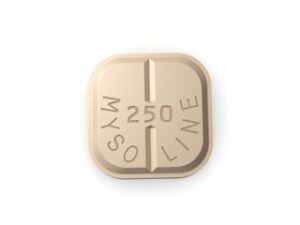
Mirapex (Pramipexole) — Patient-Friendly Guide (UK)
Mirapex is a brand of pramipexole, a medicine used to treat certain movement disorders and related symptoms. This guide explains how it works, what it’s used for, typical dosing and timing, key safety information, and practical tips for everyday use in the United Kingdom.
Please always follow the instructions provided with your medicine and discuss any concerns with a healthcare professional. This article is for general information and does not replace personalised advice.
1) Basic product information
| Item | Details |
|---|---|
| Medicine name | Mirapex (pramipexole) |
| Active ingredient | Pramipexole |
| Medicine class | Dopamine agonist |
| Common forms | Tablets (strengths vary by product/market availability) |
| Typical use in the UK | Parkinson’s disease; Restless Legs Syndrome (RLS) |
| How it’s taken | By mouth, usually once or more daily depending on the condition and dose |
2) How Mirapex works (mechanism of action)
Pramipexole is a dopamine agonist. It mimics the effects of dopamine in the brain. Dopamine is a chemical messenger involved in movement control and also in nerve pathways that contribute to sensations and restlessness.
In Parkinson’s disease, pramipexole helps improve motor symptoms by stimulating dopamine receptors. In Restless Legs Syndrome, it helps reduce uncomfortable sensations and the urge to move the legs, especially in the evening or night.
- Dopamine receptor stimulation: primarily affects dopamine receptor subtypes
- Symptom relief: improves movement and/or reduces unpleasant leg sensations
- Gradual effect: some benefits may be felt quickly, while full effect often develops after dose adjustments
3) Pharmacokinetics (how the body handles it)
Pharmacokinetics describe how the medicine is absorbed, distributed, metabolised, and eliminated. While individual results vary, pramipexole generally behaves in a predictable way.
- Absorption: absorbed after oral dosing; food may slightly affect the speed of absorption
- Distribution: reaches the brain and contributes to its therapeutic effect
- Metabolism: only limited metabolism (majority excreted unchanged)
- Elimination: primarily via the kidneys
- Half-life: long enough that dosing is typically once or multiple times daily depending on regimen
Because pramipexole is cleared mainly through the kidneys, dose adjustments may be needed in people with kidney impairment. If you have reduced kidney function, your clinician will usually review the starting dose and any subsequent changes.
4) Typical uses and indications in the UK
Mirapex is commonly used for:
- Parkinson’s disease: to help manage symptoms by improving motor function.
- Restless Legs Syndrome (RLS) / Willis-Ekbom disease: to relieve uncomfortable leg sensations and reduce the urge to move, particularly in the evening or at night.
Your exact indication, starting dose, and titration schedule may differ depending on severity, age, other medicines, and kidney function.
5) Timing and how to take Mirapex
Timing can be important, particularly for Restless Legs Syndrome. Many people notice that symptoms worsen later in the day, so dosing is often planned to match that pattern.
General timing guidance
- For Parkinson’s disease: dosing schedules vary. Some regimens are taken multiple times daily to provide steadier symptom control.
- For RLS: it is commonly taken in the evening or shortly before bed, as advised by your clinician.
Consistency matters
- Try to take it at the same times each day.
- If you miss a dose, follow the instructions in the patient information leaflet or the guidance from your prescriber/pharmacist.
- Avoid sudden stopping unless you have been told to do so, because abrupt changes can worsen symptoms.
6) Food interactions
Food interactions with pramipexole are generally not dramatic, but the timing of meals can affect how quickly the medicine is absorbed. This may matter most during initial dose adjustments or if you are sensitive to changes in symptom control.
- Take as directed: follow the instructions on your medicine label.
- If you change your routine: try to keep meal timing consistent once you’ve found a regimen that works for you.
- Watch for fluctuating symptoms: if symptoms become inconsistent, discuss timing with your pharmacist or clinician.
If you have any specific dietary considerations (for example, taking medicines with food to reduce stomach upset), ask your pharmacist for tailored advice.
7) Alcohol and medicine interactions
Alcohol
Alcohol can increase the risk of side effects such as dizziness, drowsiness, and impaired concentration. In some people, combining alcohol with dopaminergic medicines may also increase the likelihood of risky behaviours. It’s best to keep alcohol intake moderate and discuss your situation with a healthcare professional.
Other medicines that may interact
Interactions can occur with medicines that affect the nervous system or the kidney’s ability to clear pramipexole. Always tell a pharmacist or clinician about all medicines you take, including over-the-counter products and herbal remedies.
- Sedatives and sleep medicines (e.g., benzodiazepines, some sleeping tablets): may increase drowsiness and impair driving.
- Other medicines affecting dopamine or Parkinson’s treatment: may require dose adjustments to reduce side effects.
- Medicines that influence kidney function or clearance: could alter pramipexole levels, especially in renal impairment.
- Antipsychotics (some may reduce the effect of dopamine agonists): may require careful review if you need them for another condition.
If you are taking multiple medicines, a medication review can be very helpful. Your pharmacist can also check for potential interactions before you start or change treatment.
8) Dosing: what to expect
Dosing is individual. Clinicians typically start at a lower dose and increase gradually (a process called titration) to reduce side effects and find the smallest dose that provides relief.
General principles
- Start low, go slow: gradual dose increases help your body adjust.
- Condition-specific schedules: Parkinson’s disease and RLS often use different titration approaches.
- Kidney function matters: reduced kidney function may require lower doses or less frequent increases.
Typical pattern (illustrative)
The exact strength and titration steps vary by product and indication. Your treatment plan will be written on your label and explained by your healthcare team.
- Initial phase: a smaller dose is used for the first days or weeks.
- Titration phase: dose increases at set intervals until symptom control is achieved.
- Maintenance phase: the final effective dose is continued, with periodic review.
Never adjust your dose without medical advice. If side effects occur, your clinician may slow titration or change the dose.
9) Safety profile and important side effects
Like all medicines, Mirapex can cause side effects. Many are dose-related and may improve after adjusting the dose. However, some effects require prompt medical attention.
Common side effects
- Dizziness or light-headedness
- Nausea
- Sleepiness or fatigue
- Headache
- Constipation or digestive discomfort
- Swelling in the legs/ankles (oedema) in some people
Less common but serious effects
- Sudden sleep episodes (rare, but important): if you become very drowsy, warn your clinician promptly.
- Orthostatic hypotension (feeling faint when standing): take care when moving from sitting/lying to standing.
- Hallucinations or confusion (more likely in older adults or those with cognitive impairment): contact your clinician if these occur.
- Impulse control disorders: urges such as gambling, compulsive shopping, increased sexual drive, binge eating, or other uncontrollable behaviours. These can be significant and may appear or worsen after starting or increasing the dose.
When to seek urgent help
Seek urgent medical assistance if you experience severe allergic symptoms (such as swelling of the face/lips, difficulty breathing), or if you develop severe confusion, collapse/fainting, or dangerous drowsiness.
10) Practical use tips (how to make treatment easier)
- Keep a symptom diary: note the timing of RLS sensations (evening/night) or Parkinson’s symptoms (mobility, stiffness, tremor). This helps clinicians fine-tune dosing.
- Stand up carefully: especially in the first days after starting or increasing dose; move slowly to reduce dizziness.
- Driving and machinery: if you feel drowsy or have sudden sleepiness, do not drive or operate machinery. If your clinician advises, discuss safety and eligibility to drive.
- Contact your clinician about behaviour changes: if you (or family) notice new urges or compulsive behaviours, report them early.
- Don’t stop abruptly: stopping suddenly can cause worsening of symptoms or other withdrawal-like effects. If stopping is needed, it should usually be done gradually under supervision.
- Review kidney function regularly: if you have known kidney issues, monitoring is important.
11) Missed doses and dose changes
If you miss a dose, the correct approach depends on how close you are to the next dose and your regimen. Always follow the advice in the patient information leaflet or from your pharmacist.
- Do not double up unless you’ve been specifically told to do so.
- If you miss several doses in a row, contact a pharmacist or clinician for guidance.
- Any dose increase or reduction should be planned to limit side effects.
12) Alternative options
Alternatives depend on the condition being treated, your symptom pattern, age, and your medical history. Your healthcare team can explain which options are appropriate.
Alternatives for Restless Legs Syndrome
- Iron therapy (if iron deficiency is present): this is often considered if blood tests show low ferritin or iron stores.
- Other medications used for RLS (choice depends on individual risk and history).
Alternatives for Parkinson’s disease
- Other dopamine agonists or levodopa-based treatments
- Other classes used to manage symptoms
If you’re considering switching to or from Mirapex, do not make changes on your own. Switching often requires careful tapering and timing to avoid symptom flare or side effects.
13) UK market and legal context (what to expect when ordering)
In the United Kingdom, medicines are regulated by the Medicines and Healthcare products Regulatory Agency (MHRA). Pharmacy supply follows national rules to ensure medicines are used safely and appropriately.
Mirapex (pramipexole) is an established medicine with patient information leaflets, dosing instructions, and safety communications that may be updated over time. Availability through UK pharmacies can vary depending on stock, strength, and formulation.
When ordering online, reputable pharmacies typically require:
- verification of the product and strength you need
- appropriate patient checks (e.g., age/indication considerations as required)
- accurate delivery address and contact information
If you are unsure whether a product matches your usual treatment, check the brand, strength, and appearance before using it.
14) Recent guidance and ongoing safety considerations
Dopamine agonists used in RLS and Parkinson’s disease have been closely monitored. Safety communications in recent years have highlighted the importance of:
- recognising impulse control disorders and reporting them early
- monitoring for sleepiness and sudden sleep, especially in people starting therapy or increasing the dose
- individualising risk, particularly in older adults or those with cognitive impairment
Treatment plans may incorporate careful dose selection and periodic review. Your clinician may also consider alternative strategies if side effects become difficult to manage.
Guidance can evolve; always rely on the most current advice from NHS or your healthcare team and the information leaflet supplied with your medicine.
15) Delivery and availability (UK)
Availability depends on the exact strength and formulation. In the UK, reputable online pharmacies typically:
- display product strength clearly (e.g., milligrams per tablet)
- confirm packaging and active ingredient information
- offer standard or express delivery options (depending on location and stock)
- provide tracking information where available
If you need Mirapex urgently, check whether the pharmacy lists it as in stock and review estimated dispatch times. For non-urgent needs, ordering in advance of finishing your current supply can help reduce delays.
Store tablets according to the directions on the packaging (commonly at room temperature and away from moisture and out of reach of children).
16) Frequently Asked Questions (FAQ)
Is Mirapex used for Parkinson’s disease and restless legs?
Yes. Mirapex (pramipexole) is commonly used for Parkinson’s disease and Restless Legs Syndrome (RLS), depending on the person’s condition and treatment plan.
How quickly does Mirapex work?
Some people notice improvement soon after starting, but full benefit often develops gradually. In RLS, timing may make it easier to judge effect in the evening or night. In Parkinson’s disease, dose titration may be needed to achieve optimal control.
Should I take it with food?
Follow your label instructions. Food may affect how quickly pramipexole is absorbed, but it usually doesn’t prevent the medicine from working. If you notice timing-related symptoms, discuss whether taking it consistently in relation to meals could help.
Can I drink alcohol while taking Mirapex?
Alcohol may increase dizziness, drowsiness, and impaired concentration. It can also increase risk for some behavioural side effects. It’s best to limit alcohol and seek medical advice tailored to your situation.
What are the most important side effects to watch for?
Key areas include dizziness, sleepiness, hallucinations/confusion, fainting on standing, and especially impulse control urges. If any concerning changes occur, contact a healthcare professional promptly.
What should I do if I miss a dose?
Use the guidance from your patient leaflet or ask a pharmacist. In general, you should not double the next dose unless instructed. If you miss several doses, seek advice rather than restarting blindly.
Is Mirapex safe for older adults?
It can be used in older adults, but they may have a higher risk of side effects such as confusion, hallucinations, and dizziness. Clinicians often start at lower doses and review effects more frequently.
Can I drive or operate machinery?
If Mirapex makes you drowsy or you have sudden sleepiness, you should avoid driving or operating machinery and seek medical advice. Follow your clinician’s guidance and local driving safety rules.
Are there alternatives if I cannot tolerate pramipexole?
Yes. Options may include other treatments for Parkinson’s disease or RLS, and in RLS, correcting low iron stores may be important. Your clinician can advise based on your symptoms and side-effect profile.
How is Mirapex supplied in the UK?
It is supplied through UK pharmacies under regulated systems. Online pharmacies typically provide clear product strength information and delivery options based on availability and stock.
Summary
Mirapex (pramipexole) is a dopamine agonist used in the UK to treat Parkinson’s disease and Restless Legs Syndrome. It works by stimulating dopamine receptors to improve movement and reduce distressing leg symptoms. Because it is cleared largely by the kidneys and can affect alertness and behaviour, careful dose titration and monitoring are important.
If you have questions about starting, timing, side effects, or interactions with other medicines, speak to your pharmacist or healthcare team.