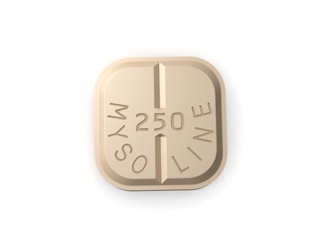


Mysoline (Primidone) – Patient Information (UK)
Mysoline contains primidone, a medicine used mainly for certain types of epilepsy and other seizure-related conditions. This page explains how Mysoline works, how it is usually taken, what to expect, and key safety information for people in the United Kingdom.
Note: Always follow the advice given by your healthcare professional. If you are unsure about your dose or how to take your tablets, speak to a pharmacist or prescriber.
Basic product information
| Item | Details |
|---|---|
| Medicinal name | Mysoline |
| Active ingredient | Primidone |
| What it is used for | Seizures/epilepsy (and in some cases tremor/neurological conditions as advised) |
| How it is usually supplied | Tablets |
| Typical dosing approach | Often started at a low dose and increased gradually (“titration”) |
| Common side effects | Drowsiness, dizziness, nausea, fatigue, unsteadiness, rash (uncommon) |
How Mysoline works (mechanism of action)
Primidone is an antiepileptic medicine. After taking it, the body converts primidone partly into another active form (often referred to as phenobarbital), which contributes to its effect. Overall, Mysoline helps to reduce abnormal electrical activity in the brain.
- Enhances inhibitory pathways: It increases the brain’s “braking” effect, helping limit excessive nerve firing.
- Reduces excitability: It makes it harder for seizure activity to spread.
- Active metabolites: Primidone’s conversion to phenobarbital helps explain its seizure control effects and some of its sedative properties.
Seizure medicines often take time to reach the right effect. Many people notice benefits after dose adjustments and settling into a stable regimen.
Pharmacokinetics (how the body handles the medicine)
Pharmacokinetics describes absorption, distribution, metabolism and elimination.
- Absorption: Primidone is absorbed from the gut after oral dosing.
- Distribution: It reaches the brain and other tissues to help control abnormal electrical activity.
- Metabolism: Primidone is metabolised in the liver and partly converted into active metabolites (including phenobarbital).
- Onset and timing: Effects may develop over days to weeks, particularly as doses are increased gradually.
- Elimination: Metabolites and primidone are eliminated mainly through the kidneys (via urine).
Because primidone/phenobarbital can accumulate with steady dosing, doctors often start low and monitor the person’s response and side effects.
Typical use in the UK
Mysoline is most widely used in the UK as an antiepileptic medicine. Depending on individual circumstances, it may be used for:
- Epilepsy (including certain seizure types as determined by a specialist)
- Other seizure-related conditions where it is considered appropriate
Some people may also be prescribed primidone for severe tremor (for example, in essential tremor) if deemed suitable by their clinician. This depends on clinical assessment and local practice.
Important: Use primidone only for the specific condition(s) advised for you. The right choice and dose can vary significantly between individuals.
When and how to take Mysoline (timing and routine)
Primidone tablets are usually taken by mouth, often once or twice daily depending on your dose and regimen. Many clinicians start with bedtime dosing to reduce early drowsiness, then adjust to achieve seizure control with tolerable side effects.
- Consistency: Take it at the same times each day where possible.
- Gradual titration: Dose increases are commonly made stepwise. This can reduce dizziness and sedation.
- Do not stop suddenly: Stopping abruptly can increase seizure risk. If you need to change treatment, this should be done under medical guidance.
Practical example schedule: If your clinician advises a twice-daily regimen, one common approach is morning and evening dosing. If side effects occur, the clinician may shift more of the dose to the evening.
Food interactions and what to eat (food and Mysoline)
Primidone can be taken with or without food in many people. However, if you experience nausea, taking your dose with a small snack or after food may help.
- For nausea: Taking with food can be beneficial.
- Maintain a stable routine: Keeping mealtimes similar day-to-day may help reduce day-to-day variation in how you feel.
If you have swallowing difficulties or require advice on taking tablets safely, ask your pharmacist for guidance.
Alcohol and medicine interactions
Alcohol can significantly increase the risk of side effects such as drowsiness, dizziness, slowed reaction time and impaired coordination. These effects can be dangerous if you drive or operate machinery.
- Recommendation: Avoid or minimise alcohol while taking primidone.
- Higher risk groups: People starting treatment, older adults, and those on other sedating medicines may be more affected.
Mysoline can also interact with several types of medicines. The biggest concerns often include:
- Other medicines that cause drowsiness: e.g., some antihistamines, sleeping tablets, strong painkillers, anxiety medicines (benzodiazepines) and some antidepressants.
- Anticoagulants (“blood thinners”): primidone may affect how some anticoagulants are handled by the liver.
- Hormonal contraception: enzyme-inducing effects can reduce the effectiveness of some contraceptives.
- Antiepileptics: some medicines can change primidone levels and vice versa, which may affect seizure control and side effects.
Always tell your pharmacist/doctor about all medicines you take, including over-the-counter products, herbal remedies and supplements.
Indications (what it treats)
In clinical practice in the UK, primidone is used for:
- Epilepsy: for seizure prevention/control in appropriate seizure types
- Selected neurological conditions: such as tremor, where clinically appropriate
Indications can vary by individual and by local prescribing guidance. Your prescriber will select the treatment based on seizure type, response to previous medicines, age, other health conditions and medicine interactions.
Dosing (general guidance and titration approach)
Doses of primidone vary widely depending on the person, seizure type, age, and tolerance. The most common approach is to start at a low dose and gradually increase.
Why slow titration? Primidone can cause early side effects, particularly dizziness and sleepiness. Gradual dose increases can improve tolerability.
- Starting dose: Usually low
- Increment: Increased gradually at intervals determined by your clinician
- Target dose: Based on seizure control and side effects
- Monitoring: Your clinician may review you regularly, especially early in treatment or after dose changes
Important: This page provides general information only. Your exact dose should be confirmed by your prescriber or pharmacist and shown on the medicine label.
Safety profile (side effects and who needs extra caution)
Common side effects
Many side effects improve as your body adapts after dose increases. The most commonly reported include:
- Drowsiness or feeling tired
- Dizziness and unsteadiness (especially during dose increases)
- Nausea
- Fatigue
- Headache
Less common but important effects
- Allergic-type reactions (e.g., rash). Seek urgent advice if a rash is severe, widespread, or associated with fever or breathing difficulties.
- Mood or behavioural changes, including increased irritability or unusual changes in thinking.
- Blood-related changes (rare). If you develop persistent sore throat, fever, unusual bruising or infections, contact a clinician urgently.
Serious risks – seek urgent help
Get medical help urgently if you experience:
- Severe allergic reactions (swelling of face/lips, difficulty breathing)
- Marked worsening of weakness, breathing problems, or extreme drowsiness
- Signs of severe skin reaction
- New or worsening suicidal thoughts or severe changes in mood/behaviour
Who should be extra careful?
- Older adults (higher risk of dizziness and falls)
- People with liver or kidney problems (dose and monitoring may need adjustment)
- People on multiple medicines (higher risk of interactions)
- People driving or operating machinery during dose changes
- People with a history of medication sensitivity
Practical use tips (how to get the best results)
- Start low and go slow: If you are newly started or just had a dose increase, expect possible drowsiness or dizziness and plan accordingly.
- Keep a seizure diary: Record seizure dates/times, triggers (sleep deprivation, illness, missed doses), and how you felt after dosing.
- Don’t miss doses: If you forget a dose, take it when you remember unless it is close to the next dose. Don’t double up.
- Be cautious with driving: Avoid driving if you feel drowsy, dizzy, or your seizure control has been unstable. UK legal requirements may apply based on seizure status—follow advice from your clinician.
- Avoid sudden changes: Don’t stop primidone abruptly. Discuss any changes with a healthcare professional.
- Medication review: Ask your pharmacist to review all your medicines for interactions, especially after starting or stopping another drug.
- Hydration and nutrition: If nausea occurs, small meals and adequate fluids may help.
Alternative treatment options
There are many medicines used to control seizures or tremor, and the best option depends on seizure type, age, coexisting conditions and tolerance. In the UK, alternatives might include:
- Other anti-epileptic drugs (examples may include levetiracetam, lamotrigine, valproate, carbamazepine, topiramate—your clinician will choose based on suitability)
- Combination therapy for some people when one medicine is not enough
- Non-drug approaches such as seizure management strategies and, in selected cases, specialist interventions
- For tremor: other tremor medications (specialist-guided) may be considered
Switching between antiepileptic medicines should be done carefully because dose changes can affect seizure control and side effects.
UK market and legal context (what you should know)
Medicines containing primidone are regulated in the United Kingdom. Availability, prescribing processes, and supply arrangements depend on the product’s classification and the clinical needs of the patient.
- Regulatory oversight: The UK medicines landscape is regulated by the Medicines and Healthcare products Regulatory Agency (MHRA).
- National guidance: UK clinicians often follow evidence-based guidance from bodies such as National Institute for Health and Care Excellence (NICE) and relevant neurology pathways.
- Specialist prescribing: In many cases, epilepsy management involves specialist review (for example, neurologists) and shared care with primary care.
Product availability and wording may vary across manufacturers and strengths. Your pharmacist can confirm the correct product for you.
Recent guidance and monitoring considerations
While exact updates can vary over time, UK epilepsy care commonly emphasises:
- Careful initiation and titration to minimise avoidable side effects.
- Regular review of seizure control and adverse effects.
- Safety counselling about driving, alcohol and interactions.
- Adherence support to reduce missed doses.
If you are pregnant, planning pregnancy, breastfeeding, or have complex health conditions, you should discuss the risk/benefit balance with your clinician promptly. (Medication needs may change in these situations.)
Delivery and availability (UK)
Online pharmacies in the UK typically supply primidone-containing medicines subject to legal and clinical requirements. Availability can depend on stock levels and the specific strength or pack size.
- Check product availability: At the time of ordering, the website will usually show stock status.
- Delivery options: Delivery times may vary by courier and location within the UK.
- Packaging: Medicines are usually shipped in secure, tamper-evident packaging.
- Tracking: Many suppliers provide delivery updates and tracking information.
If you need the medicine quickly or require an alternative strength, contact customer support or ask your pharmacist for guidance.
FAQ – Frequently asked questions about Mysoline (primidone)
1) How long does it take for Mysoline to work?
Some effects may be felt earlier, but seizure control often improves over days to weeks, especially as the dose is increased gradually. Your prescriber may review your response after each titration step.
2) Why am I feeling dizzy or sleepy at the beginning?
Primidone can cause drowsiness and dizziness, particularly early on or after dose increases. Starting at a low dose and increasing slowly helps many people. If side effects are severe or persistent, contact your clinician.
3) Can I stop Mysoline if I feel better?
You should not stop primidone suddenly. Even if seizures are controlled, stopping abruptly can increase seizure risk. Any changes should be discussed with a healthcare professional.
4) What should I do if I forget a dose?
Take it as soon as you remember unless it is close to the next dose. Do not take a double dose to make up for a missed tablet. If you are unsure, ask your pharmacist.
5) Is it safe to drink alcohol while taking primidone?
Alcohol can worsen drowsiness and coordination problems and increase risk. It is generally advised to avoid or minimise alcohol and to ask your pharmacist for personalised advice.
6) Can Mysoline be taken with food?
Primidone can often be taken with or without food. If you experience nausea, taking it with a small snack or after a meal may help.
7) Are there important interactions with other medicines?
Yes. Primidone can interact with many medicines, including drugs that cause drowsiness, anticoagulants, hormonal contraception and other antiseizure medicines. Tell your pharmacist about everything you take.
8) Will primidone affect driving?
It may, especially when starting or after dose increases. Do not drive if you feel drowsy or dizzy and follow UK advice related to seizure control and fitness to drive. Ask your clinician if you’re unsure.
9) What if I get a rash?
A mild rash can occur, but some rashes can be serious. Seek urgent medical advice if the rash is widespread, blistering, associated with fever, or affects breathing or the face/lips.
10) Are there monitoring tests?
Your clinician may monitor your clinical response and side effects. Depending on your health and combination medicines, they may also consider blood tests or additional checks.
Summary
Mysoline (primidone) is an antiepileptic medicine used to help prevent seizures. It works by reducing abnormal brain electrical activity and is often started at a low dose with gradual increases to improve tolerability. Common early side effects include dizziness and drowsiness, which can be managed through careful titration and consistent dosing.
To use Mysoline safely and effectively: take doses consistently, avoid alcohol, review interactions with a pharmacist, and contact healthcare professionals promptly if you experience concerning symptoms.