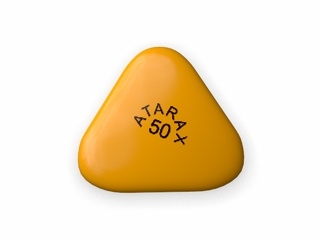

Atarax (Hydroxyzine) – Patient-Friendly Guide (United Kingdom)
Atarax is a brand of hydroxyzine, an antihistamine medicine used for short-term relief of anxiety and to help control symptoms related to allergic conditions. Depending on the formulation (tablets or syrup) and your needs, it may also be used to help with sleep when anxiety is present. This page explains how Atarax works, what it’s used for, how to take it safely, and what to expect.
Important: Always follow the instructions provided with your medicine and consult a healthcare professional if you are unsure. If you experience severe drowsiness, fainting, breathing problems, or a fast/irregular heartbeat, seek urgent medical help.
Basic product information
- Medicine: Atarax
- Active ingredient: Hydroxyzine
- Medicine type: Antihistamine with anxiolytic (anti-anxiety) and sedative effects
- Common forms (UK): Tablets and oral liquid (syrup) depending on availability
- How it’s supplied: Pharmacy/dispensed medicine depending on local arrangements
- Use cases: Anxiety-related symptoms, itching/allergic symptoms, and sometimes short-term sedation
How Atarax (Hydroxyzine) works (mechanism of action)
Hydroxyzine belongs to the class of medicines called first-generation antihistamines. It works mainly by blocking H1 histamine receptors in the body.
This can reduce the effects of histamine, a natural chemical involved in allergic reactions. Hydroxyzine also affects other pathways in the brain, which contributes to its calming and anti-anxiety properties and its sedative effect. As a result, many people feel drowsy—especially when they first start treatment or when the dose is higher.
Pharmacokinetics: how the body processes hydroxyzine
Pharmacokinetics describes what the body does to a medicine—how it is absorbed, distributed, metabolised, and eliminated. While individual responses vary, hydroxyzine typically:
- Absorption: Is absorbed through the gut after oral use. Liquid formulations may be absorbed relatively quickly.
- Onset of effects: Sedative or calming effects may be felt within about 1 hour (timing varies by person and dose).
- Distribution: Can cross into the central nervous system, helping explain the sedative/anxiolytic effects.
- Metabolism: Is metabolised primarily in the liver.
- Elimination: The metabolites are mainly cleared via the kidneys.
- Half-life: The duration of action can vary; effects may last several hours. Some people remain drowsy into the next day.
Typical uses in the UK
Atarax is commonly used to treat symptoms such as:
1) Anxiety-related symptoms
Hydroxyzine’s calming effects can help relieve anxiety and tension, particularly when a short-term approach is appropriate. It may also be used when anxiety is contributing to sleep disturbance.
2) Allergic conditions and itching (pruritus)
Because it blocks H1 histamine receptors, Atarax can reduce symptoms such as itching and discomfort from certain allergic reactions. It may be considered when antihistamine action is needed.
3) Pre-surgery or procedural calming (in some settings)
In healthcare settings, antihistamines with sedative effects may be used as part of pre-procedure preparation. Your clinician will advise if this applies to you.
Indications (what it may be used for)
In the UK, hydroxyzine products are indicated for conditions where antihistamine and sedative effects are helpful, including:
- Symptomatic relief of anxiety (short-term symptom control, depending on individual circumstances)
- Symptomatic relief of pruritus (itching) associated with allergic or histamine-related conditions
- Allergic reactions where an antihistamine is appropriate
- Adjunctive short-term sedation in certain clinical situations, as advised by a clinician
Indications may differ by formulation and local clinical practice. Always refer to your specific product label or the official leaflet supplied with your medicine.
Dosing: general guidance and timing
The exact dose of Atarax depends on your age, the reason you’re taking it, your formulation (tablet vs syrup), and your overall health (including liver and kidney function). Always follow the dose instructions provided with your medicine.
The following information is general and may not match your exact prescription instructions. Use it as a patient guide for understanding timing and how to plan your day.
Typical timing considerations
- First dose: It’s common to feel drowsy. Many people prefer taking the first dose at a time when they can rest.
- When to take: Often taken as directed, sometimes with multiple daily doses depending on the condition and formulation.
- Sleep-related use: If it helps with anxiety-related sleep issues, it may be taken in the evening or before bedtime as advised.
- Driving and activities: Avoid driving, cycling, or operating machinery until you know how Atarax affects you.
Practical dose planning checklist
- Choose a time that leaves enough hours for sleep and rest.
- Do not “double up” if you miss a dose—follow advice from your label or a pharmacist.
- If you feel overly sleepy, speak to a healthcare professional rather than adjusting the dose on your own.
Food interactions and taking with meals
Hydroxyzine can generally be taken with or without food. However, individual tolerability may improve if taken with a meal or snack, particularly if it causes mild nausea.
- Absorption: Food may slightly affect absorption for some oral medicines, but this usually does not eliminate effectiveness.
- Stomach comfort: Taking with food can reduce the chance of stomach upset.
- Consistency: Taking it at similar times each day helps maintain steady symptom control.
If you notice that your symptoms or side effects change depending on whether you take it with food, discuss this with a pharmacist or clinician.
Alcohol and medicine interactions
One of the most important safety issues with hydroxyzine is its potential to increase sedation. This can be worsened by other medicines and substances that depress the central nervous system.
Alcohol
It is generally recommended to avoid alcohol while taking Atarax, or use extreme caution, because alcohol can significantly increase drowsiness, dizziness, and impair judgement.
- Alcohol + hydroxyzine may raise the risk of falls.
- It can worsen slowed reaction time and decision-making.
- It may make breathing-related risks more likely in susceptible people.
Other medicines to be cautious about
Tell a pharmacist or healthcare professional about all medicines you take, including over-the-counter products. Particular attention is needed for:
- Other antihistamines (risk of increased sedation and anticholinergic side effects)
- Sedatives and medicines for sleep (e.g., benzodiazepines, Z-drugs) due to additive drowsiness
- Opioid pain medicines (e.g., morphine, oxycodone) because sedation can be intensified
- Antidepressants or antipsychotics that can affect serotonin or sedation depending on the specific agent
- Medicines affecting heart rhythm (see the “safety profile” section for QT prolongation concerns)
- Medicines that inhibit liver enzymes may increase hydroxyzine levels in the body
If you are taking multiple medicines, ask your pharmacist to review potential interactions. A quick check can prevent avoidable side effects.
Safety profile: side effects and when to seek help
Common side effects
Side effects vary from person to person. The most common effects relate to the sedative and antihistamine properties:
- Drowsiness or sleepiness
- Dizziness
- Dry mouth
- Headache
- Constipation (more likely if you are prone to it)
- Blurred vision in some people
- Nausea or stomach discomfort
Less common but important risks
- Urinary retention (difficulty passing urine), especially in people with prostate enlargement
- Confusion or paradoxical restlessness (more likely in older adults)
- QT prolongation (an effect on heart electrical activity that, in certain circumstances, may raise the risk of abnormal heart rhythm)
Urgent warning signs (seek medical help immediately)
- Fainting, severe dizziness, or an episode of collapsing
- Fast, irregular, or pounding heartbeat
- Breathing difficulties or extreme drowsiness that is hard to wake from
- Signs of an allergic reaction (swelling of face/lips, rash with breathing difficulty)
- Severe muscle stiffness or high fever (rare, but needs urgent assessment)
If you are concerned about side effects, contact a pharmacist for advice and consider contacting your GP or NHS services if needed. In the UK, 111 can help with urgent but non-emergency health advice.
Practical use tips for safer, more comfortable treatment
- Start low and assess: The first doses can feel stronger than expected due to drowsiness.
- Don’t drive until you know: Even if you feel “fine,” reaction time may be reduced.
- Stay hydrated: Dry mouth is common—sipping water can help.
- Manage constipation: Increase fibre, water, and movement where appropriate.
- Plan around work and caring responsibilities: If it makes you sleepy, schedule doses when you can rest.
- Be careful with other sedating products: Cold and flu remedies can contain antihistamines—check labels.
- Keep alcohol to zero (recommended): This reduces the risk of excessive sedation.
Who should use extra caution?
Hydroxyzine may require extra monitoring or caution in people with:
- Known heart rhythm issues or a history of prolonged QT interval
- Low potassium or magnesium levels
- Liver impairment (reduced metabolism)
- Kidney impairment (reduced clearance of metabolites)
- Older age, due to increased sensitivity to sedating and anticholinergic effects
- Conditions like glaucoma or prostate enlargement (risk of urinary retention or increased eye pressure)
- Sleep apnoea or conditions where breathing could be affected by sedatives
If any of these apply, ask your pharmacist or clinician for personalised safety advice.
Pharmacy guidance: managing missed doses and stopping
If you miss a dose, follow the instructions on the medicine label or leaflet provided with your Atarax product. In general, many medicines are taken on a regular schedule; do not take extra doses to “catch up” without guidance.
Stopping: Many people can stop hydroxyzine without needing a gradual taper, especially if used short-term. If you have been taking it regularly, speak to a healthcare professional before stopping, particularly if you are treating anxiety or sleep problems.
Alternative options (UK): what else may help
Alternatives depend on why you’re taking Atarax. Below are common categories used in the UK:
For itching/allergy symptoms
- Non-sedating or less sedating antihistamines (e.g., cetirizine, loratadine, fexofenadine) may be preferred if you need to stay alert.
- Topical treatments such as soothing creams or corticosteroids for skin conditions (depending on cause).
For anxiety-related symptoms
- Non-medicinal approaches such as breathing techniques, sleep hygiene, and cognitive behavioural therapy (CBT) are often recommended.
- Other short-term supportive medicines may be used in some circumstances, based on clinical advice.
- Longer-term anxiety treatments may involve talking therapies or medicines targeted at anxiety disorders.
For sleep problems linked to anxiety
- Adjusting bedtime routines, limiting caffeine and screens, and addressing underlying anxiety often helps.
- Some people may be offered alternative sleep support medicines depending on suitability and risk.
Your pharmacist can help you choose an option that fits your symptoms and safety needs, particularly regarding drowsiness and interaction risk.
Market and legal context in the UK
Medicines containing hydroxyzine are regulated in the UK under medicines legislation and are supplied in accordance with the relevant classification. Availability may vary by product form and strength. Pharmacy and online medicine supply must comply with UK rules on safe supply, patient information, and appropriate checks.
You should expect suppliers to provide clear product labelling and patient information, and to carry out safety checks when appropriate (for example, verifying suitability, reviewing contraindications, and advising on safe use).
Recent guidance and safety updates (general overview)
Hydroxyzine has been subject to ongoing safety monitoring regarding heart rhythm effects (QT prolongation) and sedation-related risks. Guidance over time has emphasised careful dosing, avoiding unnecessary use in higher-risk individuals, and caution when combined with other medicines that can affect the heart rhythm or increase sedation.
If you have a history of heart problems, are taking other medicines that can affect heart rhythm, or have significant electrolyte imbalance, ask your healthcare professional for specific advice.
Delivery and availability (UK online pharmacy)
Atarax availability may differ between online pharmacies depending on stock and formulation (tablets vs syrup). Delivery options often include standard and express services, with tracking where offered.
What to expect when ordering
- Secure packaging to protect tablets or bottles from damage.
- Product information included with the supply.
- Delivery times based on your location and chosen service level.
- Cold-chain is usually not required for hydroxyzine, but always follow product requirements.
When to contact the pharmacy
- If the package arrives damaged or the seal is broken
- If the medicine strength or form differs from what you expected
- If you have questions about how to take it or whether it suits you
FAQ – Atarax (Hydroxyzine)
1) Will Atarax make me sleepy?
It commonly causes drowsiness. Many people feel calmer and more relaxed, but this can also slow reaction time. Avoid driving and operating machinery until you know how it affects you.
2) How quickly does Atarax work?
Some people notice calming or sedative effects within about 1 hour, but timing varies by dose, formulation, and individual factors. If you are using it for anxiety, you may notice changes in tension relatively soon.
3) Can I take Atarax with food?
Yes. It can generally be taken with or without food. If you get nausea or stomach discomfort, taking it with food may help.
4) Can I drink alcohol while taking Atarax?
It is strongly recommended to avoid alcohol because it can increase sedation and impair judgement. If you have questions due to a specific situation, ask your pharmacist or clinician.
5) What medicines should I avoid?
Be cautious with other medicines that cause drowsiness or affect heart rhythm. Examples can include sedatives, sleeping tablets, opioids, and some heart medicines. Always check interactions with a pharmacist if you take multiple medicines or are unsure.
6) Does Atarax cause dry mouth?
Yes, dry mouth is a common side effect due to its antihistamine effects. Sucking sugar-free sweets, sipping water, and maintaining oral hygiene can help.
7) Who should take extra care with hydroxyzine?
Extra caution is needed in people with heart rhythm concerns (QT prolongation), liver or kidney problems, glaucoma, prostate enlargement, sleep apnoea, or in older adults who may be more sensitive to sedation and confusion.
8) What should I do if I miss a dose?
Follow the guidance on the label or leaflet. In many cases, you would take the next dose at the scheduled time and avoid doubling up. If you’re unsure, ask a pharmacist.
9) Is Atarax suitable for children?
Hydroxyzine may be used in children in some circumstances, but dosing and suitability must be determined by a healthcare professional. Children may be more sensitive to side effects such as sedation.
10) How long should I take it?
Hydroxyzine is often used for short-term symptom control depending on the condition being treated. Duration should be guided by the person responsible for your care and the medicine information provided.
Summary
Atarax (hydroxyzine) is a sedating antihistamine used in the UK to help relieve anxiety symptoms and to manage itching/allergic symptoms in appropriate cases. It works by blocking histamine receptors in the body and calming activity in the brain, which can cause drowsiness.
For safe use, plan doses carefully, avoid alcohol, be cautious with other sedating medicines, and seek help urgently if you experience signs of severe allergic reaction, fainting, breathing problems, or heart rhythm disturbances.
If you have questions about suitability, side effects, or interactions, a UK pharmacist can help you make an informed decision.