Azelastine (Antihistamine) — UK Patient Information
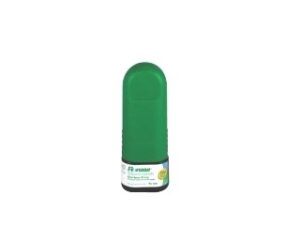
Azelastine is an antihistamine medicine used to relieve allergy symptoms. It is commonly available in topical forms such as: nasal spray (for allergic rhinitis), and eye drops (for allergic conjunctivitis). Some countries also use other formulations, but in the UK the most familiar options are typically nasal sprays and eye preparations.
This guide explains how azelastine works, how to use it, what to expect, and important safety information. It is written for people in the United Kingdom and focuses on general, patient-friendly information.
Quick overview
| Category | What it does | Common uses | Typical onset |
|---|---|---|---|
| Antihistamine | Blocks histamine receptors (H1) and reduces allergic inflammation | Hay fever symptoms, allergic nasal congestion, itchy/watery eyes | Often within minutes for some formulations |
| Topical (local) therapy | Acts where allergy symptoms occur | Allergic rhinitis (nose), allergic conjunctivitis (eyes) | Local benefit can be rapid |
Basic product information
- Active ingredient: Azelastine
- Medicine type: Antihistamine
- Common forms in the UK: Nasal spray, eye drops (and sometimes combination products depending on brand/formulation)
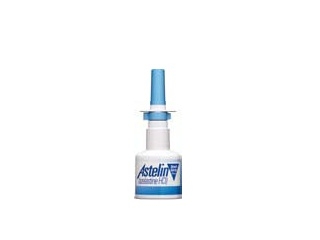
- Colour/appearance: Depends on the specific brand and formulation (ask your product page or label)
- Strength: Varies by product—always check the specific packaging for concentration and dosing instructions
If you are unsure which formulation you have (e.g., nasal vs eye), check the label before use.
How azelastine works (mechanism of action)
Allergic symptoms such as sneezing, itching, watery eyes, and runny nose occur when the immune system releases histamine and other inflammatory mediators in response to allergens.
Azelastine works by blocking H1 histamine receptors. This reduces the effects of histamine at the site of allergy. In addition to antihistamine action, azelastine has anti-inflammatory properties that can help stabilise allergic responses. The result is:
- less itching
- less sneezing and runny nose (for nasal preparations)
- reduced watery, itchy eyes (for eye drops)
- improved nasal comfort and congestion in allergic rhinitis
Topical use (sprayed or placed directly onto the target area) helps deliver the medicine locally.
Pharmacokinetics (absorption, distribution, metabolism, elimination)
Pharmacokinetics describes what the body does to a medicine—how much is absorbed, how it spreads, and how it is eliminated. With topical azelastine, systemic exposure is typically lower than with many oral medicines, though small amounts can still enter the bloodstream.
Nasal spray
- Absorption: A portion may be absorbed through the nasal mucosa.
- Distribution: After absorption, azelastine and its metabolites distribute through the body.
- Metabolism: The medicine is metabolised in the liver (details can vary by formulation and patient factors).
- Excretion: Metabolites are eliminated primarily through the kidneys and/or with urine.
Eye drops
- Local action: Most of the effect is local to the eye and surrounding tissues.
- Systemic absorption: Some absorption can occur via the eye surface and drainage pathways.
- Metabolism and elimination: As with other routes, metabolism occurs in the liver and elimination is through the body’s normal pathways.
In practice, many people tolerate azelastine well because the medicine is used directly where symptoms occur.
Typical use in the UK
Azelastine is used for allergy-related conditions. It is commonly chosen when you need targeted relief for nose or eye symptoms.
Indications (what it’s used for)
- Allergic rhinitis (hay fever): nasal symptoms such as sneezing, itching, runny nose, and nasal congestion.
- Allergic conjunctivitis: itchy, watery eyes and other allergy-related eye discomfort.
Some patients use azelastine seasonally (e.g., during pollen seasons), while others use it when symptoms occur year-round (e.g., allergies to dust mites or pets).
When does azelastine start working?
Many people notice improvement fairly quickly, especially with topical formulations. However, the exact timing depends on the formulation, how severe your symptoms are, and how consistently you use the medicine.
- Nasal spray: relief can begin within minutes for some symptoms; fuller benefit may build over repeated use.
- Eye drops: itching and watering may improve rapidly, with continued benefit after further doses.
If symptoms persist or worsen despite correct use, speak to a healthcare professional for personalised advice.
Dosing and how to use it (general guidance)
Always follow the directions on your specific product label or the instructions provided with your medicine. Different brands and concentrations may have different dosing schedules.
General dosing principles
- Use the correct formulation (nasal spray vs eye drops).
- Don’t exceed the labelled frequency.
- Consistency matters in allergic rhinitis, especially during high-allergen periods.
How to use azelastine nasal spray
- Step 1: Gently blow your nose if needed to clear mucus.
- Step 2: Shake the bottle if the label requires it.
- Step 3: Insert the nozzle into one nostril (keep the other nostril gently closed if comfortable).
- Step 4: Aim slightly outward (towards the outer side of the nose), not towards the nasal septum.
- Step 5: Breathe in gently and spray according to the dose instructions.
- Step 6: Repeat for the other nostril if prescribed.
- Step 7: Avoid sniffing hard immediately after spraying.
How to use azelastine eye drops
- Step 1: Wash your hands.
- Step 2: Tilt your head back slightly and pull down the lower eyelid.
- Step 3: Hold the dropper above the eye without touching it.
- Step 4: Instil the prescribed number of drops into the affected eye(s).
- Step 5: Release the eyelid and close the eye gently for a moment.
- Step 6: If using multiple eye products, space them out as directed (often by at least 5–10 minutes).
If you miss a dose, follow the product leaflet guidance—in general, take it when remembered unless it’s close to the next dose. Do not double doses.
Timing and frequency: practical scheduling tips
Allergies often flare at certain times of day (e.g., morning for pollen, or evenings if indoor allergens are the trigger). Your dosing timing can help match symptom patterns.
- Seasonal allergy: start treatment early in the season when symptoms begin or even slightly before (if recommended for your situation).
- Persistent symptoms: using the spray or drops consistently as labelled may provide steadier control.
- Work or school days: consider timing before exposure to triggers (such as outdoor pollen during commute times).
For best results, avoid missing doses during high-exposure periods.
Food interactions
Because azelastine is typically used locally (nose or eyes), food interactions are usually not a major concern. However, if you are using any medicine that has systemic effects or you have other conditions, it’s always sensible to follow medication advice carefully.
No specific common food restrictions are generally required for azelastine topical use. Follow your product label instructions and consult a healthcare professional if you have complex medication regimens.
Alcohol and medicine interactions
Alcohol
Azelastine can cause some people to feel sleepy or experience tiredness, particularly depending on individual sensitivity and the route/formulation. Alcohol may increase drowsiness.
- If you notice drowsiness after using azelastine, avoid alcohol or limit it until you know how the medicine affects you.
- If you are driving or operating machinery, be cautious if you feel drowsy.
Other medicines (potential interactions)
Some medicines can increase sedation or affect alertness. While topical azelastine often has limited systemic effects, interactions can still be relevant.
- Sedating antihistamines: combining therapies may increase drowsiness.
- Medicines that cause sleepiness (e.g., some cough/cold products, tranquilising medicines, or strong pain relief): may add to sedation.
- Other allergy treatments: sometimes prescribed together by clinicians, but ensure you’re not unintentionally duplicating antihistamine ingredients.
If you take multiple medicines, check with a pharmacist for advice—especially if you are using other antihistamine tablets, eye drops, or cold remedies.
Safety profile and side effects
Like all medicines, azelastine can cause side effects. Many people experience none or only mild, temporary effects. Side effects can differ between nasal spray and eye drops.
Common side effects
- Nasal spray: bitter taste, mild irritation of the nose, sneezing shortly after use, or dryness.
- Eye drops: temporary stinging or mild irritation, occasional watery eyes, or a feeling of discomfort after instillation.
Less common but important effects
- Headache, dizziness, or fatigue (uncommon, but may occur)
- Unpleasant taste (bitter taste) or irritation that persists
Seek urgent advice if
- Signs of a severe allergic reaction occur (e.g., swelling of face/lips, difficulty breathing, widespread rash)
- Eye symptoms worsen suddenly, severe eye pain develops, or there is significant change in vision
This is not a complete list. Always refer to the patient information leaflet included with your medicine for full safety details.
Who should take extra care?
Extra caution may be needed if you have:
- Known hypersensitivity to azelastine or any ingredient in the product
- History of eye problems (especially if using eye drops for long periods)
- Asthma or other respiratory conditions—while azelastine is local, any breathing concerns should be discussed with a clinician
- Difficulty using nasal sprays effectively (spray technique matters to reduce irritation and unpleasant taste)
Practical use tips to get the best results
Reduce bitter taste with nasal spray
- Aim the spray slightly outward (towards the outer side of your nose).
- Use gentle, controlled inhalation while spraying.
- Avoid sniffing hard immediately after using the spray.
Improve consistency
- Use at a similar time each day during allergy seasons.
- Keep an eye on triggers (pollen counts, dusty environments, pet exposure).
Contact lenses (eye drops)
- If you wear contact lenses, check the product instructions for guidance on use with lenses (some eye drop formulations advise removing lenses before instillation).
- Wait the recommended interval before reinserting lenses.
Storage and hygiene
- Keep the bottle/container closed when not in use.
- Do not let the nozzle/dropper touch the eye or skin.
- Check the expiry date and follow “discard after opening” guidance if stated.
Alternative options for UK allergy symptoms
There are several treatments for allergic rhinitis and allergic conjunctivitis. The best choice depends on symptom pattern, severity, and preference.
For allergic rhinitis (nose)
- Intranasal corticosteroids (often first-line for many people with persistent symptoms)
- Oral antihistamines (e.g., non-drowsy types are commonly used; individual responses vary)
- Combination approaches (a clinician may recommend a combination such as an antihistamine spray plus a steroid spray depending on symptoms)
- Saline rinses to help clear allergens and mucus
For allergic conjunctivitis (eyes)
- Other antihistamine/mast cell stabiliser eye drops
- Lubricating artificial tears to reduce irritation and rinse allergens
- Anti-inflammatory eye drops in selected cases under professional guidance
If you’re not achieving adequate control with azelastine, consider discussing options with a pharmacist or other qualified healthcare professional.
Market and legal context in the United Kingdom
In the UK, medicines are regulated by the Medicines and Healthcare products Regulatory Agency (MHRA) under UK medicines legislation. Availability can vary by formulation and strength, and some allergy medicines may be supplied as pharmacy-only or general sales list depending on the product.
For online purchasing, reputable pharmacies follow UK requirements for safe supply, correct product identification, and (where applicable) appropriate checks. Always ensure you select the correct product for your symptoms (nasal vs eye), and follow packaging instructions.
Recent guidance (general UK allergy advice)
- Stepwise management is commonly encouraged: start with appropriate symptom relief and adjust if symptoms are not controlled.
- Proper technique for nasal sprays and eye drops is emphasised for effectiveness and comfort.
- Allergen avoidance (where possible) and supportive measures (e.g., saline) are recommended alongside medicines.
- If symptoms are severe, persistent, or complicated (e.g., recurrent sinus infections), UK guidance typically encourages seeking professional advice.
Specific recommendations can differ depending on your age, medical history, and symptom severity. Local NHS guidance and professional advice are valuable.
Delivery and availability (UK online pharmacy)
Azelastine is widely available from UK online pharmacies, subject to product availability, stock rotation, and the exact formulation you select.
- Availability: may vary by brand and strength.
- Delivery: options depend on the pharmacy’s service level (standard vs expedited) and local courier networks.
- Packaging: deliveries should arrive in sealed packaging with a clear label and patient information leaflets where applicable.
Before ordering, check:
- the formulation (nasal vs eye)
- the strength and dosing frequency
- expiry date and storage instructions
- whether you need a specific device (e.g., nasal sprayer) included with the product
Safety checklist before you start
- Confirm your product is intended for your symptoms (nose vs eyes).
- Check the leaflet for age suitability and dosing frequency.
- Review other allergy medicines you already use to avoid duplication.
- Consider potential drowsiness; be cautious with alcohol and driving if you feel sleepy.
FAQ — Azelastine in the UK
1) What is azelastine used for?
Azelastine is used to treat allergy symptoms, commonly allergic rhinitis (nose symptoms like sneezing, runny nose, congestion) and allergic conjunctivitis (itchy, watery eyes). It works by blocking histamine and reducing allergic inflammation.
2) How quickly will I feel better?
Many people notice improvement within a short time after using azelastine, especially with nasal spray and eye drops. For some symptoms, the best effect may build over repeated use. If you don’t notice improvement, check that you are using the technique correctly and follow the dosing schedule.
3) Can I use azelastine every day?
For ongoing allergy symptoms, some people use azelastine daily during high-allergen periods. Whether daily use is appropriate for you depends on your product and symptom pattern—follow the labelled instructions and your healthcare advice.
4) Is azelastine safe with other medicines?
It can be used with many common medicines, but interactions can depend on what else you take—particularly medicines that may increase drowsiness. If you use other antihistamines or sedating medicines, ask a pharmacist for guidance.
5) Will azelastine make me sleepy?
Some people may experience tiredness or dizziness, though topical use often has lower systemic effects than oral antihistamines. If you feel drowsy, avoid alcohol and be careful with driving or machinery.
6) Can I drink alcohol while using azelastine?
Alcohol may increase sleepiness or dizziness in some people. If you notice any drowsiness after taking azelastine, it’s best to limit or avoid alcohol and see how you respond.
7) Are there any food interactions?
Food interactions are generally not a major issue for topical azelastine. There are typically no special food restrictions, but always follow your product leaflet and check with a pharmacist if you have a complex medication routine.
8) What if I miss a dose?
If you miss a dose, use it when you remember unless it is close to your next dose. Do not double up to make up for the missed dose.
9) What are common side effects?
Common side effects include mild irritation, temporary unpleasant taste (especially with nasal spray), and mild stinging or discomfort with eye drops. If you experience severe symptoms or signs of an allergic reaction, seek urgent medical advice.
10) Can I use azelastine with contact lenses?
Check the instructions for your specific eye drop product. Some eye drops advise removing contact lenses before use and waiting before reinserting them.
11) Are there alternatives to azelastine?
Yes. For nasal allergies, options can include intranasal corticosteroids and oral antihistamines. For eye allergies, other antihistamine or mast-cell stabiliser eye drops and lubricating drops may help. The best choice depends on your symptoms and preferences.
12) When should I get medical advice?
Seek professional advice if symptoms are not controlled despite correct use, if you experience severe or worsening symptoms, if you have eye pain or changes in vision, or if you have frequent complications such as recurrent infections.
Important: This information is for education and general guidance only. Always read the patient information leaflet that comes with your specific azelastine product and follow the instructions on the packaging. If you have questions or concerns, contact a pharmacist for advice.